
Best Time to Visit Mathura Vrindavan: Weather, Holi and Festivals by Month
Mathura Vrindavan best time to visit for photographers: weather by month, the Holi season, winter fog, summer heat and Janmashtami.
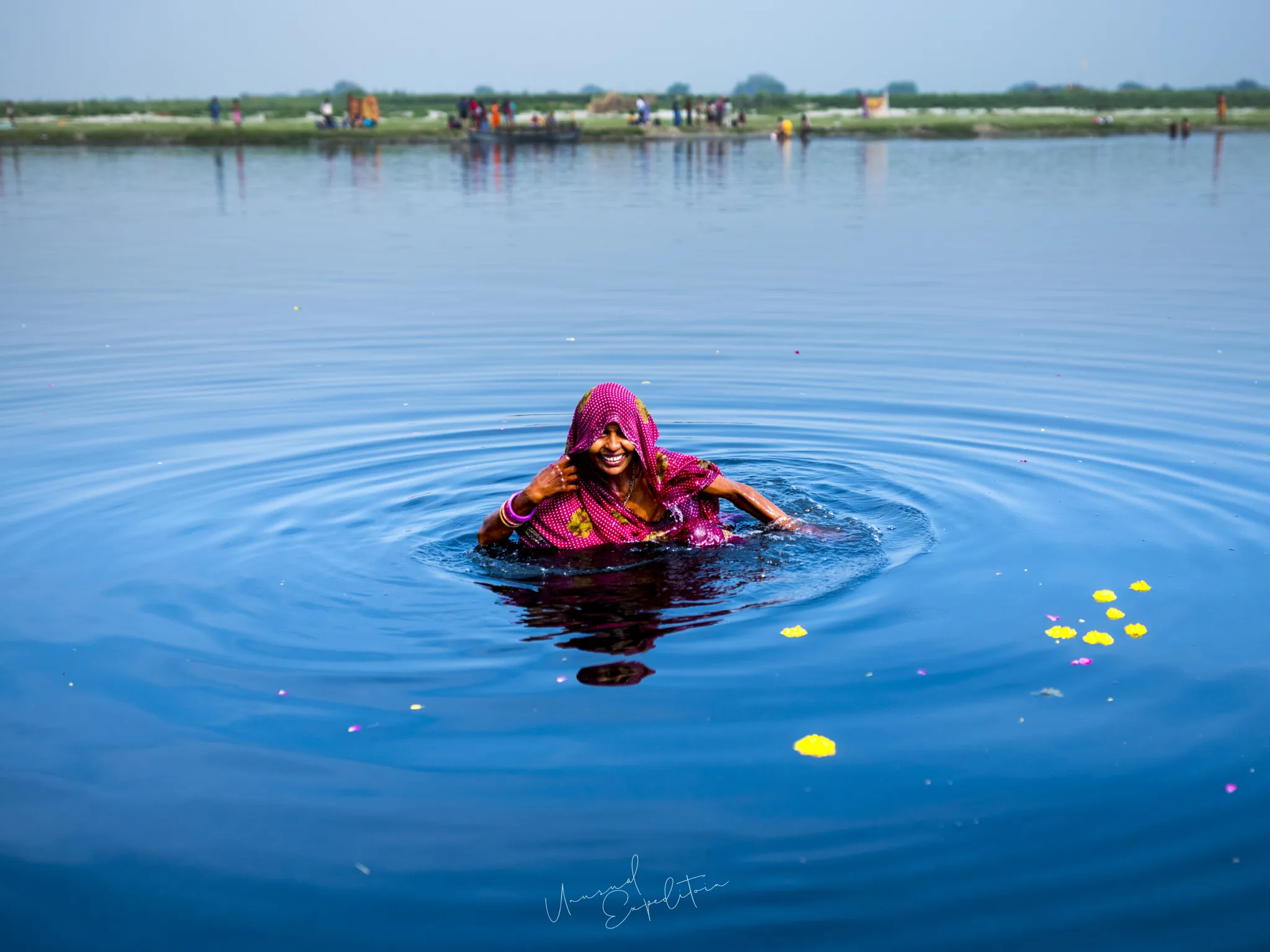
The Mathura Vrindavan best time to visit is between October and March, when the weather is mild, and for photographers the peak is the Holi season around the full moon of Phalguna, usually in March. India's Ministry of Tourism recommends October to March for the pleasant weather and names Krishna Janmashtami in August or September as the other great festival. Winter brings fog and cold mornings on the Yamuna, the hot months from April to June are fierce, and the monsoon softens the light but floods the lanes.
For the towns, temples and ghats themselves, start with our Mathura Vrindavan tour guide. This page is about choosing the month.
Mathura Vrindavan weather through the year
Mathura Vrindavan weather follows the pattern of the northern plains. The India Meteorological Department divides India's year into four seasons: winter in January and February, the pre-monsoon hot season from March to May, the southwest monsoon from June to September, and the post-monsoon months from October to December. In Braj that means cold, often foggy winter mornings and comfortable afternoons, a short warm spring that includes Holi, a very hot summer, humid monsoon months with heavy showers, and a clear, dry autumn. Incredible India's monthly figures for Mathura run from cold nights in January to summer days well above 40 degrees Celsius in June, which is why most visitors avoid the hot months.
Mathura Vrindavan best time to visit, by month
| Months | Weather | Festivals | For photographers |
|---|---|---|---|
| October and November | Dry, clear, warm days, cooler nights | Kartik month, Diwali | Clean light on the ghats, lamps on the river |
| December and January | Cold mornings, frequent fog | Quiet pilgrim season | Misty ghats, shawls and firelit lanes |
| February and March | Mild, warming, mostly dry | Holi season across Braj | The colour, the temples, the processions |
| April to June | Very hot, dusty | Few | Early mornings only |
| July to September | Humid, heavy showers | Krishna Janmashtami in August or September | Festival crowds, green Yamuna, wet lanes |
February and March is the choice for Holi; November gives the most comfortable, clearest days.
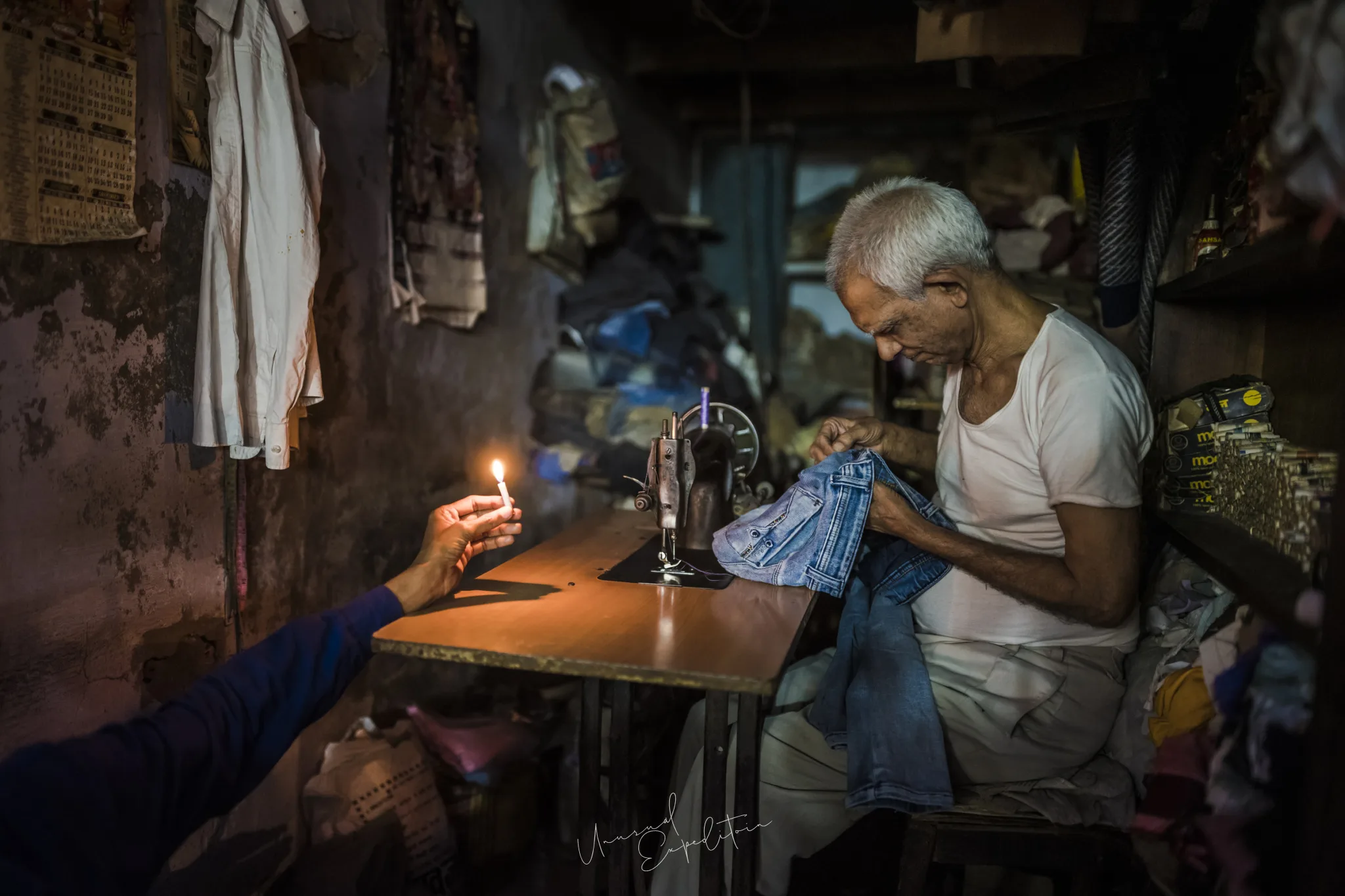
The Holi season: late February or March
Holi is set by the lunar calendar, so the season moves each year between late February and March. Incredible India describes Holi as falling on the last full moon of the Hindu year, usually in March, and lists the 2027 Rangotsav, the Braj Holi programme, from 16 to 30 March 2027 across Mathura, Vrindavan, Barsana, Nandgaon, Gokul and Govardhan. The weather in those weeks is usually ideal: warm days, cool mornings, little rain. The light is clear in the morning and hazy with dust and powder by afternoon, which suits the temple courtyards. Plan early; the towns fill with pilgrims. The Holi in Mathura and Vrindavan guide lists the events in order.
Winter: fog on the Yamuna
From December to February the northern plains often wake in fog, and the Yamuna ghats of Mathura and Vrindavan are at their most atmospheric: bathers appear out of the mist, boats fade into white, and sadhus sit wrapped in shawls by small fires. The same fog can delay trains and flights, so leave slack in any plan. Temple interiors are cold and dim, and portraits by window light or candlelight come into their own. If you want quiet, contemplative pictures of pilgrim life, winter is the season.
Summer and the monsoon
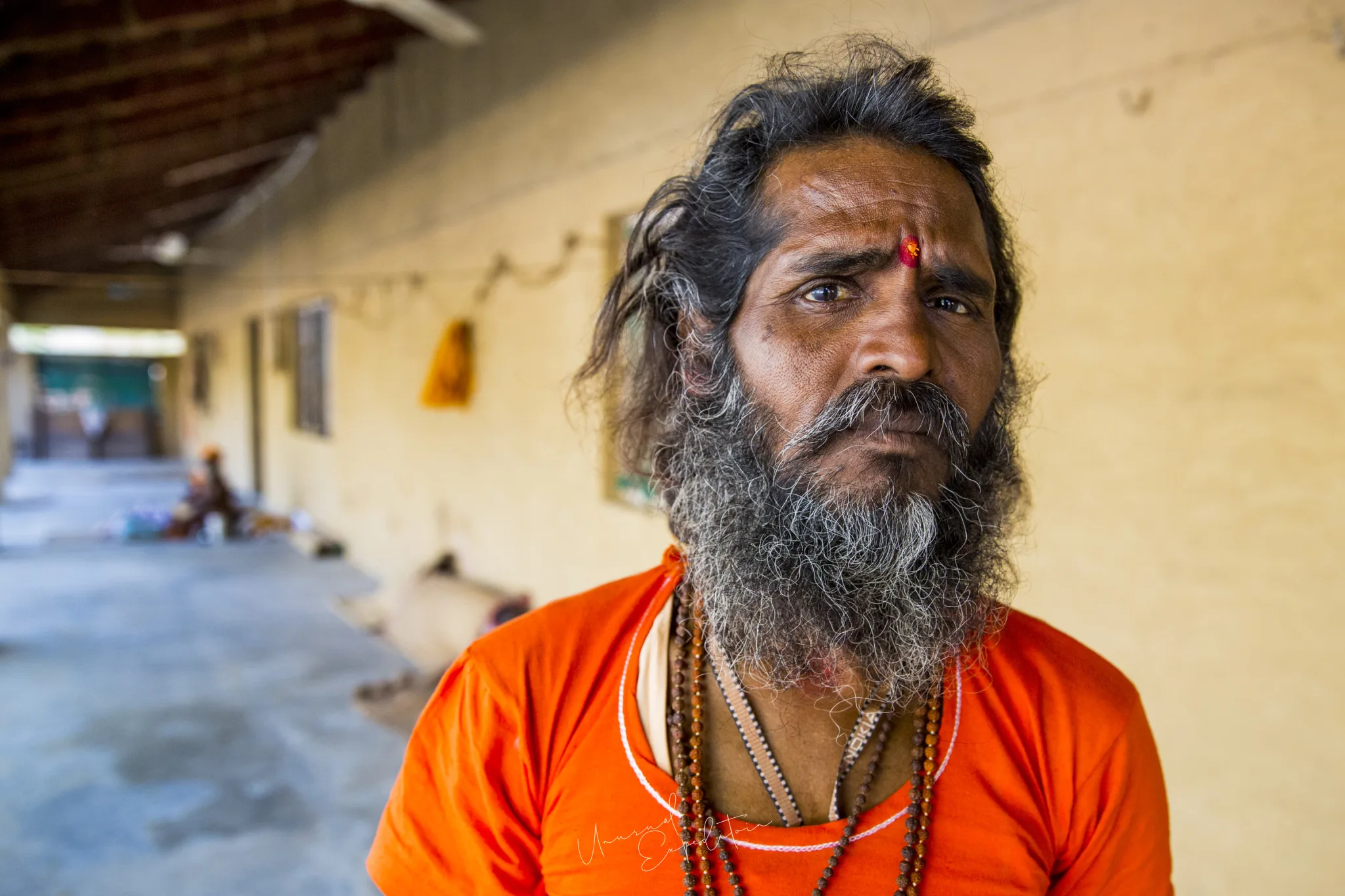
From April to June Mathura and Vrindavan are hot and dusty, and pilgrims come early in the day and rest through the afternoon; photography follows the same rhythm, with an hour or two of usable light after sunrise and again near sunset. The monsoon, from July to September, turns the Yamuna full and green and washes the dust from the air, but brings heavy showers and flooded lanes. Krishna Janmashtami, the birthday of Krishna, usually falls in August or September; Incredible India describes grand processions and decorated temples, and the crowds are enormous. It is a festival for experienced crowd photographers only.
"If someone asks me when to come to Braj, I answer with a question: do you want the colour or the quiet? For the colour, come for Holi and accept the crowds. For the quiet, come on a winter morning when the fog lies on the river and the old men sit on their doorsteps wrapped in shawls."
Joseph Mak, tour leader, Unusual Expedition
Best time of day in Mathura and Vrindavan
Whatever the month, the best time of day in Mathura and Vrindavan is early. The ghats are busiest and most photogenic in the first light, when people bathe and pray, and the lanes are calm before traffic fills them. Temples open for darshan in sessions that change with the season, so check the current schedule on arrival. Midday is for rest, editing and cleaning sensors at Holi, and for the shaded interiors of shops and ashrams, where window light stays soft even when the streets are glaring. In the Holi season the temple courtyards are the exception: the colour in the light shafts is at its best when the sun is high enough to reach the floor. Late afternoon brings warm side light into the bazaars, and dusk is the hour for river aarti and lamps.
Plan the rest of India around it
Mathura and Vrindavan sit between Delhi and Agra, so a trip here combines easily with the Taj Mahal and with the other regions in our best time to photograph India guide. If you are deciding between Holi and the autumn fairs of Rajasthan, the India photography tour guide compares the regions, and the Mathura Vrindavan photos page shows what the quieter months look like.
Choose your season with us
We run Mathura and Vrindavan as a private trip on request, in the Holi season or in the quieter months, for individuals, couples, families and photographers. We arrange all the logistics around you and can add a photographer or photography coaching at extra cost. Ask at least two months ahead, and earlier for Holi. Any scheduled departure appears on our India photography tours page.
Ask us about the best time for Braj
Mathura and Vrindavan photography tours
The next Mathura and Vrindavan departure is announced on the Mathura and Vrindavan photography tours page, with previous expeditions and all the planning guides.
Explore Mathura and Vrindavan in depth
- Mathura and Vrindavan Photography Tour Guide: Holi, Temples and GhatsIndia
- Mathura Vrindavan Photos: Temples, Lanes, Ghats and HoliIndia
- Holika Dahan: The Bonfire Night Before Holi in Mathura and VrindavanIndia
- Holi Photography Tips: Protect Your Camera and Work the Crowd in BrajIndia
- Holi in Mathura and Vrindavan: The Braj Holi Calendar and Where to BeIndia
- Dwarkadhish Temple, Mathura: Holi Songs, Colour and Where to StandIndia
- Banke Bihari Temple, Vrindavan: History, Holi and Photography RulesIndia
Upcoming Photo Tours
- Egypt Photo Tour – EgyptEgypt 12 Dec 2026 To 20 Dec 2026
- Inner Mongolia Winter Owl Photo Tour – ChinaChina 01 Jan 2027 To 04 Jan 2027
- Inner Mongolia Winter Photo Tour – ChinaChina 05 Jan 2027 To 11 Jan 2027
- Mekong And Central Highland Vietnam Photo Tour - VietnamVietnam 16 Jan 2027 To 24 Jan 2027