
City of David, Jerusalem: Is It Worth Visiting for Photographers?
City of David in Jerusalem: is it worth it? The excavations, Hezekiah's Tunnel, the dry route, the Pool of Siloam and how to get there.
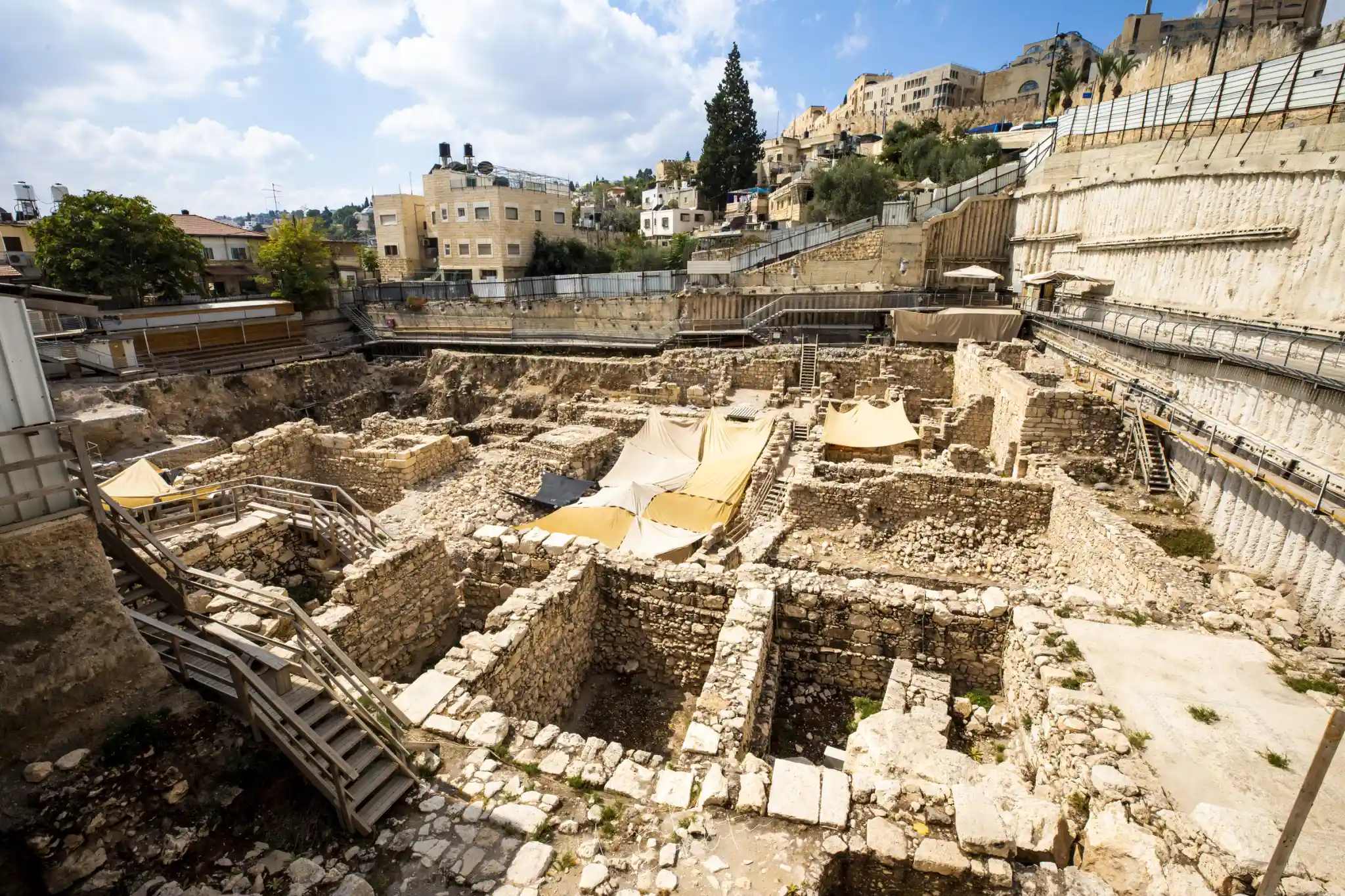
The City of David in Jerusalem is worth visiting if you like archaeology and want a different kind of picture from the Old City: excavated walls and houses on the ridge south of the Temple Mount, a rock-cut water system, and Hezekiah's Tunnel, which you wade through in spring water to the Pool of Siloam. It is less rewarding for the grand views and the crowds of faith that make the rest of Jerusalem. Give it a morning, bring a headlamp, and check that it is open before you go.
Read our Jerusalem photography tour guide for the rest of the city; this page covers the archaeological park outside the southern walls.
What the City of David is
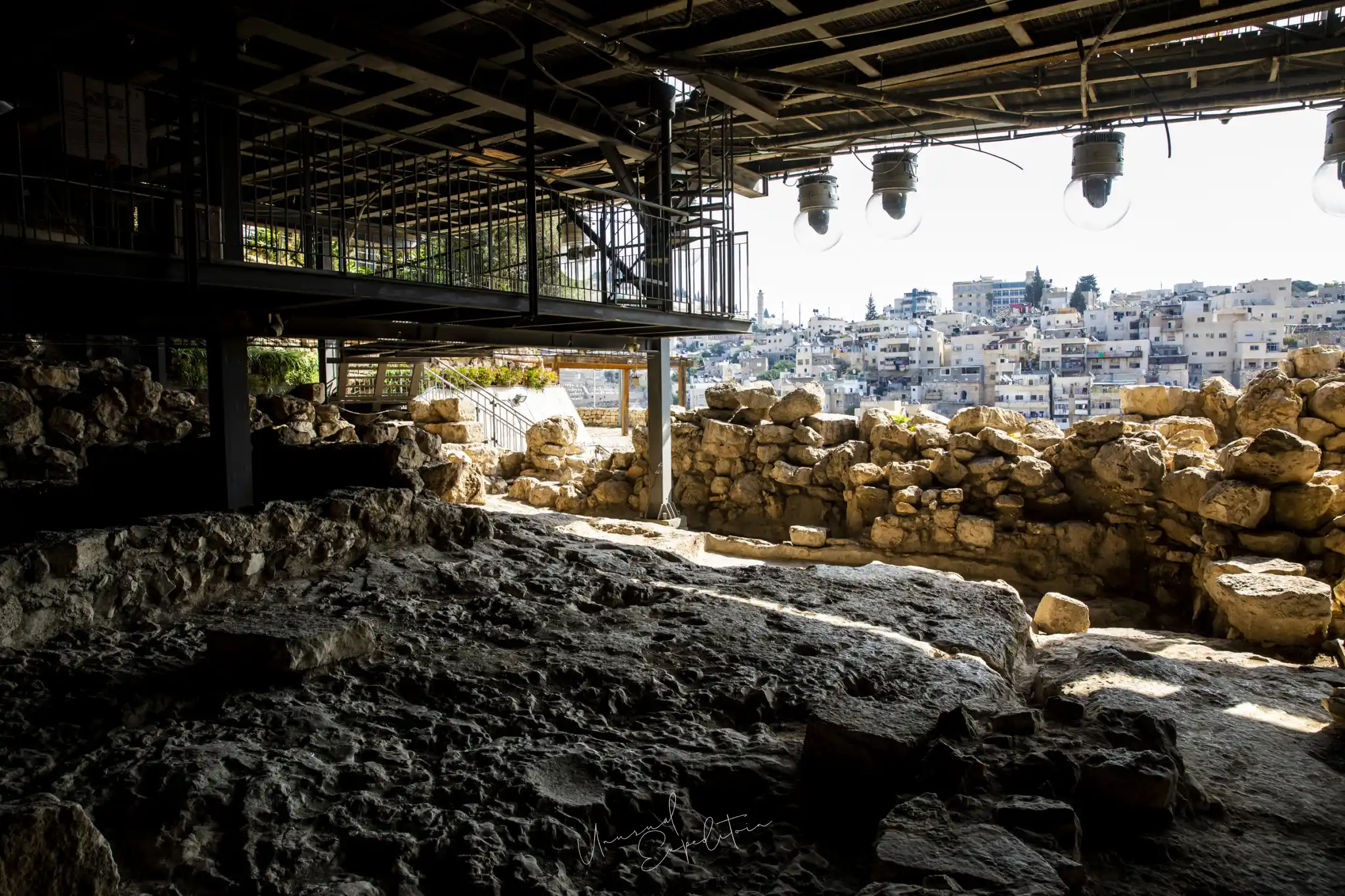
The City of David is an archaeological park on the narrow ridge that runs south from the Old City walls, below the Dung Gate, down toward the meeting of the Kidron and Hinnom valleys. This is where the earliest city of Jerusalem stood, beside its one reliable water source, the Gihon Spring. Digs here have uncovered stone terraces, house foundations and fortifications from many periods, now covered by shelters and walkways, along with tunnels and shafts cut to reach the spring. The park sits on the slope above the neighbourhood of Silwan and people live all around it, so keep the camera on the archaeology and off homes and residents. Across the road from the entrance, a large excavation beside the Old City walls shows layers of the city's history stacked one above the other.
Hezekiah's Tunnel: the wet route
Hezekiah's Tunnel is a channel cut through the bedrock to carry water from the Gihon Spring to the Pool of Siloam, traditionally linked to King Hezekiah, who prepared Jerusalem for siege. An ancient Hebrew inscription found inside it, describing the moment the two teams of diggers met, is now in the Istanbul Archaeology Museums. Visitors walk the full length in the dark with the spring water flowing around their legs, knee-deep in places and deeper at times. It is narrow and low in parts, and very much an experience rather than a photo location. Leave the big camera in a dry bag or with someone outside, take a waterproof phone or compact, a headlamp, and water shoes, and expect to come out wet. The City of David's own visitor information gives the current water level and footwear advice.
The dry route and the shafts
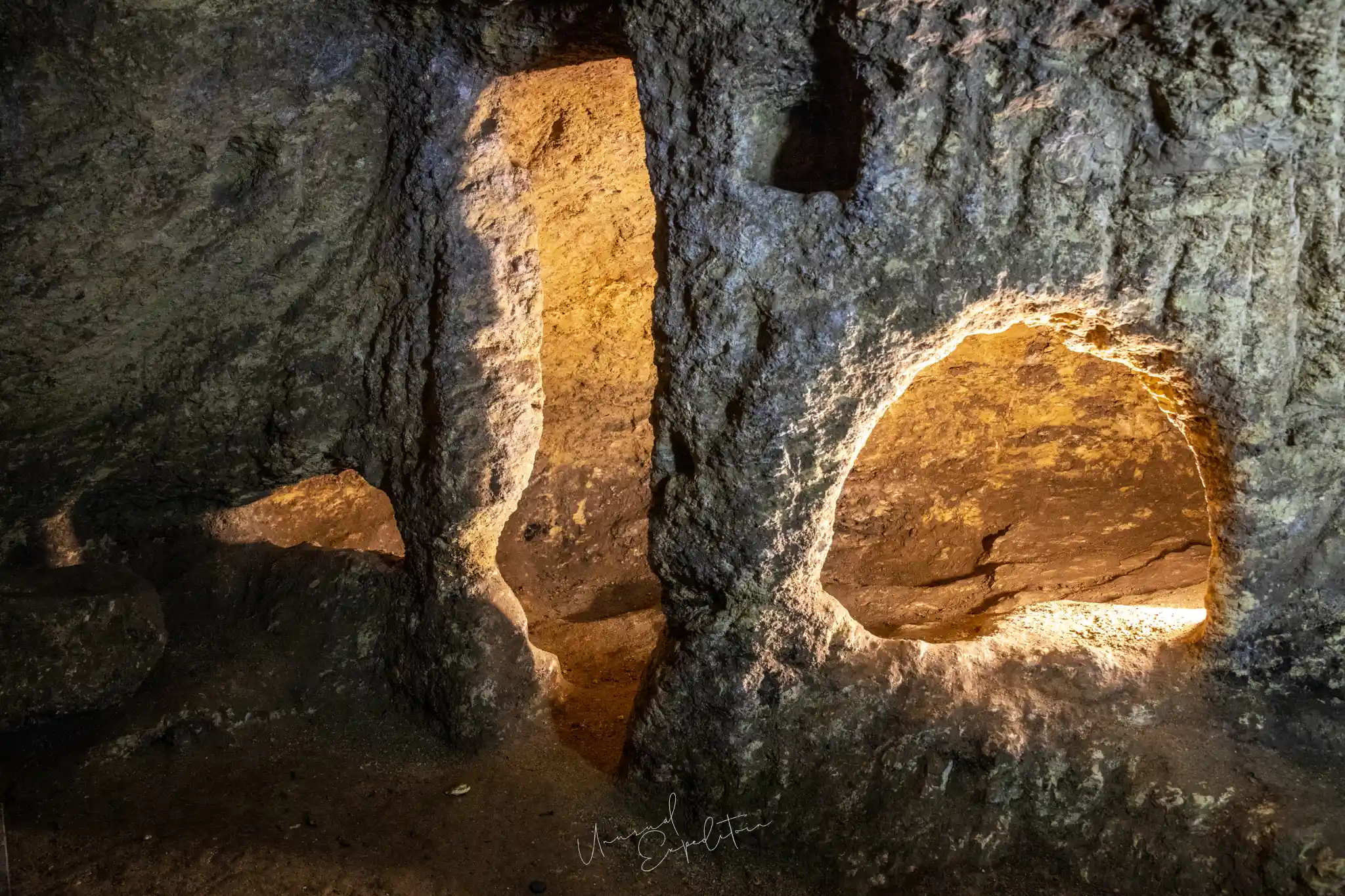
If you would rather keep dry, or your camera bag is heavy, the dry Canaanite channel is the alternative route, shorter and easier, through a rock-cut passage lit at intervals. Before either tunnel, the walk takes you down to Warren's Shaft, a natural vertical shaft once thought to be the city's ancient water access, and the spring house. These spaces are where the photographs are: raking torchlight on tool marks in the rock, steel stairways descending into the dark, light glowing at the end of a passage. A 16-35mm or a 24mm prime at high ISO handles them; tripods are not practical with other visitors moving through.
The Pool of Siloam and the walk back
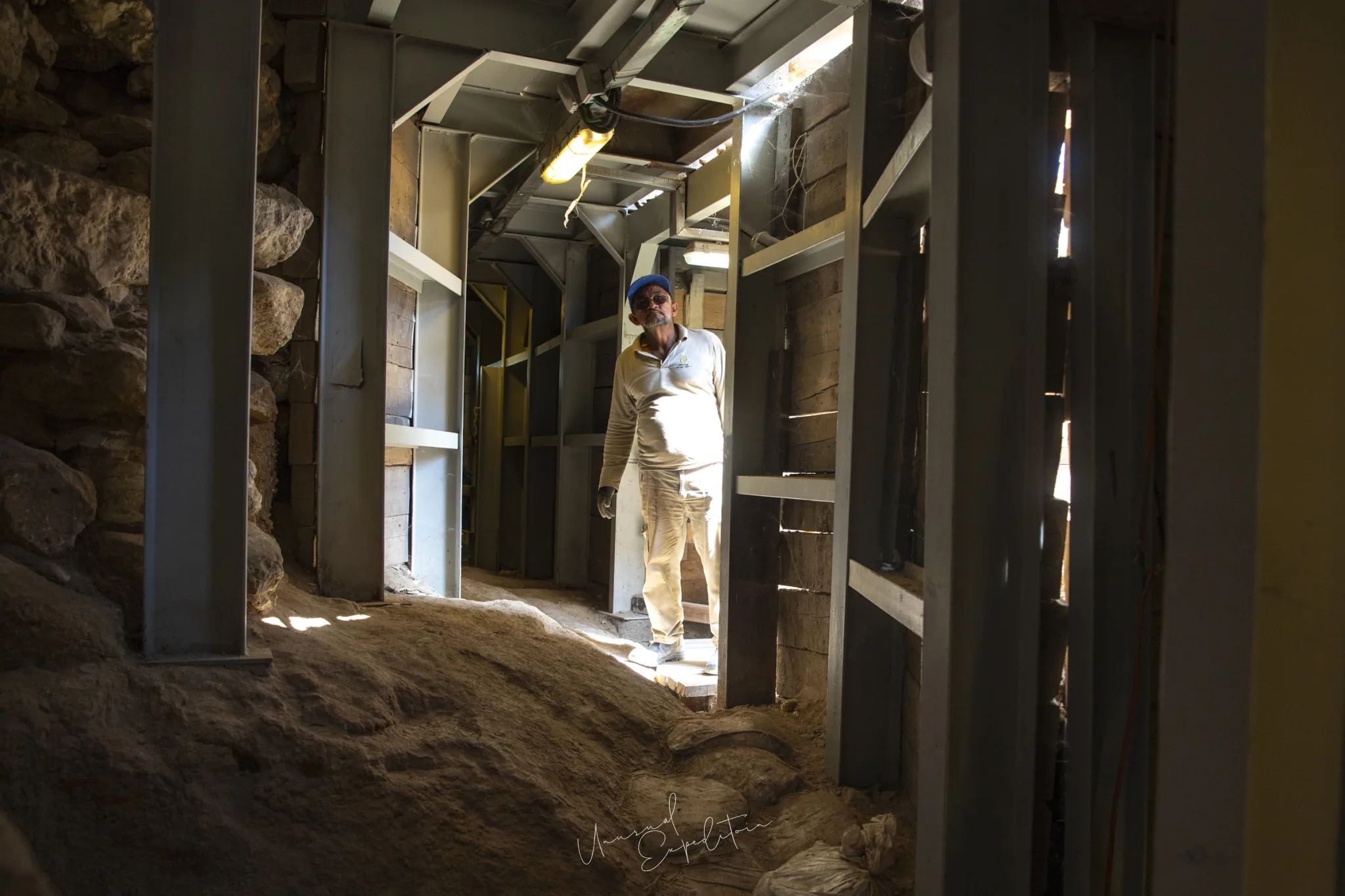
Both tunnels end near the Pool of Siloam, at the bottom of the ridge, where excavations have exposed broad stone steps from the Second Temple period. From there, a long underground passage follows an ancient drainage channel and street uphill toward the area of the Western Wall, braced in places with steel frames, with shafts of daylight falling through the gaps. It is atmospheric and quiet, and the steel and old stone make strong graphic frames if you let other visitors pass and wait for a figure in the light. You can also come back up the outdoor slope instead.
Is the City of David worth it for photographers?
| Part | What you photograph | Light | Camera |
|---|---|---|---|
| Excavations and viewing platforms | Walls, terraces, the Kidron Valley | Daylight under shelters | 16-35mm, 24-70mm |
| Warren's Shaft and spring house | Rock, stairs, shafts | Very low, artificial | Wide prime, high ISO |
| Hezekiah's Tunnel | The experience, not the picture | Darkness, headlamp | Waterproof phone or compact |
| Dry Canaanite channel | Narrow rock passage | Low, lit in spots | Wide lens |
| Pool of Siloam and the drainage channel | Ancient steps, steel and stone | Shafts of daylight | 24-70mm |
For photographers who love texture and history it is a highlight; for those who want the classic Jerusalem, the Old City and the Mount of Olives come first.
The City of David is where Jerusalem stops being a postcard. You are photographing rock, water and the marks of people who dug them, and the light is whatever you bring with you.
Joseph Mak, tour leader, Unusual Expedition
How to get to the City of David
The entrance is just outside the Dung Gate, on the road that runs downhill from the southern walls of the Old City, so you can walk from the Western Wall plaza. Tickets are sold at the visitor centre, with self-guided entry or guided tours, and the water system has a last entry well before the park closes, so go in the morning. The park is closed on Saturdays. When we checked, the park's official site carried a closure notice under Home Front Command guidance alongside its normal opening hours, so confirm on the site, and check Singapore's Ministry of Foreign Affairs travel advice, before you plan the day.
Combining the City of David with nearby sites
The City of David pairs naturally with the southern walls and the Western Wall, which lie just uphill; our Western Wall and Dome of the Rock photos guide covers both. From the Mount of Olives you can see the whole ridge of the ancient city running down into the valley, a view explained in our Mount of Olives sunset guide, and the Jerusalem photography FAQ answers the practical questions about dress, entry and safety.
Explore ancient Jerusalem with us
We run Jerusalem as a private trip on request, when the travel advice allows, with the archaeology timed for the morning hours. All our Israel destination guides are on the Israel photography tours page.
Jerusalem photography tours
The next Jerusalem departure is announced on the Jerusalem photography tours page, with previous expeditions and all the planning guides.
Explore Jerusalem in depth
- Jerusalem Photography Tour Guide: The Old City, Its Walls and Its LightIsrael
- Western Wall and Dome of the Rock Photos: The Plaza, the Mount and the RulesIsrael
- Via Dolorosa and the Church of the Holy Sepulchre: A Photographer's GuideIsrael
- Mount of Olives Sunset: The Classic View of Jerusalem and How to Shoot ItIsrael
- Jerusalem Photography FAQ: Days, Visa, Safety, Dress and BethlehemIsrael
- Jerusalem Old City Photos: The Best Spots, Walls and ViewpointsIsrael
- Jerusalem Old City Market: Photographing the Souks and Their PeopleIsrael
Upcoming Photo Tours
- Egypt Photo Tour – EgyptEgypt 12 Dec 2026 To 20 Dec 2026
- Inner Mongolia Winter Owl Photo Tour – ChinaChina 01 Jan 2027 To 04 Jan 2027
- Inner Mongolia Winter Photo Tour – ChinaChina 05 Jan 2027 To 11 Jan 2027
- Mekong And Central Highland Vietnam Photo Tour - VietnamVietnam 16 Jan 2027 To 24 Jan 2027