
Elephants, Buffalo and Hippos in South Africa: Photography Guide
Elephants, buffalo and hippos in South Africa: how to photograph the heavy animals of a safari, with lenses and safety notes.
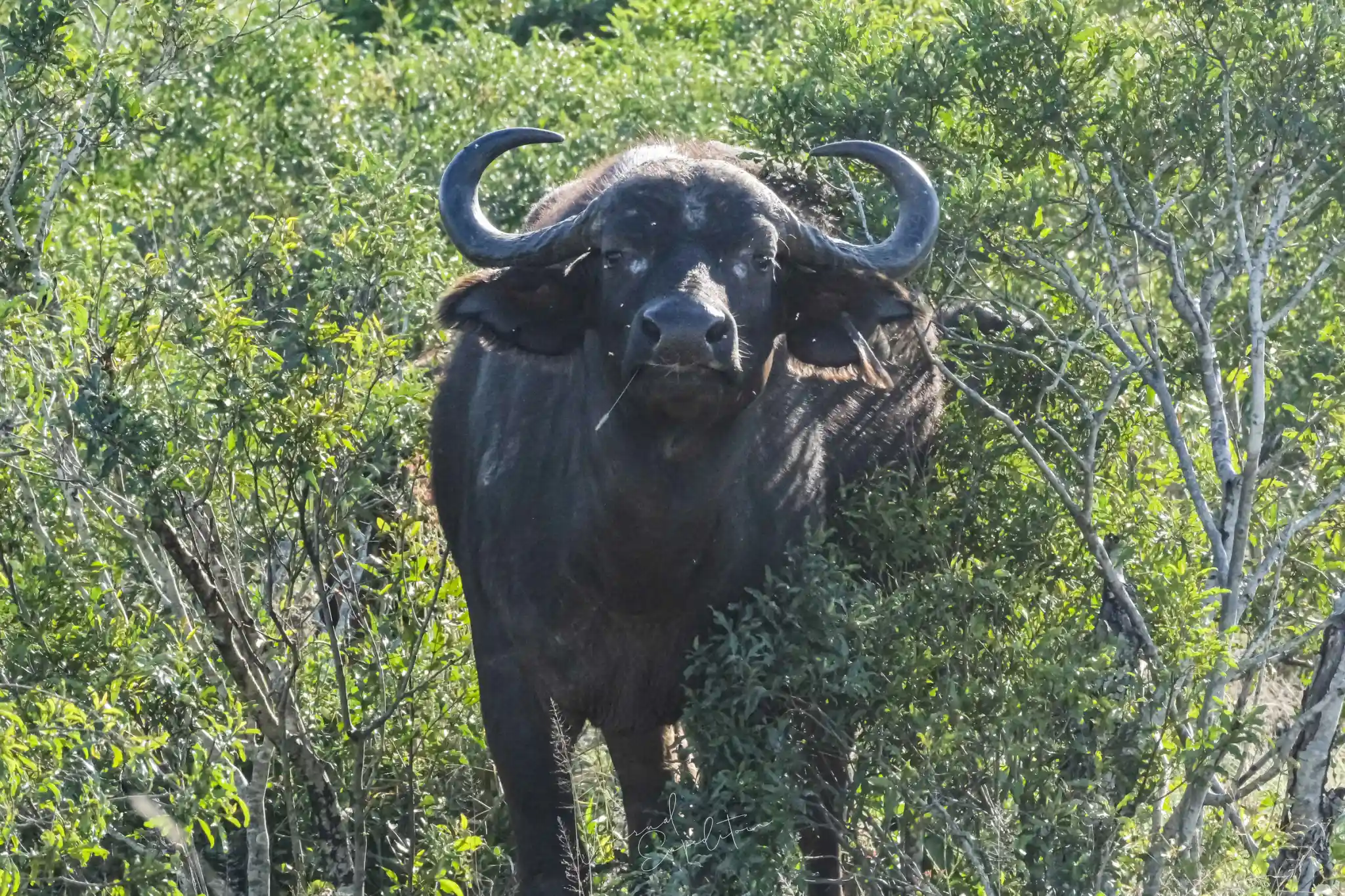
Elephants, buffalo and hippos are the heavy animals of a South African safari, and each needs a different approach with a camera: elephants for scale and family behaviour, buffalo for character and horns, hippos for the few inches of head and eye above the water. All three are common in South African game reserves, and all three are best photographed from a vehicle. Below is what we photographed and how to make each one work.
It belongs to our South Africa safari photography guide and the wider South Africa photography tour guide. For the cats and the tall animals, see leopard photography in South Africa and giraffe photography.
Elephants in South Africa: how to photograph them
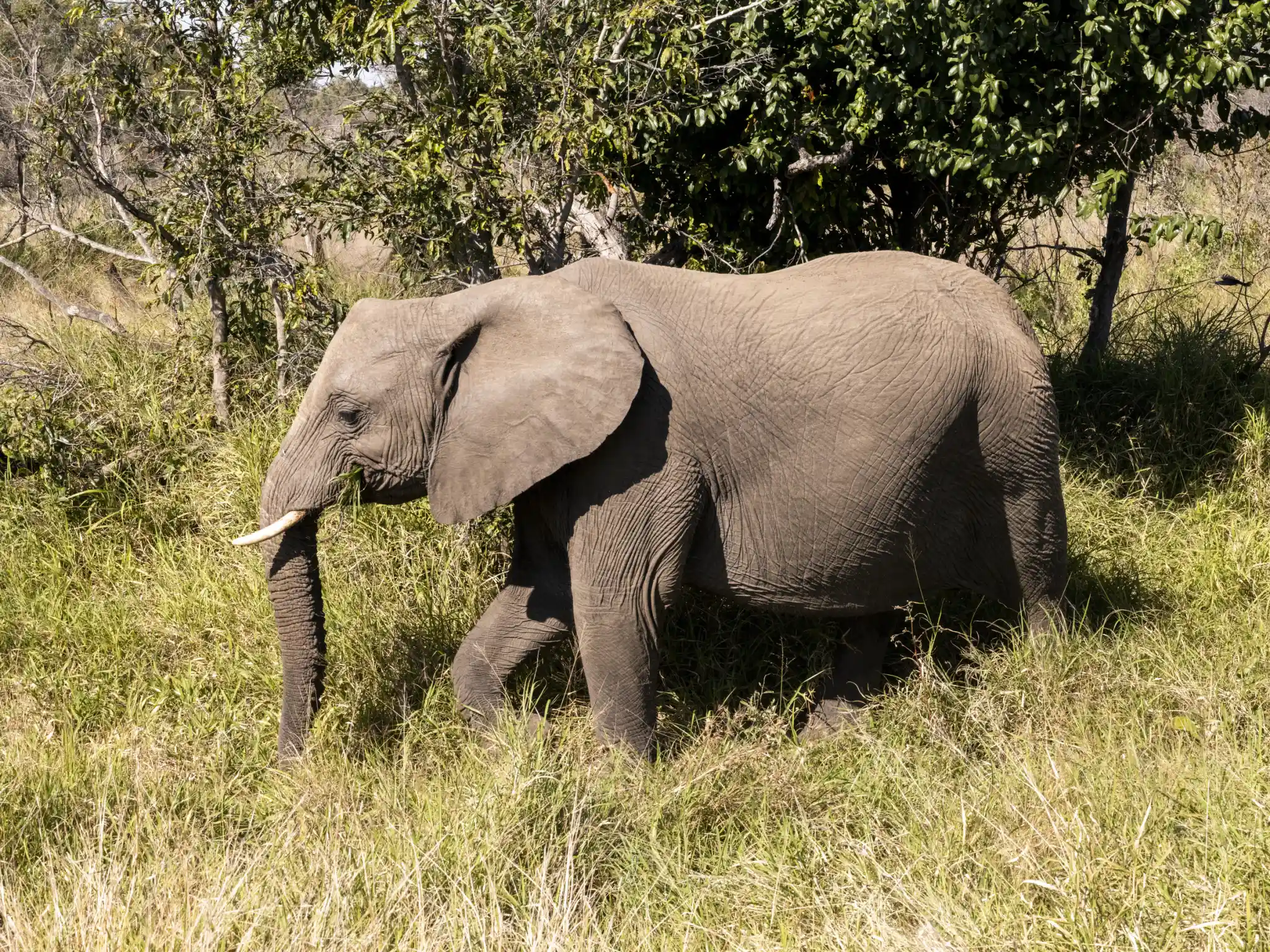
An elephant fills a frame in a way few animals do, and a single walking bull in open grass is a simple, strong picture. Stay in the vehicle, let the animal approach or pass on its own terms, and follow your ranger's judgement on distance: elephants can be unpredictable when disturbed, and a ranger reads the signs better than a visitor does. Use a 70-200mm or a 100-400mm, shoot at eye level where the vehicle allows, and keep the feet and tusks in the frame to show the animal's size.
Elephant calves and family groups
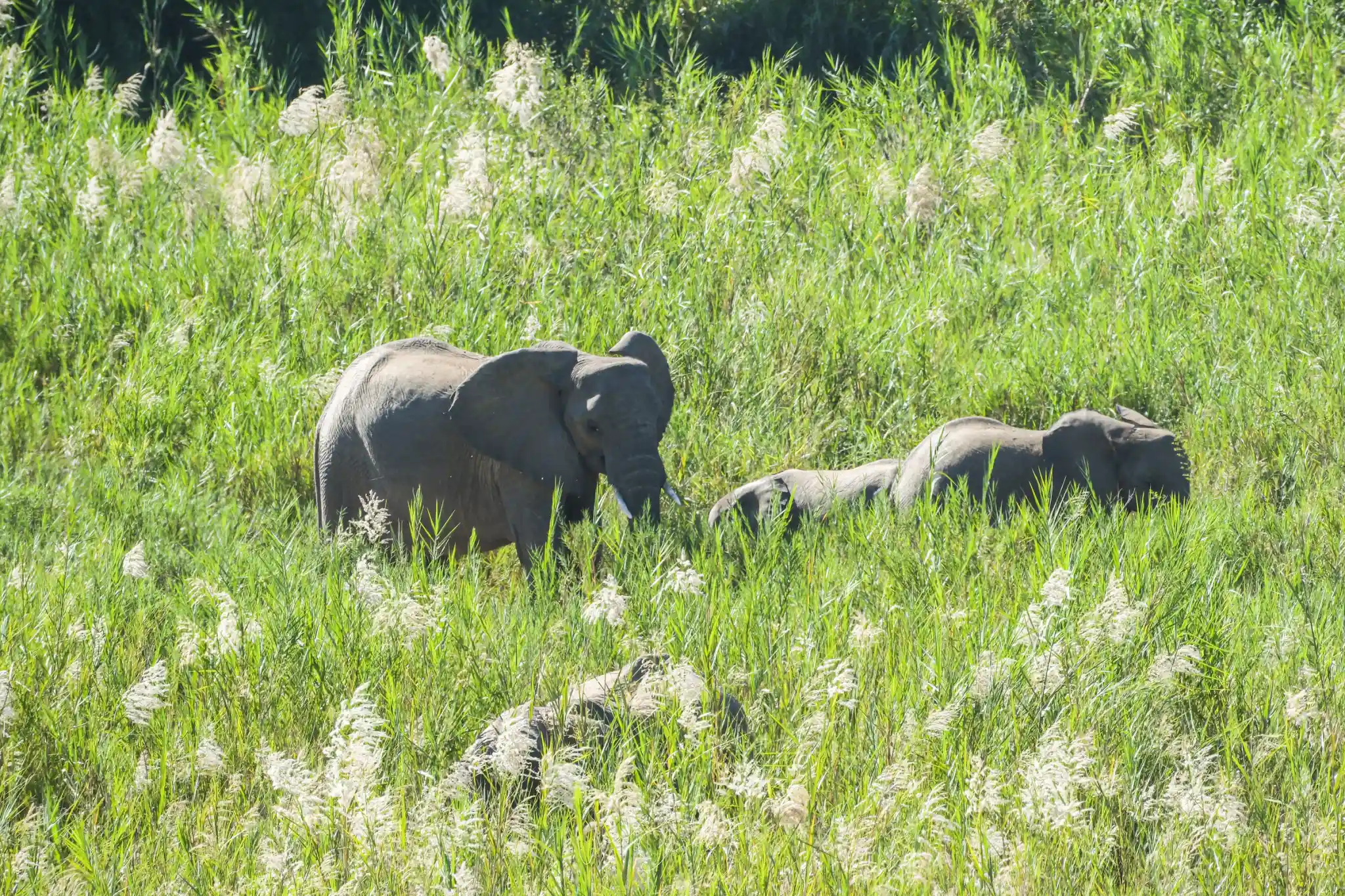
Family groups give the most appealing pictures, and calves are the draw. In tall green grass, a mother and her young often move slowly, and the calves stay close to the adults. A wide aperture isolates them from the busy green background, and a lower angle helps you see between the stems. We found a group in long grass with white seed heads, and the soft green colour made a quiet, gentle picture. Keep your distance and stay quiet: a mother with a calf is the situation where a ranger will move the vehicle on.
Buffalo photography in South Africa
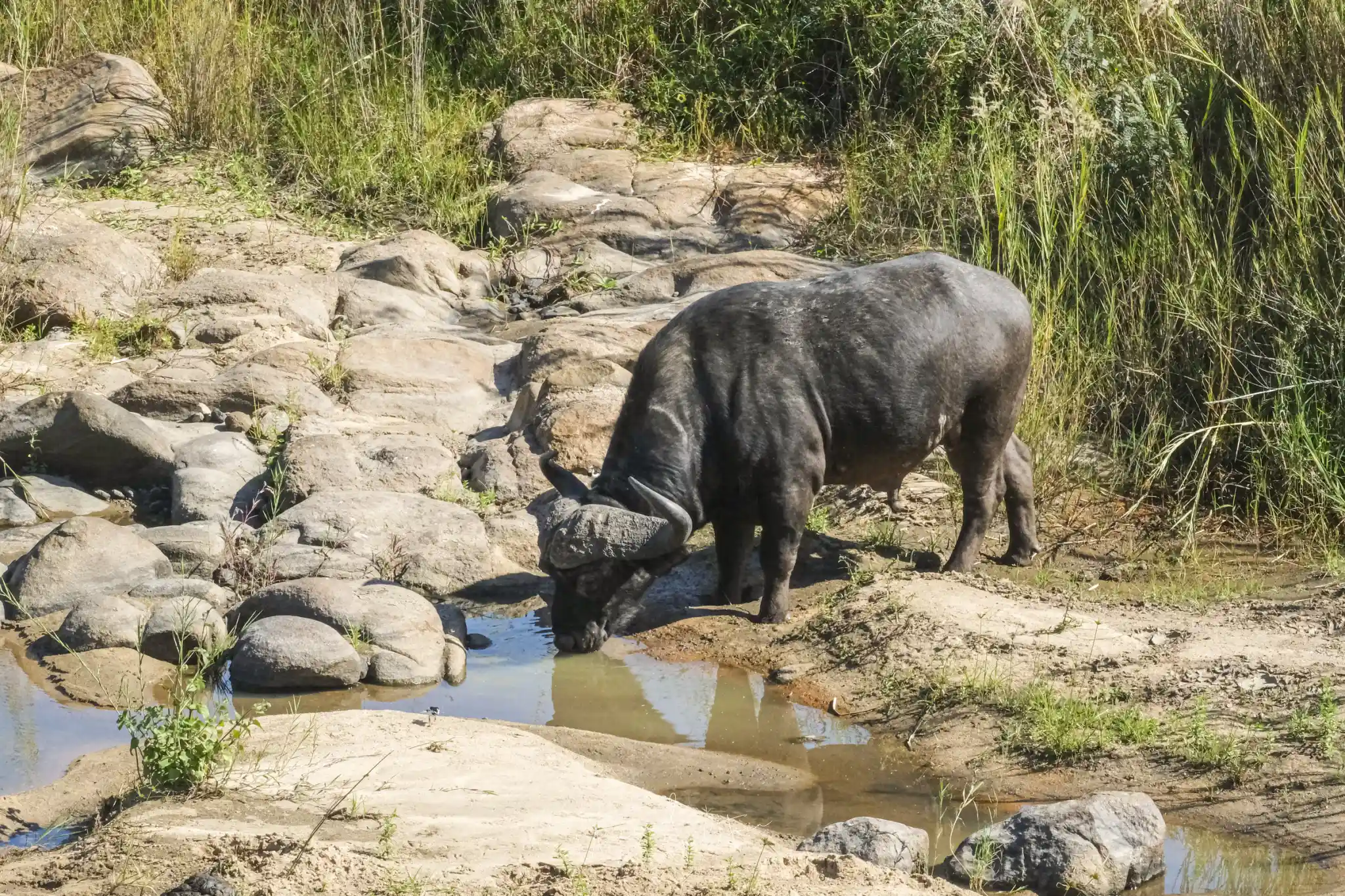
Cape buffalo are the opposite of elephants: compact, dark and watchful, and best photographed head-on, where the sweep of the horns shows. A buffalo looks at you with a calm, slightly heavy stare, and the picture is about character. Look for single bulls on the edge of a herd, which are easier to isolate. The dark body can lose detail, so expose carefully for the face and horns and avoid hard midday sun. A buffalo drinking at a stream or waterhole adds a story and a mirror of light.
Hippos: what can you photograph?
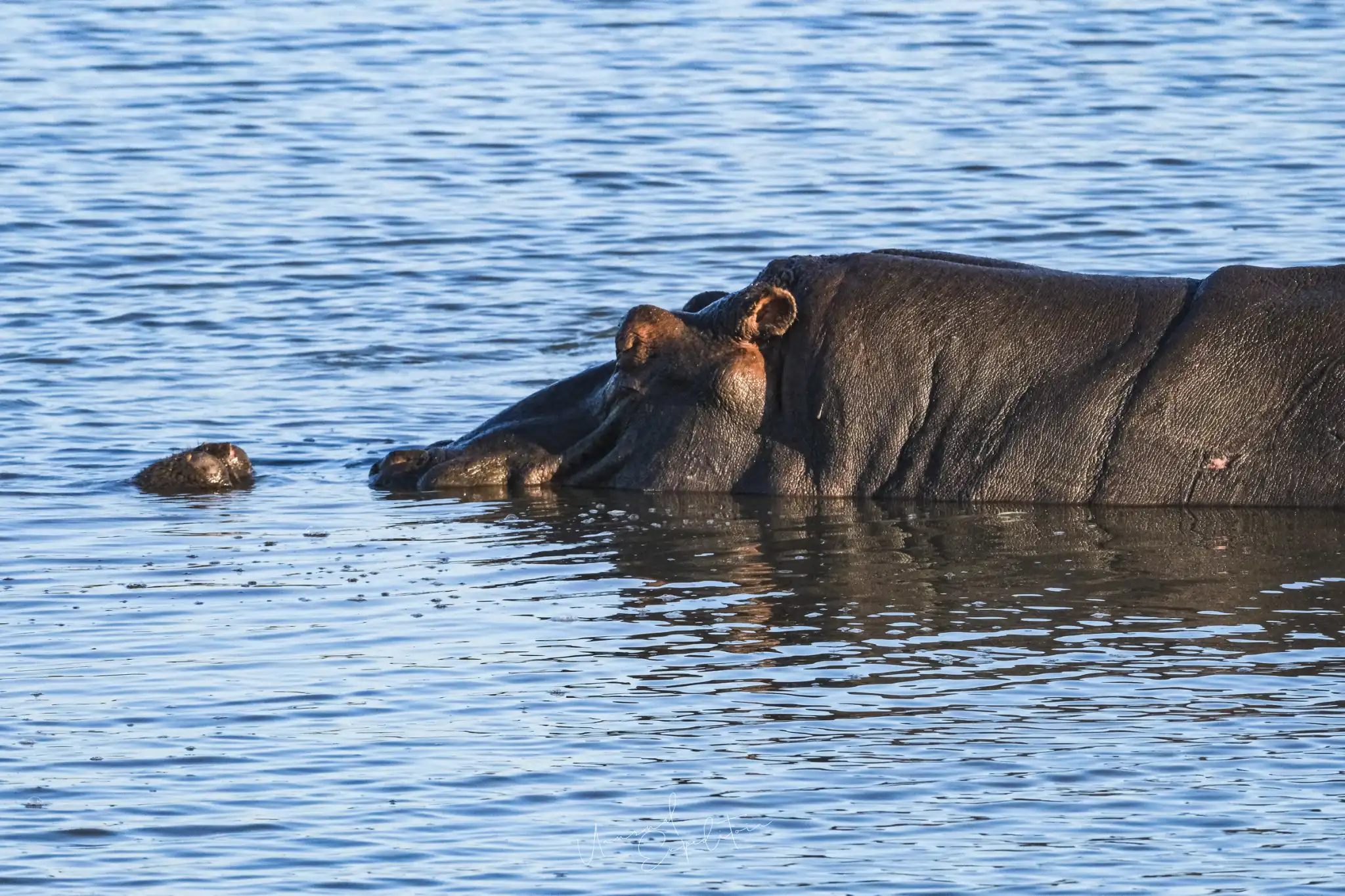
Hippos spend the day in water and come out to graze at night, so the daytime picture is a head, an eye and the ripple around them. Photograph from a vehicle or a designated viewpoint and never leave it near the water: hippos are widely regarded as dangerous, and a reserve's rules on distance exist for a reason. Use a 100-400mm or longer, keep the horizon level, and look for the moment a head rises or an ear flicks. Overcast light and a calm surface give the cleanest frames; in sun the reflections on the water can spoil the exposure.
Lenses and settings for big animals
| Animal | Best light | Lens | Tip |
|---|---|---|---|
| Elephant | Early or late sun | 70-200mm, 100-400mm | Keep the feet and tusks in |
| Elephant calves | Soft light | 100-400mm | Wide aperture, low angle |
| Buffalo | Side light | 100-400mm | Expose for the face |
| Hippo | Overcast, calm water | 150-600mm | Stay in the vehicle |
A long zoom handles the whole list, with a shorter lens for animals that come close.
Safety and respect around big animals
All of these animals are wild and can be dangerous. You stay in the vehicle, you follow the ranger and you accept that the best frame sometimes means doing nothing. South African reserves have their own rules, and operators know them, so book through a reputable one and follow its instructions. A good picture of a heavy animal comes from restraint, and a calm approach gets better results than a close one.
Close or wide: choosing your frame
Heavy animals tempt you to fill the frame, but a wider picture often says more. An elephant small in a big landscape gives scale, a buffalo herd at a stream tells you where they live, and a hippo's eyes above flat water suggest everything below. Make one tight picture and one wide picture of each animal, then see which you prefer on the screen. A long lens lets you do both from the same seat in the vehicle, and the wide frame also protects you from cropping in so far that the habitat disappears.
Light changes the mood more than the animal does. Early sun warms an elephant's grey skin to brown, overcast light shows every wrinkle and hard noon light flattens everything, so use the middle of the day for waiting, not shooting. If a herd is on the move, let the vehicle settle first and shoot when the group has stopped to drink or graze.
Our photographs of South Africa's big animals
The photographs in this guide are our own, taken in a South African game reserve on our trip; we hold the rights to them, and the notes come from knowing these animals first hand.
The heavy animals teach you patience. An elephant is never in a hurry, so neither are you, and some of the best pictures come in the minutes when nothing seems to be happening.
Joseph Mak, tour leader, Unusual Expedition
Photograph elephants and buffalo with us
We have no scheduled South Africa departure at the moment, so we run it as a private trip on request, for individuals, couples, families or photographers who want their own pace, with the logistics arranged around you. A private trip can cost less than a group tour because no tour leader travels, and a photographer or coach can be added at extra cost. Ask at least two months ahead; last-minute requests can often be arranged. See private tours and the South Africa photography tours page.
Ask us about elephants in South Africa
South Africa Safari photography tours
The next South Africa Safari departure is announced on the South Africa Safari photography tours page, with previous expeditions and all the planning guides.
Explore South Africa Safari in depth
- South Africa Safari Photography: Leopards, Giraffes, Elephants and BirdsSouth Africa
- Leopard in South Africa: How to Photograph It, Settings and LightSouth Africa
- Giraffe Photography in South Africa: Light, Composition and LensesSouth Africa
- Birds of South Africa: Rollers, Bee-eaters, Kingfishers and VulturesSouth Africa
Upcoming Photo Tours
- Egypt Photo Tour – EgyptEgypt 12 Dec 2026 To 20 Dec 2026
- Inner Mongolia Winter Owl Photo Tour – ChinaChina 01 Jan 2027 To 04 Jan 2027
- Inner Mongolia Winter Photo Tour – ChinaChina 05 Jan 2027 To 11 Jan 2027
- Mekong And Central Highland Vietnam Photo Tour - VietnamVietnam 16 Jan 2027 To 24 Jan 2027