
Mu Cang Chai Rice Terraces: Photography, Best Time and How to Get There
Mu Cang Chai photography: best time to visit, the water and harvest windows, how to get there from Hanoi, where to shoot, is it worth it.
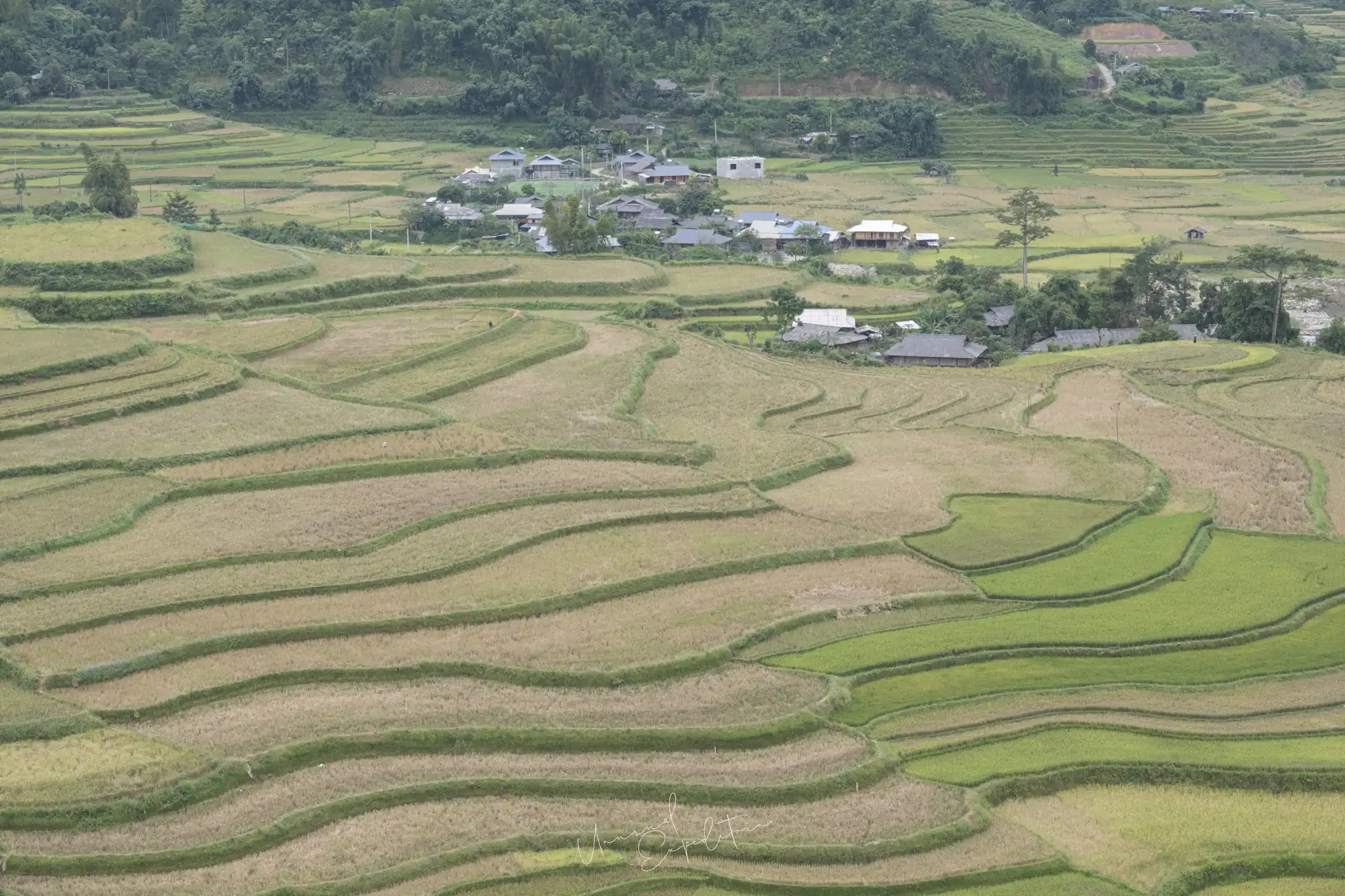
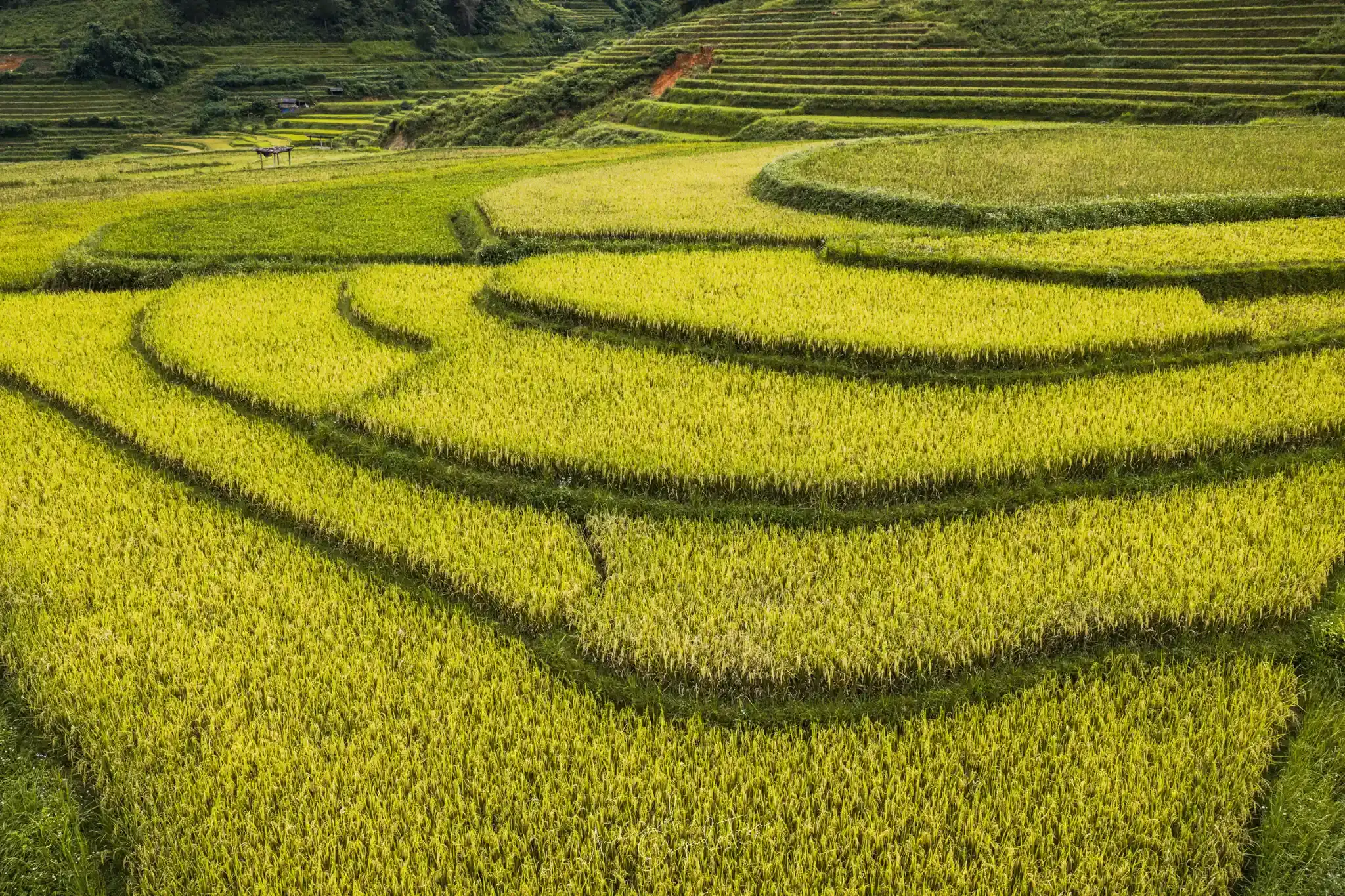
Mu Cang Chai photography is about one subject, the rice terraces of Yen Bai province, and two short windows a year: the water season in late May and June, when the flooded terraces mirror the sky, and the harvest from mid September to early October, when the whole district turns gold. Below: the best time to visit Mu Cang Chai, how to get there, where to shoot and whether it is worth the long road, from our Vietnam photography tour guide.
Is Mu Cang Chai worth visiting?
If you come in one of the two windows, it is the best terrace landscape in Vietnam and among the best in Asia. The Hmong farmers of La Pan Tan, Che Cu Nha and De Xu Phinh have cut terraces up entire mountainsides, and the government has listed the landscape as a national heritage site. Outside the windows the terraces are brown stubble or young green shoots, still a fine landscape but not the picture people travel for. It is a long road from Hanoi with no airport at the end, so: worth it in season, with at least two nights, and not worth it as a quick detour.
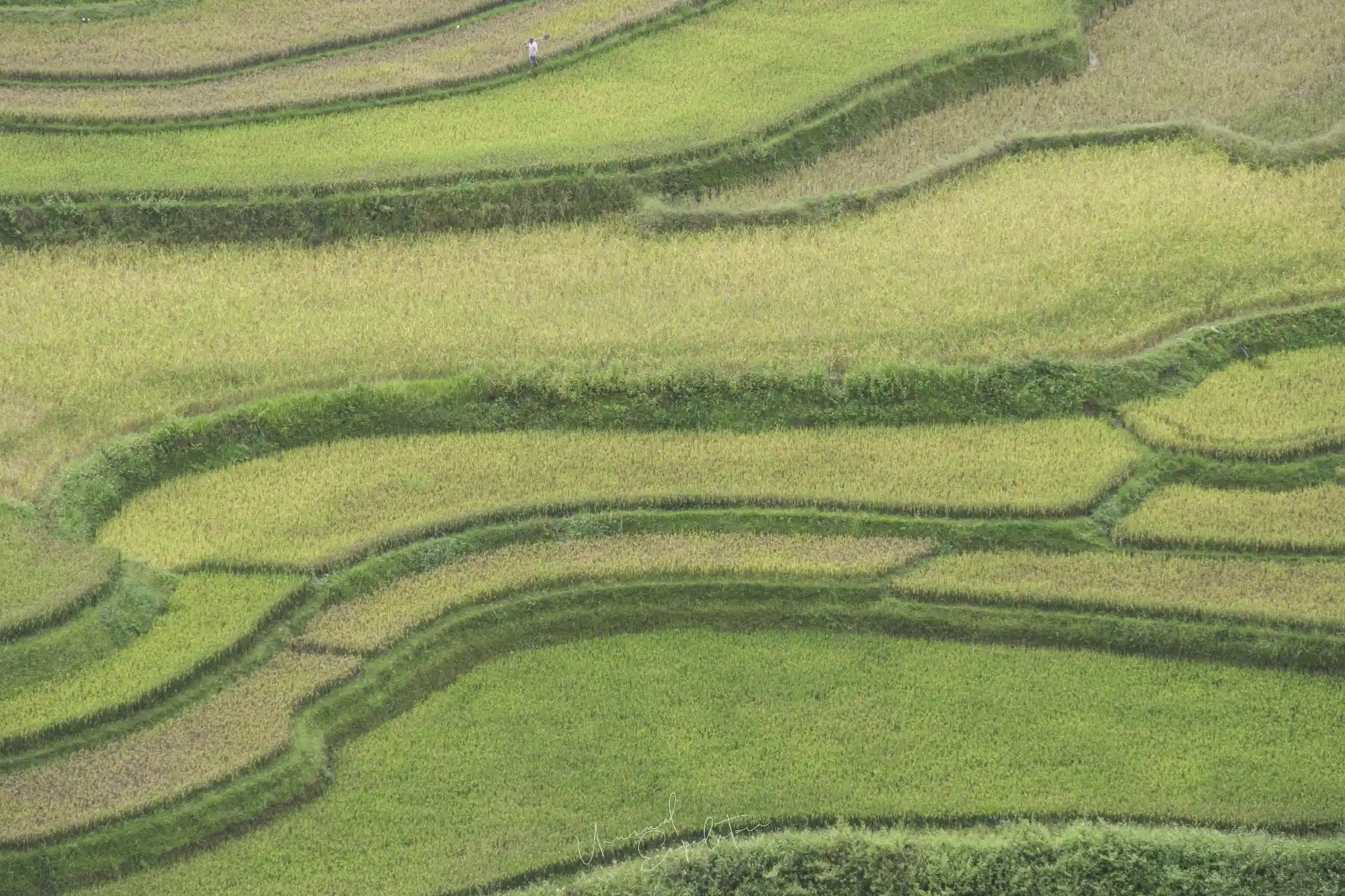
Mu Cang Chai best time to visit
| Period | Terraces | Weather | Photography |
|---|---|---|---|
| Late May to June | Flooded and being planted, mirrors of sky | Warm, showers | Reflections, farmers planting, strong graphic frames |
| July to early September | Deep green, growing | Wet season, landslides possible | Lush but flat, misty mornings |
| Mid September to early October | Golden, harvest under way | Dry spells, cool mornings | The classic gold, harvest activity, crowds on the main viewpoints |
| October to April | Stubble, then bare and brown | Cold and foggy in winter | Structure without colour, few visitors |
The harvest moves up the valleys over about three weeks, so a village that is still green one week is cut the next; the local guides know which slopes are turning.
How to get to Mu Cang Chai
Mu Cang Chai town is in the far west of Yen Bai province, reached by road from Hanoi over the Khau Pha pass, one of the four great passes of the north. There is no airport and no railway; the choice is a private car, a sleeper bus from Hanoi's western bus station, or a motorbike for those who ride. The road climbs through Nghia Lo and the tea country of Phu Tho before the pass, and the tea hills of Long Coc on the way are a photograph in their own right. We travel by private vehicle so that the stops at the tea hills and the pass are at our own pace. Mu Cang Chai is often combined with the Sapa region or with Ha Giang; we compare them in Sapa, Mu Cang Chai or Ha Giang.
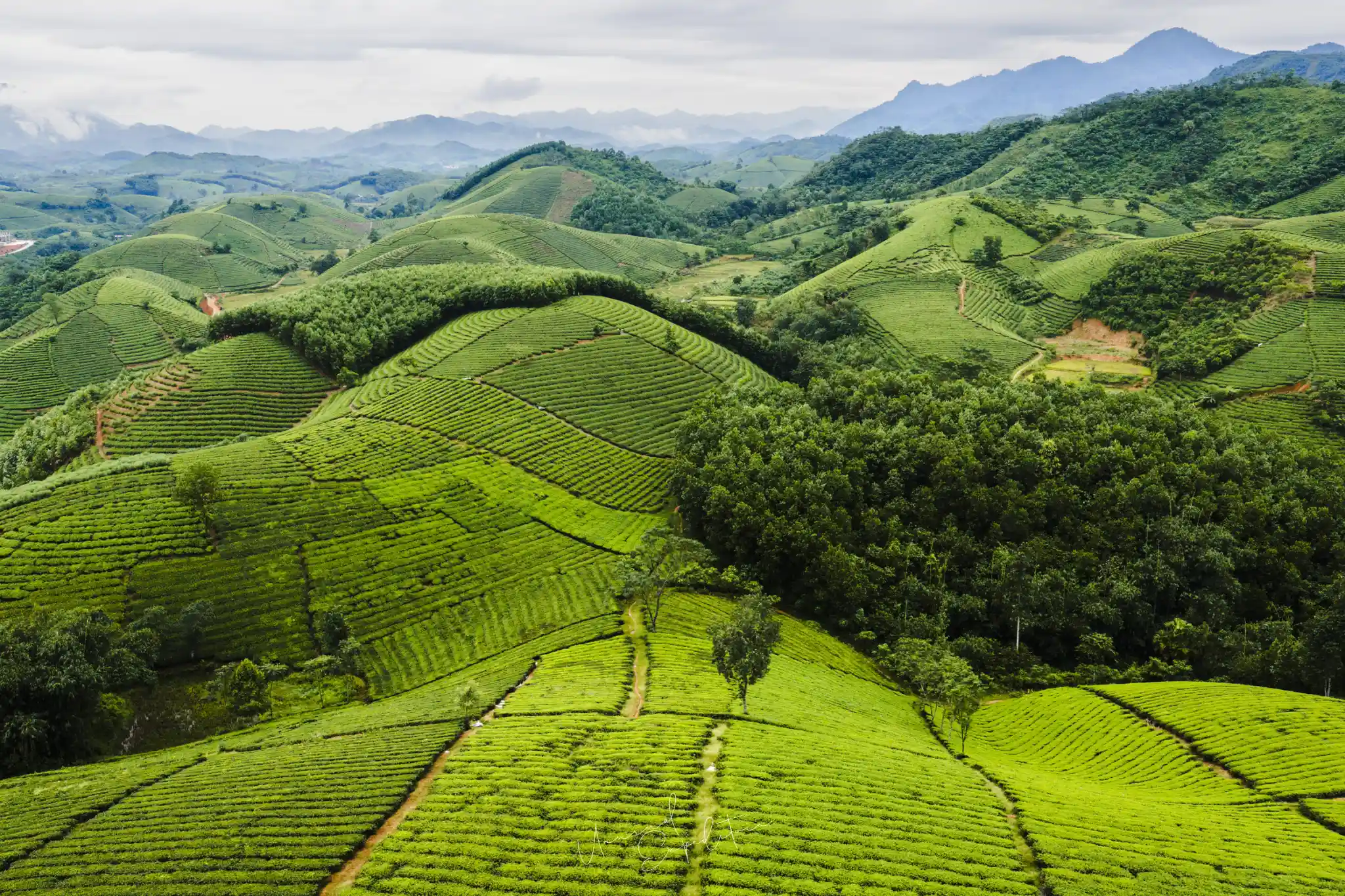
Mu Cang Chai things to do and where to shoot
La Pan Tan has the famous "raspberry hill" and the mam xoi terraces, round terraced mounds that photograph best from the ridge above with a 70-200mm to compress the curves. Che Cu Nha has long sweeping terraces that fall to the road and work with a 24-70mm from the hairpins. De Xu Phinh is quieter, with terraces around Hmong hamlets, good for people in the landscape. The Khau Pha pass gives the wide view down into the Lim Mong and Tu Le valleys, and in the harvest the paragliding festival fills the sky above it with canopies. Tu Le, on the far side of the pass, has terraces and a hot spring. Walk into the terraces from the roads; the farmers do not mind on the bunds, and the frames from inside the curves are different from the ones from above.
Mu Cang Chai sunrise
Sunrise in the harvest season is often foggy in the valley floors and clear on the ridges, which is the combination you want: terraces emerging from mist with the first light on the gold. Be on a ridge above La Pan Tan or on the pass before first light and give it an hour. The mist usually lifts mid morning and the light goes hard, so the middle of the day is for driving between villages and talking to farmers. Late afternoon brings side light across the terraces again, and the dust and smoke of the harvest make the backlight glow. Sunset itself is often hidden behind the ridges; the hour before it is the one that matters.
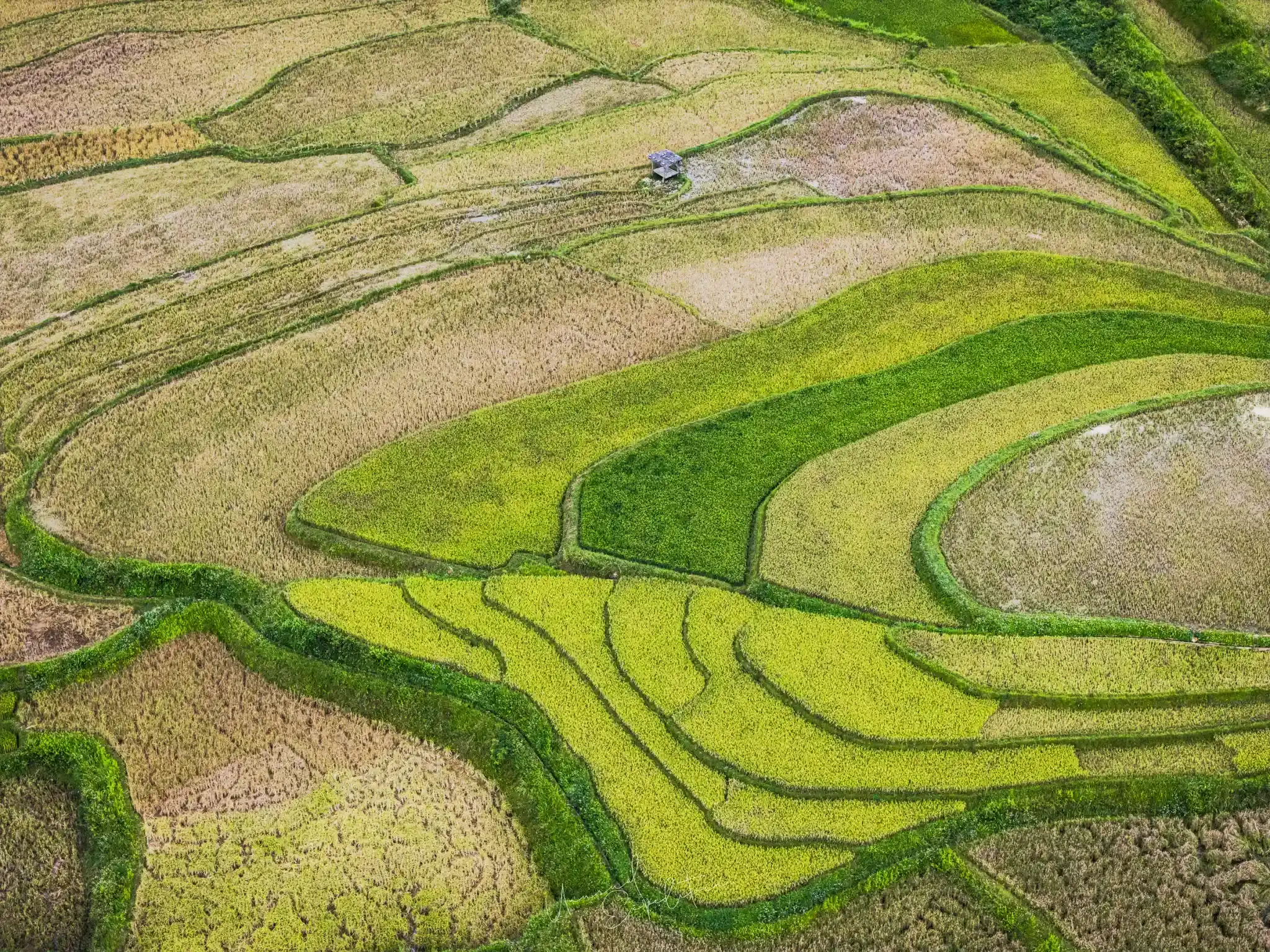
"The terraces look finished from the road and alive from inside. Walk along one bund with the families cutting rice and you get the scale, the hands and the smoke in one frame. The ridge view is for the first ten minutes of light; after that, go down."
Joseph Mak, tour leader, Unusual Expedition
Lenses and settings for the terraces
A 70-200mm does more work here than anywhere else in Vietnam, because the pictures are patterns and the long lens stacks the curves. A 24-70mm covers the hamlets and the people, and a 16-35mm is for the pass. A polariser cuts the glare on wet terraces in the water season. For the gold, underexpose a third of a stop to keep the colour from washing out. Drones give the top-down patterns on this page; Vietnam requires permits, the villages are generally relaxed about it, and we tell the group what is permitted before anyone launches.
Where to stay and how long
Homestays in La Pan Tan and the town's small hotels are the choices; the homestays put you inside the view at dawn. Two nights is the minimum for a dawn and a dusk on two different slopes, three if the weather is unsettled. Combine it with Ninh Binh on the way back to Hanoi for the karst, covered in Ninh Binh photos, and you have a northern trip of a week.
Come to the terraces with us
Mu Cang Chai is part of the private northern trip we run from Hanoi in the harvest window, and our own frames here are from early October. Our scheduled Vietnam departures run from Saigon; the Vietnam photography tours page lists them, with fares indicatively S$2,700 to S$3,300 per person depending on the room, and a northern trip is quoted separately.
Join the Vietnam photography tour
Mekong And Central Highland Vietnam Photo Tour - Vietnam departs 16 Jan 2027 To 24 Jan 2027, led by Joseph Mak. Small group, photography first. All Vietnam photography tours.
Explore Vietnam in depth
- Vietnam Photography Tour: The Complete GuideVietnam
- Vietnam Photography Trip FAQVietnam
- The Best Time to Visit Vietnam for Photography, Region by RegionVietnam
- Vietnam Tour from Singapore: Flights, Visa and What to ExpectVietnam
- Sapa, Mu Cang Chai or Ha Giang: Which Northern Mountains to PhotographVietnam
- Ninh Binh Photos: Is It Worth Visiting and How to Get There from HanoiVietnam
- Hue Photo Tour: the Citadel, the Tombs and the LagoonVietnam
- Dalat and the Central Highlands: Photos of Mist, Farms and the Elephant VillagesVietnam
- Vietnam Salt Fields and Fishing Villages: Photos from the South Central CoastVietnam
- Mekong Delta Photography Tour: the Can Tho Floating Market and the WaterwaysVietnam
- Saigon Photos: Markets, the River and the City at NightVietnam
- Saigon Photo Tour: Where We Shoot in Ho Chi Minh CityVietnam
Upcoming Photo Tours
- Egypt Photo Tour – EgyptEgypt 12 Dec 2026 To 20 Dec 2026
- Inner Mongolia Winter Owl Photo Tour – ChinaChina 01 Jan 2027 To 04 Jan 2027
- Inner Mongolia Winter Photo Tour – ChinaChina 05 Jan 2027 To 11 Jan 2027
- Mekong And Central Highland Vietnam Photo Tour - VietnamVietnam 16 Jan 2027 To 24 Jan 2027