
Papua New Guinea Photography Tour: The Complete Guide
Papua New Guinea photography tour guide: Highlands tribes, sing-sings, birds-of-paradise, when to go and how it works from Singapore.
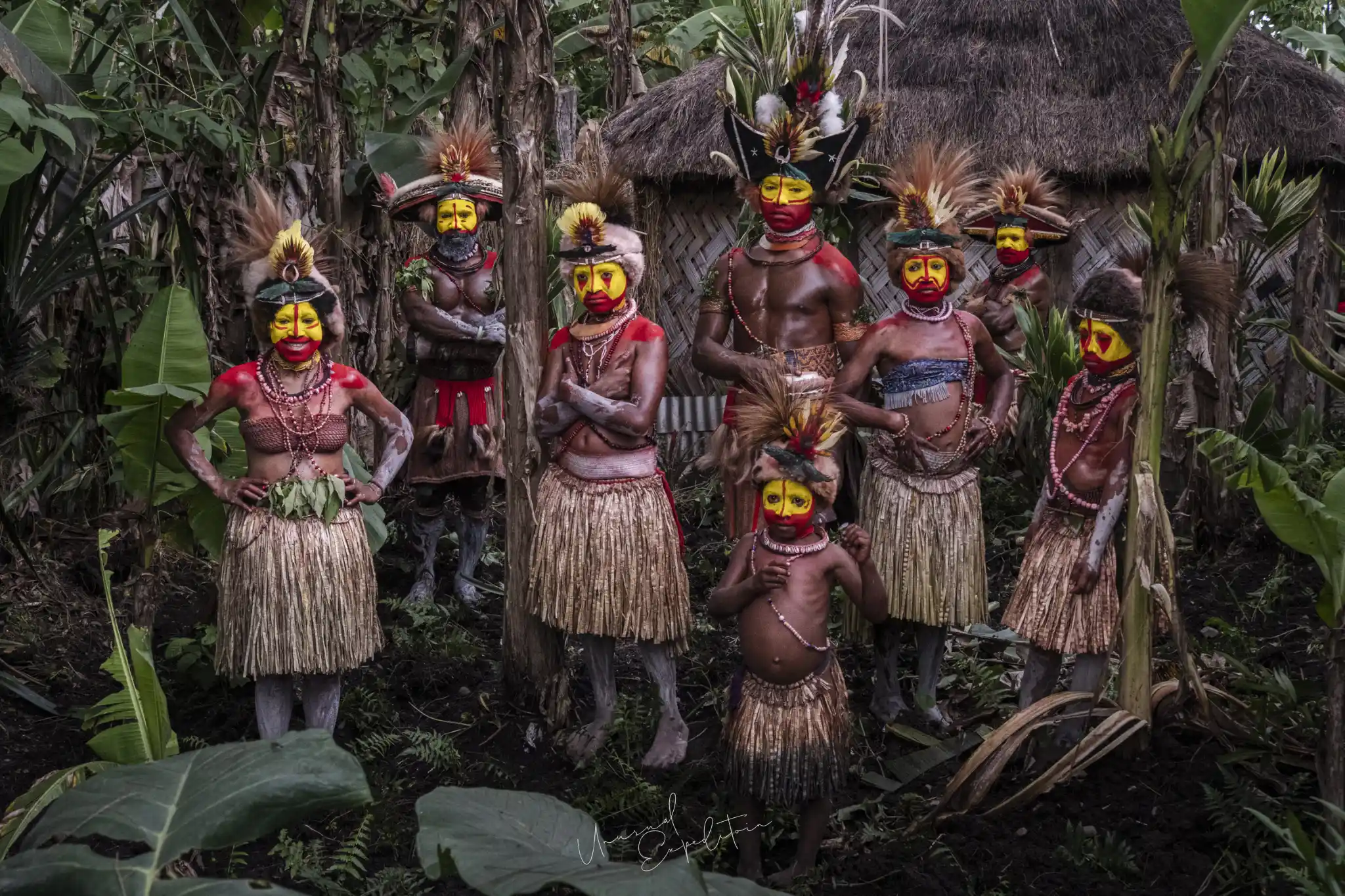
A Papua New Guinea photography tour is a trip into the Highlands to photograph people in the full dress of the sing-sing: Huli wigmen in yellow and red face paint, Asaro mudmen in clay masks, Chimbu skeleton dancers, highland women under towers of feathers, and the birds-of-paradise whose plumes those headdresses borrow. We have taken photographers there twice. Below: what Papua New Guinea photos are really made of, when to go, how it works from Singapore, and where our Papua New Guinea Highlands guide takes it further.
Papua New Guinea photography: what you actually photograph
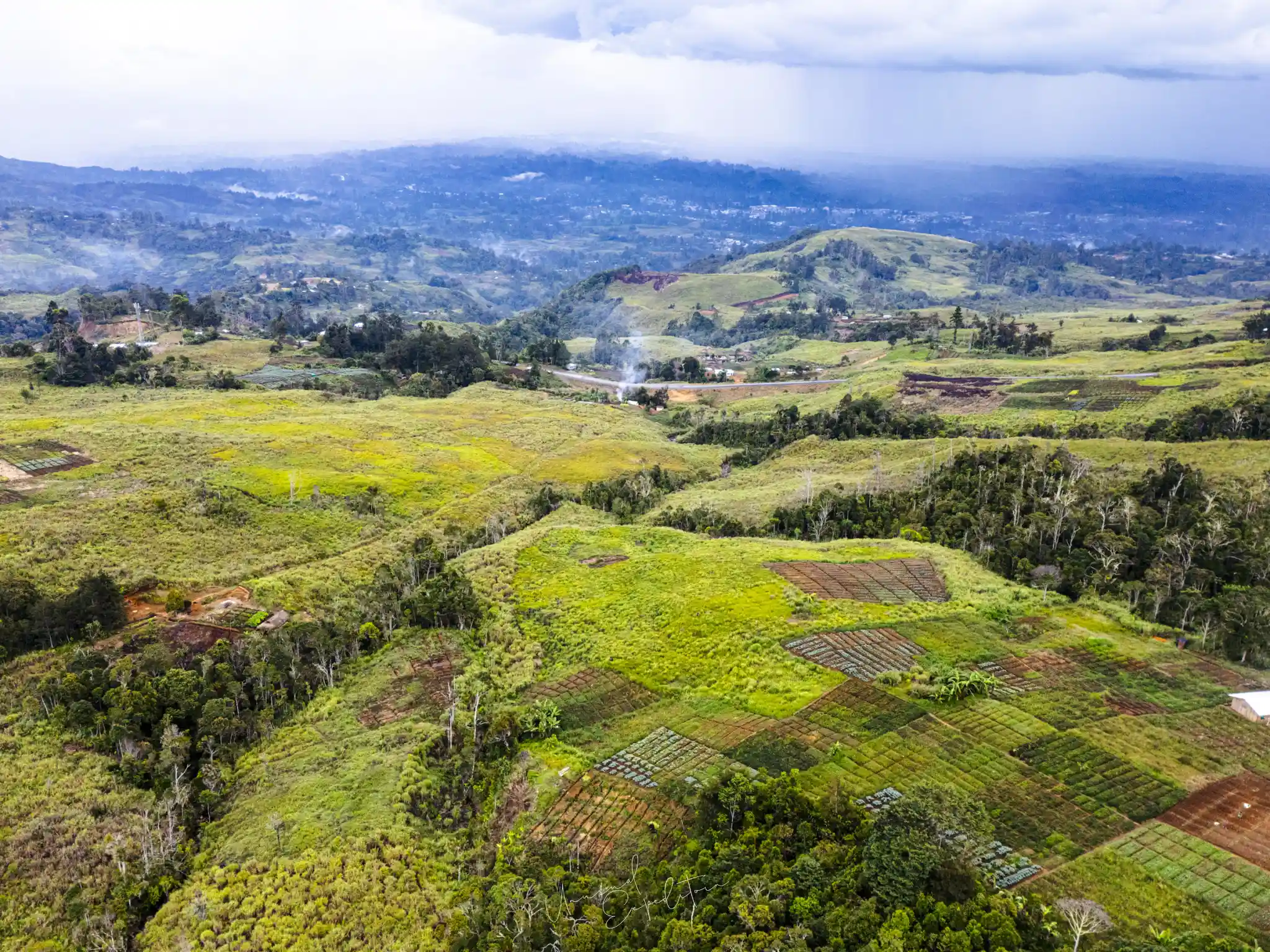
Papua New Guinea has more than 800 languages and hundreds of distinct cultural groups, but the pictures most photographers come for are concentrated in the central Highlands, the long chain of mountain valleys, most of them above 1,500 metres, that runs through Hela, Enga, the Western Highlands, Simbu and the Eastern Highlands. Here villages still dress for the sing-sing, the gathering of song and dance that marks a celebration, a peace or a show. Each group has its own face paint, wig, mask or body paint, and each one is a portrait subject in its own right.
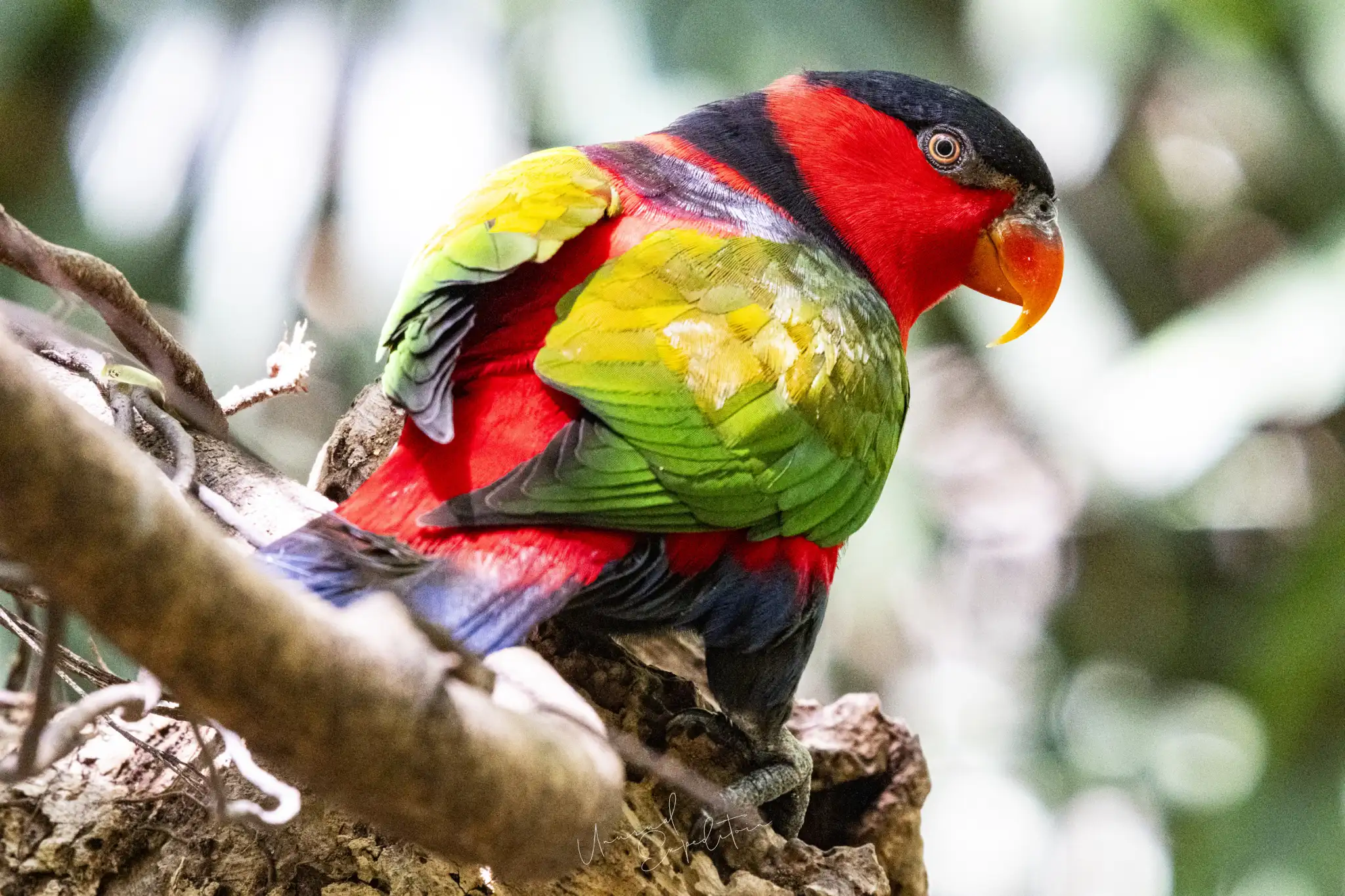
The other half of Papua New Guinea photography is the forest. The same montane forest that surrounds the villages is home to birds-of-paradise, lories, parrots and honeyeaters, and an early morning at a forest feeder or a display tree can be as rewarding as a morning of portraits. Most of our time is split between the two.
Papua New Guinea photos of people: the Highlands groups
Four groups appear in almost every Papua New Guinea photos collection, and we photograph all four.
- Huli wigmen from Hela Province, with their woven human-hair wigs, yellow and red face paint and aprons of leaves. Our Huli wigmen photos article covers the wig schools and how to photograph them.
- Asaro mudmen from the Asaro Valley near Goroka, grey with river clay, wearing heavy masks and long bamboo fingers. See Asaro mudmen photos.
- Chimbu skeleton dancers from Simbu Province, black body paint with white bones. See skeleton tribe Papua New Guinea.
- Highland women in red and white face paint, shell necklaces, crescent kina-shell breastplates and headdresses of cassowary and bird-of-paradise feathers.
These are not street photographs. The dress takes hours to put on, and the people who wear it are performers who expect to be photographed and to be paid for their time through a village fee. That arrangement is what makes the pictures possible, and it is also what makes them respectful: everybody knows why you are there.
Papua New Guinea photo tour: how a village session works
On a Papua New Guinea photo tour the core of each day is a session arranged with a village through a local guide. The group dresses, often while you watch, and then performs or poses in their own gardens, forest edges and streams. You can ask for a man to stand among the banana leaves, for three women to step into the shade where the background goes dark, or for a dancer to move through a shaft of sun. The best sessions feel like a conversation: someone in the group usually has strong ideas about how they should be shown.
The face painting itself is a subject. Huli men paint with yellow ochre and red pigment using a small mirror and a stick, and those preparation frames are often more intimate than the finished portrait.
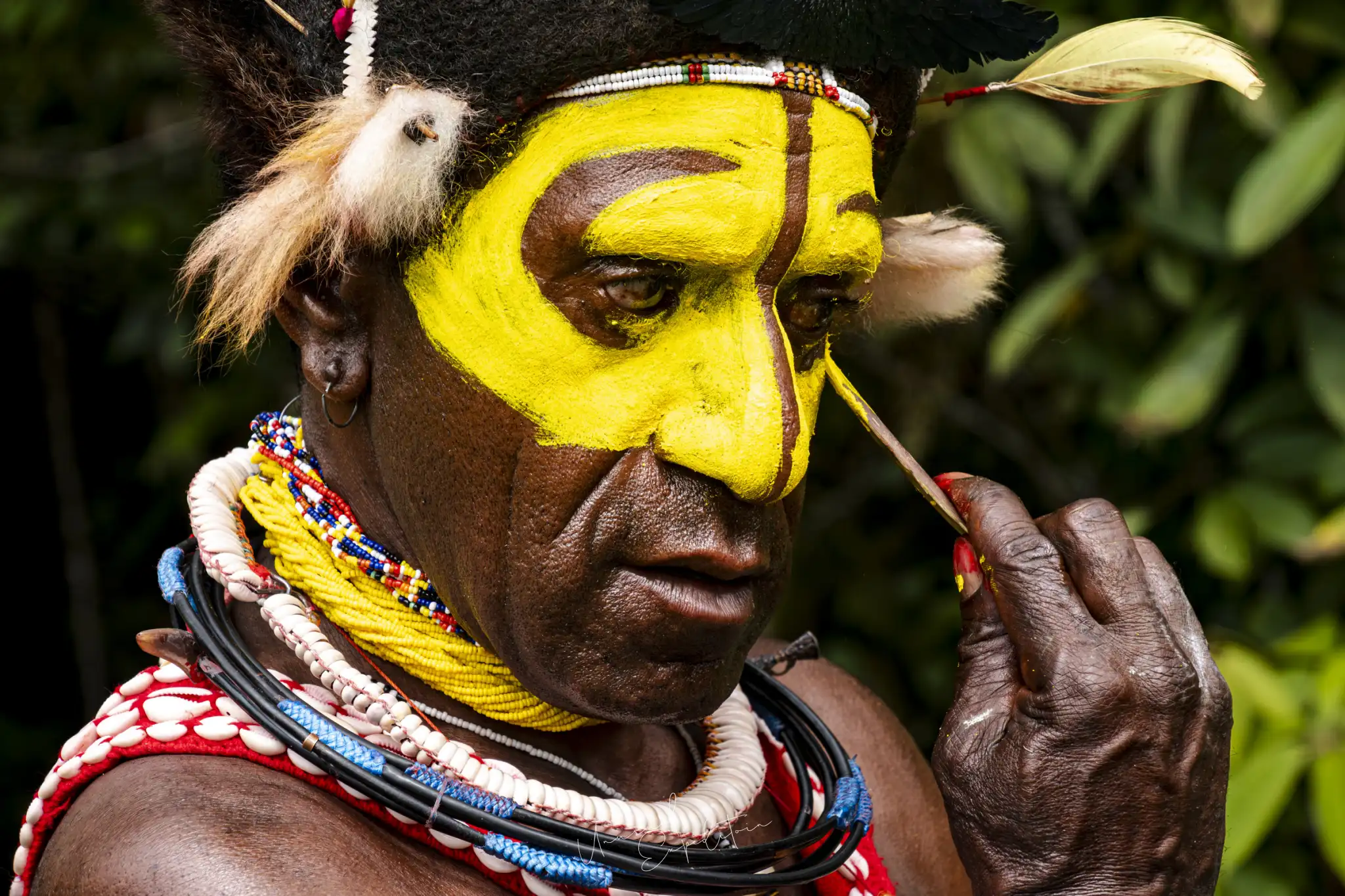
"In Papua New Guinea I stop thinking about the camera after the first morning. Someone has spent two hours painting his face for you. The job is to slow down, find him a clean background and let him decide how he wants to stand."
Joseph Mak, tour leader, Unusual Expedition
Papua New Guinea pictures nature: forests and birds
Papua New Guinea pictures nature at its most unusual. The Cornell Lab of Ornithology's Birds-of-Paradise Project, led by Tim Laman and Edwin Scholes, set out to photograph all 39 species then recognised, and most of them live only on the island of New Guinea. In the Highlands montane forest you can photograph the Ribbon-tailed astrapia with its long white tail ribbons, the Blue bird-of-paradise hanging upside down in display, and the Superb bird-of-paradise with its blue-green breast shield, alongside lories, tiger parrots and flying foxes. Our birds of paradise Papua New Guinea guide covers where and how.
When to go on a Papua New Guinea photography tour
The Highlands dry season, roughly May to October, is the usual window. Rain still comes in the Highlands in any month, but roads, village grounds and forest trails are easier, and the two big cultural shows fall in it: the Mount Hagen Show in August and the Goroka Show in September, around Independence Day. Our own trips have run in early September and around the turn of September into October. The full month-by-month picture is in best time to visit Papua New Guinea.
Papua New Guinea photography tour from Singapore
Singapore is one of the easiest places in Asia to start from: Air Niugini flies nonstop between Singapore and Port Moresby, and domestic flights connect Port Moresby with the Highland airports at Mount Hagen and Goroka. Singapore passport holders need a Papua New Guinea visa arranged before travel. Our Papua New Guinea tour from Singapore article covers flights, the visa, money and safety in detail.
Is a Papua New Guinea photography tour safe?
Papua New Guinea has a reputation, and parts of it are earned: crime in the larger towns and occasional tribal conflict in some Highland districts are real, and governments including Canada and the United States advise caution. Photography trips work because nothing is improvised. We travel with local guides and private vehicles, village visits are arranged in advance with the community, and we do not wander towns after dark. The Singapore Ministry of Foreign Affairs asks travellers to eRegister before they go; we ask the same.
What camera gear works in Papua New Guinea
| Subject | Lens | Why |
|---|---|---|
| Sing-sing portraits | 24-70mm | Environmental portraits with garden or forest around the subject |
| Headshots and face paint | 70-200mm or a short telephoto | Tight frames without crowding the person |
| Groups in dark forest | 16-35mm, a reflector or small flash | Groups of three to ten in deep shade |
| Birds-of-paradise | 150-600mm or 100-400mm | Birds high in the canopy or at a feeder |
| Valley landscapes | A small drone where permitted | Gardens, cloud and ridges from above |
Most frames are made in shade under a bright sky, so a lens that is sharp wide open matters more than an extra zoom.
Explore Papua New Guinea in depth
- Papua New Guinea Highlands photography guide
- Huli wigmen photos
- Asaro mudmen photos
- Skeleton tribe Papua New Guinea: the Chimbu skeleton dancers
- Birds of paradise Papua New Guinea
- Best time to visit Papua New Guinea for photography
- Papua New Guinea tour from Singapore
Photograph Papua New Guinea with us
We run Papua New Guinea as a private photography trip for small groups, built around the Highlands villages and the forest birds. Scheduled departures are announced on our Papua New Guinea photography tours page; if you would like a trip of your own, write to us and tell us what you want to photograph.
Papua New Guinea photography tours
The next Papua New Guinea departure is announced on the Papua New Guinea photography tours page, with previous expeditions and all the planning guides.
Explore Papua New Guinea in depth
- Papua New Guinea Tour from Singapore: Flights, Visa and SafetyPapua New Guinea
- Best Time to Visit Papua New Guinea for PhotographyPapua New Guinea
Upcoming Photo Tours
- Egypt Photo Tour – EgyptEgypt 12 Dec 2026 To 20 Dec 2026
- Inner Mongolia Winter Owl Photo Tour – ChinaChina 01 Jan 2027 To 04 Jan 2027
- Inner Mongolia Winter Photo Tour – ChinaChina 05 Jan 2027 To 11 Jan 2027
- Mekong And Central Highland Vietnam Photo Tour - VietnamVietnam 16 Jan 2027 To 24 Jan 2027