
Belo sur Mer Beach and Lagoon from the Air: Tides, Sand Bars and Drone Rules
Belo sur Mer beach and lagoon from above: tides, sand bars, channels and dhows at low tide, aerial light and Madagascar drone rules.
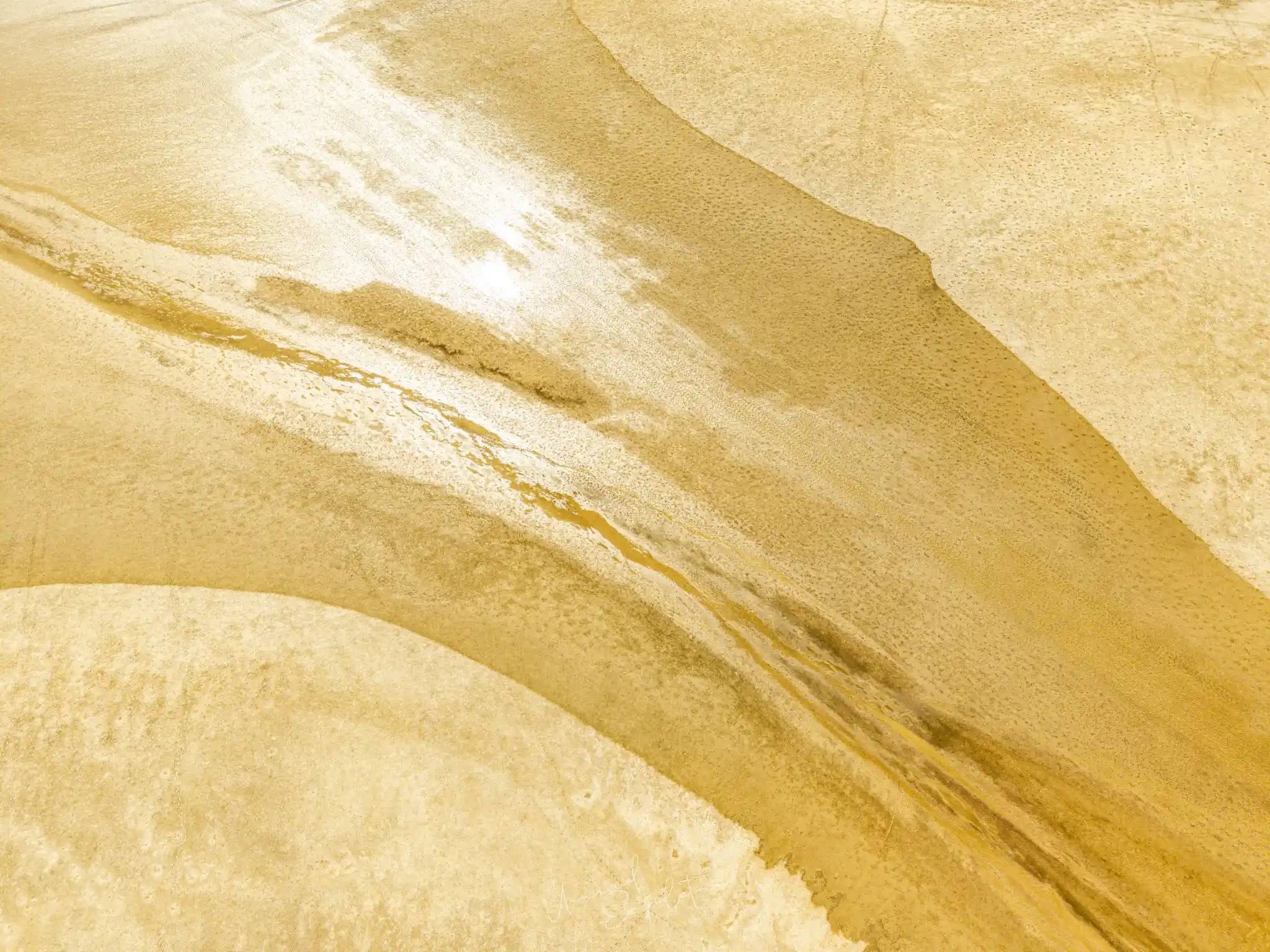
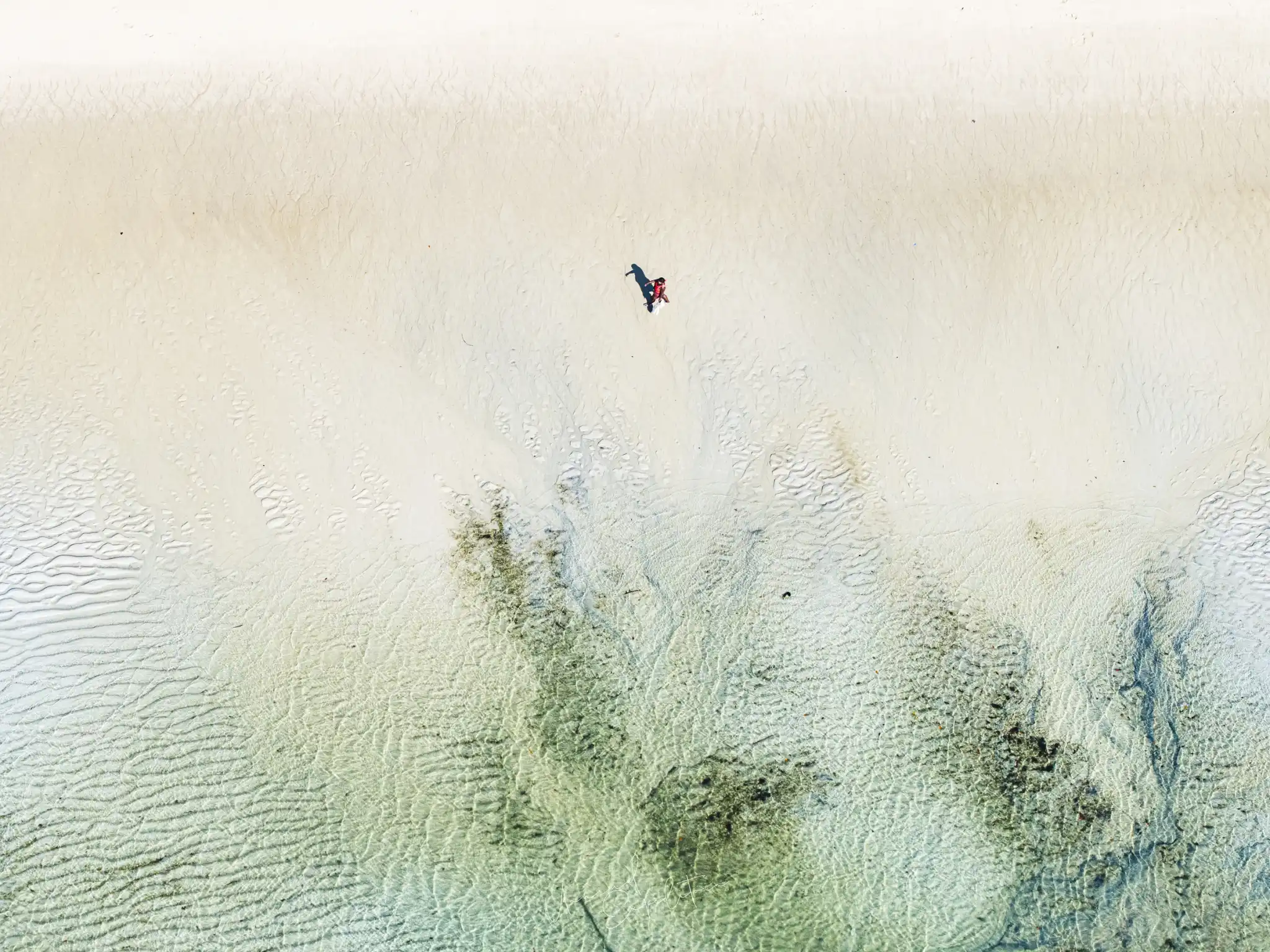
Belo sur Mer beach and its lagoon look completely different from the air: at low tide the shallows behind the sand spit drain into channels of turquoise, green and gold, ridged sand bars and dark tidal flats, with a single pirogue or a walking figure for scale. The best aerial frames come at low water in soft morning or late afternoon light, and flying a drone in Madagascar means following the rules of the Aviation Civile de Madagascar (ACM), which have been changing.
For the village as a whole, start with our Belo sur Mer photography tour guide. This page is about the beach, the lagoon and the sand bars, and how to photograph them from above and from the ground.
Belo sur Mer beach: how the coast is shaped
Belo sur Mer beach runs along a sand spit with the open Mozambique Channel on the seaward side and a shallow lagoon on the landward side. Mangroves fringe the southern end, the village sits on the spit among coconut palms, and the dhow yard faces the lagoon. Channels cut through the sand where the tide flows in and out. From the ground this is a flat, bright place where the horizon is a line of palms; from a few dozen metres up it becomes a map of water and sand that changes every hour as the tide moves. That change is the whole subject of aerial photography here.
The tide decides the picture
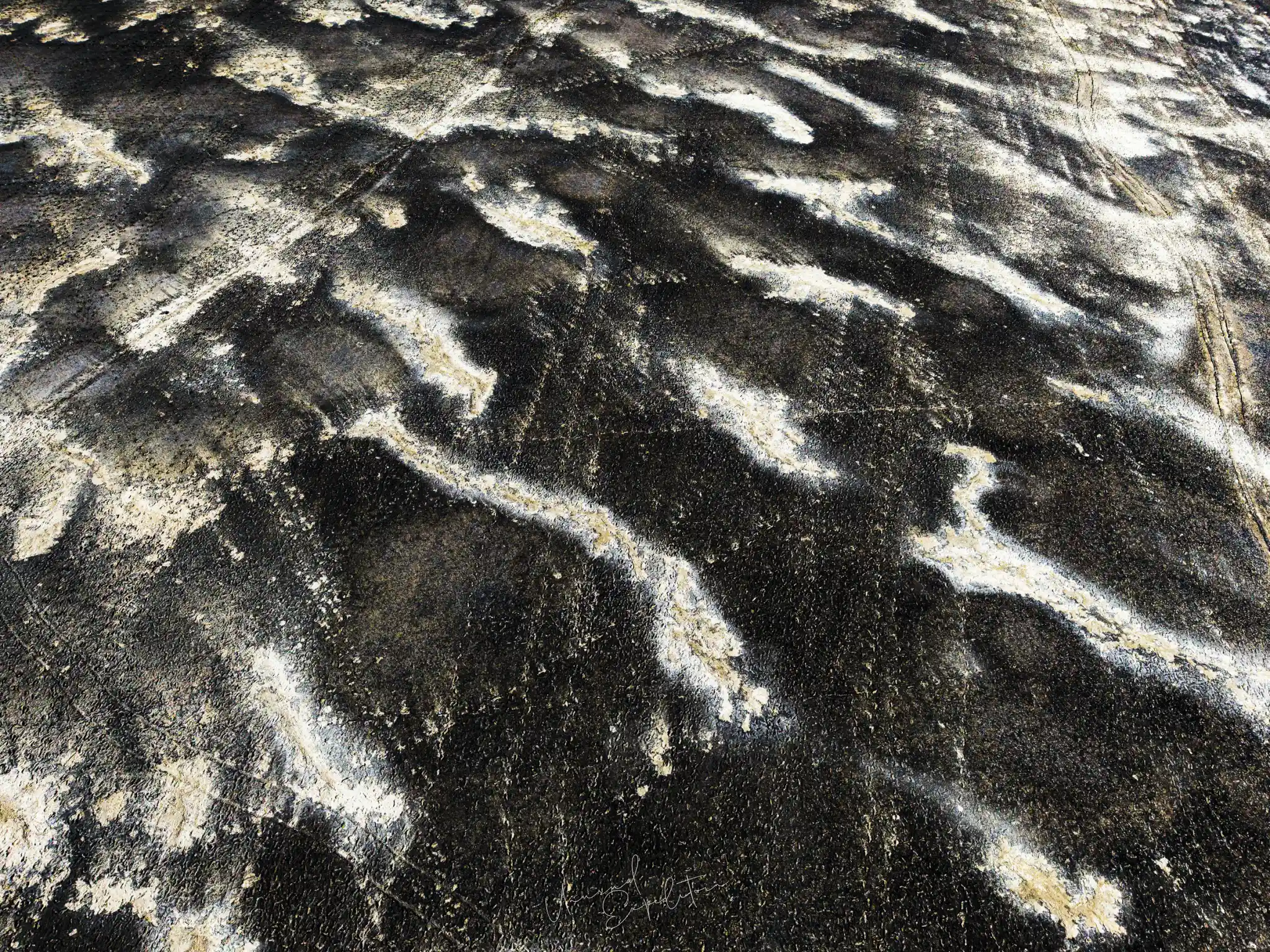
The Belo sur Mer lagoon is shallow, so the tide changes it more than the time of day does. At high water the channels merge into one sheet and the sand bars disappear; at low water they separate again into ribbons of colour. Tide tables for nearby Morondava, published by services such as Tide-Forecast, show a large difference between spring and neap tides on this coast, and spring low tides expose the most sand. Check the table for your dates before you plan the flight, and ask your lodge, because the timing inside the lagoon may differ from the open coast. A low tide that falls in good light is worth more than any other planning decision here.
Belo sur Mer photos from above: what to look for
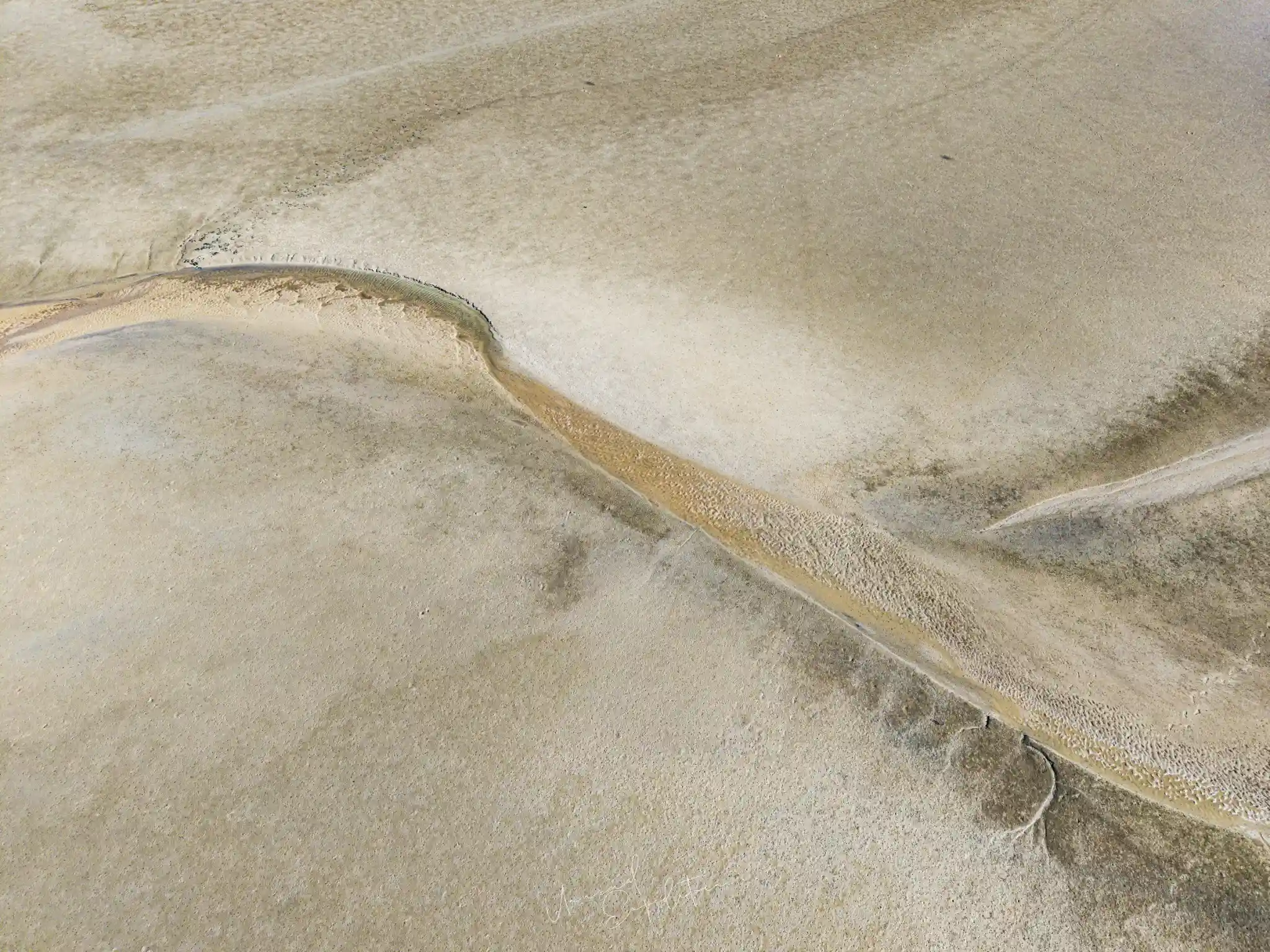
Three kinds of aerial picture work at Belo sur Mer. The first is the abstract: shoot straight down on the flats and the sand bars and let the patterns fill the frame, gold sand cut by a thin channel, dark mud streaked with pale sand, a ridge of sand curving across grey water. The second is scale: the same abstract with a single person walking or a pirogue crossing, small enough to look lost in it. The third is context: a higher, oblique view that shows the village, the palms, the dhows lying in the channels and the lagoon behind. A good session gets all three before the light goes hard.
Belo sur Mer plage at low tide: the flats and the boats
When the water drops, the flats at Belo sur Mer plage are left covered in ripples and a thin film of water, and from a low height straight down they read as pure texture. The dhows anchored off the village settle on the sand in the channels and lean at angles, painted hulls bright against the pale flats. From the air you can line them up with the curve of the channel and the village behind. From the ground the same scene works at a low angle with a 16-35mm, the hull filling the foreground and the palms beyond. Walk carefully: the sand near the channels is soft, and the water returns faster than it seems. The yard where these boats are made is covered in Belo sur Mer and the dhow builders.
Light for aerial work over the lagoon
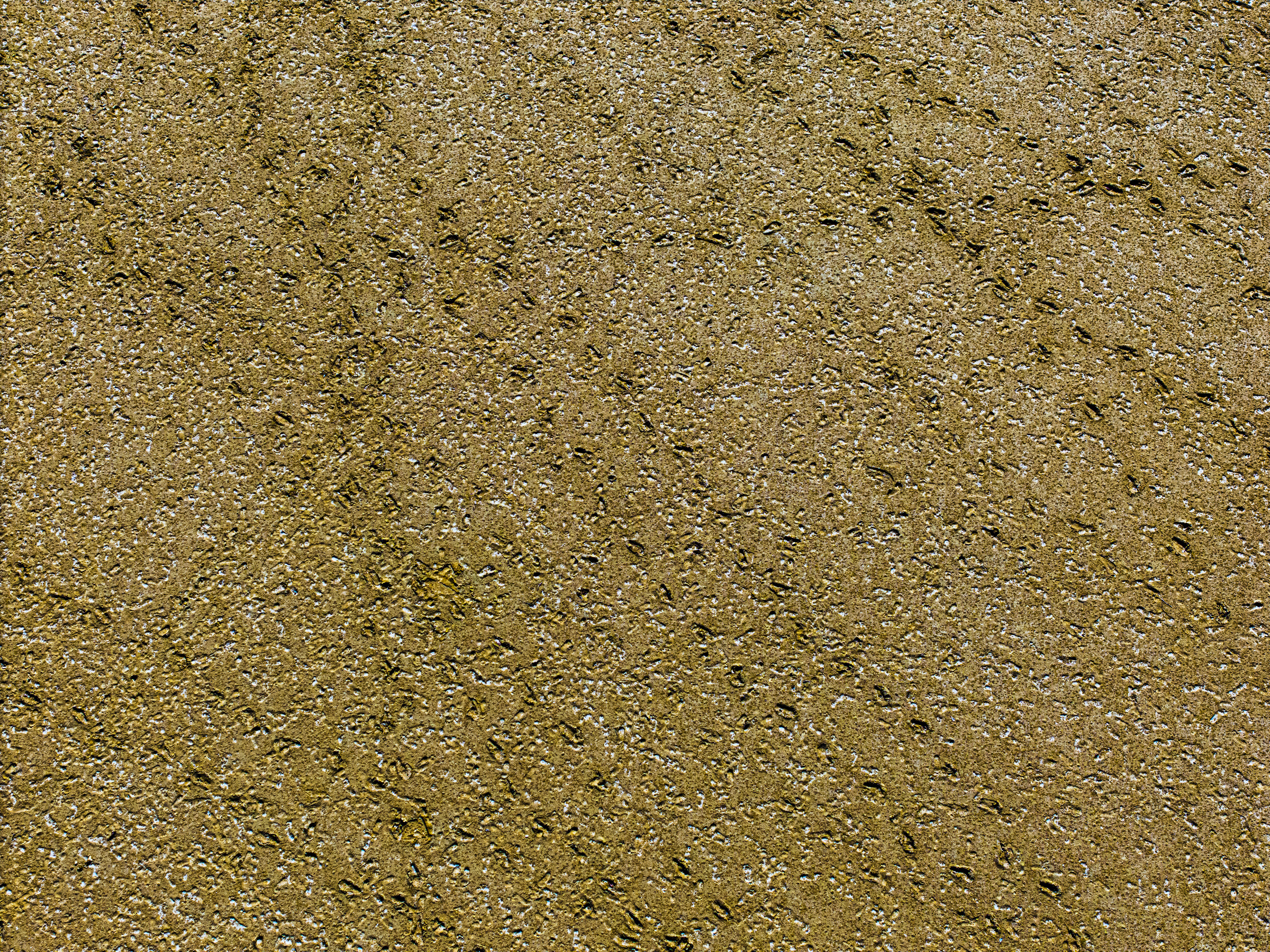
The lagoon faces east, so morning light rakes across the sand bars and shows every ripple, while late afternoon light comes from the sea side and warms the sand to gold. The middle of the day is good for one thing only: looking straight down into clear water, where the high sun lights the bottom and kills reflections. For everything else, fly early or late. A polariser on the drone camera cuts the glare on wet sand and deepens the turquoise, but check it at the edge of the frame, where wide lenses can darken the sky unevenly.
Madagascar drone rules: what we know
The Aviation Civile de Madagascar regulates drones. In April 2024 the Malagasy news site Newsmada reported the ACM's position that small personal drones under 250 grams fall into an open category without authorisation, while heavier drones need authorisation from the ACM, and that the aviation regulation known as RAM 10000 would apply from February 2025. Travellers have also reported drones being held at customs on arrival. The rules and their enforcement have shifted over the past few years, so check with the civil aviation authority before you travel, carry the paperwork for any authorisation, and never fly over crowds, the airport at Morondava or people who have not agreed to it.
The first time I flew over the lagoon I thought I had the wrong settings, because the screen looked like a painting. It is just sand and water. Fly at low tide, keep the camera pointing straight down, and wait for someone to walk into the frame.
Joseph Mak, tour leader, Unusual Expedition
Belo sur Mer beach from the ground
You do not need a drone to photograph Belo sur Mer beach well. At first light the lagoon is still and the anchored dhows are doubled in it. At low tide people walk out across the flats to collect shellfish and check nets, and a 70-200mm from the shore compresses them against the channels. At the end of the day the village gathers on the beach for the boats, the subject of Belo sur Mer photos: where to shoot. The people of the beach are the subject of The Vezo people of Belo sur Mer.
Aerial and ground options at a glance
| Subject | Tide | Light | Tool |
|---|---|---|---|
| Sand and channel abstracts | Low, ideally spring low | Morning or late afternoon | Drone, camera straight down |
| Dhows lying in the channel | Low | Morning | Drone oblique, or 16-35mm on the ground |
| Village, palms and lagoon | Any | Late afternoon | Drone at height |
| Clear water and pirogues | Rising or high | Around midday | Drone straight down |
| Reflections of anchored dhows | High, calm | First light | 24-70mm |
Almost every row depends on the tide first and the light second.
Sand, salt and your equipment
Fine sand and salt spray are the enemies of a drone on this beach. Take off and land from a cloth or a landing pad, never bare sand, and keep the propellers clear of the ground when you start them. Wipe the gimbal and the lens after each flight, and give the motors a blow with a rubber blower in the evening. Wind on the west coast tends to rise in the afternoon, so the calmest flying is often in the morning. For what else to pack, see what to pack for a Madagascar photo tour.
See the lagoon with us
We spend time in Belo sur Mer on our Madagascar photo tour, timed around the light and the tide. Dates, the fare and every guide to the country are on our Madagascar photography tours page.
Join the Belo sur Mer photography tour
Madagascar Photo Tour – Madagascar departs 11 Apr 2027 To 19 Apr 2027, led by Joseph Mak. Small group, photography first. All Belo sur Mer photography tours.
Explore Belo sur Mer in depth
- Belo sur Mer, Madagascar: The Photography Tour Guide to the Vezo Dhow VillageMadagascar
- The Vezo People of Belo sur Mer: Photographing a Fishing CommunityMadagascar
- Belo sur Mer Photos: Where to Shoot, the Beach and the WeatherMadagascar
- Belo sur Mer and the Dhow Builders of the Vezo CoastMadagascar
Upcoming Photo Tours
- Egypt Photo Tour – EgyptEgypt 12 Dec 2026 To 20 Dec 2026
- Inner Mongolia Winter Owl Photo Tour – ChinaChina 01 Jan 2027 To 04 Jan 2027
- Inner Mongolia Winter Photo Tour – ChinaChina 05 Jan 2027 To 11 Jan 2027
- Mekong And Central Highland Vietnam Photo Tour - VietnamVietnam 16 Jan 2027 To 24 Jan 2027