
Best Time to Visit Ngorongoro Crater for Photography
Best time to visit Ngorongoro Crater: dry and green seasons, crater weather by month, July, flamingos and the best time of day.
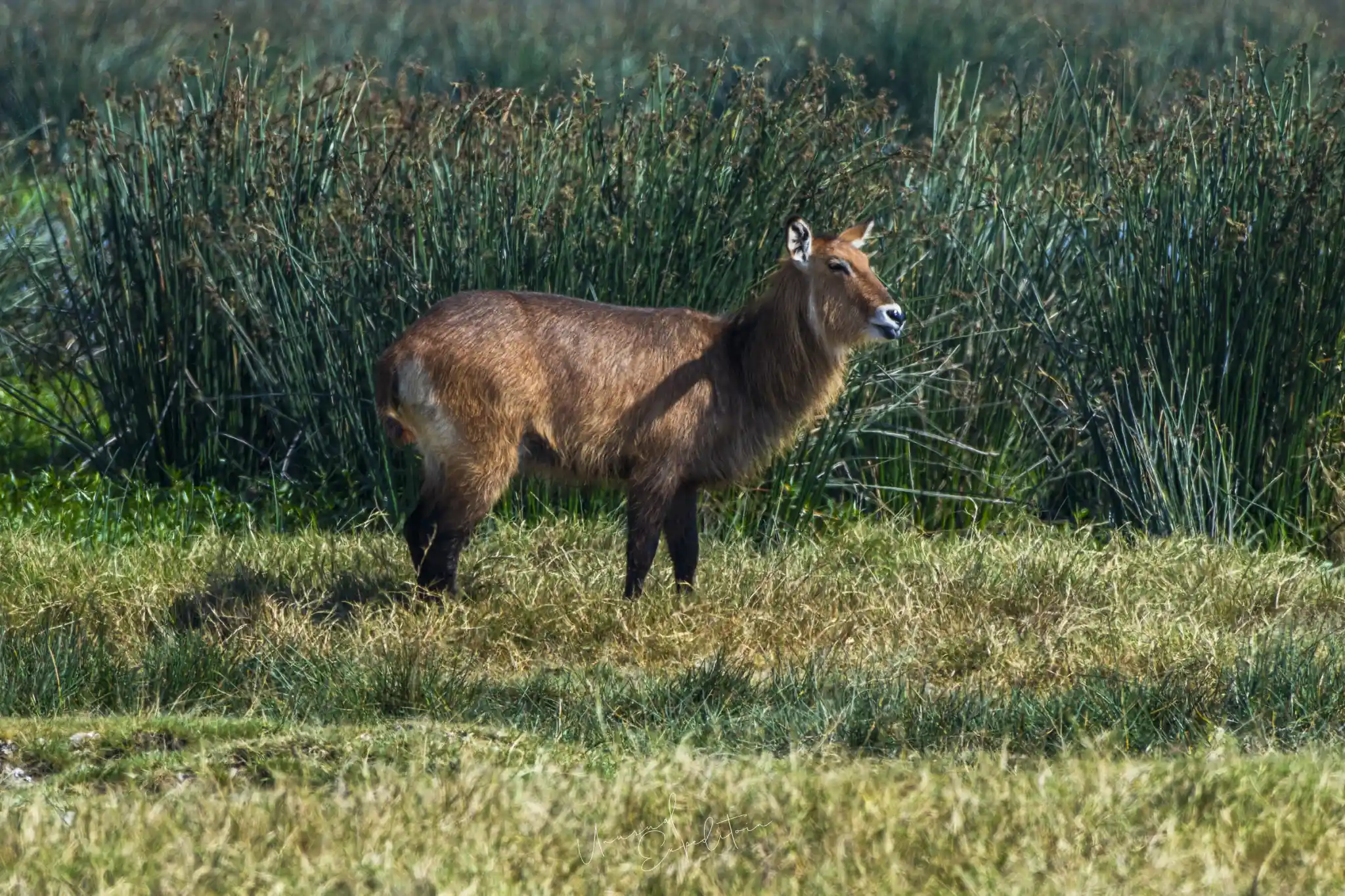
The best time to visit Ngorongoro Crater for photography is the long dry season, roughly June to October, when the grass on the floor is short and golden, the animals gather around the marshes and pools, and the rim is cool and clear in the early morning. The crater is good in every month, because its wildlife does not migrate. The green season from about November to March brings fresh grass, big skies and the wildebeest calving next door at Ndutu, with some rain and muddier tracks.
This guide is part of our Ngorongoro photography tour guide. Below are the seasons, the weather on the rim and the floor, and what each part of the year gives you in pictures.
Best time to visit Ngorongoro Crater: dry or green season
The best time to visit Ngorongoro Crater depends on what you want in the frame. For black rhino and clean animal portraits on short golden grass, choose the dry months. For green landscapes, storm light and the calving season on the southern plains of the conservation area, choose January to March. The months to approach with care are the long rains, roughly April and May, when showers are heavy and some camps close. Because the crater's animals stay put all year, the choice is about light, grass and crowds more than about whether the wildlife is there.
Ngorongoro crater weather through the year
Ngorongoro crater weather is two climates in one place. The rim stands high in the highlands and is often cold, damp and cloudy in the early morning, especially in the dry season, when a warm jacket is the first thing you reach for. The floor is several hundred metres lower and warms up quickly once the sun is on it, so a fleece at dawn becomes a shirt by late morning. Rain follows the pattern of northern Tanzania: long rains roughly from March or April to May, a shorter wet spell around November and December, and dry weather from about June to October. Showers tend to come in bursts, which can give beautiful broken light over the wall.
| Months | Season | On the crater floor | For photography |
|---|---|---|---|
| January to February | Short dry spell in the green season | Green grass, flowers, calving on the plains next door | Clear mornings, strong colour, fewer vehicles than the peak |
| March | Turning wet | Green, puddles on the tracks | Storm skies, softer light |
| April to May | Long rains | Lush, some tracks muddy | Quietest months, heavy showers, some camps closed |
| June to August | Cool dry season | Grass drying to gold, animals near water | Clean backgrounds, cold rim mornings, busiest crater |
| September to October | Late dry season | Short golden grass, dust | Haze builds by midday, dust baths and warm light |
| November to December | Short rains | Greening again | Dramatic clouds, showers in bursts |
For our kind of picture the gold of the dry season wins, with the January and February green as a close second.
Ngorongoro crater in July and the dry season
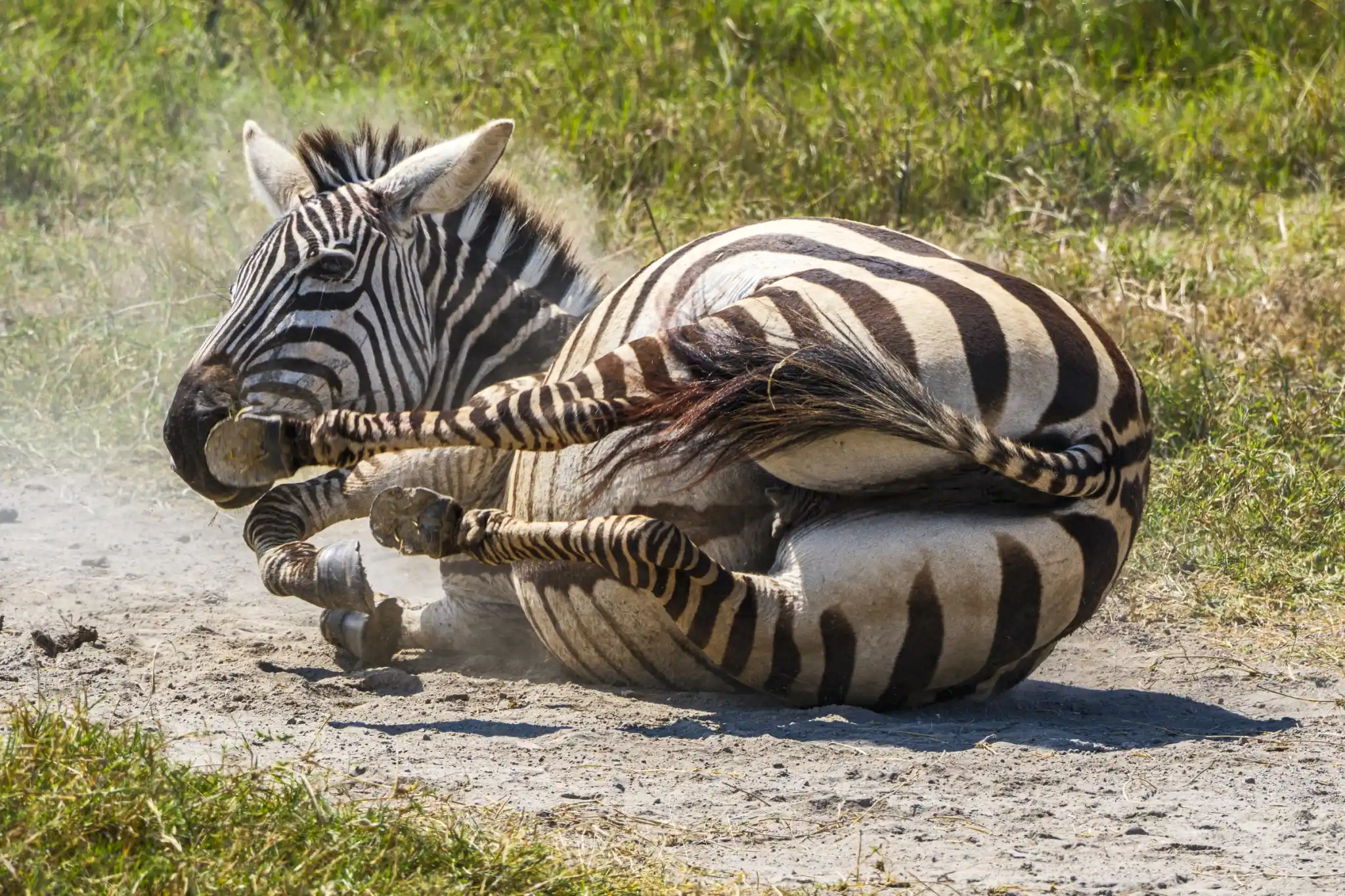
Ngorongoro Crater in July is the classic visit: dry, clear on the floor once the morning cloud lifts, and busy. The grass has dried to gold, the marshes and spring-fed pools hold the buffalo, waterbuck and hippos, and zebras roll in the dust of the tracks. It is also the season when the Serengeti herds are in the north of the park, so many trips combine the Mara River and the crater, which is what our scheduled tour does. The price of the dry season is company: vehicles bunch at rhino and lion sightings, and the rule of five vehicles per animal means some waiting. Arrive at the descent gate as it opens and the first hours on the floor are quiet.
The green season and calving on the southern plains
In the green season the conservation area turns green, and from about December to March the wildebeest herds come down to the short-grass plains around Ndutu, on its south-western edge, to give birth. Tanzania Daily News describes the calving there as running from late January to March. That is a separate trip from the crater floor, with its own light and its own frames, which we cover in the Ndutu photography tour guide. In the crater itself, green season means fresh grass, flowers, newborn animals among the residents and big cloud over the rim, with the odd muddy track. Our Ngorongoro crater animals guide notes which species stay the same through the year.
Ngorongoro crater flamingo season
The Ngorongoro crater flamingo season is not a fixed date. The flamingos on Lake Magadi, the soda lake on the floor, come and go with the water level and the algae they feed on, and their numbers change from year to year. In very dry spells the lake shrinks and the birds may leave; after rain they can return in good numbers. Ask your guide on the day before you build a picture around them. The large breeding colonies of lesser flamingos in the region are at Lake Natron, outside the conservation area to the north-east, which has its own season and its own access questions; we cover them in Lake Natron photos.
Best time of day on the crater floor
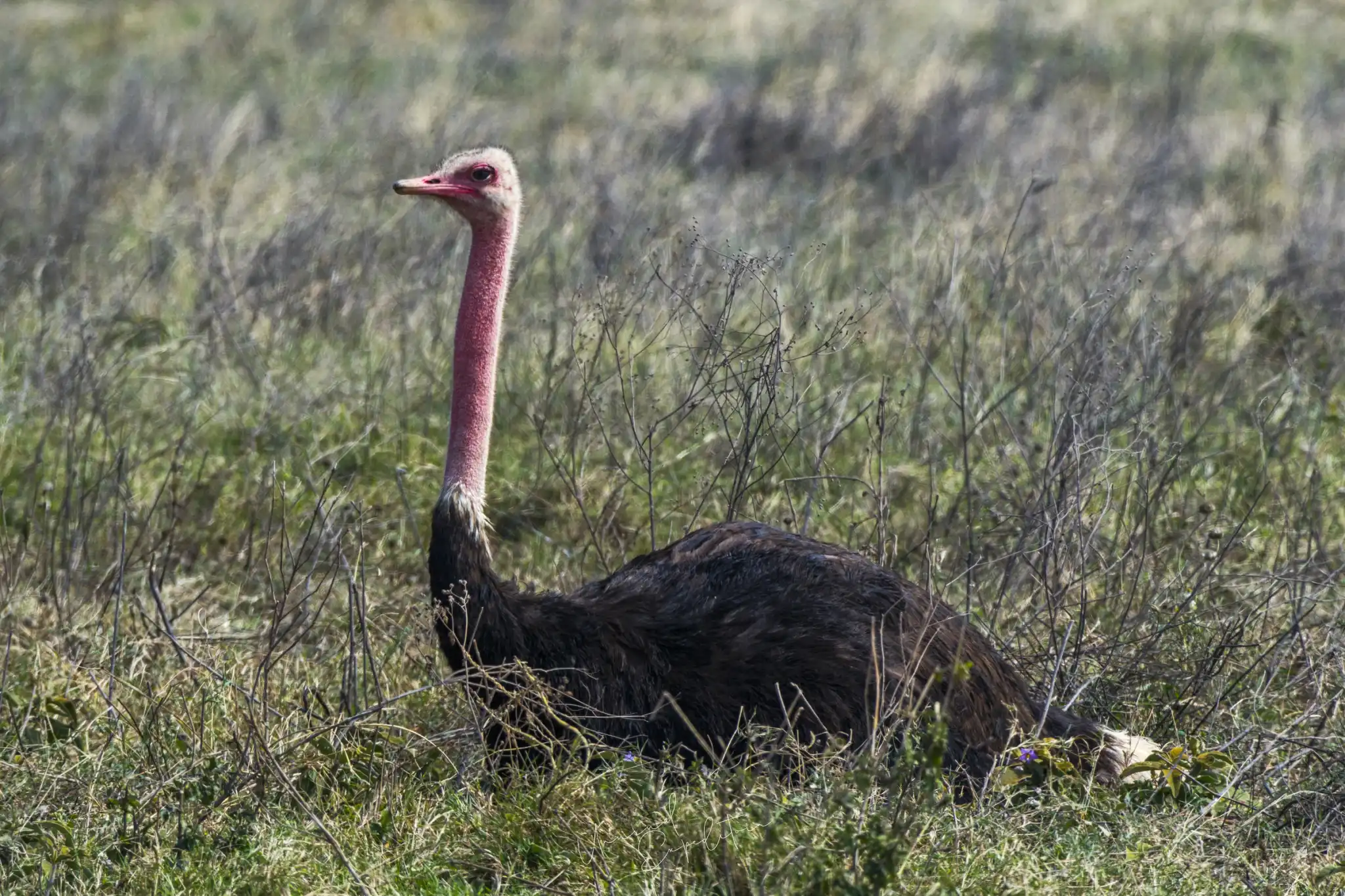
The best time of day on the Ngorongoro crater floor matters as much as the month. The Ngorongoro Conservation Area Authority opens the gates from six in the morning and requires vehicles out by six in the evening, with the Seneto descent road closing earlier in the afternoon. The first light on the floor is the best of the day: low, warm and free of haze, with the wall sharp behind the animals. By late morning the basin heats up, the air shimmers and distant subjects soften. We spend the middle of the day on close subjects in the marshes and keep the last light for the grassland.
"I would take a dry season morning in the crater over almost anything in the green season, except for one thing: the skies. A storm building over the rim in March is the one picture the dry months will never give you."
Joseph Mak, tour leader, Unusual Expedition
Plan your Ngorongoro season with us
Our scheduled Tanzania trip runs in the dry season and crosses the Ngorongoro highlands after the Mara River; see the Tanzania photography tours page for dates and the current fare. For a green season crater trip or a dry season day on the floor at your own pace, we arrange a private trip; ask at least two months ahead.
Ask us about the best time for Ngorongoro
Join the Ngorongoro photography tour
Serengeti Photo Tour – Tanzania 2027 departs 21 Aug 2027 To 01 Sep 2027. Small group, photography first. All Ngorongoro photography tours.
Explore Ngorongoro in depth
- Ngorongoro Crater Photography: The Complete GuideTanzania
- Ngorongoro Photography FAQ: Fees, Opening Hours and Crater RulesTanzania
- Ngorongoro Crater vs Serengeti: Which to Photograph, and Is the Crater Worth ItTanzania
- Ngorongoro Crater Photos: What the Crater Really Looks LikeTanzania
- Ngorongoro Crater Animals: Black Rhino, Buffalo, Hyena and the RestTanzania
- Maasai Village Ngorongoro: Visiting and Photographing with RespectTanzania
- Lake Natron Photos: The Soda Lake and Ol Doinyo LengaiTanzania
Upcoming Photo Tours
- Egypt Photo Tour – EgyptEgypt 12 Dec 2026 To 20 Dec 2026
- Inner Mongolia Winter Owl Photo Tour – ChinaChina 01 Jan 2027 To 04 Jan 2027
- Inner Mongolia Winter Photo Tour – ChinaChina 05 Jan 2027 To 11 Jan 2027
- Mekong And Central Highland Vietnam Photo Tour - VietnamVietnam 16 Jan 2027 To 24 Jan 2027