
Ngorongoro Crater Photography: The Complete Guide
Ngorongoro crater photography: black rhino, the marsh, light on the floor, Maasai bomas, Lake Natron and how we run a crater safari.
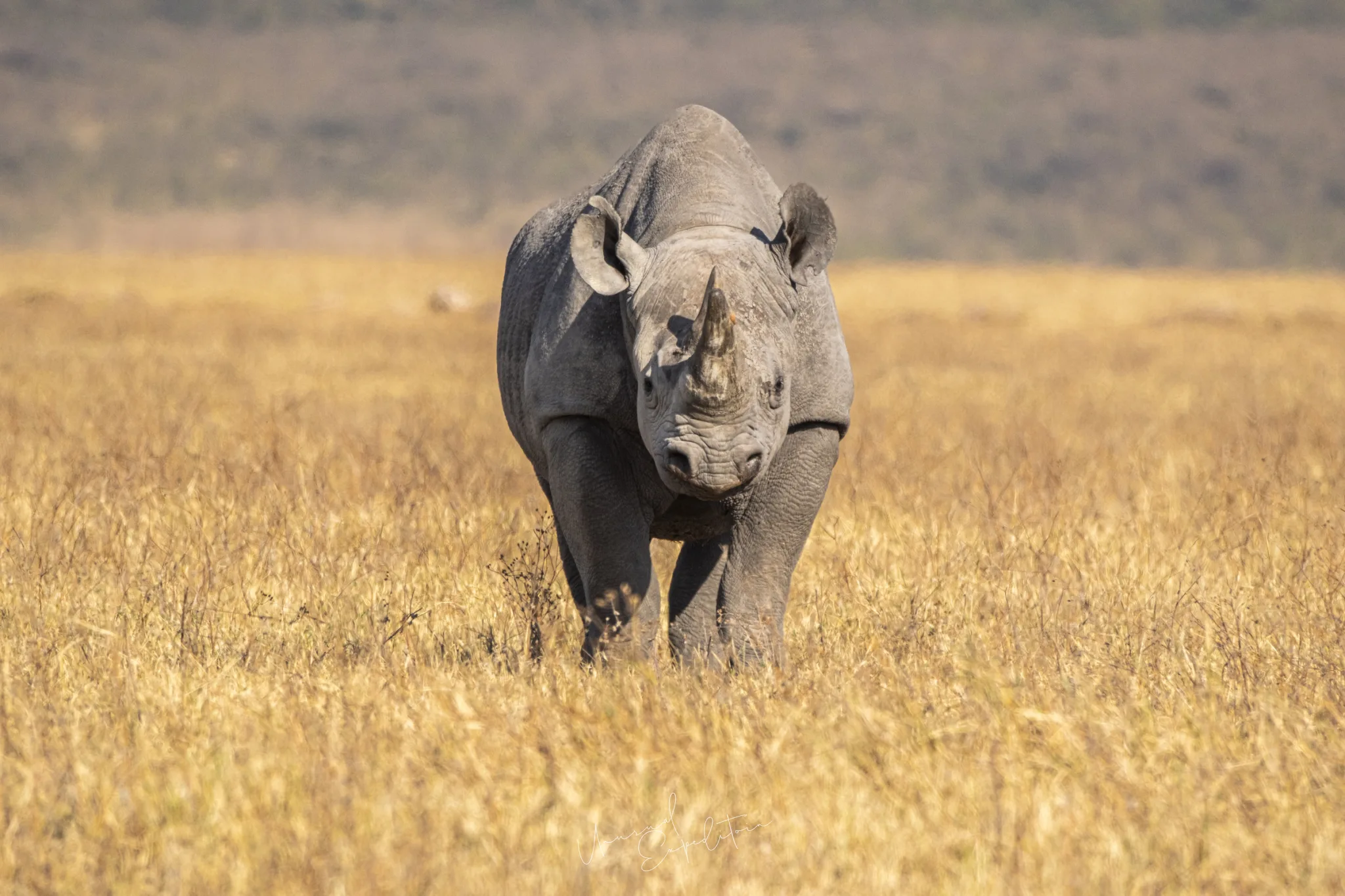
Ngorongoro crater photography is wildlife photography inside a collapsed volcano: black rhino, buffalo, zebras, hyenas and crowned cranes on one open floor, with the crater wall standing behind almost every frame. The animals stay in the bowl all year, so the crater rewards a single well-planned day more than any other park in northern Tanzania. Add the Maasai bomas of the surrounding highlands and Lake Natron beyond them, and the Ngorongoro area becomes a complete short chapter of a Tanzania photography trip.
This is the area guide for the crater and its highlands. For entry rules, money, flights and safety across the country, read our Tanzania photography tour guide, and for the plains next door, the Serengeti photography tour guide. The photographs in this guide are our own, taken on our trips here; we hold the rights to them, and the notes come from knowing these places first hand.
What is Ngorongoro Crater famous for?
Ngorongoro Crater is famous for being a whole ecosystem in a bowl. It formed when a large volcano collapsed two to three million years ago, and geologists describe it as the largest intact, unfilled caldera on earth, about 600 metres deep with a floor of roughly 260 square kilometres. Grassland, a soda lake, freshwater swamps and a patch of yellow fever forest sit inside the rim. UNESCO listed the Ngorongoro Conservation Area as a World Heritage Site in 1979 and describes it as a multiple land use area, where semi-nomadic Maasai pastoralists live alongside the wildlife. That mix of a closed wildlife basin and a lived-in highland around it is what makes the area different from the national parks around it.
Ngorongoro crater safari: what you photograph on the floor
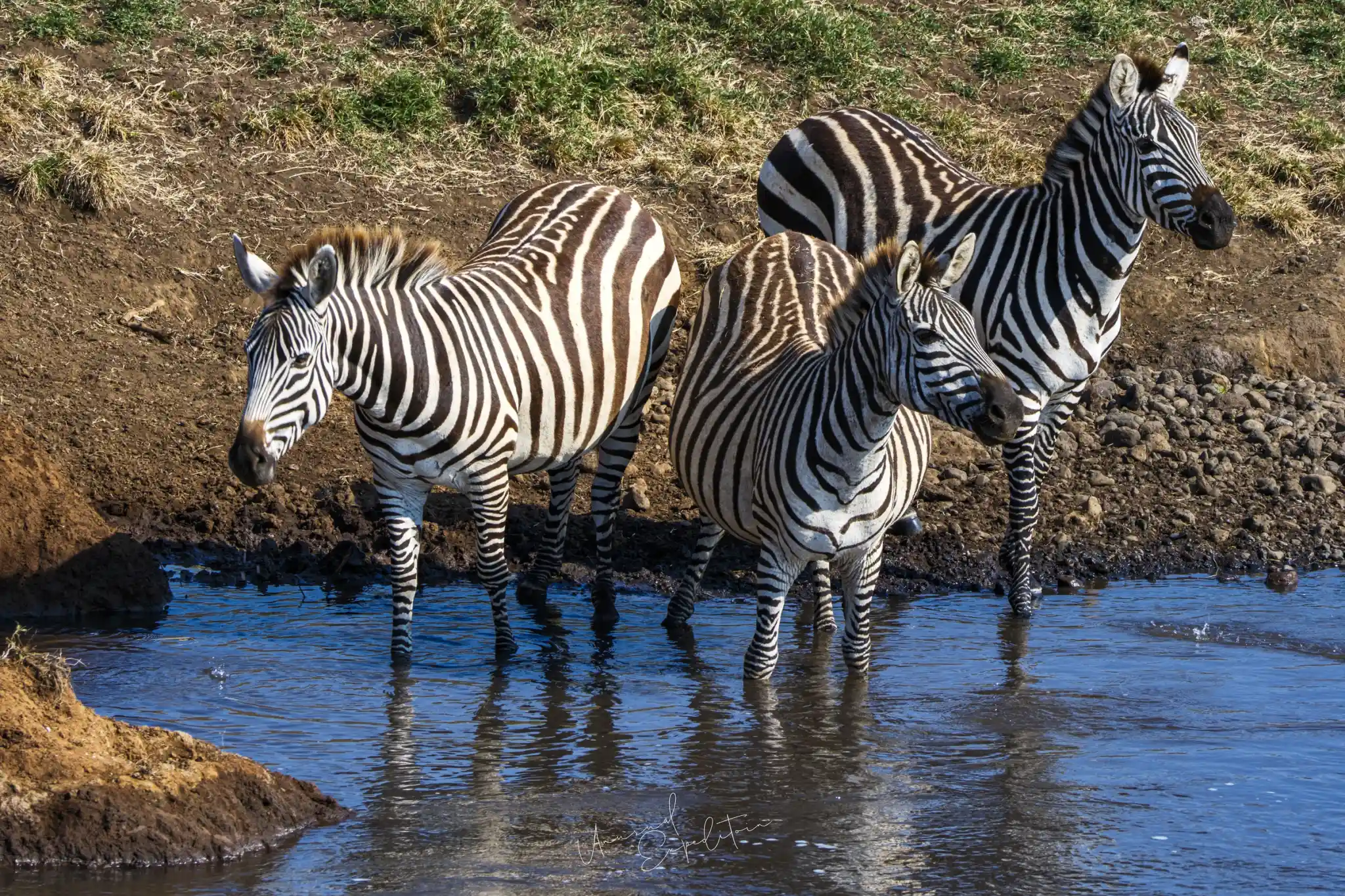
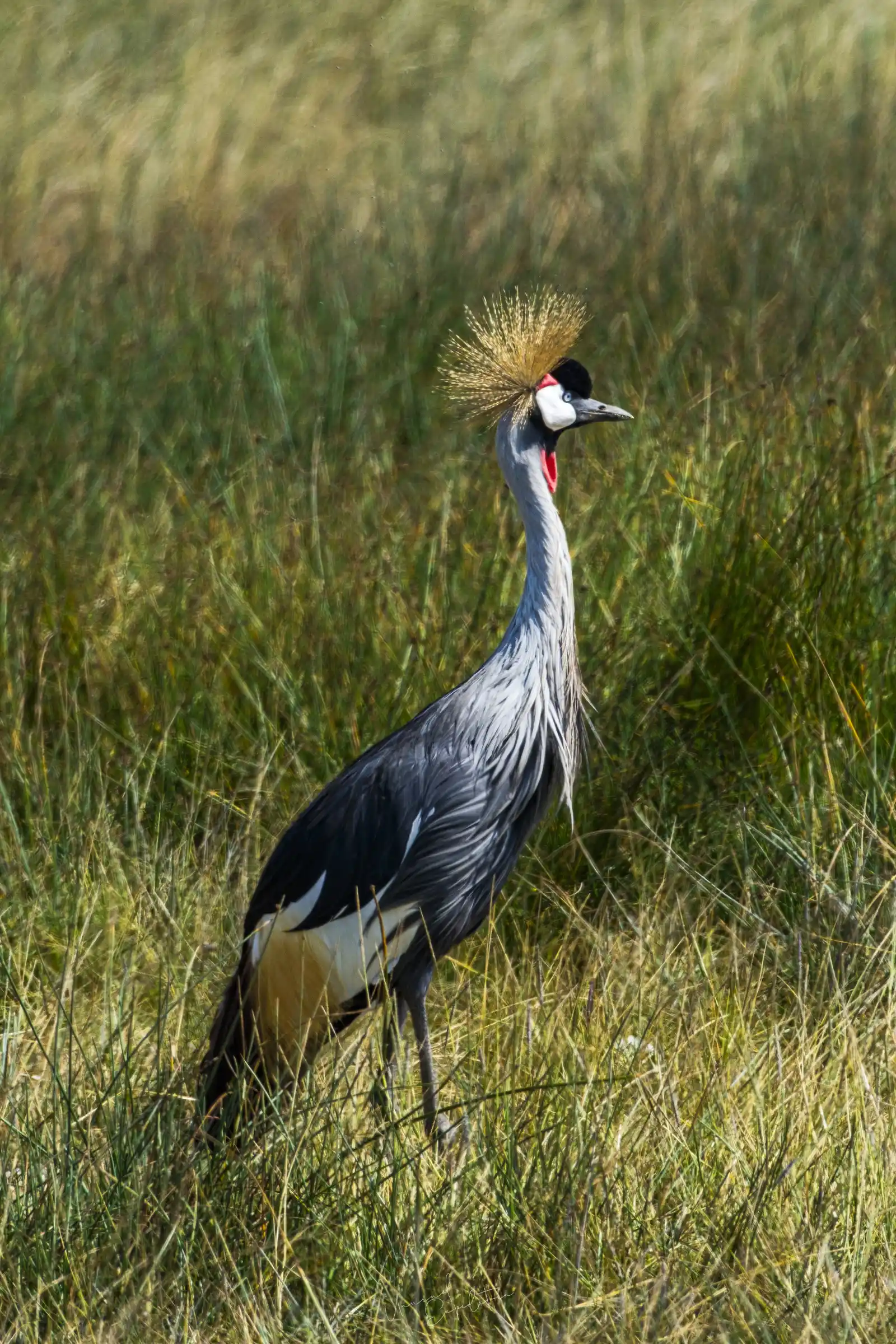
A Ngorongoro crater safari is mostly about density. Within a morning on the floor we have photographed spotted hyena on the short grass, zebras at a pool, warthogs sparring, buffalo standing in the marsh with egrets at their feet, waterbuck in the reeds and grey crowned cranes walking through the wet grass. The prize is the black rhino: the crater holds a small, closely protected population, and on a good day you see one crossing the open grassland, sometimes close enough for a 100-400mm to fill the frame. Lions and elephants live here too, though old bull elephants are the ones you usually meet, and there are no giraffes or impala on the floor. Our Ngorongoro crater animals guide goes species by species, with where on the floor to look.
Ngorongoro crater photography: light, haze and the wall
Ngorongoro crater photography has its own light problem. The floor is a closed basin, so by late morning heat haze and dust soften anything far away, and the wall turns flat and grey. The best frames come early, when the low sun rakes across the grass and the rim is still sharp behind the animals, and again in the afternoon before the gates close. Use the wall: a rhino walking across golden grass reads as a crater picture only when that dark band of slope sits behind it, so shoot from a little further back with a 100-400mm and leave room for it. On the floor itself the grass is short in the dry months, which keeps the subjects clean against the ground.
| Place in the Ngorongoro area | What you photograph | Lens we reach for |
|---|---|---|
| Crater floor grassland | Black rhino, zebras, hyena, gazelles | 100-400mm, 200-600mm |
| Marsh and spring-fed pools | Buffalo, waterbuck, hippos, cranes, egrets | 100-400mm |
| Crater rim | The whole bowl, morning cloud on the wall | 24-70mm, 70-200mm |
| Maasai bomas in the highlands | People, houses, the welcome dance | 24-70mm, 70-200mm |
| Lake Natron | Reflections, Ol Doinyo Lengai, flamingos | 16-35mm, 24-70mm |
Two zooms cover almost everything; the long lens earns its weight on the floor, the short one everywhere else.
Ngorongoro crater photos: what the area looks like
Ngorongoro crater photos tend to fall into two kinds: the grand view from the rim, and close animal portraits from the floor. The second kind is easier than people expect, because the animals are used to vehicles and the open floor gives clean backgrounds. The rim view needs clear air and an early start. We show what each looks like, and where the frames in this cluster were taken, in Ngorongoro crater photos, and set out the season and weather questions in best time to visit Ngorongoro Crater.
The Maasai of the Ngorongoro Conservation Area
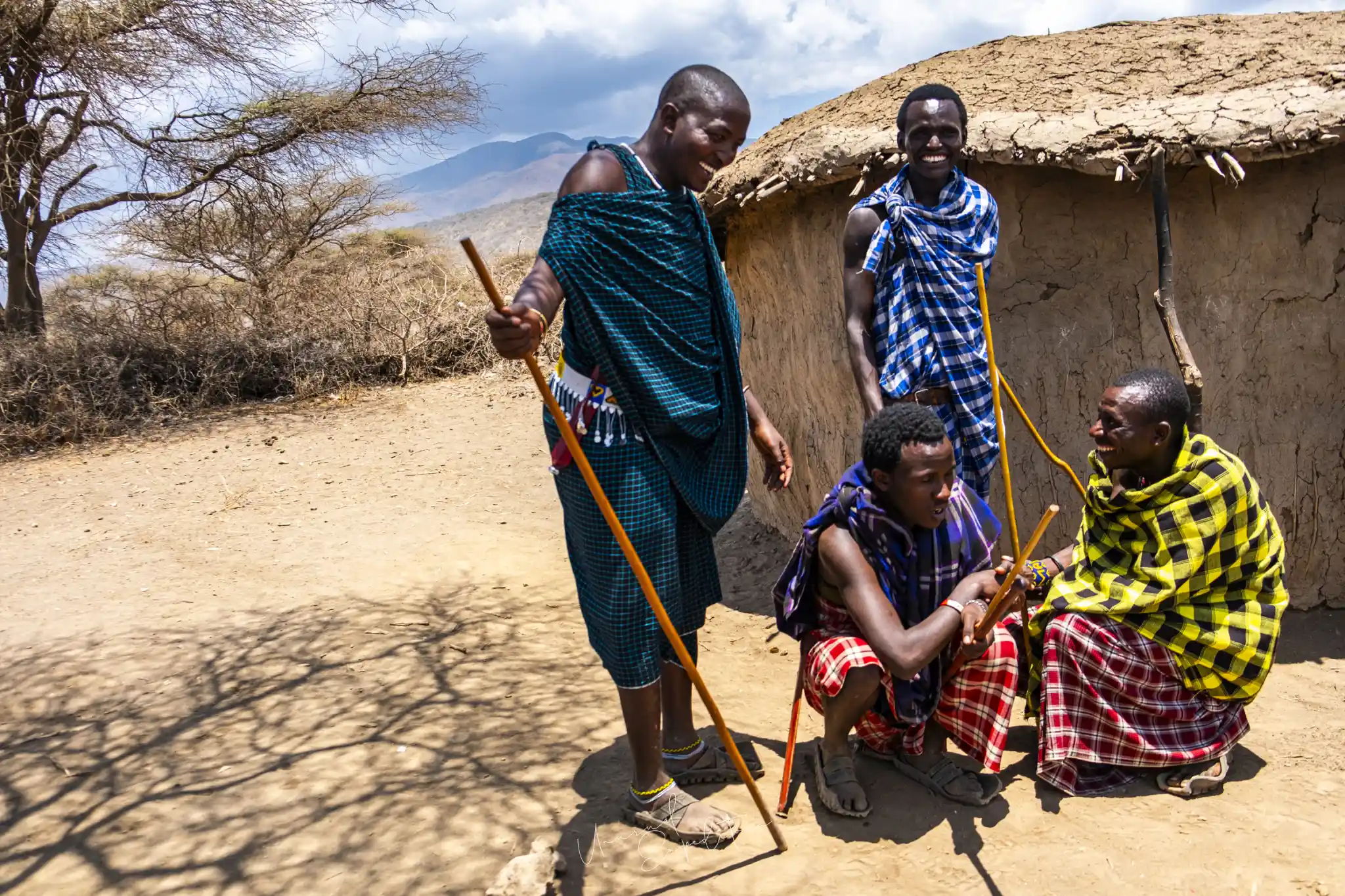
The Ngorongoro Conservation Area is one of the few protected areas in Africa where people still live with their herds. Maasai bomas, rings of mud and dung houses inside a thorn fence, stand along the highland roads, and cattle, goats and donkeys graze the slopes outside the crater. Some families welcome visitors, and a visit arranged through your guide is a chance to photograph people on their own terms: the welcome song, the jumping dance, the beadwork, and the houses themselves. We cover how a visit works, what to pay attention to and how to ask for portraits in Maasai village Ngorongoro.
Beyond the crater: Oldupai Gorge and Lake Natron
The conservation area runs west to the edge of the Serengeti plains. On the way down, Oldupai Gorge has a small museum and a site talk on the early human finds made there, which our scheduled tour includes. North-east of the crater highlands and beyond the conservation area, Lake Natron is a completely different picture: a red and silver soda lake under the cone of Ol Doinyo Lengai, the Maasai volcano. It is a long way round and suits a private trip; see Lake Natron photos for what we photographed there.
Ngorongoro crater tour: how we run it
A Ngorongoro crater tour from our side is part of a longer northern Tanzania trip, because nobody flies from Singapore for one crater. Our scheduled Serengeti Photo Tour 2027 follows the herds at the Mara River and in the central Serengeti, then crosses the Ngorongoro Conservation Area, with Oldupai Gorge and the crater rim, and finishes at Lake Eyasi; it is indicatively S$10,300 to S$12,300 per person depending on the room. A full day on the crater floor, a Maasai village visit or a Lake Natron extension we arrange as a private trip, at your own pace. The rules for going down to the floor, the opening hours and the fees are in our Ngorongoro photography FAQ, and the choice between the crater and the plains is in Ngorongoro Crater vs Serengeti.
"The crater is the one place in Tanzania where I tell people to look up from the animal. A rhino on the grass is a good picture anywhere. A rhino on the grass with the wall rising behind it could only be Ngorongoro."
Joseph Mak, tour leader, Unusual Expedition
Explore Ngorongoro in depth
- Ngorongoro crater photos: what the crater and its animals look like
- Ngorongoro crater animals: black rhino, buffalo, hyena and the rest
- Best time to visit Ngorongoro Crater for photography
- Maasai village Ngorongoro: visiting and photographing with respect
- Lake Natron photos: the soda lake and Ol Doinyo Lengai
- Ngorongoro Crater vs Serengeti: which to photograph
- Ngorongoro photography FAQ: fees, opening hours and rules
Photograph the crater with us
Our Tanzania departures, with the current fare and what is included, are on the Tanzania photography tours page. If you would like the crater floor, the highlands or Lake Natron on your own dates, we run them as a private trip for individuals, couples, families and photographers, and we arrange the logistics around you.
Join the Ngorongoro photography tour
Serengeti Photo Tour – Tanzania 2027 departs 21 Aug 2027 To 01 Sep 2027. Small group, photography first. All Ngorongoro photography tours.
Explore Ngorongoro in depth
- Ngorongoro Photography FAQ: Fees, Opening Hours and Crater RulesTanzania
- Ngorongoro Crater vs Serengeti: Which to Photograph, and Is the Crater Worth ItTanzania
- Ngorongoro Crater Photos: What the Crater Really Looks LikeTanzania
- Ngorongoro Crater Animals: Black Rhino, Buffalo, Hyena and the RestTanzania
- Maasai Village Ngorongoro: Visiting and Photographing with RespectTanzania
- Lake Natron Photos: The Soda Lake and Ol Doinyo LengaiTanzania
- Best Time to Visit Ngorongoro Crater for PhotographyTanzania
Upcoming Photo Tours
- Egypt Photo Tour – EgyptEgypt 12 Dec 2026 To 20 Dec 2026
- Inner Mongolia Winter Owl Photo Tour – ChinaChina 01 Jan 2027 To 04 Jan 2027
- Inner Mongolia Winter Photo Tour – ChinaChina 05 Jan 2027 To 11 Jan 2027
- Mekong And Central Highland Vietnam Photo Tour - VietnamVietnam 16 Jan 2027 To 24 Jan 2027