
Ndutu Photography Tour: Calving Season in Tanzania's Southern Plains
Ndutu, Tanzania: where it is, why the herds calve there, what you photograph and when to go in calving season.
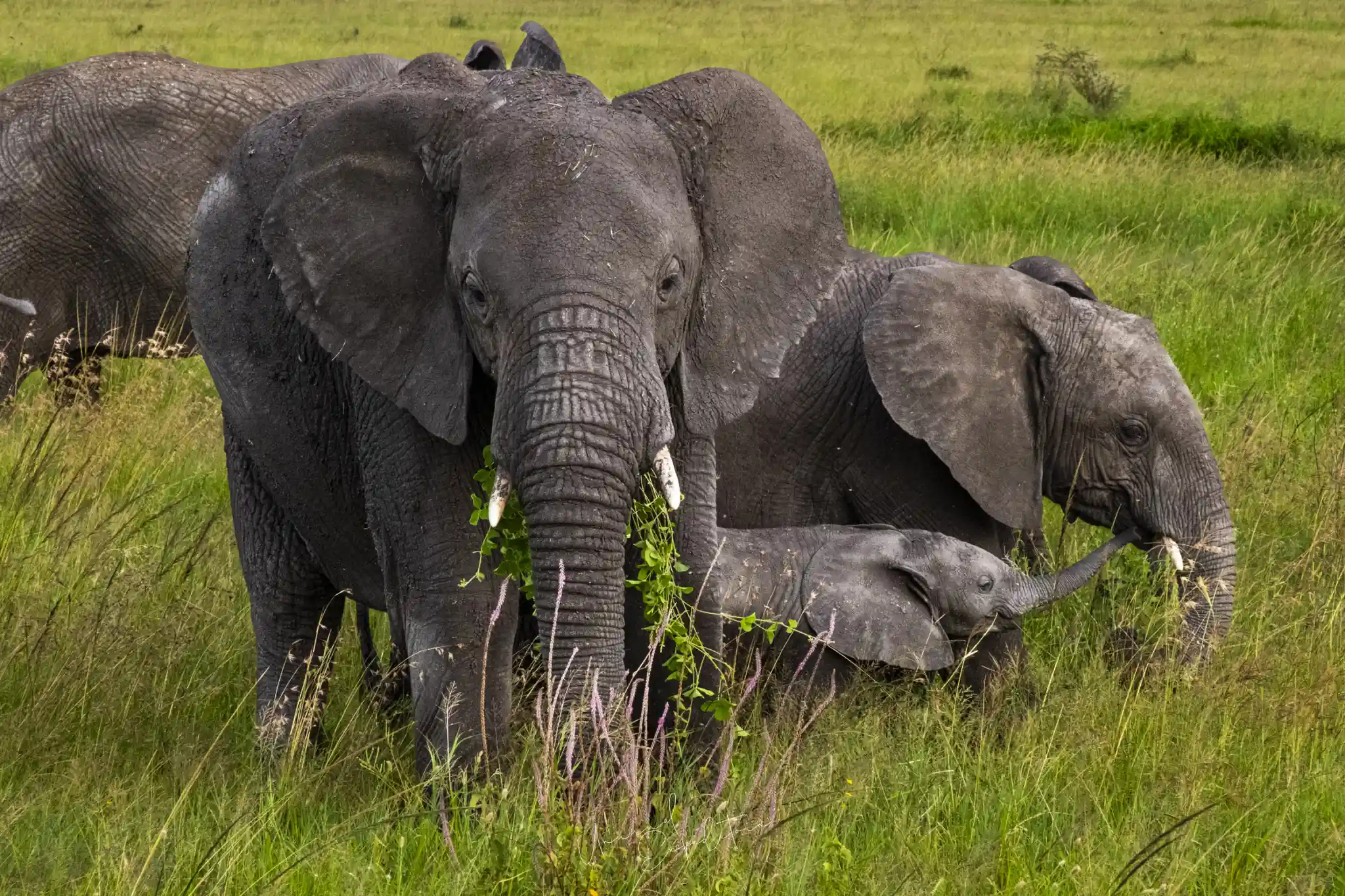
A Ndutu photography tour takes you to Ndutu, Tanzania: the short-grass plains on the southern edge of the Serengeti ecosystem, during the wildebeest calving season, roughly late January to March. Ndutu sits inside the Ngorongoro Conservation Area, beside two soda lakes, Ndutu and Masek. In calving season the herds give birth here by the hundred thousand, and cheetahs, lions and hyenas follow them. For a wildlife photographer it is the most concentrated few weeks of the East African year.
Ndutu is one area of a wider country, and the Tanzania photography tour guide covers entry, insurance, money and flights from Singapore for the whole trip. If your interest is the dry-season migration and the Mara River, read the Serengeti photography tour guide instead; this destination guide stays on the calving grounds.
Where is Ndutu located?
Ndutu is located in northern Tanzania, in the north-western corner of the Ngorongoro Conservation Area, where it meets the southern short-grass plains of Serengeti National Park. NASA's Earth Observatory places it at the southern tip of the Serengeti plains. There is no town. The area is open grassland around a band of acacia woodland, with Lake Ndutu and Lake Masek lying in that woodland and the Crater Highlands rising as a blue line to the east. Because the boundary runs through the plains, a game drive can cross from the conservation area into the national park and back, and the two sides have different authorities, fees and driving rules. The Ndutu safari FAQ explains what that means in practice.
Ndutu, Serengeti or Ngorongoro?
People search for "Ndutu Serengeti" and "Ndutu Ngorongoro" because both are correct in a sense. Ecologically, Ndutu is part of the Serengeti: the same migration, the same short-grass plains, the same predators. Administratively, it belongs to the Ngorongoro Conservation Area, run by the Ngorongoro Conservation Area Authority (NCAA), not by Tanzania National Parks. Discover Africa, which tracks the herds through the season, puts it plainly: Ndutu forms part of the Ngorongoro Conservation Area, south of the Serengeti. For photographers the practical difference is the rules. The national park keeps vehicles on tracks; the conservation area has its own regulations, and your guide works to those.
Ndutu migration: why the herds come south
The Ndutu migration is the calving phase of the Great Migration. After the short rains the wildebeest and zebra move onto the southern plains, where the grass is short and fresh, and stay while it lasts. NASA's Earth Observatory describes thousands of calves born here each February, around 8,000 a day at the peak, over four to six weeks. The Tanzania Daily News puts the season between late January and March. The herds do not stand still: they shift between Ndutu, the Lake Masek side and the open park plains with the rain, so each day starts with the guide reading where they went overnight. The Ndutu calving season destination guide covers timing in detail.
What you photograph at Ndutu
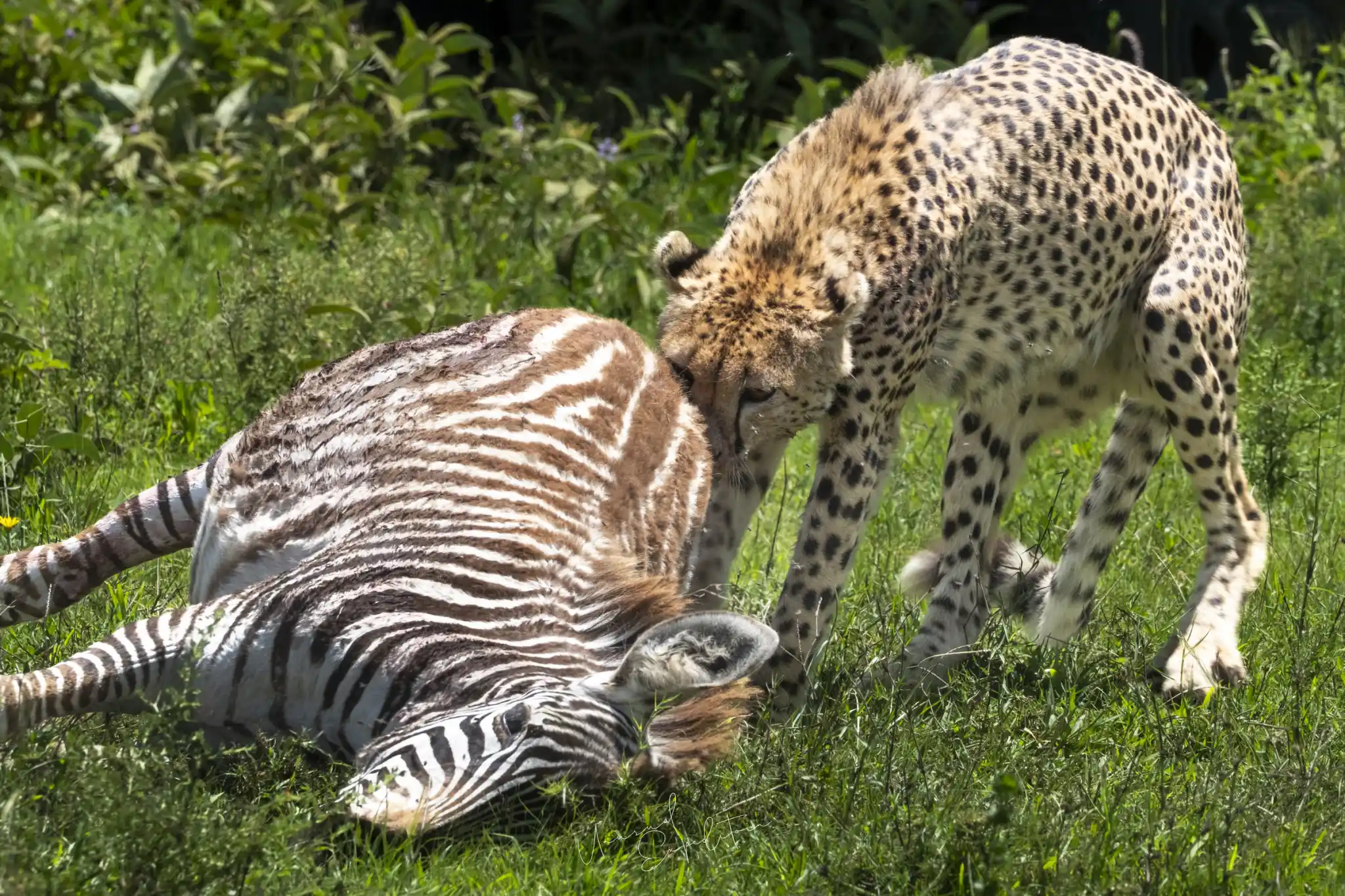
Ndutu gives a photographer three things at once. The first is birth and young animals: wildebeest calves, zebra foals, gazelle fawns, elephant calves and even baby baboons, which the destination guide to baby wildebeest and the other newborns of Ndutu walks through. The second is predators at work. Cheetahs are the signature cat here, and the Ndutu cheetah guide covers how to photograph them. The third is the place itself: green plains under big skies, the woodland and the soda lakes, which you see in Ndutu plains photos and Lake Ndutu and Lake Masek.
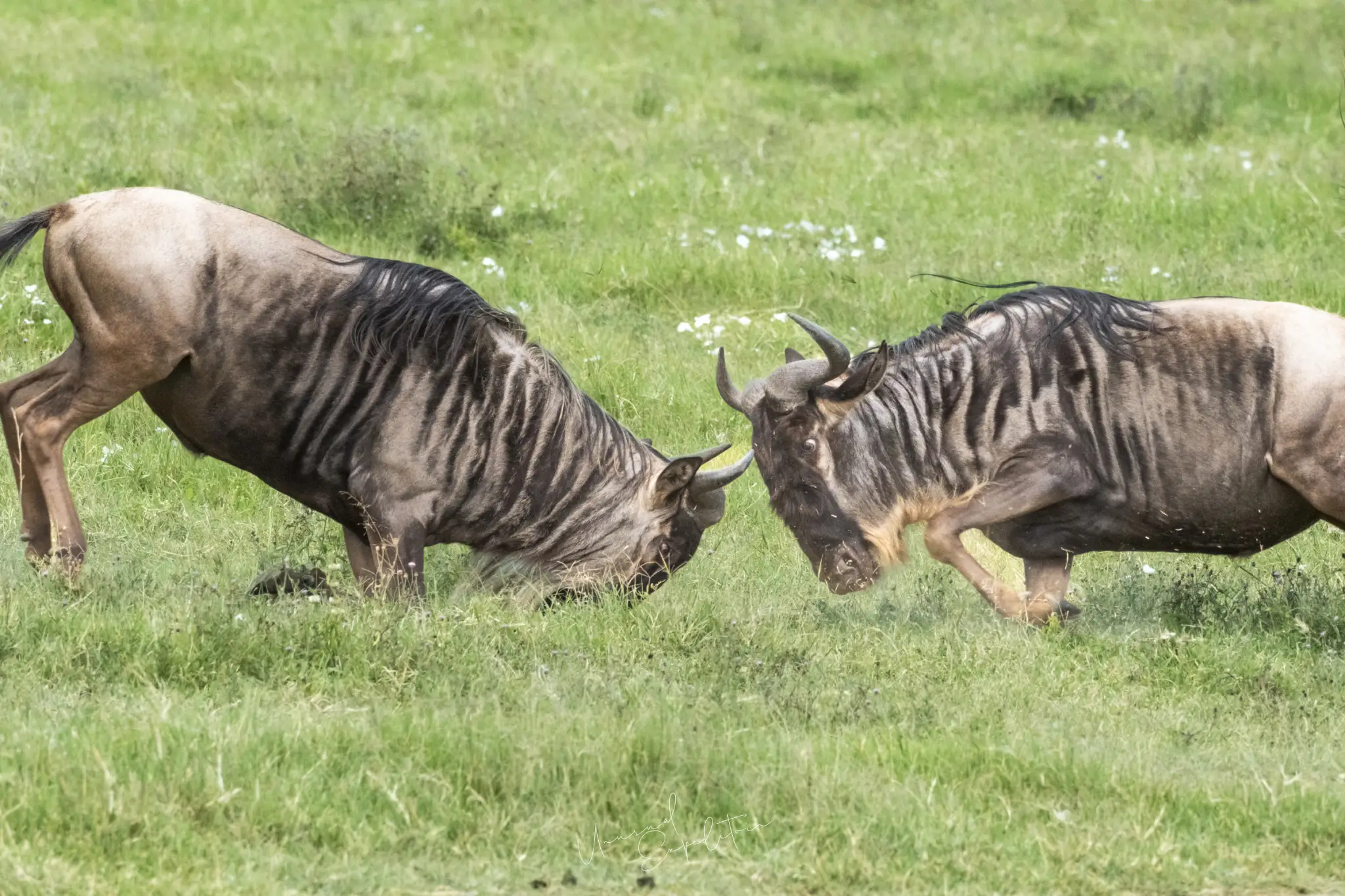
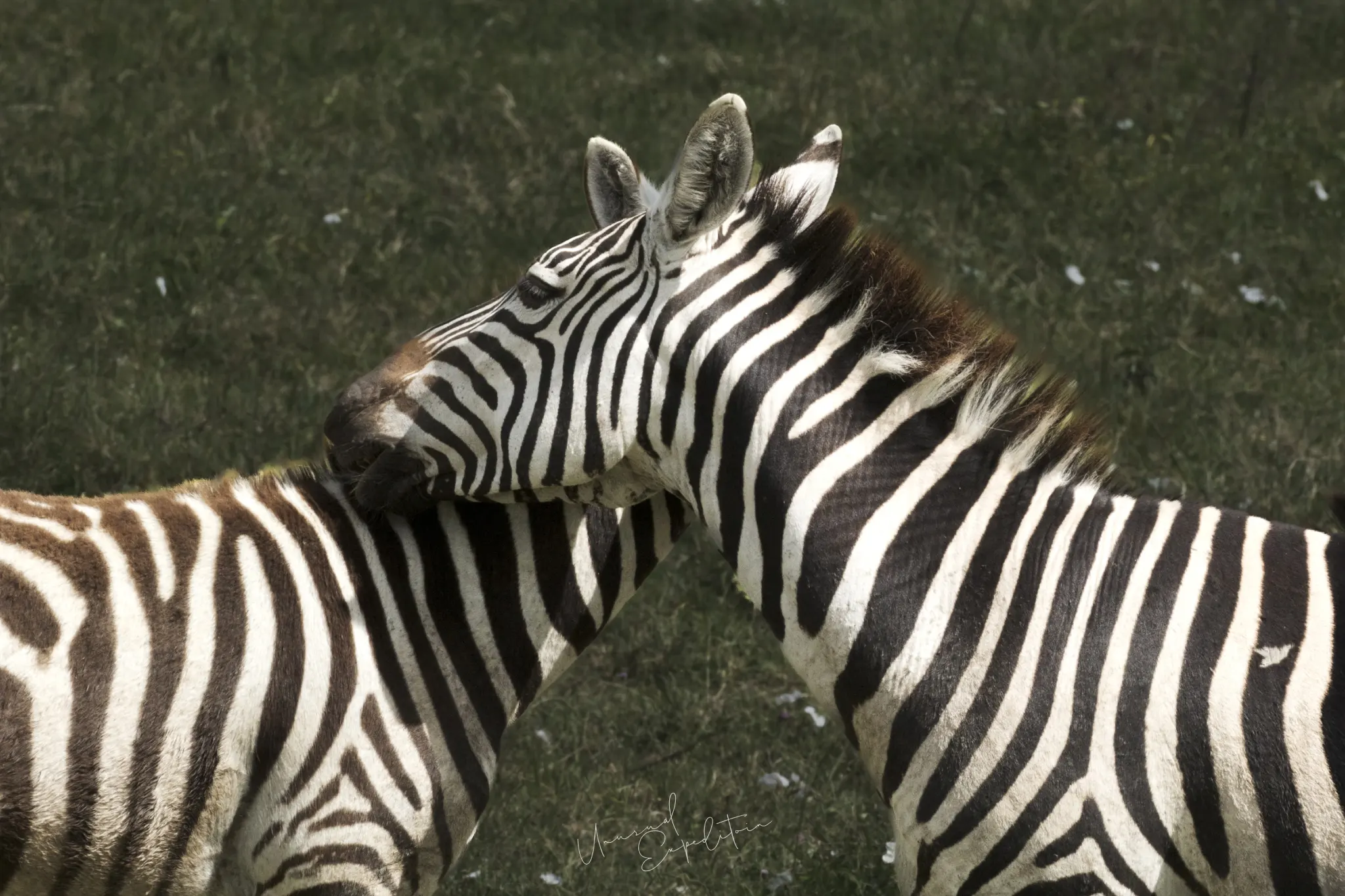
Behaviour is the real subject. Wildebeest bulls fight over the cows, impala rams spar at the woodland edge, zebras groom each other and stallions chase. A trip that stays with the herds for several days gives you the time to wait for it.
Ndutu at a glance
| Subject | Where at Ndutu | Best light | Lens |
|---|---|---|---|
| Wildebeest calving | Open short-grass plains | Early morning | 100-400mm |
| Cheetahs | Plains edges, termite mounds, low bush | Morning to late morning | 100-400mm or 150-600mm |
| Lions and hyenas | Near the herds, woodland margins | Dawn and late afternoon | 70-200mm, 100-400mm |
| Flamingos and waterbirds | Lake Ndutu and Lake Masek | Soft morning light | 100-400mm |
| Landscape and sky | Woodland edge and open plains | Sunset and blue hour | 24-70mm, 16-35mm |
A long zoom does most of the work at Ndutu, so bring the wide lens mainly for the evenings.
When to go
February is the heart of the calving season, with late January and early March on either side. The weather is green-season weather: the short rains have passed and the long rains have not yet set in, so most days are bright, with clouds building in the afternoon and the odd storm. The landscape is at its greenest. The Serengeti in February destination guide describes the light and weather of the month. Outside the calving months Ndutu is quiet and many seasonal camps close, so it is not a year-round destination in the way the central Serengeti is.
Our photographs of Ndutu
The photographs in this guide are our own, taken on our calving-season trip here; we hold the rights to them, and the notes come from knowing these places first hand. They show what a good week looks like: a cheetah family on a kill, elephant families with very young calves, wildebeest bulls fighting, flamingos on the soda lakes and the acacia woodland at dusk.
At Ndutu you never run out of subjects. The hard part is choosing. You can sit with one cheetah family for most of a morning while the herds and their calves pass all around you, and on the way back there is still something new at every turn.
Joseph Mak, tour leader, Unusual Expedition
How a Ndutu trip works
Most visitors reach Ndutu from Arusha, by road through the Ngorongoro highlands or by light aircraft to the Ndutu airstrip, and stay in a seasonal tented camp or the lodge by the lake. Game drives go out early and come back late, with the middle of the day used for resting or for long waits with a sighting. A guide who knows the calving grounds matters more here than anywhere else in Tanzania, because the herds move daily and the good sightings are spread across open country. The Ndutu safari FAQ covers fees, rules, gear and getting there.
Explore Ndutu in depth
- Ndutu calving season: when and where the wildebeest give birth
- Baby wildebeest and the other newborns of Ndutu
- Cheetahs of Ndutu and the southern Serengeti
- Lake Ndutu and Lake Masek: soda lakes, flamingos and woodland
- Ndutu plains photos: what the calving grounds look like
- Serengeti in February: weather, light and wildlife
- Ndutu safari FAQ: getting there, fees, rules and gear
Photograph the calving season with us
Our scheduled Tanzania departure is a dry-season trip to the north, so Ndutu in calving season is something we run as a private trip on request: for individuals, couples, families or photographers who want their own pace, with all logistics arranged around you. A private trip can cost less than a group tour because no tour leader travels, and a photographer or photography coaching can be added at extra cost. Ask at least two months ahead; last-minute requests can often still be arranged. See private tours and the Tanzania photography tours page for everything else we run in the country.
Join the Ndutu photography tour
Serengeti Photo Tour – Tanzania 2027 departs 21 Aug 2027 To 01 Sep 2027. Small group, photography first. All Ndutu photography tours.
Explore Ndutu in depth
- Serengeti in February: Weather, Light and Wildlife in Calving SeasonTanzania
- Ndutu Safari FAQ: Getting There, Fees, Rules and GearTanzania
- Ndutu Plains Photos: What the Calving Grounds Look LikeTanzania
- Cheetahs of Ndutu: Photographing the Southern Serengeti's CheetahsTanzania
- Ndutu Calving Season: When and Where the Wildebeest Give BirthTanzania
- Lake Ndutu and Lake Masek: Soda Lakes, Flamingos and WoodlandTanzania
- Baby Wildebeest and the Other Newborns of NdutuTanzania
Upcoming Photo Tours
- Egypt Photo Tour – EgyptEgypt 12 Dec 2026 To 20 Dec 2026
- Inner Mongolia Winter Owl Photo Tour – ChinaChina 01 Jan 2027 To 04 Jan 2027
- Inner Mongolia Winter Photo Tour – ChinaChina 05 Jan 2027 To 11 Jan 2027
- Mekong And Central Highland Vietnam Photo Tour - VietnamVietnam 16 Jan 2027 To 24 Jan 2027