
Best Time to Visit Taj Mahal: the Month, the Day and the Hour
The best time to visit the Taj Mahal by month and by hour: winter fog, clear spring light, heat, monsoon, Fridays and full moons.
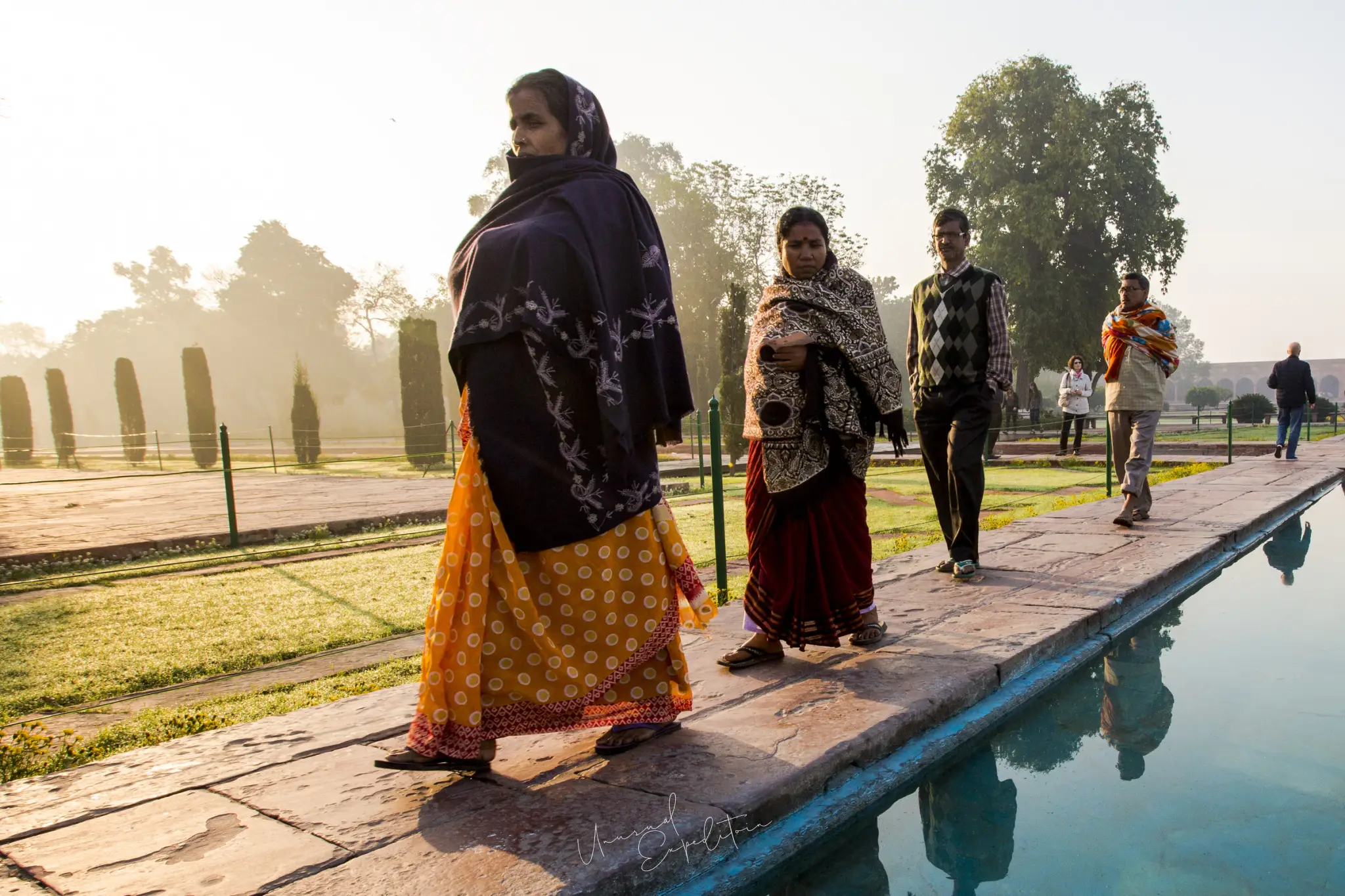
The best time to visit Taj Mahal for photography is between October and March, when the northern plains are cool and dry, and within any day it is the first hour after the gates open, 30 minutes before sunrise. December and January add fog, which can be magical or can hide the building completely. Avoid Fridays, when the Taj is closed, and expect the biggest crowds in October, November and February.
This article sits within our Agra photography tour guide. It looks at the choice three ways: the month, the day of the week and the hour.
Best month to visit Taj Mahal
The India Meteorological Department divides the Indian year into four seasons: winter in January and February, the hot pre-monsoon season from March to May, the southwest monsoon from June to September and the post-monsoon season from October to December. For the Taj Mahal those seasons translate into light, air and crowds. The official Taj Mahal site, run by the Department of Tourism of the Government of Uttar Pradesh, notes that most visitors come in the cooler months of October, November and February, which is also when the photography is easiest. The table sums up how each part of the year looks through the lens.
| Months | Light and air | Crowds | For photographers |
|---|---|---|---|
| October and November | Dry, warm days, some haze | Busy | Reliable mornings, clear evenings at Mehtab Bagh |
| December and January | Cold mornings, frequent fog | Moderate | Mist and soft light, but fog can last all morning |
| February | Cool, clearing air | Busy | Our favourite balance of light and comfort |
| March | Warming, clear | Moderate, Holi in the region | Pairs with Holi in Mathura and Vrindavan |
| April to June | Hot, hard light, dust | Lighter | Only the first hour is comfortable |
| July to September | Monsoon cloud, humidity | Lighter | Dramatic skies on some days, wet on others |
February is the month we return to most: the fog has mostly gone, the air is still cool and the light stays soft for longer.
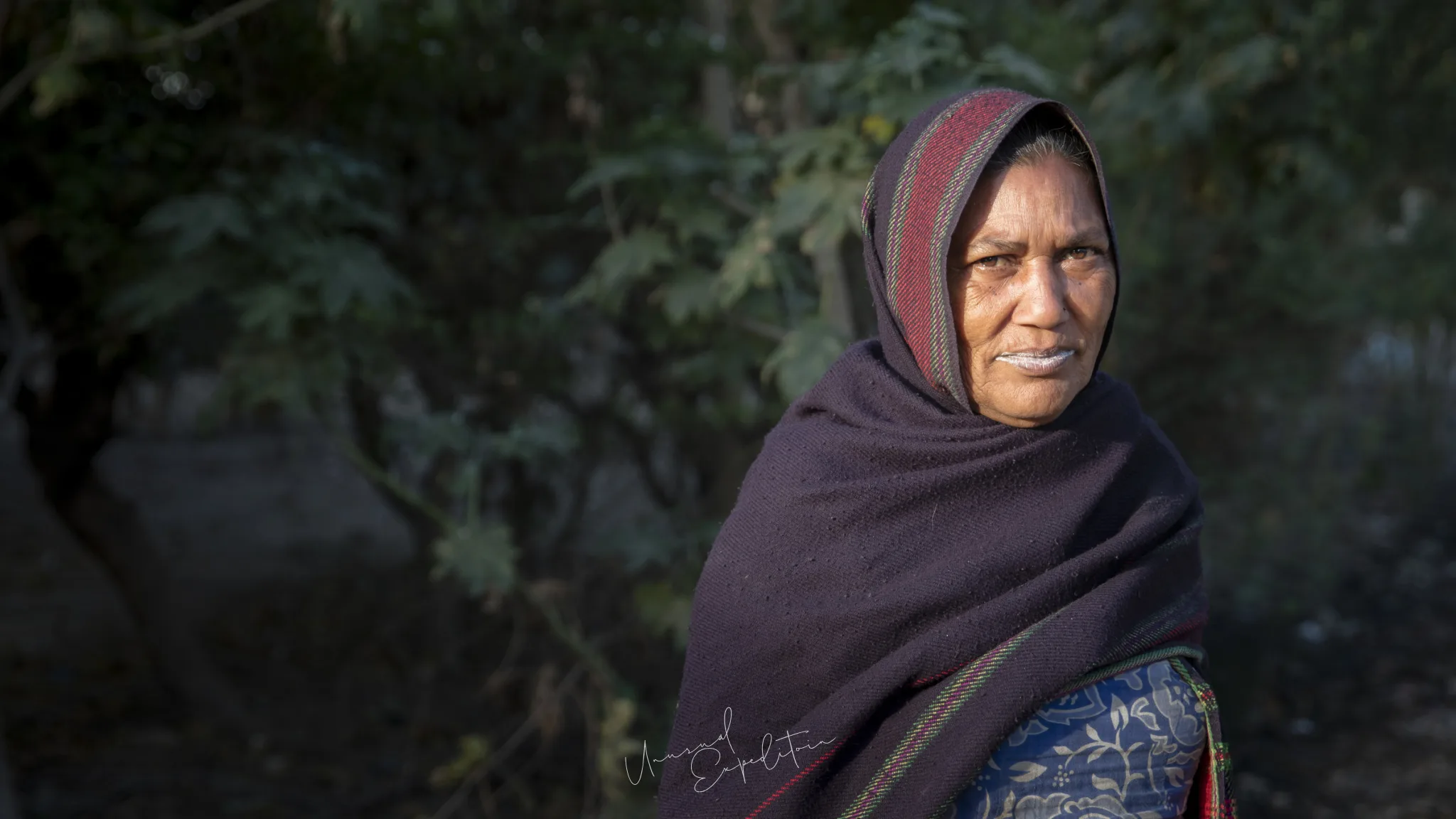
Winter fog at the Taj Mahal
From December into January the plains around Agra often wake in thick fog. On those mornings the Taj Mahal can disappear entirely from the central channel and reappear slowly as the sun burns through, first as an outline, then as a soft, grey shape with no shadows. Some photographers come in winter for exactly that picture. The risk is that it never clears before midday and the light turns flat and white. Winter mornings are also genuinely cold, so bring a warm layer and gloves for the early start, and protect the camera from condensation when you come in from the cold. If fog is your goal, give Agra two or three mornings. Our Taj Mahal sunrise and sunset guide explains how the fog looks from the far bank of the Yamuna.
Best time to visit Taj Mahal during the day
The official visiting hours run from 30 minutes before sunrise to 30 minutes before sunset. Those two edges are the best time to visit the Taj Mahal during the day. The first hour gives you low light from the east, fewer people and still water in the channel. By mid-morning the crowd has arrived and the marble starts to glare. The official site describes the marble changing colour through the day, from soft grey and yellow to pearly cream and dazzling white, and the change is real: in the middle of the day the building looks almost flat. Use those hours for the shaded arcades of the mosque and the guest hall, where light from the carved screens falls across the sandstone. In the late afternoon the light warms again on the west face, and the mosque platform comes into its own.
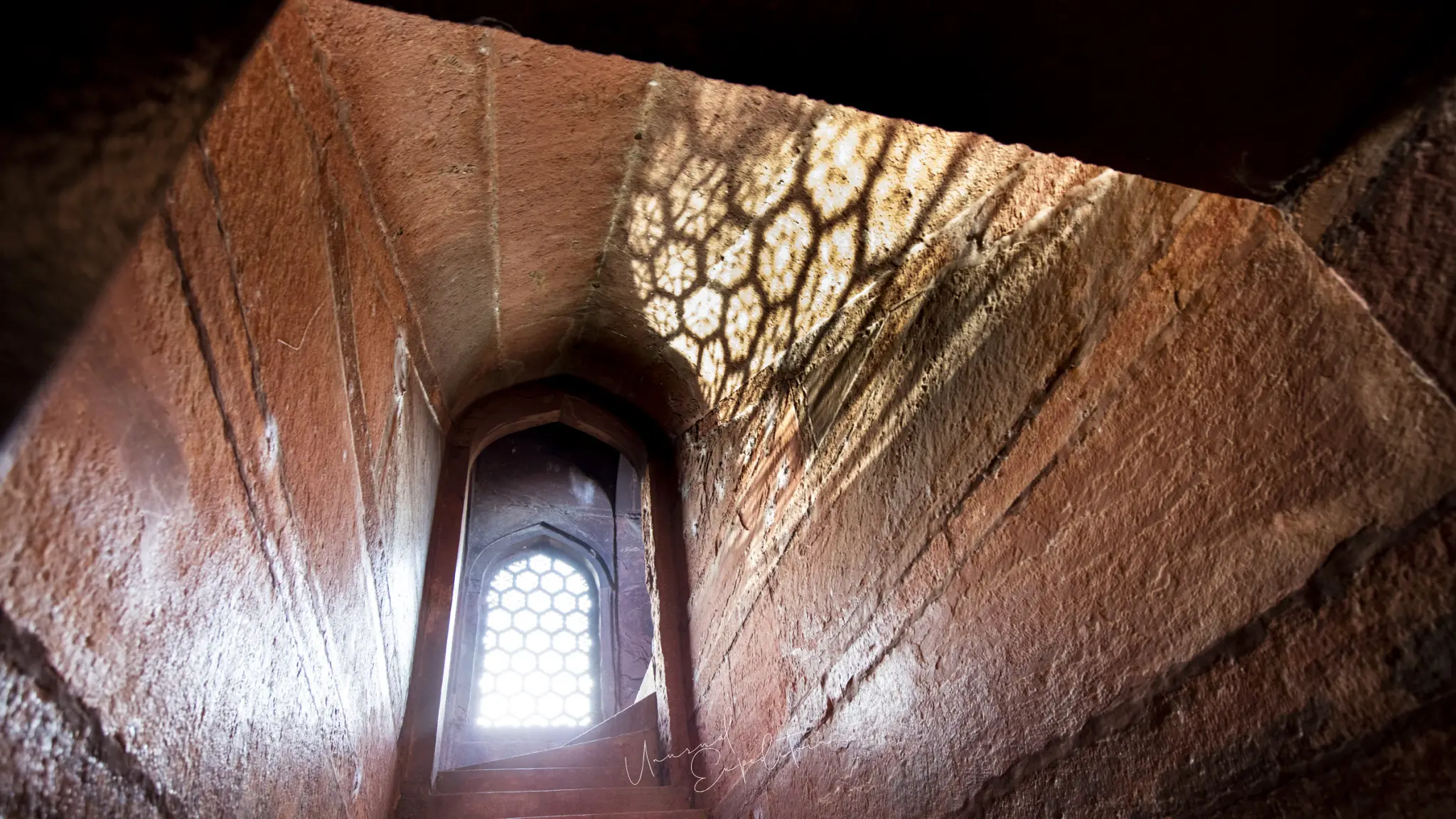
"I tell people not to fight the middle of the day. Go into the arcades and look at the stone. Then come back out when the light drops, and the Taj you photograph at the end of the afternoon looks like a different building from the one you saw at noon."
Joseph Mak, tour leader, Unusual Expedition
Fridays, weekends and holidays
The Taj Mahal is closed to general visitors every Friday, according to the official site, so plan Agra Fort or the far bank of the river for that day; the Agra district site lists the fort as open on all seven days. In our experience weekends and Indian public holidays bring the largest domestic crowds, and the gates can be busy from the moment they open. A weekday morning in February is about as quiet as the Taj gets in the dry season. The Agra Fort photos guide covers the Friday alternative.
Holi and the full moon
Two moving dates are worth checking. Holi falls on the last full moon of the Hindu lunisolar year, which usually comes in March, according to Incredible India, the Ministry of Tourism's site; the colour festival in Mathura and Vrindavan is close to Agra, and many of our trips photograph both. See our Mathura and Vrindavan photography tour guide. The second date is the full moon each month, because the Taj opens for night viewing on the full moon night and two nights either side, except on Fridays and during Ramzan.
The hot season and the monsoon
From April the heat builds quickly in Agra, and by May the middle of the day is uncomfortable and the light is hard. The first hour after opening is still workable, and the crowds are lighter, but expect dust in the air and plan to rest in the afternoon. The southwest monsoon arrives in summer and stays until September. Rain and cloud can give strong skies and wet reflections on the paving, but whole days can also be grey. Visitors who only have those months should go early, carry water and keep the trip flexible.
Choosing your dates
Start with the picture you want. For mist, choose December or January and allow spare mornings. For clear, soft light and comfortable days, choose February or late October. For Holi as well as the Taj, choose the week of the Holi full moon. Then check the Friday closure and the moon. The Taj Mahal rules for photographers cover what to carry once your dates are set.
Come to the Taj Mahal in the right season
We run Agra as a private trip on request, timed to the season and light you want, for individuals, families, couples and photographers. We arrange all the logistics, and a photographer or coaching can be added at extra cost. See private tours and our India photography tours page.
Ask us about the best time for your Agra trip
Agra photography tours
The next Agra departure is announced on the Agra photography tours page, with previous expeditions and all the planning guides.
Explore Agra in depth
- Agra Photography Tour Guide: the Taj Mahal, Agra Fort and the YamunaIndia
- Taj Mahal Sunrise and Sunset: Where to Be and Which Way the Light FallsIndia
- Taj Mahal Rules for Photographers: Tripods, Drones and the MausoleumIndia
- Taj Mahal Photography: Where to Stand, the Light and Photo IdeasIndia
- Is Agra Worth Visiting? What to See Beyond the Taj MahalIndia
- Agra Fort Photos: What to Photograph Inside the Red Fort of AgraIndia
Upcoming Photo Tours
- Egypt Photo Tour – EgyptEgypt 12 Dec 2026 To 20 Dec 2026
- Inner Mongolia Winter Owl Photo Tour – ChinaChina 01 Jan 2027 To 04 Jan 2027
- Inner Mongolia Winter Photo Tour – ChinaChina 05 Jan 2027 To 11 Jan 2027
- Mekong And Central Highland Vietnam Photo Tour - VietnamVietnam 16 Jan 2027 To 24 Jan 2027