
Is Agra Worth Visiting? What to See Beyond the Taj Mahal
Is Agra worth visiting for more than the Taj Mahal? Agra Fort, Mehtab Bagh, the dhobi ghats on the Yamuna and the rail yards.
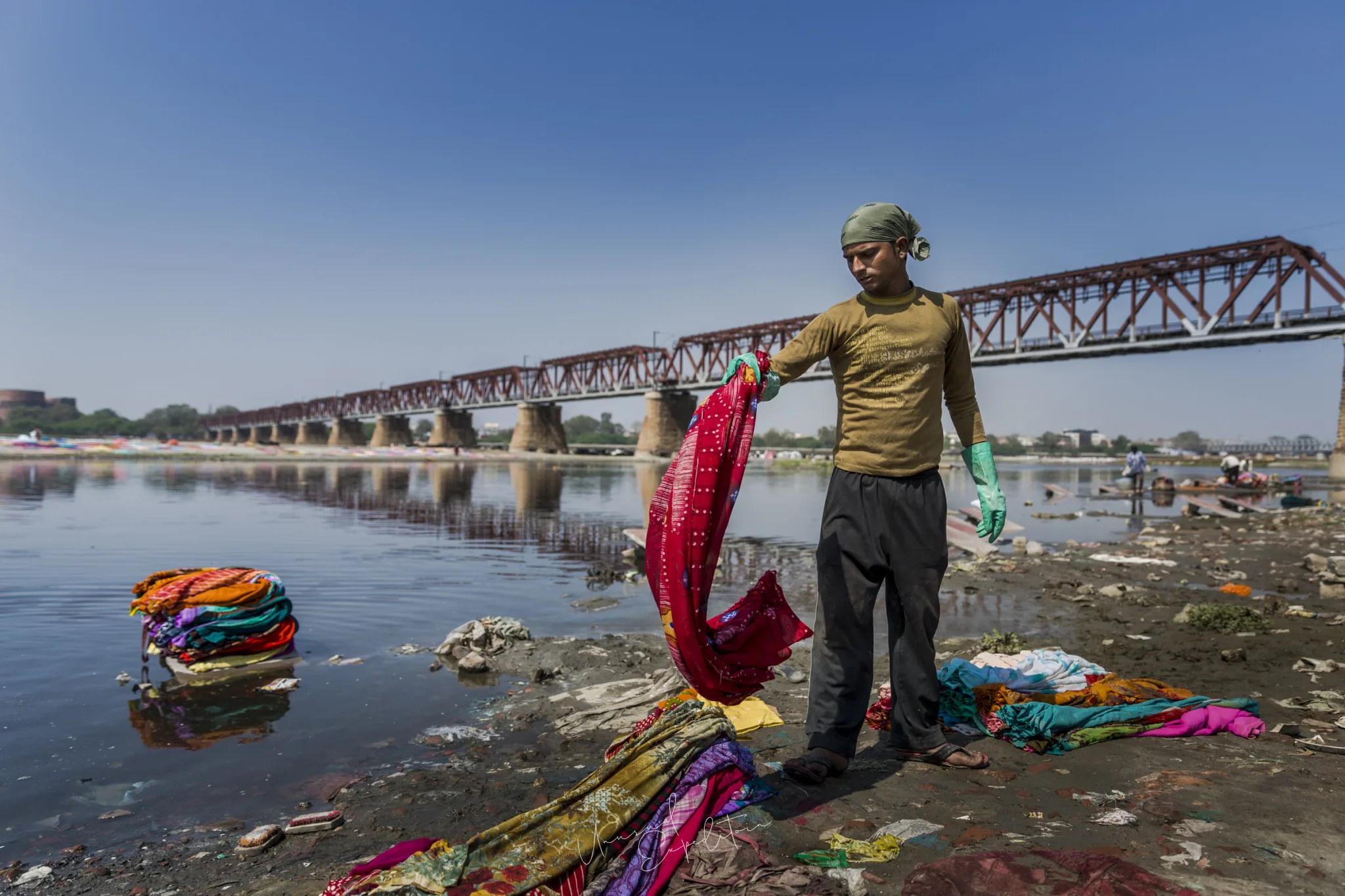
Is Agra worth visiting beyond a quick look at the Taj Mahal? For a photographer, yes. Agra Fort is a palace city in its own right, Mehtab Bagh gives you the Taj from across the river, and the working town along the Yamuna, with washermen beating cloth in the shallows, porters in the goods sheds and railway gangs on the tracks, is some of the best street photography in north India. Give Agra a second morning and it stops being a day trip.
This article is part of our Agra photography tour guide. The photographs are our own, taken on our Agra trips; we hold the rights to them, and the notes come from knowing these places first hand.
Is Agra worth visiting for more than the Taj?
Most visitors treat Agra as one stop: arrive, see the Taj Mahal, leave. That works for a postcard and misses the city. Agra was a Mughal capital, and its monuments run along the Yamuna: the fort upstream, the Taj downstream, gardens and tombs on both banks. The official Taj Mahal site, run by Uttar Pradesh's Department of Tourism, lists the city's three UNESCO World Heritage Sites as the Taj Mahal, Agra Fort and Fatehpur Sikri, Akbar's red sandstone capital outside the city, which served as the Mughal capital for only about fourteen years. The same site names the tomb of Itimad-ud-Daula, often called the Baby Taj, and Mehtab Bagh among the other heritage sites. That is a lot of Mughal architecture for one city, and none of it is crowded the way the Taj is.
Agra what to see beyond the Taj Mahal
| Subject | Where | Best light | Etiquette |
|---|---|---|---|
| Agra Fort palaces and the Taj view | Inside the fort, riverside pavilions | Afternoon | Protected monument, no climbing |
| The river face of the Taj | Mehtab Bagh, far bank | Sunset | Ticketed garden |
| Washermen at work | Yamuna bank below the railway bridge | Morning | Ask first, stay out of the way |
| Porters and goods sheds | Near the stations and markets | Daylight through doorways | Ask the foreman and the men |
| Rail yards and trains | Station areas | Morning and late afternoon | Railway permission rules apply |
The monuments carry the light at the ends of the day, and the working river and the yards fill the middle of it.
The dhobi ghats on the Yamuna
Below the railway bridge near Agra Fort, on the Yamuna bank, the washermen of Agra still do laundry by hand. Men stand thigh deep in the river and swing wet saris down onto stone slabs with a crack you hear from the bank, then shake them out in arcs of colour. Behind them, long rows of cloth lie drying on the sand and grass, and shirts flap on lines between bamboo poles. For a photographer it is a gift: motion, colour, backlight and the arches of the bridge behind. Use a fast shutter for frozen spray or a slower one for the swing of the cloth, and a 24-70mm to keep the river and the bridge in the frame. Stay on the bank, because the water is not clean, and remember this is a working place: ask, keep out of the way of the swing, and show people the pictures.
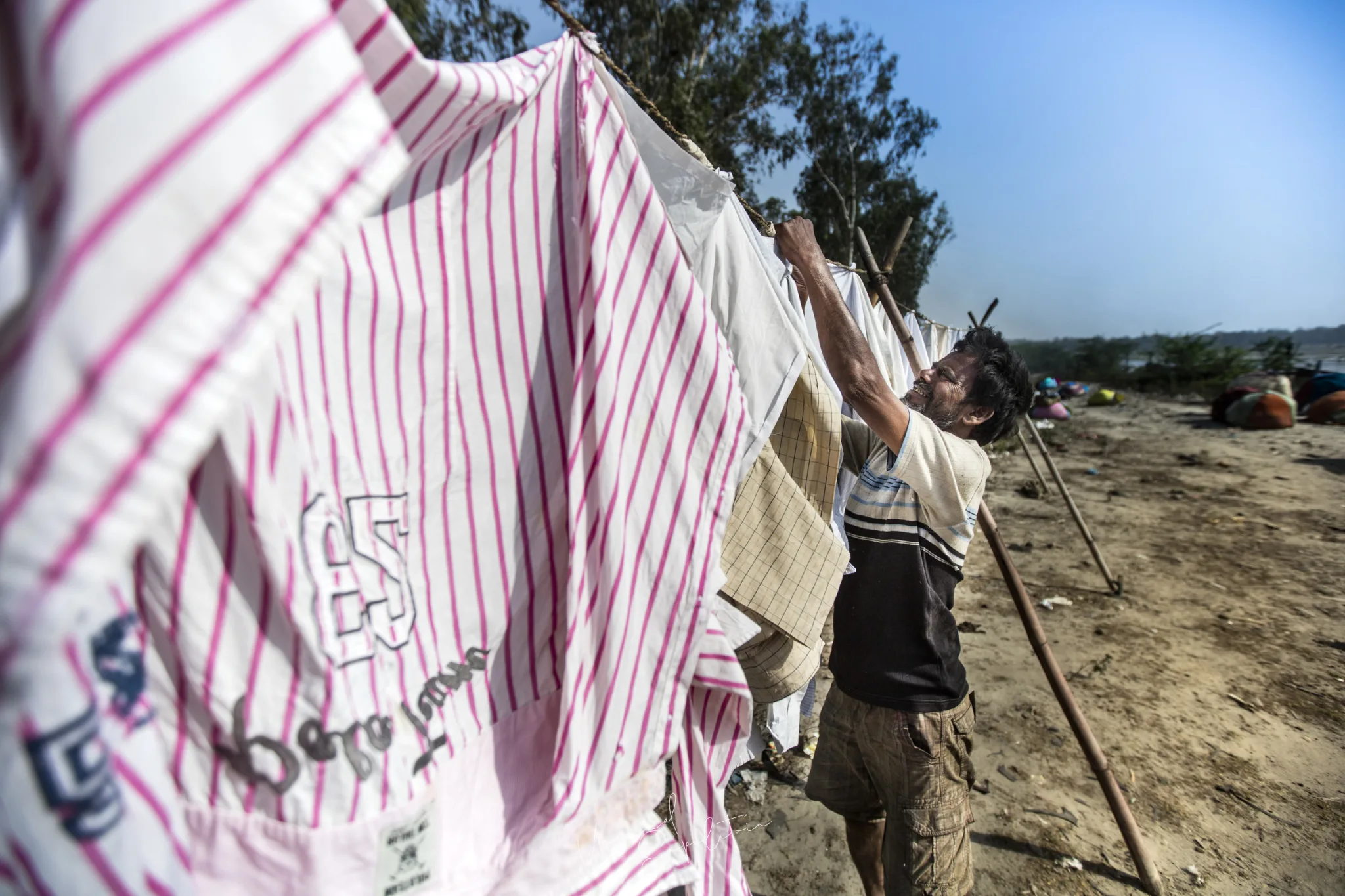
"The washermen on the Yamuna were the surprise of one Agra trip. We went to see the Taj and spent the best morning on a riverbank under a railway bridge, watching a man throw a red sari at a stone until it looked like fire."
Joseph Mak, tour leader, Unusual Expedition
Railway yards and goods sheds
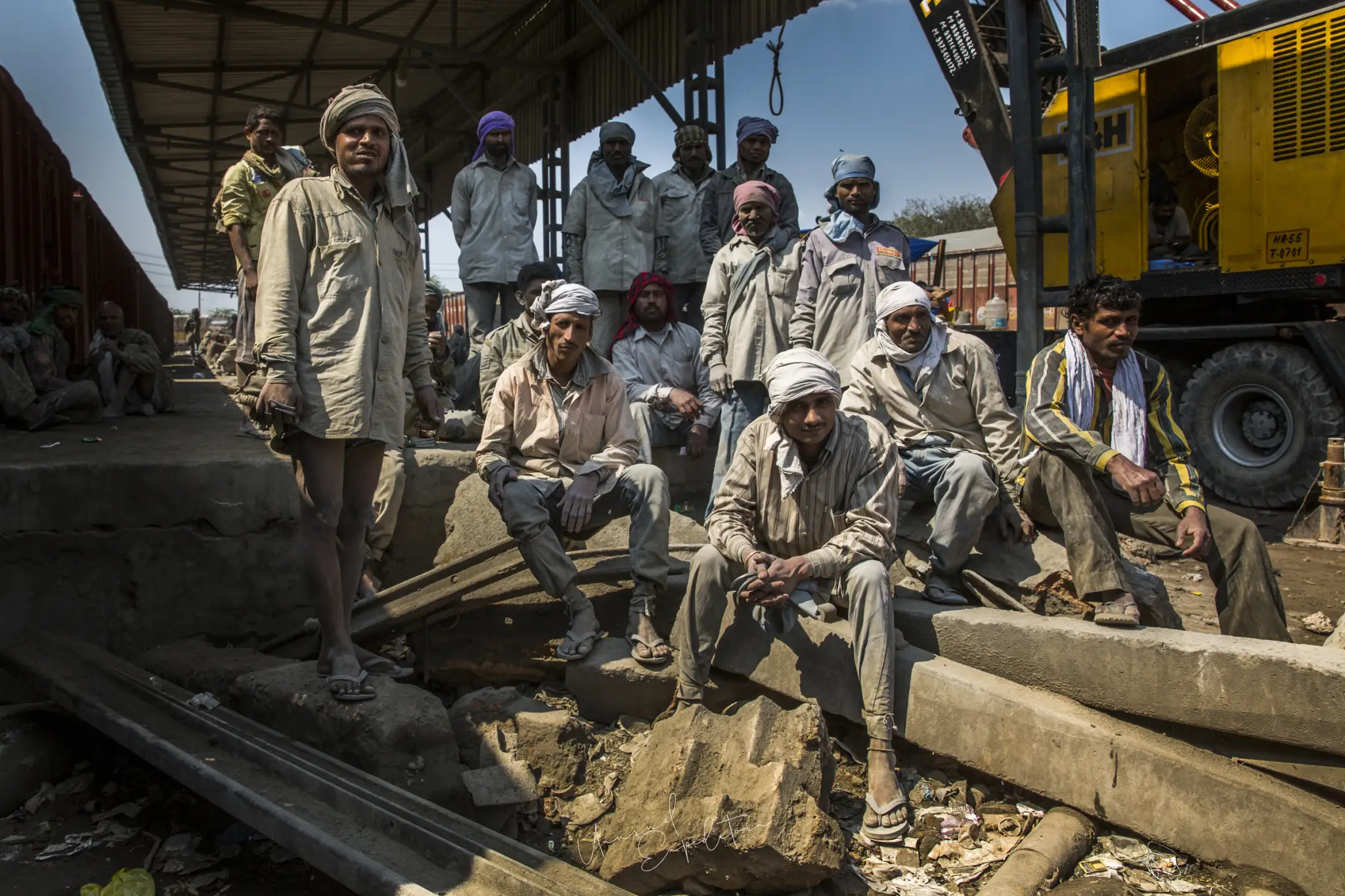
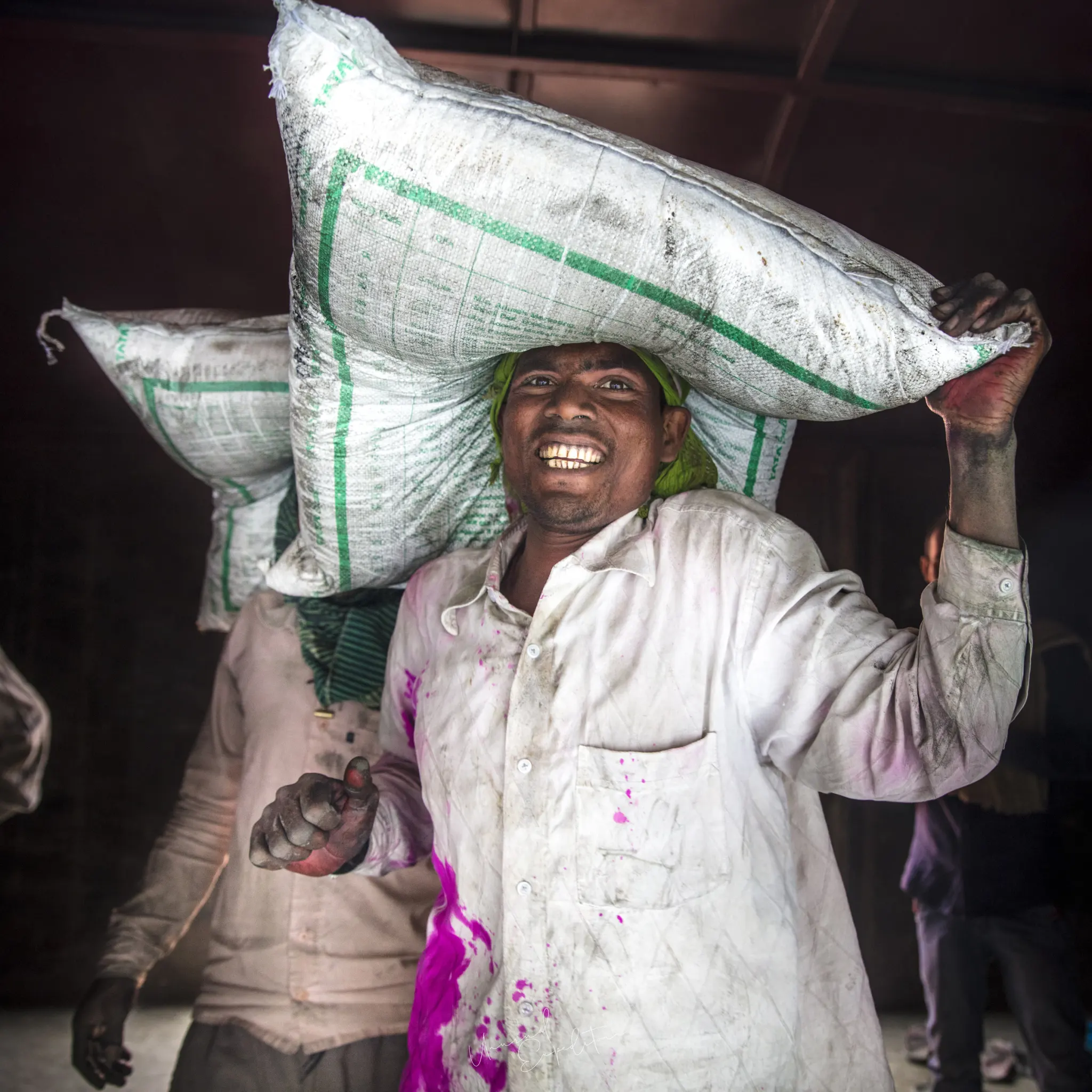
Agra is a railway town, and the yards and goods sheds near its stations are full of strong faces and hard work: gangs of track workers resting on the sleepers between shifts, porters in dust-covered shirts carrying sacks on their heads, men leaning in the doorways of goods wagons. The light inside the sheds is theatrical, a shaft of daylight through a door or a skylight onto flour dust or cement powder, and it rewards a careful exposure for the highlights. Be aware of the rules. The Railway Board's general guidelines say that still and video photography on railway premises needs permission, which foreign nationals request from the Railway Board's Public Relations Directorate. Keep to public areas, never step onto a live track, and if an official asks you to stop, stop.
Photographing people in Agra with respect
The working people of Agra are not a show, and the best portraits come from a few minutes of conversation. Greet people before you lift the camera, ask with a gesture if you share no language, and show the result. In our experience most porters and washermen are curious and proud of their work; a few said no, and that answer is final. We do not photograph children, and we suggest you do not either. If someone asks for a small payment for a portrait, decide before you shoot, not after.
Mehtab Bagh and the far bank
Across the Yamuna from the Taj Mahal, Mehtab Bagh is a restored Mughal garden aligned with the mausoleum. The Agra district administration calls it the finest vantage point for viewing and photographing the Taj, especially at sunset, and lists it as open from sunrise to sunset every day. It is also the answer to the Friday closure of the Taj. Our Taj Mahal sunrise and sunset guide explains where to stand there, and the Agra Fort photos guide covers the fort, the other half of a Friday in Agra.
How much time to give Agra
For photography, give Agra at least two mornings: one inside the Taj Mahal at opening time and one for the river, the fort or a second try at the Taj if the first was lost to fog. Add an evening at Mehtab Bagh and a free afternoon for the goods sheds and the streets. Check the Friday closure before you fix the order, and read the best time to visit Taj Mahal guide for the season.
See the other Agra with us
We run Agra as a private trip on request, with as much time on the river and in the streets as you want, for individuals, families, couples and photographers. We arrange all the logistics and introductions, and a photographer or coaching can be added at extra cost. See private tours and our India photography tours page.
Ask us about Agra beyond the Taj
Agra photography tours
The next Agra departure is announced on the Agra photography tours page, with previous expeditions and all the planning guides.
Explore Agra in depth
- Agra Photography Tour Guide: the Taj Mahal, Agra Fort and the YamunaIndia
- Taj Mahal Sunrise and Sunset: Where to Be and Which Way the Light FallsIndia
- Taj Mahal Rules for Photographers: Tripods, Drones and the MausoleumIndia
- Taj Mahal Photography: Where to Stand, the Light and Photo IdeasIndia
- Best Time to Visit Taj Mahal: the Month, the Day and the HourIndia
- Agra Fort Photos: What to Photograph Inside the Red Fort of AgraIndia
Upcoming Photo Tours
- Egypt Photo Tour – EgyptEgypt 12 Dec 2026 To 20 Dec 2026
- Inner Mongolia Winter Owl Photo Tour – ChinaChina 01 Jan 2027 To 04 Jan 2027
- Inner Mongolia Winter Photo Tour – ChinaChina 05 Jan 2027 To 11 Jan 2027
- Mekong And Central Highland Vietnam Photo Tour - VietnamVietnam 16 Jan 2027 To 24 Jan 2027