
Agra Photography Tour Guide: the Taj Mahal, Agra Fort and the Yamuna
Photographing Agra: the Taj Mahal and its light, Agra Fort, Mehtab Bagh and the Yamuna riverbank, with the rules and the seasons.
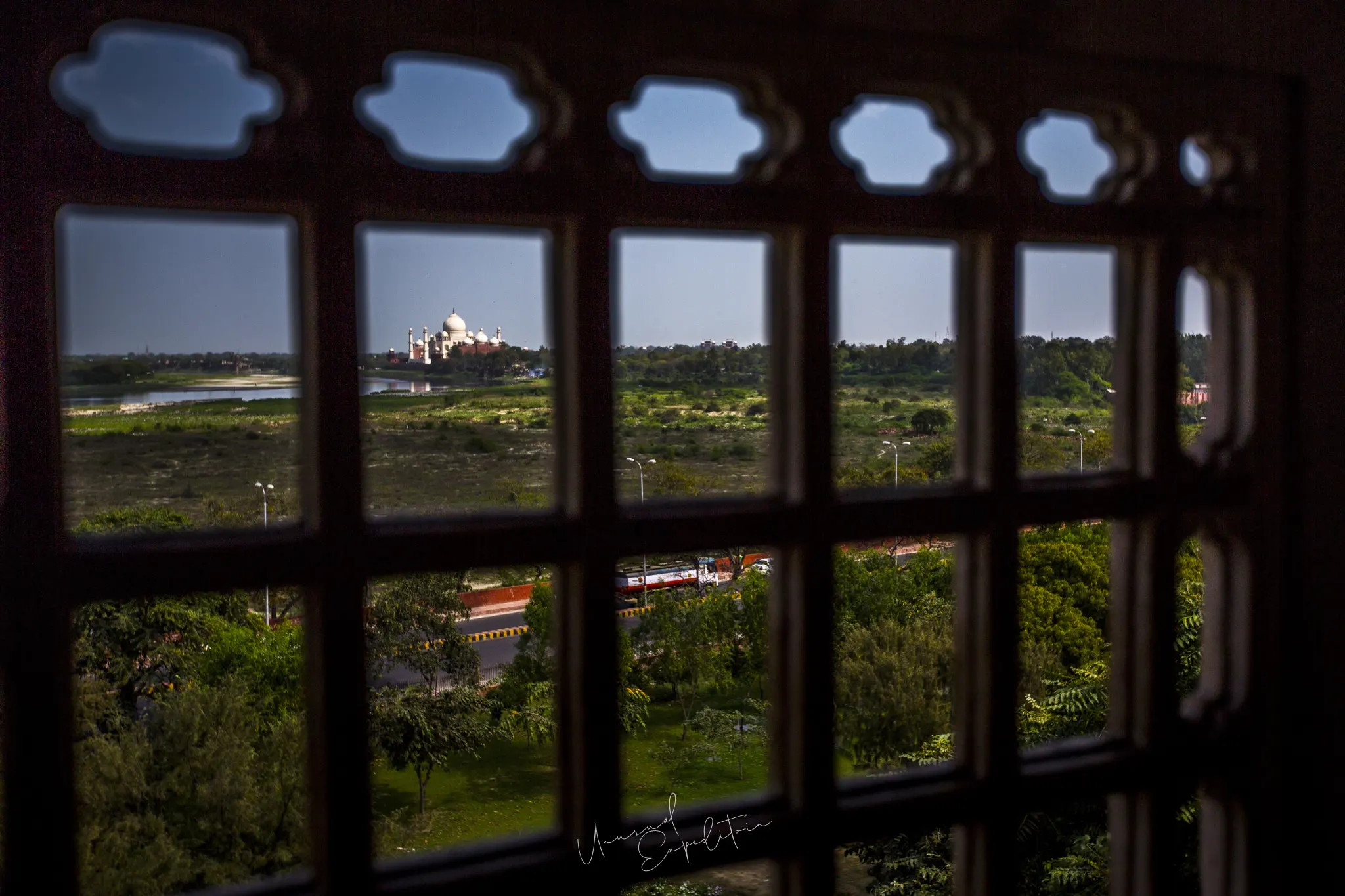
The Agra Fort and Taj Mahal are the two reasons most photographers come to Agra, and they belong in the same trip: the fort stands upstream on the same bank of the Yamuna, and from its riverside pavilions you look across the bend of the river to the white dome. Add Mehtab Bagh on the far bank, the washermen on the river below the railway bridge and the rail yards, and Agra gives you far more than one famous view, provided you plan around the light and the rules.
This is the Agra area guide within our India photography tour guide, which covers visas, money, flights and the rest of the country. We have photographed Agra on several trips, always alongside Holi in the Braj country to the north. The photographs in this guide are our own, taken on those trips; we hold the rights to them, and the notes come from knowing the place first hand.
Agra Fort and Taj Mahal: how the two fit together
Agra was a Mughal capital, and both of its great monuments sit on the right bank of the Yamuna. Agra Fort, the walled palace city rebuilt in red sandstone by Akbar and later dressed in white marble by Shah Jahan, faces the river upstream. The Taj Mahal stands downstream at the edge of the water, with its garden spread out to the south. The official Taj Mahal site, run by the Department of Tourism of the Government of Uttar Pradesh, describes the plan plainly: the tomb is at the northern end, with the garden and the gateways between it and the city. That single fact decides most of your photography. You approach the Taj from the south, you see its main face from the garden, and the river side is the back. Both monuments are UNESCO World Heritage Sites, and so is Fatehpur Sikri, Akbar's short-lived capital outside the city.
The Taj Mahal for photographers
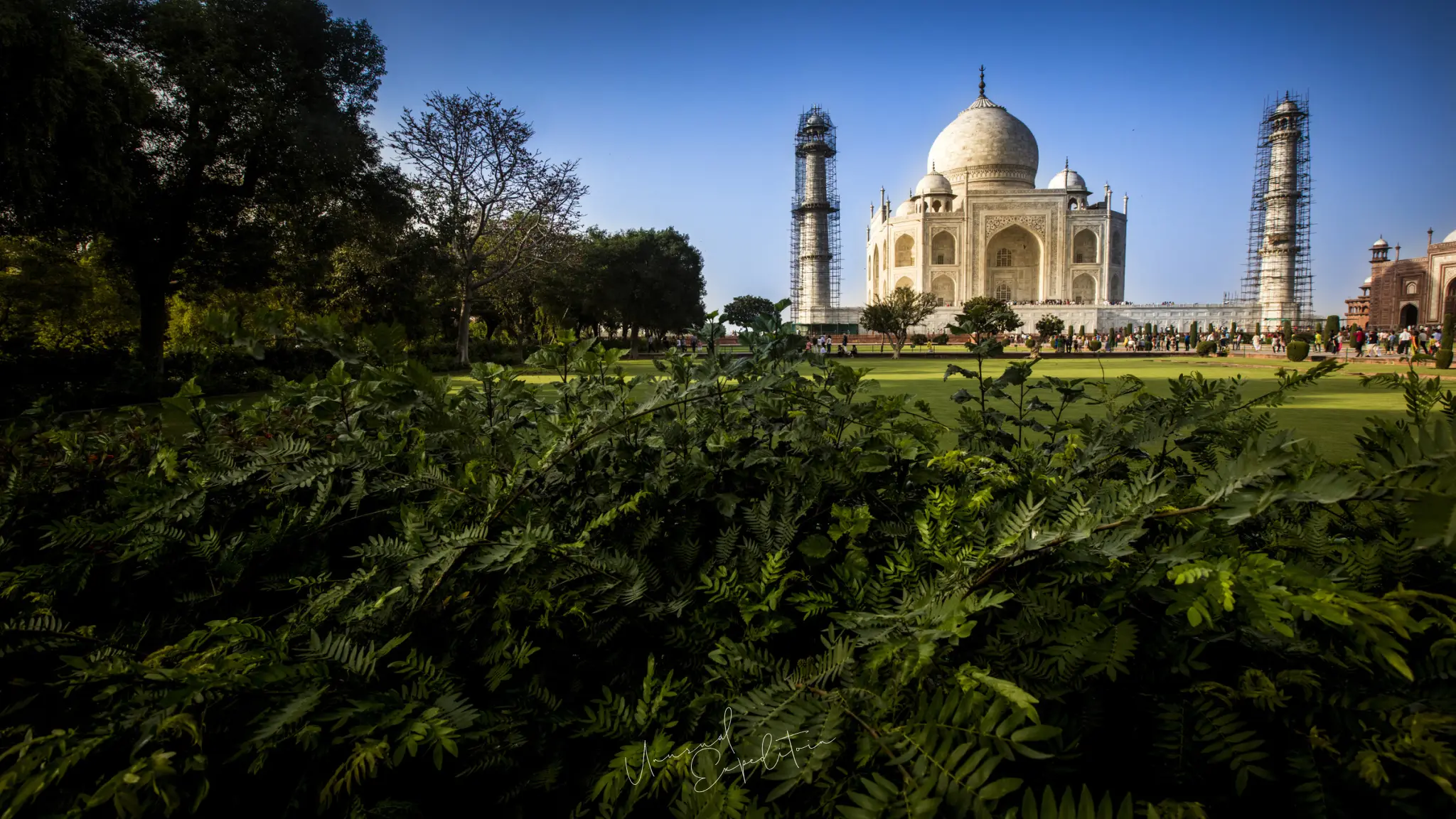
The Taj Mahal rewards a slow visit more than a quick one. Inside the complex you have the great gate, the long garden with its water channel, the mausoleum on its marble platform, and two red sandstone buildings beside it: the mosque on the west and its mirror image, the guest hall, on the east. Each gives a different view, and the best of them are not on the central axis. Our Taj Mahal photography article goes through where to stand, which lenses to carry when tripods are not allowed, and photo ideas beyond the postcard.
The rules shape the day as much as the light. The official site states that the Taj Mahal is closed on Fridays, that photography is prohibited inside the main mausoleum, that tripods are prohibited and that drones are strictly prohibited inside and around the monument. Read Taj Mahal rules for photographers before you pack.
Light, sunrise and sunset in Agra
Because the Taj Mahal faces south over its garden, the morning sun comes from your right as you look at the main face from the garden, and the late afternoon sun from your left. The official visiting hours run from 30 minutes before sunrise to 30 minutes before sunset, so you can be inside for sunrise but not for the last light. For sunset, go across the river to Mehtab Bagh, the Mughal garden aligned with the Taj on the far bank, which the Agra district administration calls the finest vantage point for viewing and photographing the Taj, especially at sunset. In winter the Yamuna often wakes in mist. The Taj Mahal sunrise and sunset guide covers both banks.
"Everyone runs straight to the centre of the garden. Late in the afternoon I go the other way, up onto the mosque platform on the west side. The sun is behind you, the side of the Taj lights up with hardly anyone in front of it, and the sandstone under your feet glows like the inside of a kiln."
Joseph Mak, tour leader, Unusual Expedition
Agra Fort
Agra Fort is the second half of any Agra photography trip and, for many photographers, the more relaxed one. Inside the walls are the Jahangir palace, the Diwan-i-Am and Diwan-i-Khas audience halls, the white marble Khas Mahal and the Musamman Burj, the octagonal tower where Shah Jahan is said to have spent his last years looking at the Taj. The Agra district site lists the fort as open on all seven days, which makes it the natural plan for a Friday when the Taj is closed. Our Agra Fort photos article covers what to photograph inside and when the light suits each part.
Agra what to see beyond the monuments
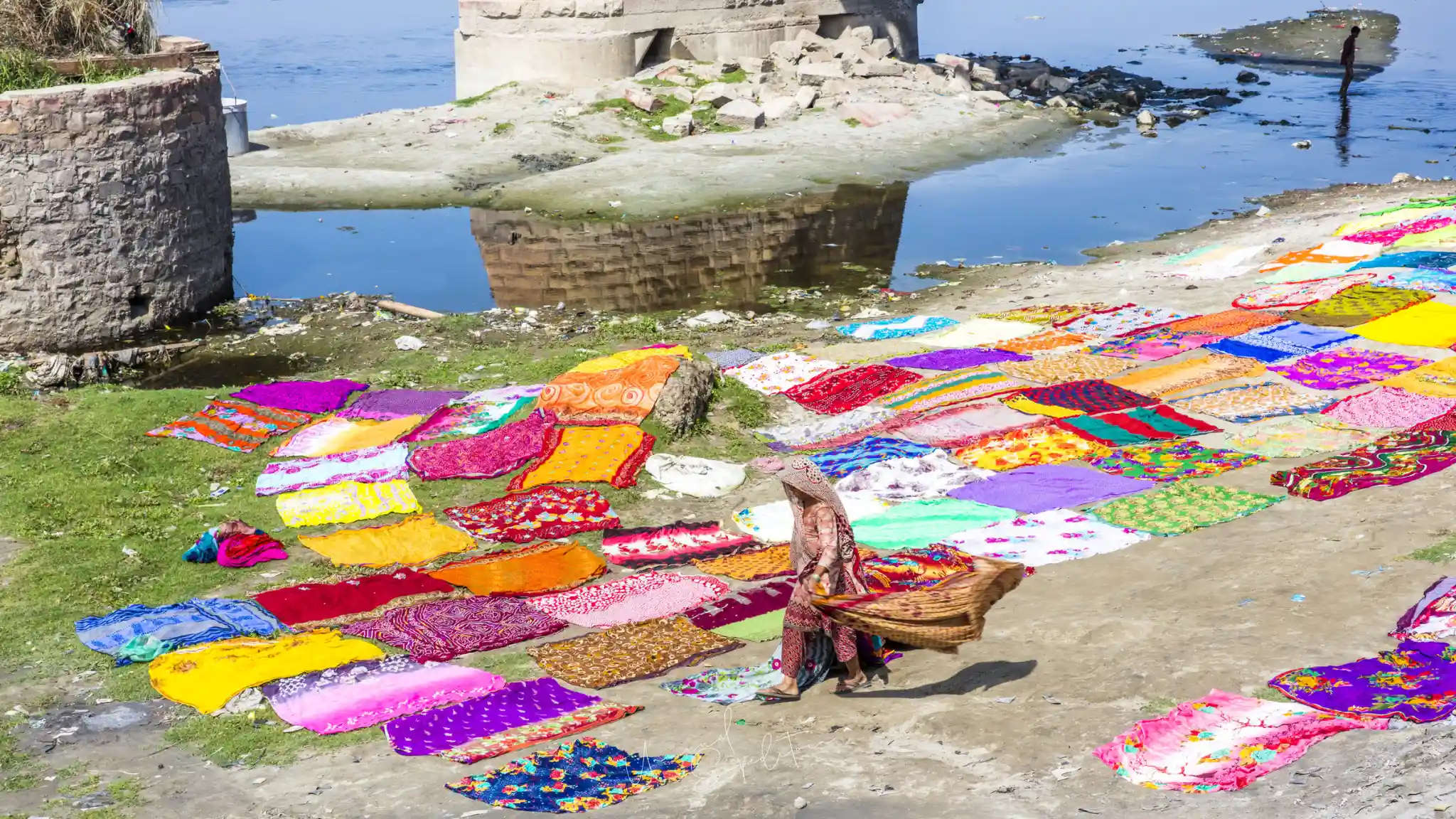
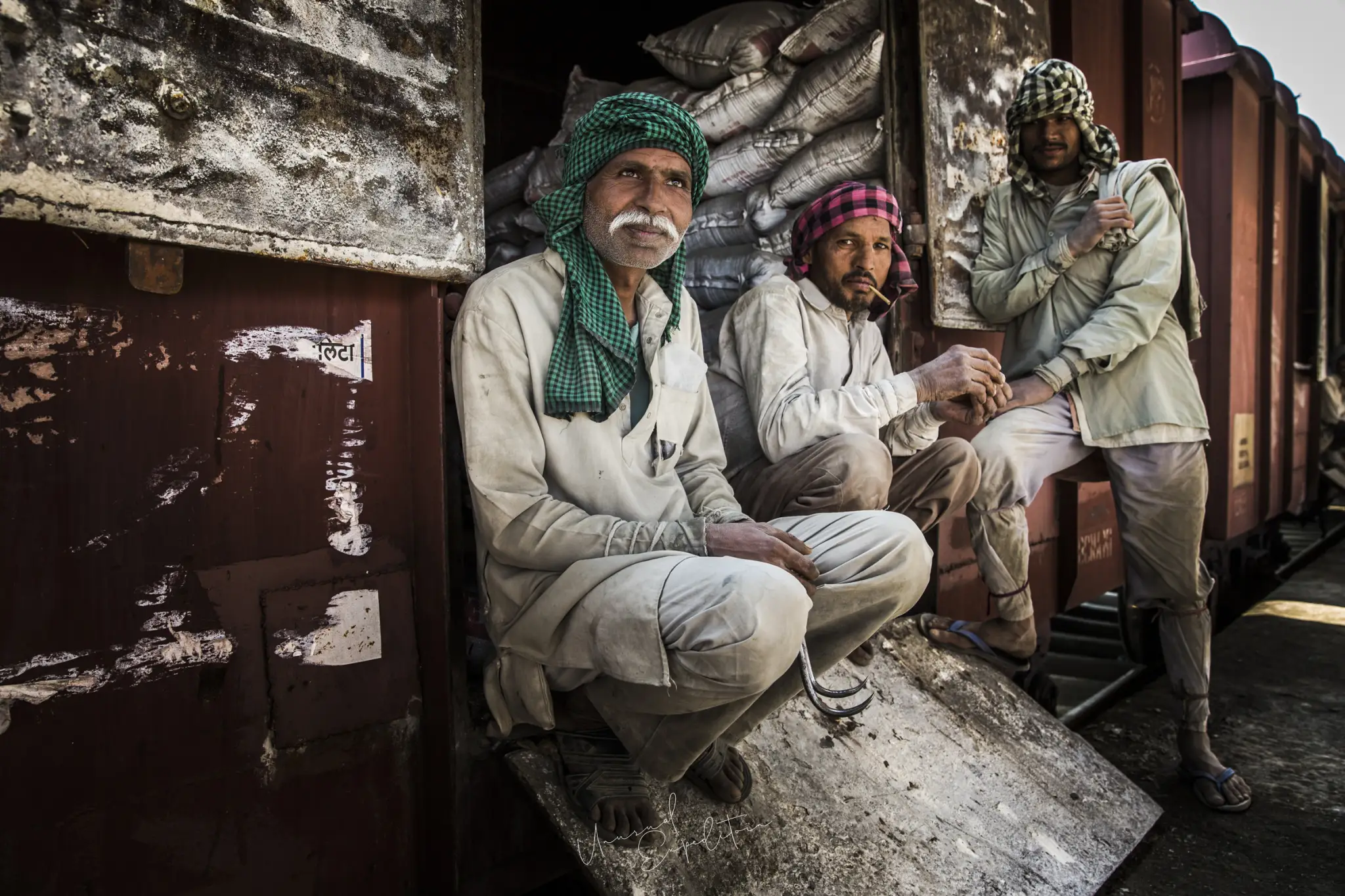
Agra is also a working river town, and the best of it for street photography is along the Yamuna. Below the railway bridge near the fort, washermen beat cloth on stone slabs in the shallows and lay saris out to dry on the bank in long rows of colour. Near the stations, porters load and unload goods wagons and rest in the shade between trains. Ask first, show people the picture on the back of the camera, and you will usually be welcome. Is Agra worth visiting? looks at the city beyond the Taj, including the river and the rail yards.
Where to photograph in Agra
| Place | Subject | Best light | Lens |
|---|---|---|---|
| Taj Mahal garden and great gate | The main face, reflections, visitors | Opening time in the morning | 16-35mm, 24-70mm |
| Mosque and guest hall platforms | The Taj from the side, sandstone arcades | Guest hall in the morning, mosque in the late afternoon | 24-70mm |
| Mehtab Bagh, across the Yamuna | The river face of the Taj | Sunset, sunrise mist | 70-200mm |
| Agra Fort | Palaces, halls, the Taj across the river | Morning and late afternoon | 16-35mm, 70-200mm |
| Yamuna bank below the railway bridge | Washermen, drying cloth | Morning | 24-70mm |
The table is built around one constraint: the Taj closes before sunset, so the river and Mehtab Bagh carry the evening.
When to go to Agra
The cool, dry months from October to March are the photographers' season in Agra, as they are across the northern plains. The India Meteorological Department counts January and February as winter and March to May as the hot pre-monsoon season, followed by the southwest monsoon from June to September. Winter mornings often bring fog, which can hide the Taj entirely at dawn and then lift into soft, pearly light. Spring is clearer and warmer, and by April the midday glare off the marble is hard on the eyes and the files. The official site notes that most visitors come in October, November and February, so expect queues then. The best time to visit Taj Mahal article breaks this down by month and by hour.
Agra with Mathura, Vrindavan and Delhi
Agra rarely stands alone in our trips. It lies at the southern edge of the Braj country, on the main road and railway from Delhi through Mathura, so it pairs naturally with Holi in Mathura and Vrindavan in March, and most international visitors arrive through Delhi, where we photograph the old city, the akharas and the railway platforms in our Delhi photography tour guide. Plan Agra around the Friday closure and the full moon if you want the night viewing, and leave room for a second morning at the Taj: fog, crowds and haze can all spoil a single attempt.
Explore Agra in depth
- Taj Mahal photography: where to stand, the light and photo ideas
- Taj Mahal sunrise and sunset: where to be and which way the light falls
- Best time to visit Taj Mahal: the month, the day and the hour
- Taj Mahal rules for photographers: tripods, drones and the mausoleum
- Agra Fort photos: what to photograph inside
- Is Agra worth visiting? What to see beyond the Taj Mahal
Photograph Agra with us
We run Agra as a private trip on request, on its own or together with Holi in Braj, Delhi or Varanasi, for individuals, families, couples and photographers who want their own pace. We arrange all the logistics around what you want to photograph, the cost can be lower than our group tours because no tour leader travels, and a photographer or photography coaching can be added at extra cost. Ask at least two months ahead if you can; last-minute trips can be arranged. See private tours and our India photography tours page.
Agra photography tours
The next Agra departure is announced on the Agra photography tours page, with previous expeditions and all the planning guides.
Explore Agra in depth
- Taj Mahal Sunrise and Sunset: Where to Be and Which Way the Light FallsIndia
- Taj Mahal Rules for Photographers: Tripods, Drones and the MausoleumIndia
- Taj Mahal Photography: Where to Stand, the Light and Photo IdeasIndia
- Is Agra Worth Visiting? What to See Beyond the Taj MahalIndia
- Best Time to Visit Taj Mahal: the Month, the Day and the HourIndia
- Agra Fort Photos: What to Photograph Inside the Red Fort of AgraIndia
Upcoming Photo Tours
- Egypt Photo Tour – EgyptEgypt 12 Dec 2026 To 20 Dec 2026
- Inner Mongolia Winter Owl Photo Tour – ChinaChina 01 Jan 2027 To 04 Jan 2027
- Inner Mongolia Winter Photo Tour – ChinaChina 05 Jan 2027 To 11 Jan 2027
- Mekong And Central Highland Vietnam Photo Tour - VietnamVietnam 16 Jan 2027 To 24 Jan 2027