
Best Time to Visit Varanasi: Weather, Festivals and Light by Month
Best time to visit Varanasi for photography: weather by month, Dev Deepawali in November, winter fog, the Holi season and the monsoon.
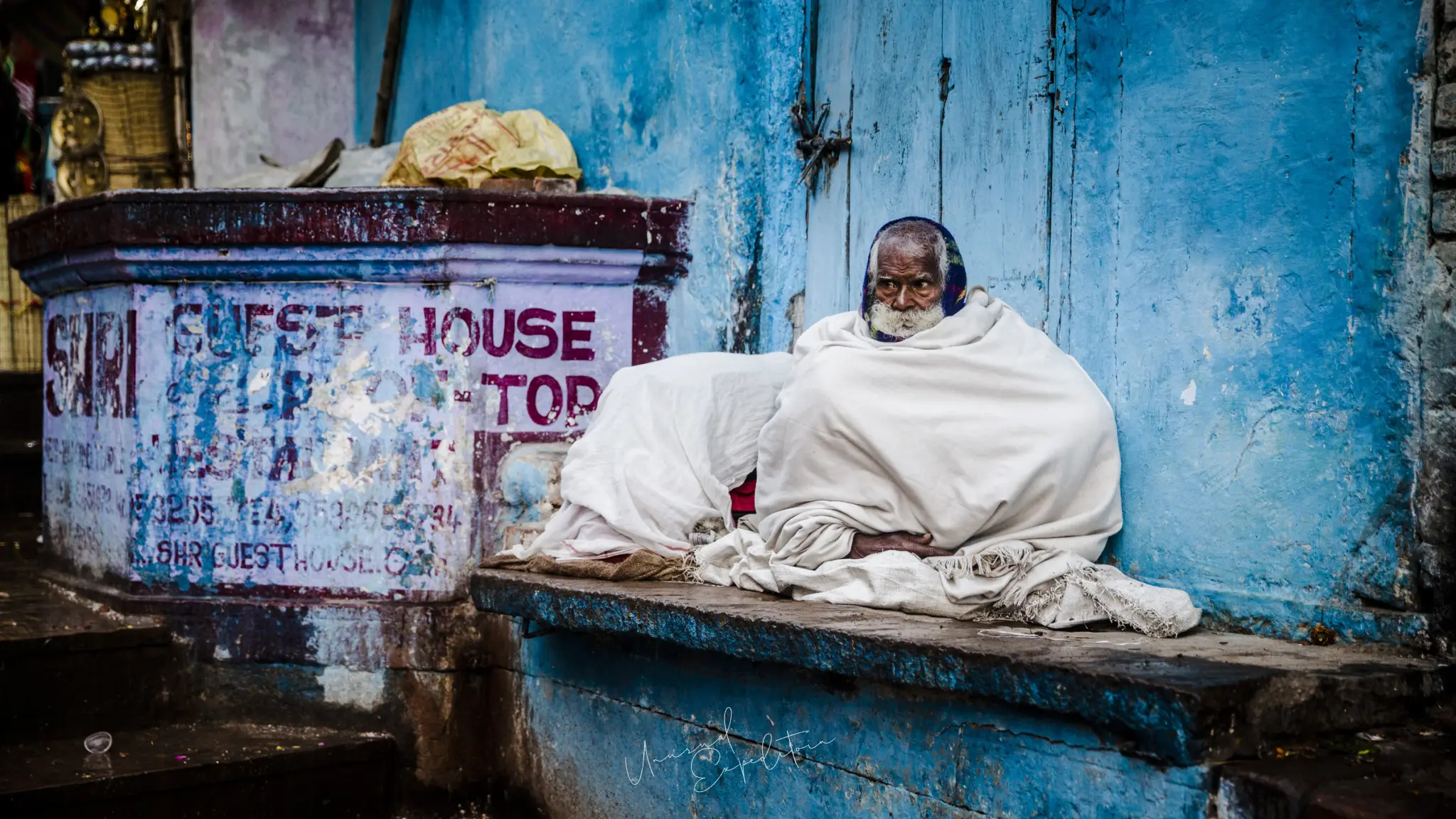
The best time to visit Varanasi is from October to March, the months Incredible India calls the most pleasant for exploring the city. For photography, November and February to March are the strongest: November brings Dev Deepawali, when the ghats are lined with lamps, and late winter brings clearer mornings and the Holi season. December and January are cold and often foggy, beautiful but unreliable. April to June is very hot, and the monsoon from June to September floods the lower ghats.
This article is part of our Varanasi photography tour guide. Our own Varanasi visits were in the late-winter weeks around Holi, which is where the photographs in this article come from.
Best month to visit Varanasi, month by month
| Month | Weather and light | On the river and ghats | For photographers |
|---|---|---|---|
| January | Cold, foggy mornings | Fog can hide the far bank | Soft, moody; plan spare mornings |
| February | Cool, clearing | Busy mornings; Maha Shivaratri in some years | Very good |
| March | Warm, clearer air | Holi season | Very good, colour in the streets |
| April to May | Hot pre-monsoon season | Low river, fewer visitors | Only the first and last light |
| June to September | Southwest monsoon | River rises over the ghats, boats may stop | Difficult; dramatic skies |
| October | Post-monsoon, warm, clearing | Diwali in some years, ghats emerging | Good |
| November | Pleasant, cooler | Dev Deepawali, Chhath | Excellent, and busy |
| December | Cool to cold, fog begins | Winter crowds of pilgrims and visitors | Good, with fog risk |
If we could choose only one window, it would be February into March: cool enough to walk all day, usually clear enough for the sunrise, and alive with the build-up to Holi.
Weather in Varanasi through the year
Varanasi lies on the plains of Uttar Pradesh, and its year follows the four seasons the India Meteorological Department uses for the whole country: winter in January and February, the hot pre-monsoon months from March to May, the southwest monsoon from June to September, and the post-monsoon months from October to December. Winter days are mild and bright once the fog lifts, but nights and early mornings on the river are cold, and you will see the old men of the ghats wrapped in shawls and blankets. By April the heat is intense, and the river and the ghats are at their best only for an hour at each end of the day. Wikivoyage also warns that the city's air is often polluted, which adds haze in the cooler months; check the air quality before you go out early.
Varanasi in November: Dev Deepawali
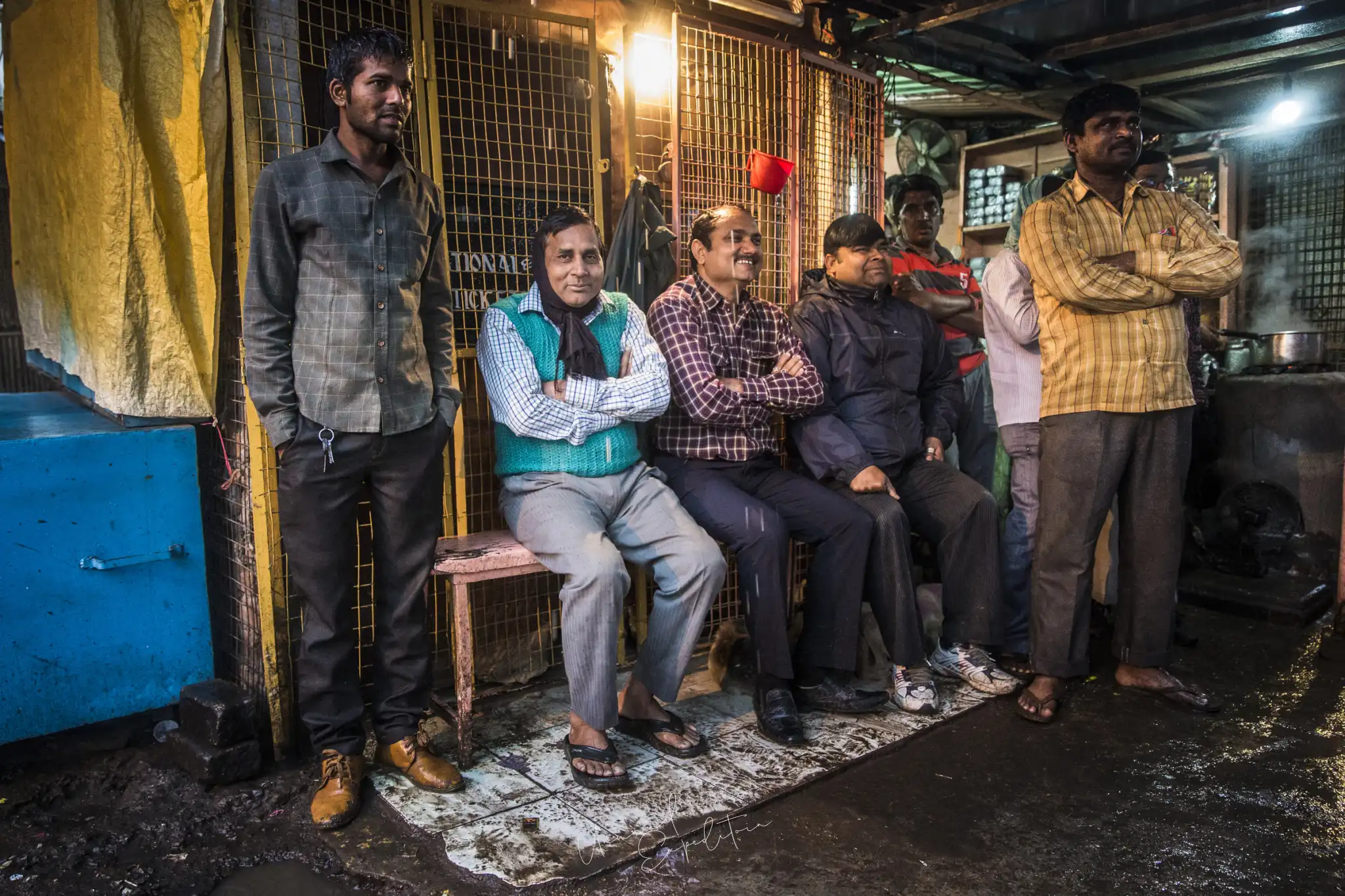
Varanasi in November is the city at its most festive. Dev Deepawali, the festival of lamps for the gods, falls on Kartik Purnima, the full moon of the month of Kartik, fifteen days after Diwali. Incredible India describes millions of earthen lamps lining the ghats and priests performing a grand aarti on the river; the Gregorian date moves every year with the lunar calendar, so check the Uttar Pradesh tourism calendar before you plan. It is the most photographed night of the year, and the most crowded: Wikivoyage advises watching from a boat and not trying to walk along the ghats that evening. Chhath, the festival of the sun god, also falls in November, with devotees standing in the river at sunset and sunrise. If you go for Dev Deepawali, book your boat early and expect every view to be shared.
Varanasi in December and January: fog
Varanasi in December and January is a gamble with the weather, and sometimes a winning one. On many mornings the plains of north India wake under fog, and on the river it can be so thick that the far bank disappears and the boats float in white. When it thins, the sun comes through as a pale disc and the ghats appear slowly, layer by layer, which makes some of the most atmospheric pictures the city gives. When it does not thin, you photograph close: a boatman, a priest under his parasol, steam from a tea stall. Build spare mornings into a winter trip, dress warmly for the river, and keep lens cloths dry. The Varanasi sunrise and sunset article covers the river light in more detail.
February and March: the Holi season
Late winter is when we have photographed Varanasi, combined with Holi in Braj, and it is the window we recommend. Holi falls on the full moon of Phalguna, the last full moon of the Hindu lunisolar year, which Incredible India says usually comes in March; the dates move each year, so check the official holiday list for the year you travel. In the weeks around it the mornings are cool, the river is usually clear of fog, and you will see the colour of the festival on people's faces and in their hair at the ghats. Maha Shivaratri, the great night of Shiva, often falls in February and fills the temples and streets of Varanasi with pilgrims; check the year's date. Our Ganga aarti in Varanasi article covers the evening ceremony, which runs every night of the year.
"I like Varanasi in the weeks around Holi. The cold has gone out of the mornings, the fog has mostly lifted, and people come down to the river still carrying the colour of the festival. You see the city in a good mood."
Joseph Mak, tour leader, Unusual Expedition
Monsoon in Varanasi
From June to September the southwest monsoon brings heavy rain, and the Ganges rises steadily. In recent years the river has climbed over the lower ghats and the paths between them; Indian newspapers reported that in the August floods the aarti at Dashashwamedh moved to higher ground and rooftops, and the district administration suspended boats until the water fell. Some photographers come for the storm light and the drama of a swollen river, but movement along the ghats is limited and boats may not run. Unless you know Varanasi and want those pictures in particular, choose another season.
Best time to visit Varanasi with less crowd
The best time to visit Varanasi with less crowd is outside the big festival dates and the Indian holiday weeks. Weekday mornings in February or early March, avoiding Maha Shivaratri and the Holi days themselves, are quieter than November around Dev Deepawali or late December. Early starts help more than any choice of month: before sunrise even the busiest ghats belong to the bathers and the boatmen, and the tour groups arrive later. The northern ghats beyond Manikarnika are quieter at any time of year. Our best ghats in Varanasi guide says which stretch suits which hour.
Plan your Varanasi season with us
We run Varanasi as a private trip on request, timed to the season and the festival you want, and often combined with Holi in Mathura and Vrindavan. We arrange the logistics; a photographer or photography coaching can be added at extra cost. See private tours and our India photography tours page.
Varanasi photography tours
The next Varanasi departure is announced on the Varanasi photography tours page, with previous expeditions and all the planning guides.
Explore Varanasi in depth
- Varanasi Photography Tour Guide: the Ghats, the Aarti and the Old CityIndia
- Varanasi Sunrise and Sunset: Boats on the Ganges at Both Ends of the DayIndia
- Varanasi Street Photography: the Old City Lanes and Their PeopleIndia
- Varanasi Photos: the River, the Lanes and the PeopleIndia
- Is Varanasi Worth Visiting? Getting There and What to KnowIndia
- Ganga Aarti in Varanasi: Where to Watch and How to Photograph ItIndia
- Best Ghats in Varanasi for Photography, Ghat by GhatIndia
Upcoming Photo Tours
- Egypt Photo Tour – EgyptEgypt 12 Dec 2026 To 20 Dec 2026
- Inner Mongolia Winter Owl Photo Tour – ChinaChina 01 Jan 2027 To 04 Jan 2027
- Inner Mongolia Winter Photo Tour – ChinaChina 05 Jan 2027 To 11 Jan 2027
- Mekong And Central Highland Vietnam Photo Tour - VietnamVietnam 16 Jan 2027 To 24 Jan 2027