
Is Varanasi Worth Visiting? Getting There and What to Know
Is Varanasi worth visiting for photographers, how to reach Varanasi, how many mornings, safety, the cremation ghats and what to wear.
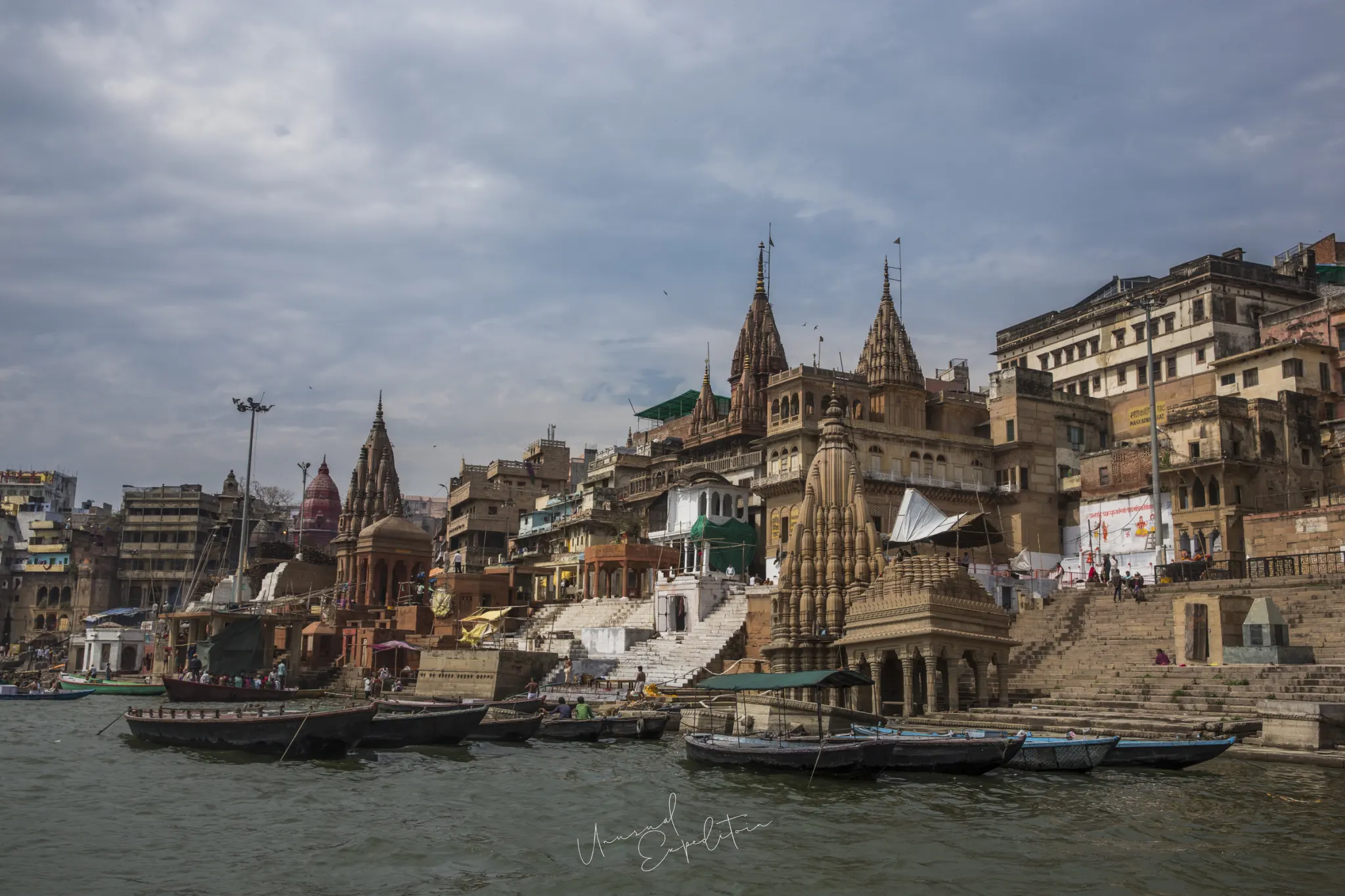
Is Varanasi worth visiting? For a photographer, yes, without much doubt: few places anywhere put so much daily ritual, colour and human life within one stretch of river. It is also crowded, noisy, polluted at times and confronting, because death is part of the city in full view. If you give it at least three mornings, get on the river at dawn and treat the people and the rites with respect, Varanasi gives more pictures than almost any city in India.
This article is part of our Varanasi photography tour guide. It answers the practical questions about getting there and being there; visas, money and international flights are in our how to plan a photography trip to India guide.
Is Varanasi worth visiting for photography
Varanasi is worth visiting for photography because the city lives its religion in public. On the ghats you will see in one morning what other places hide behind temple walls: people at prayer in the river, priests performing rites for the living and the dead, offerings of flowers and fire. Add the boats, the morning light on the palaces, the evening aarti and the lanes behind, and the subject matter is endless. The difficulties are real too. The crowds at the main ghats and at the aarti are dense, touts and boat sellers are persistent, the air can be hazy, and the cremation ghats can shock first-time visitors. None of it outweighs what the city offers, but it does mean Varanasi suits people who are patient, respectful and comfortable in a crowd.
Varanasi places to visit for photographers
| Place | Why go | Camera rules |
|---|---|---|
| The ghats, by boat and on foot | Bathers, priests, boats, the dawn light | Discretion with bathers |
| Dashashwamedh Ghat | The evening Ganga aarti | Allowed; no flash, do not block worshippers |
| Assi Ghat | The morning aarti, music and yoga | Allowed |
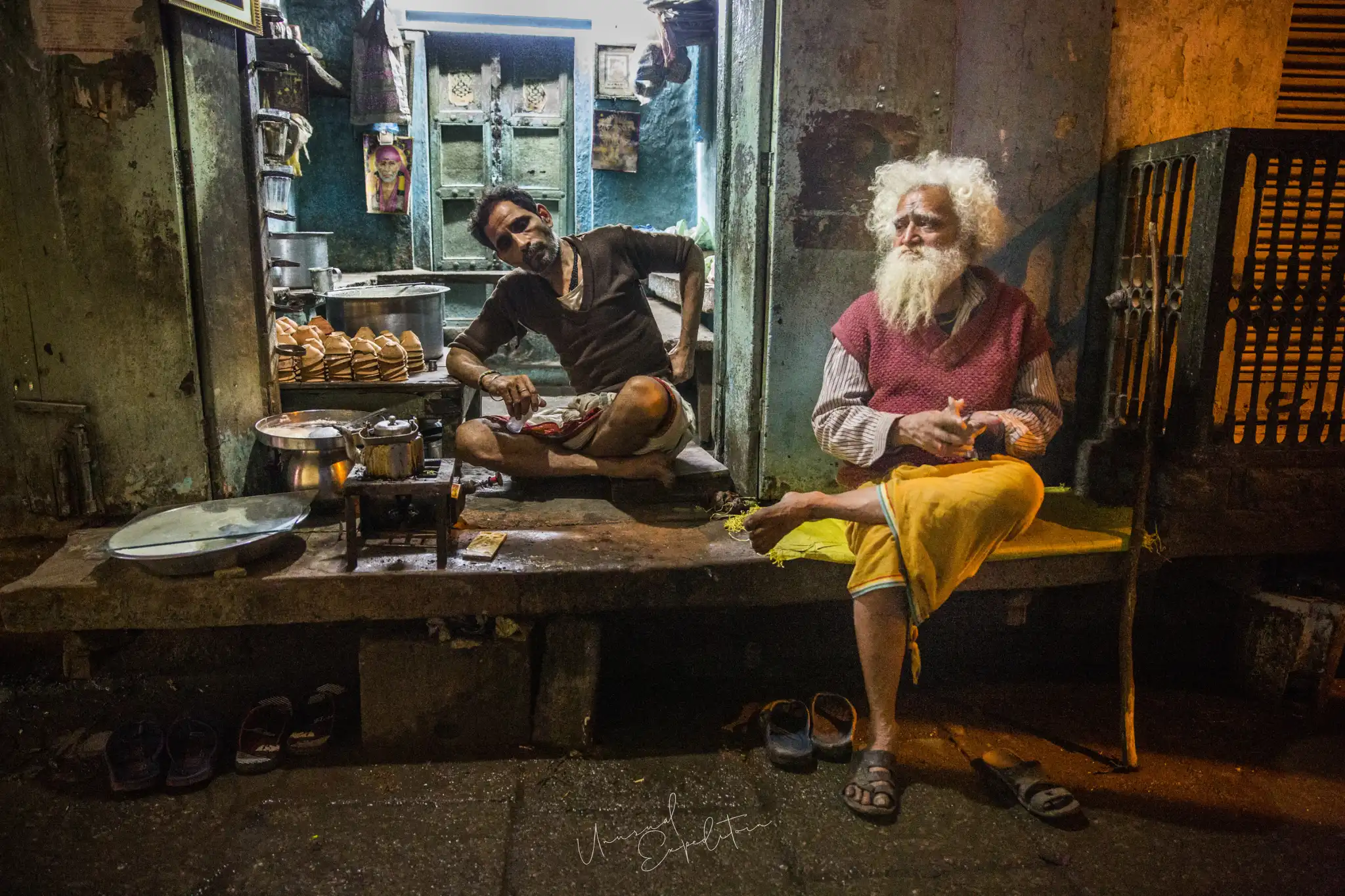
| The old city lanes | Street life, shops, holy men | Ask before portraits |
| Kashi Vishwanath temple | The city's most famous temple | Phones and cameras not allowed inside |
| Manikarnika and Harishchandra | Cremation ghats | No photographs of cremations |
| Sarnath | Where the Buddha gave his first sermon | Check the site rules |
Most of what matters to a photographer is free and outdoors; the rules tighten only at the temples and the cremation ghats.
How to reach Varanasi
Varanasi has its own airport, Lal Bahadur Shastri International Airport, at Babatpur north-west of the city, with domestic flights from Delhi, Mumbai and other Indian cities and a few international links. Most visitors from abroad arrive in Delhi first and connect by air or by train. The railway stations serving the city include Varanasi Junction, Banaras and Pandit Deen Dayal Upadhyaya Junction, which Incredible India and Wikivoyage both list, with trains from Delhi and other cities. From the airport or the station, the last stretch to the ghats is by taxi or auto-rickshaw, and then on foot, because the lanes near the river are too narrow for cars. Ask your hotel how close a vehicle can get before you arrive.
How many mornings to give Varanasi
Give Varanasi at least three mornings. The first goes on finding your way, the second on the river with a boatman who now knows what you want, and the third on the ghat that gave you the best light, sitting still and letting the scene come to you. Evenings are for the aarti, from the steps once and from a boat once, and the hours in between for the lanes. More time is never wasted here: the light, the fog and the people change every day, and the city opens up the longer you stay.
"People ask me if Varanasi is too much. On the first morning it is. By the third, you have a boatman you trust, a chai stall where they know you, and a ghat that feels like yours. That is when the good pictures start."
Joseph Mak, tour leader, Unusual Expedition
Is Varanasi safe for tourists
Varanasi is generally safe for visitors who take ordinary care. Wikivoyage says violent crime is rare but advises care in the lanes after dark, and warns about touts at Manikarnika who ask for money for cremation wood: a known scam. The UK Foreign, Commonwealth and Development Office warns of harassment of women across India, so women photographers may prefer to walk with company, especially at night. Keep your camera strap on in crowds at the aarti. Wikivoyage also warns that Varanasi's air is often polluted and recommends checking air quality and wearing a mask on bad days. The government travel advice for India as a whole, including the Singapore and UK advisories, is in our India photography trip FAQ.
Can you photograph the cremation ghats
No, and you should not try. Manikarnika and Harishchandra are funerals with families in mourning. Wikivoyage asks visitors not to take photographs of cremations, even from the river, and Lonely Planet says photography at Manikarnika is strictly prohibited. You may pass them on foot or by boat; keep the camera down, stay quiet and move on. We do not photograph either cremation ghat. Our best ghats in Varanasi guide explains what Manikarnika means and how to pass it with respect.
Can you bathe in the Ganges
You can, and some visitors do, but we do not recommend it. Wikivoyage notes a real risk of infection from the water at Varanasi. If you want to take part, the morning aarti at Assi Ghat, a leaf lamp floated on the river at dusk, or simply sitting with the bathers at sunrise are respectful ways to share the moment without going in.
What to wear and bring
Dress modestly: shoulders and knees covered for both men and women, and clothes you do not mind getting dusty. Wear shoes that slip off easily, because you will take them off at every temple and on some ghat steps. For the cold months bring a warm layer for the river at dawn; for the camera, a 24-70mm, a fast prime for the aarti and the night streets, and a 70-200mm for bathers and the river. Leave the tripod at home unless you plan long exposures from the steps. The best time to visit Varanasi article explains what each season brings.
Come and see if Varanasi is worth it
We run Varanasi as a private trip on request, for individuals, families, couples and photographers, with the boats, the early starts and the logistics arranged around what you want to photograph. The cost can be lower than a group tour because no tour leader travels, and a photographer or photography coaching can be added at extra cost. See private tours and our India photography tours page.
Ask us about a trip to Varanasi
Varanasi photography tours
The next Varanasi departure is announced on the Varanasi photography tours page, with previous expeditions and all the planning guides.
Explore Varanasi in depth
- Varanasi Photography Tour Guide: the Ghats, the Aarti and the Old CityIndia
- Varanasi Sunrise and Sunset: Boats on the Ganges at Both Ends of the DayIndia
- Varanasi Street Photography: the Old City Lanes and Their PeopleIndia
- Varanasi Photos: the River, the Lanes and the PeopleIndia
- Ganga Aarti in Varanasi: Where to Watch and How to Photograph ItIndia
- Best Time to Visit Varanasi: Weather, Festivals and Light by MonthIndia
- Best Ghats in Varanasi for Photography, Ghat by GhatIndia
Upcoming Photo Tours
- Egypt Photo Tour – EgyptEgypt 12 Dec 2026 To 20 Dec 2026
- Inner Mongolia Winter Owl Photo Tour – ChinaChina 01 Jan 2027 To 04 Jan 2027
- Inner Mongolia Winter Photo Tour – ChinaChina 05 Jan 2027 To 11 Jan 2027
- Mekong And Central Highland Vietnam Photo Tour - VietnamVietnam 16 Jan 2027 To 24 Jan 2027