
Varanasi Photos: the River, the Lanes and the People
Varanasi photos and how they were made: prayer in the Ganges, the lanes and cows, doorway portraits, the akhara and the streets at night.
Varanasi photos that ring true show four things: people praying in the Ganges at sunrise, the ghats and boats along the river, the narrow lanes of the old city with their cows and shrines, and the faces of the pilgrims, holy men and shopkeepers who live there. This photo essay walks through what Varanasi actually looks like through the lens, subject by subject, with a note on how each picture was made and what to watch for.
It is part of our Varanasi photography tour guide. The photographs here are our own, taken on our trips to Varanasi; we hold the rights to them, and the notes come from knowing the place first hand.
Varanasi ghat photos: prayer in the river
The defining Varanasi ghat photos are of people at prayer in the river. In the first hour after sunrise, men and women walk down the steps, wade in to the waist, cup water in their hands and offer it to the sun, then dip under the water. The light comes straight across the river from the east, warm and low, and lights them from the front or the side. The pictures that work are quiet ones: a single man with folded hands, the water rippling around him, the boats behind. Use a 70-200mm from the steps or from a boat so you do not crowd anyone, keep a respectful distance, and never photograph people changing in or out of wet clothes. Bathing is worship, and the people doing it deserve the same courtesy you would give someone in a church.
Varanasi photos, subject by subject
| Subject | Where | Light | Lens | Note |
|---|---|---|---|---|
| Bathers at prayer | Ghat steps, the river | Sunrise | 70-200mm | Distance and discretion |
| Ghats and boats | From a boat | Dawn, blue hour | 24-70mm | Keep the boat still |
| Lanes and cows | Old city behind the ghats | Open shade, any time | 24-70mm, 35mm | Watch for motorbikes |
| Portraits | Doorways, shop steps | Doorway light | 35mm, 85mm | Ask first |
| Akhara wrestlers | Wrestling grounds near the river | Early morning | 24-70mm | Ask the trainer |
| Night streets | Main roads to the ghats | Street lamps | Fast prime | High ISO, steady hands |
A 24-70mm and one fast prime cover almost every picture in this essay.
The lanes and the cows
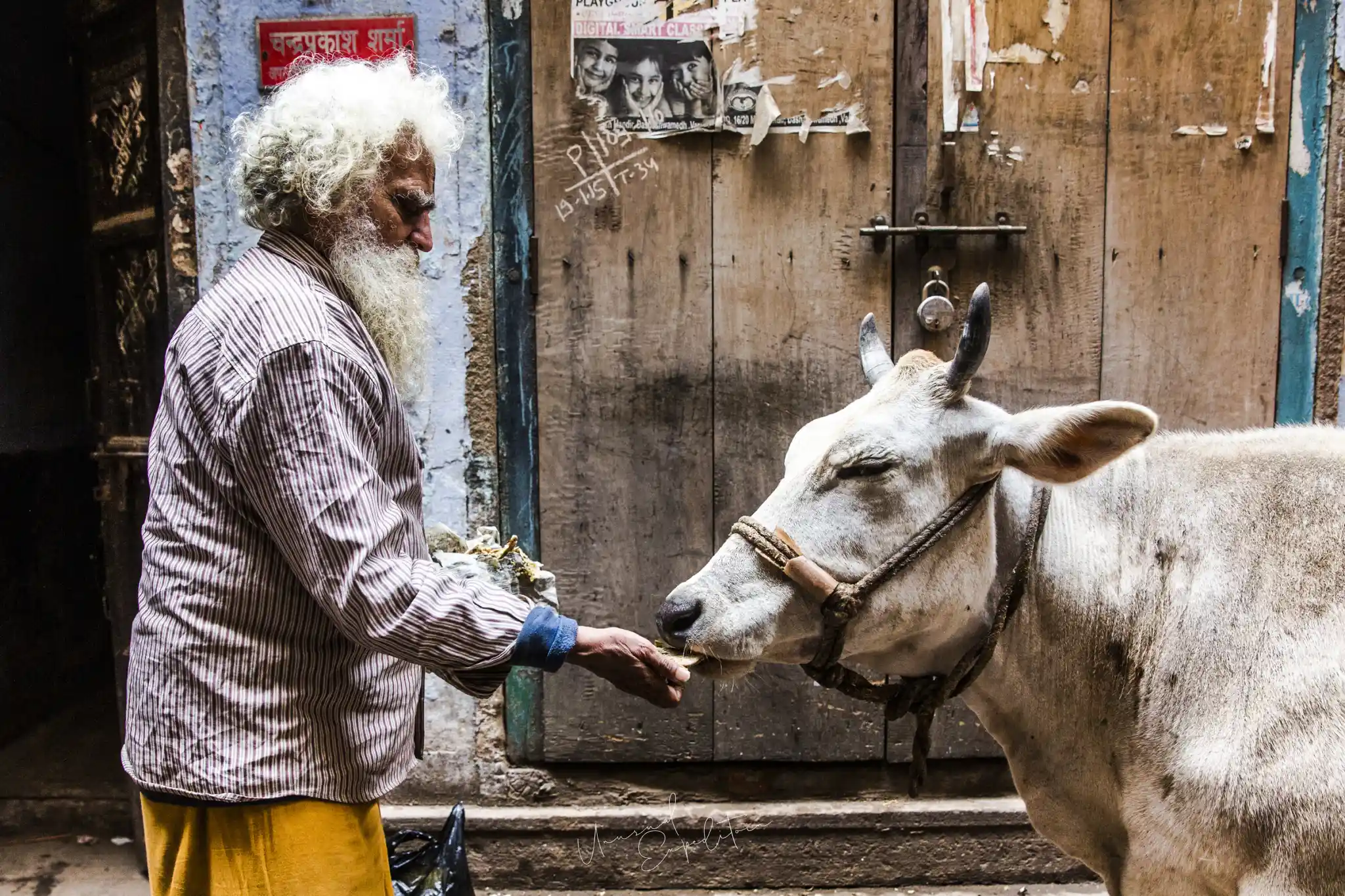
Step back from the river and you are in a different city. The old lanes of Varanasi are often no wider than a doorway, paved with stone and shared by pilgrims, scooters, porters and cows that wander as they please. Cows here are treated with care and fed by passers-by; a man reaching out to one with a handful of greens at his own door is as Varanasi a picture as any on the ghats. The light in the lanes is open shade, soft and even, with bright patches where a gap in the buildings lets the sun in. Shoot at the edges of those patches, and keep your back to a wall when a motorbike comes through. Our Varanasi street photography article goes deeper into the lanes.
Faces of Varanasi
Varanasi draws people from all over India: pilgrims from the villages, sadhus who have given up home and family for the religious life, priests who sit on the same ghat every morning, and the shopkeepers and boatmen who keep the city running. Many are happy to be photographed once you have greeted them and shown some interest; some will ask for a small payment, particularly the holy men around the main ghats, and some will say no. The best portraits we have from Varanasi came from doorways, where the light falls from one side and the frame of the door does the composing for you. A short telephoto or a 35mm used close both work; what matters more is the minute of conversation first.
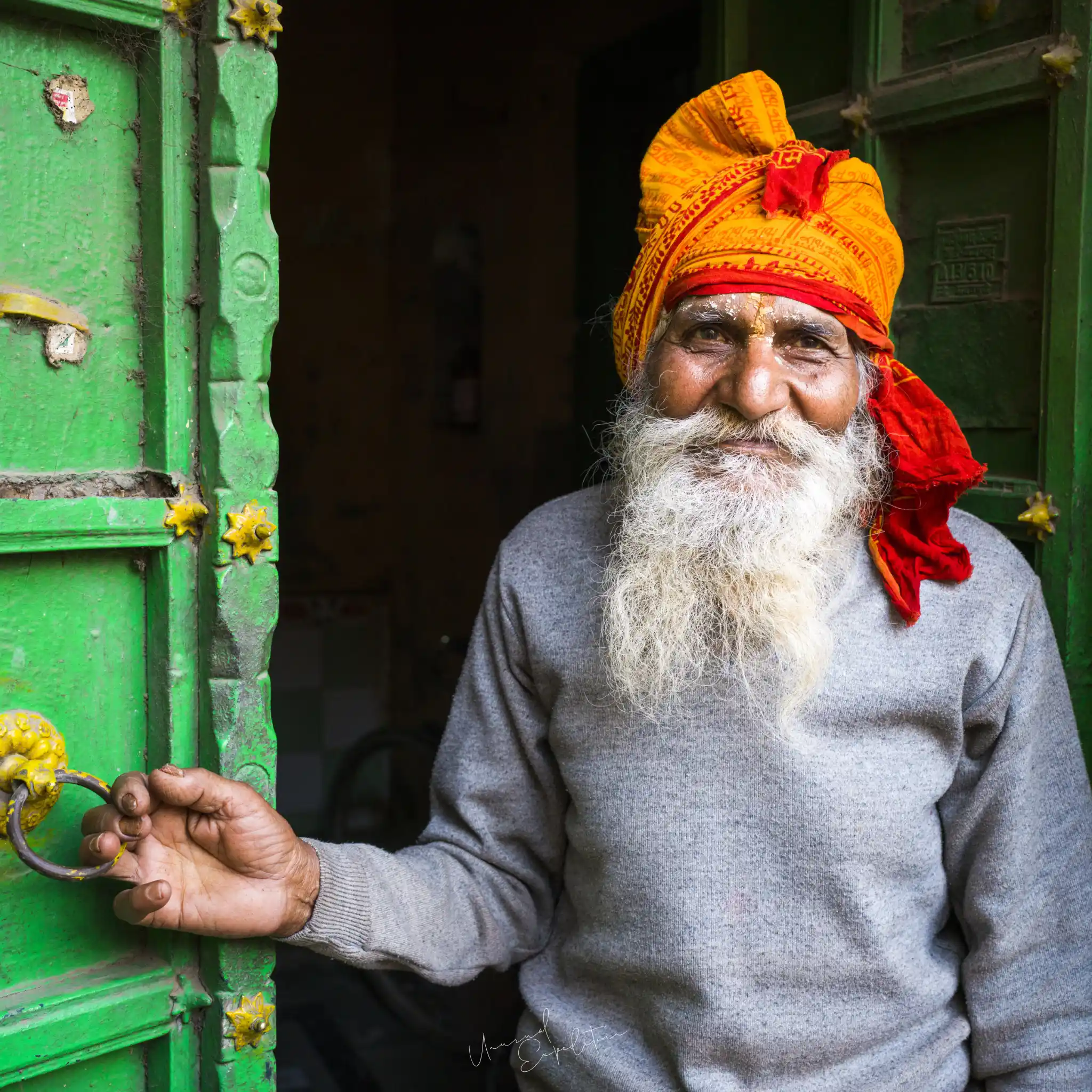
"In Varanasi I stop at a doorway that has good light and wait. Someone always comes, or someone is already sitting there. Then it is just a conversation, and the camera comes up at the end of it."
Joseph Mak, tour leader, Unusual Expedition
The akhara: wrestlers at dawn
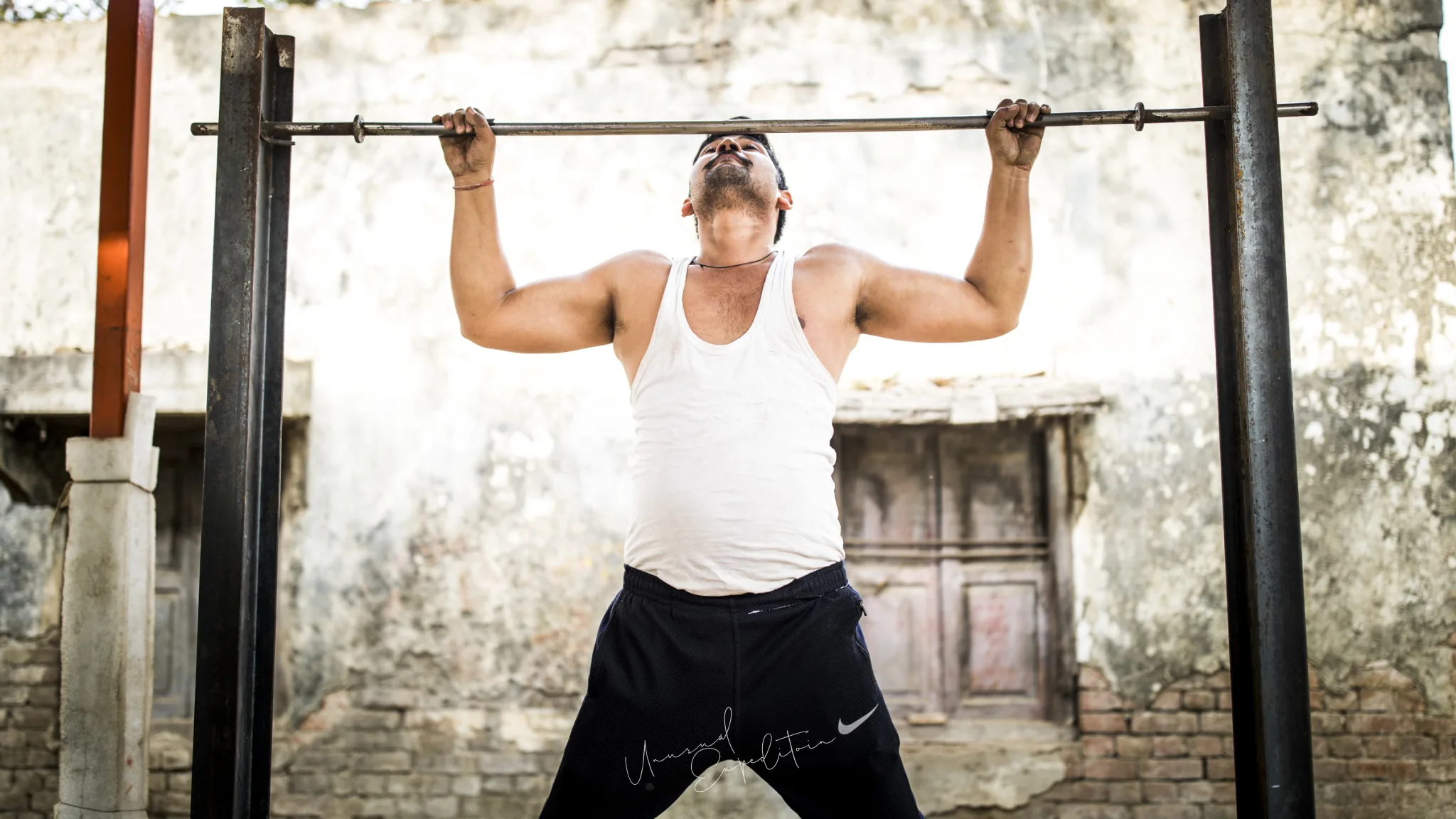
One of the less expected pictures of Varanasi is the akhara, a traditional wrestling ground where men train in kushti, Indian mud wrestling, on a pit of soft, worked earth. Indian newspapers such as The Tribune have written about the mud wrestlers of Varanasi and the best-known akhara at Tulsi Ghat. In the early morning the men warm up with pull-ups and push-ups, swing heavy wooden clubs and then wrestle on the earth. It is a world of discipline and routine, and the older men who come to train are as much part of it as the young. Ask the trainer before you photograph, stay at the edge of the pit, and offer something towards the akhara if it feels right.
Varanasi after dark
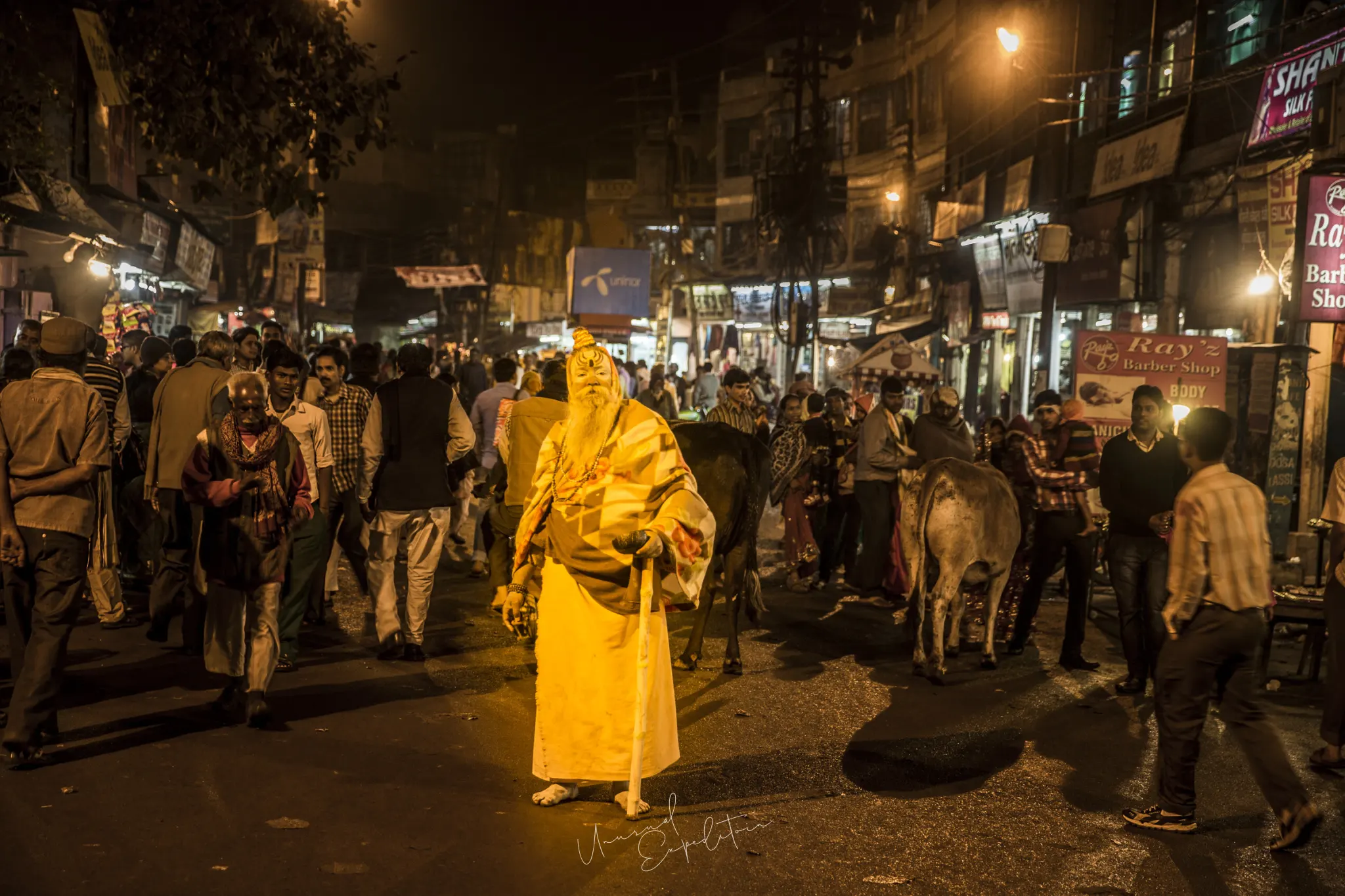
When the aarti ends, the roads leading up from the main ghats fill with people going home, shopping and eating, lit by street lamps and shop fronts. A holy man in saffron standing still in the middle of that moving crowd, with a cow drifting past behind him, is the kind of picture that only happens here. At night you need a fast lens, a high ISO and a steady stance; stop moving, let the crowd flow around you, and wait for the gap. The lanes after dark are less comfortable for walking alone, and Wikivoyage advises care there, so keep to the busier streets. The Ganga aarti in Varanasi article covers the ceremony itself, and best ghats in Varanasi the riverfront by day.
What we do not photograph
Two things are missing from these Varanasi photos on purpose. There is no cremation: Manikarnika and Harishchandra are funerals, and Wikivoyage asks visitors not to photograph cremations, even from the river. And there are no children: on our trips we do not photograph them. Leaving those out costs nothing, and it keeps the welcome on the ghats open for the next photographer.
Make your own Varanasi photos with us
We run Varanasi as a private trip on request, with time on the river, in the lanes and at the aarti arranged around what you want to photograph. A photographer or photography coaching can be added at extra cost. See private tours and our India photography tours page.
Ask us about photographing Varanasi
Varanasi photography tours
The next Varanasi departure is announced on the Varanasi photography tours page, with previous expeditions and all the planning guides.
Explore Varanasi in depth
- Varanasi Photography Tour Guide: the Ghats, the Aarti and the Old CityIndia
- Varanasi Sunrise and Sunset: Boats on the Ganges at Both Ends of the DayIndia
- Varanasi Street Photography: the Old City Lanes and Their PeopleIndia
- Is Varanasi Worth Visiting? Getting There and What to KnowIndia
- Ganga Aarti in Varanasi: Where to Watch and How to Photograph ItIndia
- Best Time to Visit Varanasi: Weather, Festivals and Light by MonthIndia
- Best Ghats in Varanasi for Photography, Ghat by GhatIndia
Upcoming Photo Tours
- Egypt Photo Tour – EgyptEgypt 12 Dec 2026 To 20 Dec 2026
- Inner Mongolia Winter Owl Photo Tour – ChinaChina 01 Jan 2027 To 04 Jan 2027
- Inner Mongolia Winter Photo Tour – ChinaChina 05 Jan 2027 To 11 Jan 2027
- Mekong And Central Highland Vietnam Photo Tour - VietnamVietnam 16 Jan 2027 To 24 Jan 2027