
How Big Are Kamchatka Bears, and Are They Dangerous?
How big are Kamchatka bears, are they dangerous, Kamchatka brown bear vs grizzly and Kodiak, how many there are, and hibernation.
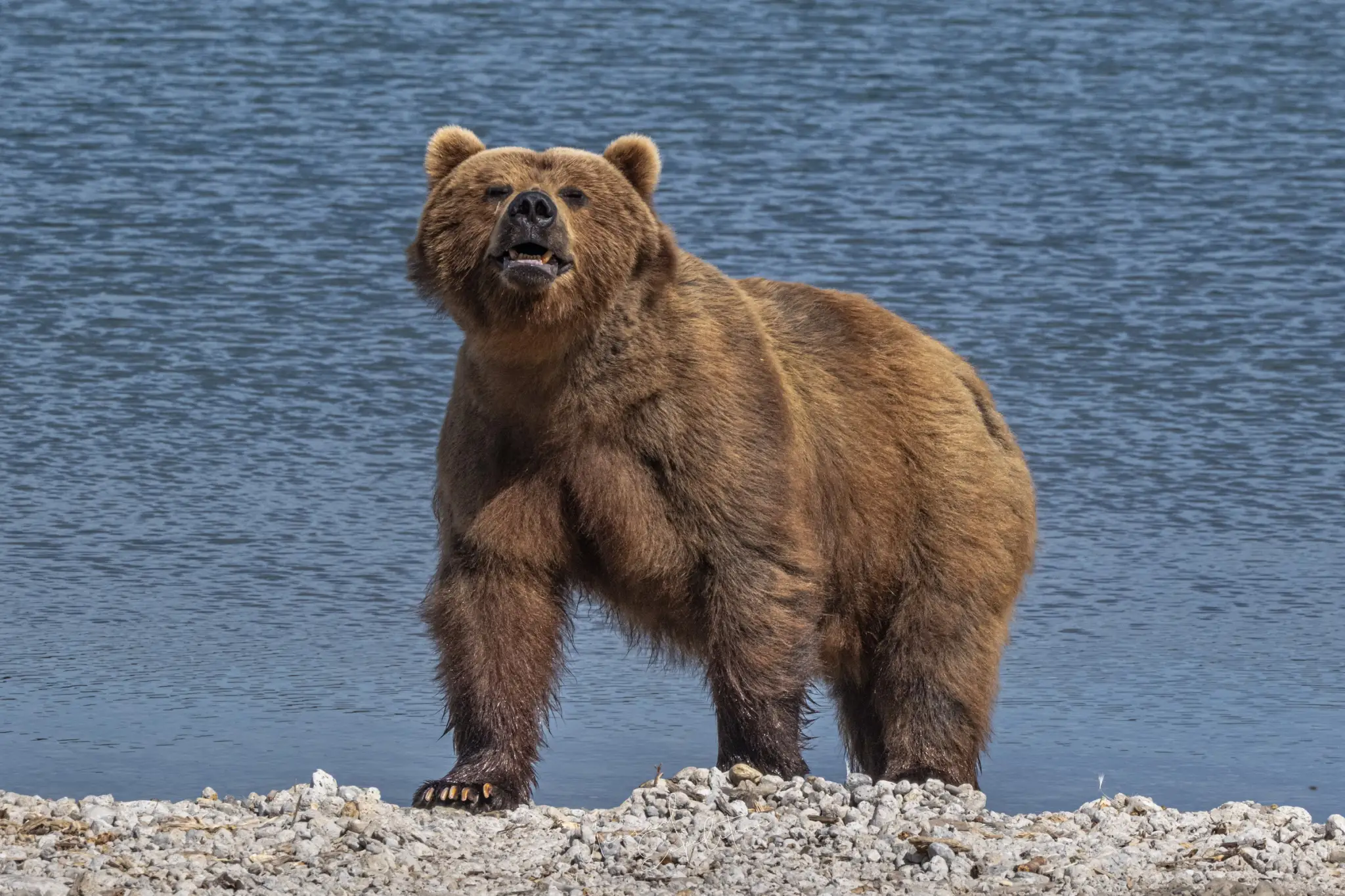
How big are Kamchatka bears? Big: the Kamchatka brown bear is one of the largest brown bears in the world, and large males can weigh well over 500 kilograms by autumn, after a summer of salmon. Are Kamchatka bears dangerous? Any wild bear can be, but the bears at Kuril Lake are well fed, used to rangers and focused on fish, and visits there follow strict rules. Here are the facts, the comparisons people ask about, and what it means for a photographer.
This article supports our Kamchatka photography tour guide; for the photography itself, go to Kuril Lake bears photography.
How big are Kamchatka bears?
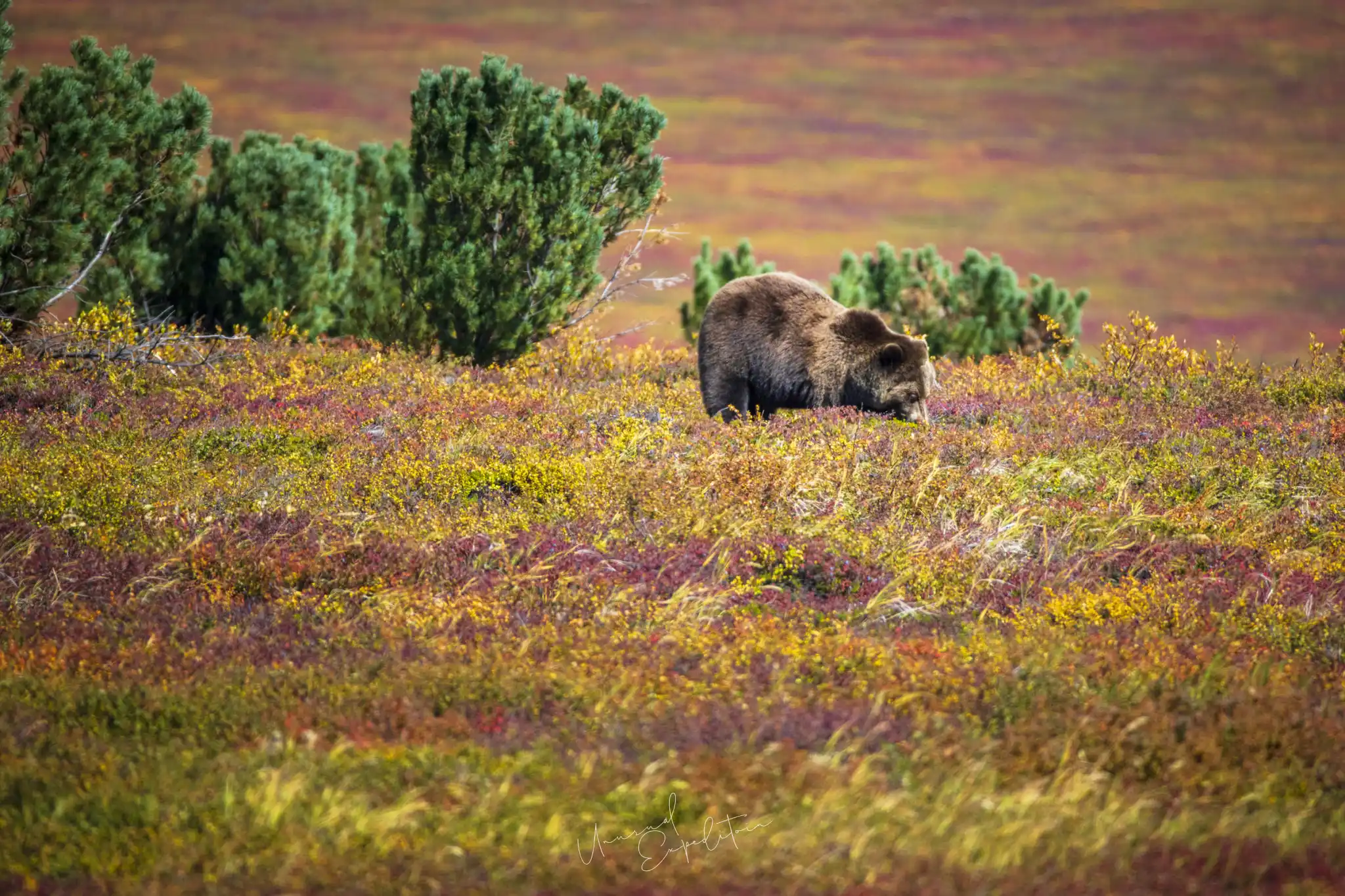
The Kamchatka brown bear is a regional form of the brown bear, Ursus arctos, the same species as the grizzly and the Kodiak bear. Size depends on sex, age and season more than anything. Females are much smaller than males, and every bear is lightest in spring after hibernation and heaviest in autumn. A large male in September, after weeks of sockeye, is a very large animal: well over 500 kilograms is often quoted for the biggest individuals, and standing upright they look taller than a person by a long way. On the shore of Kuril Lake the difference between a young bear and a mature male is obvious at a glance: the male's head is broader, the shoulders carry a hump of muscle, and other bears move out of his way.
Kamchatka brown bear vs grizzly
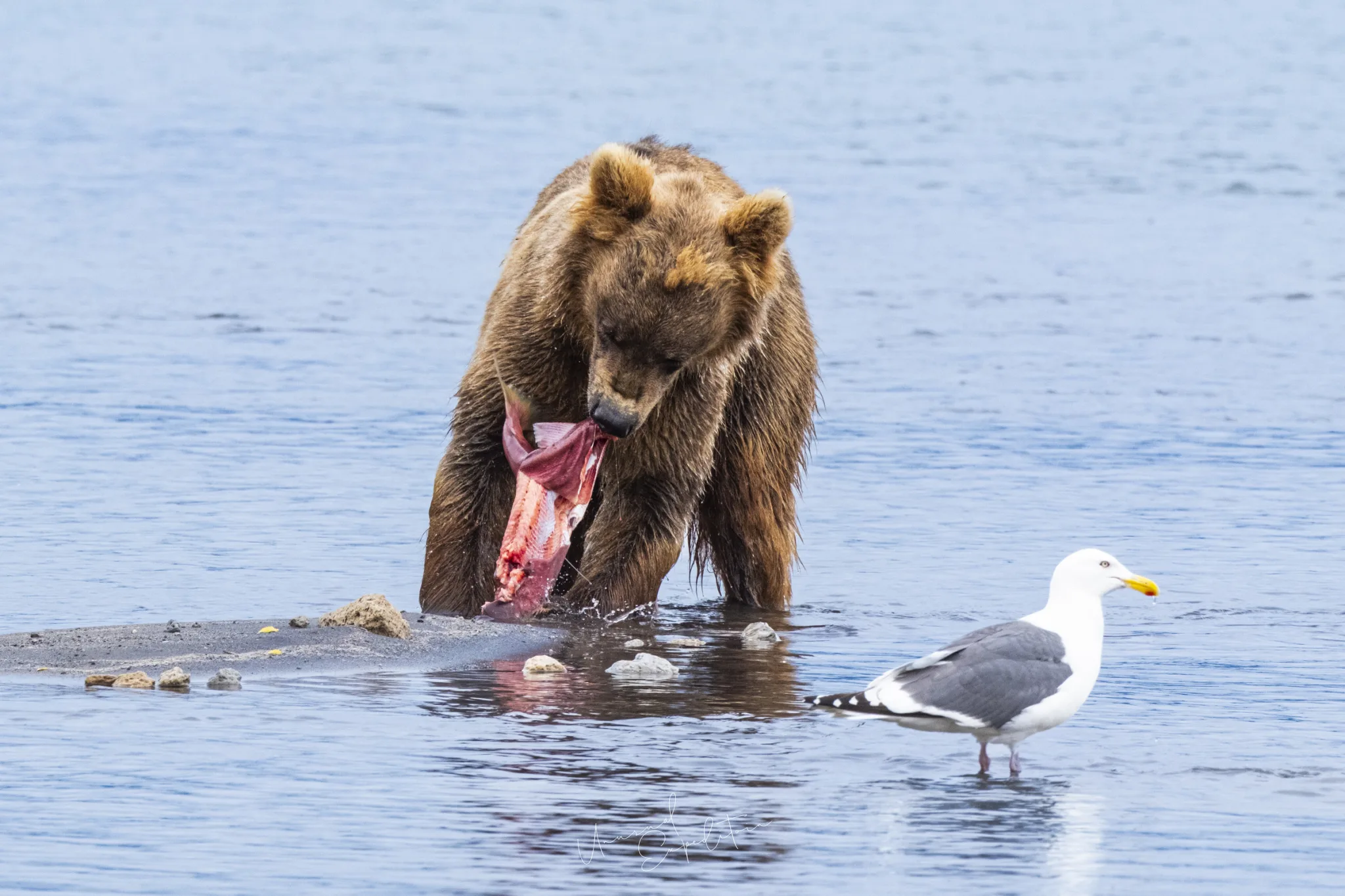
They are the same species, and the difference is mostly food. Inland grizzlies in North America eat more plants and less fish and tend to be smaller. Coastal brown bears with rich salmon runs, in Kamchatka, coastal Alaska and the Kodiak archipelago, grow larger. So a Kamchatka bear is usually bigger than an inland grizzly, while the grizzly is the more familiar name. Colour varies a lot in both, from pale blond to almost black, so colour tells you little.
Kamchatka bear vs Kodiak
Kodiak bears on the islands off Alaska are often named the largest brown bears, and Kamchatka bears are close behind; the biggest individuals of both overlap. In practice the comparison does not matter on the shore. What matters is that both are coastal salmon bears that can gain a great deal of weight in a short summer, and both are much larger than they look in pictures until one walks past at a distance you can measure in metres.
| Bear | Where | Main food in summer | Size, broadly |
|---|---|---|---|
| Kamchatka brown bear | Kamchatka Peninsula, Russia | Salmon, berries, grasses | Very large; big males well over 500 kg in autumn |
| Kodiak bear | Kodiak archipelago, Alaska | Salmon, berries | Similar, often named the largest |
| Inland grizzly | Interior North America | Plants, roots, small animals | Smaller on average |
All three are one species; habitat and salmon make the difference in size.
How many bears in Kamchatka?
Estimates for the peninsula are often quoted at around 20,000 brown bears, one of the densest populations anywhere, although counts vary and nobody claims precision. Kuril Lake concentrates them: when the sockeye run peaks, a single stretch of shore can hold many bears at once. The South Kamchatka Sanctuary protects them from hunting inside its boundary, which is part of why they tolerate people there.
Are Kamchatka bears dangerous?
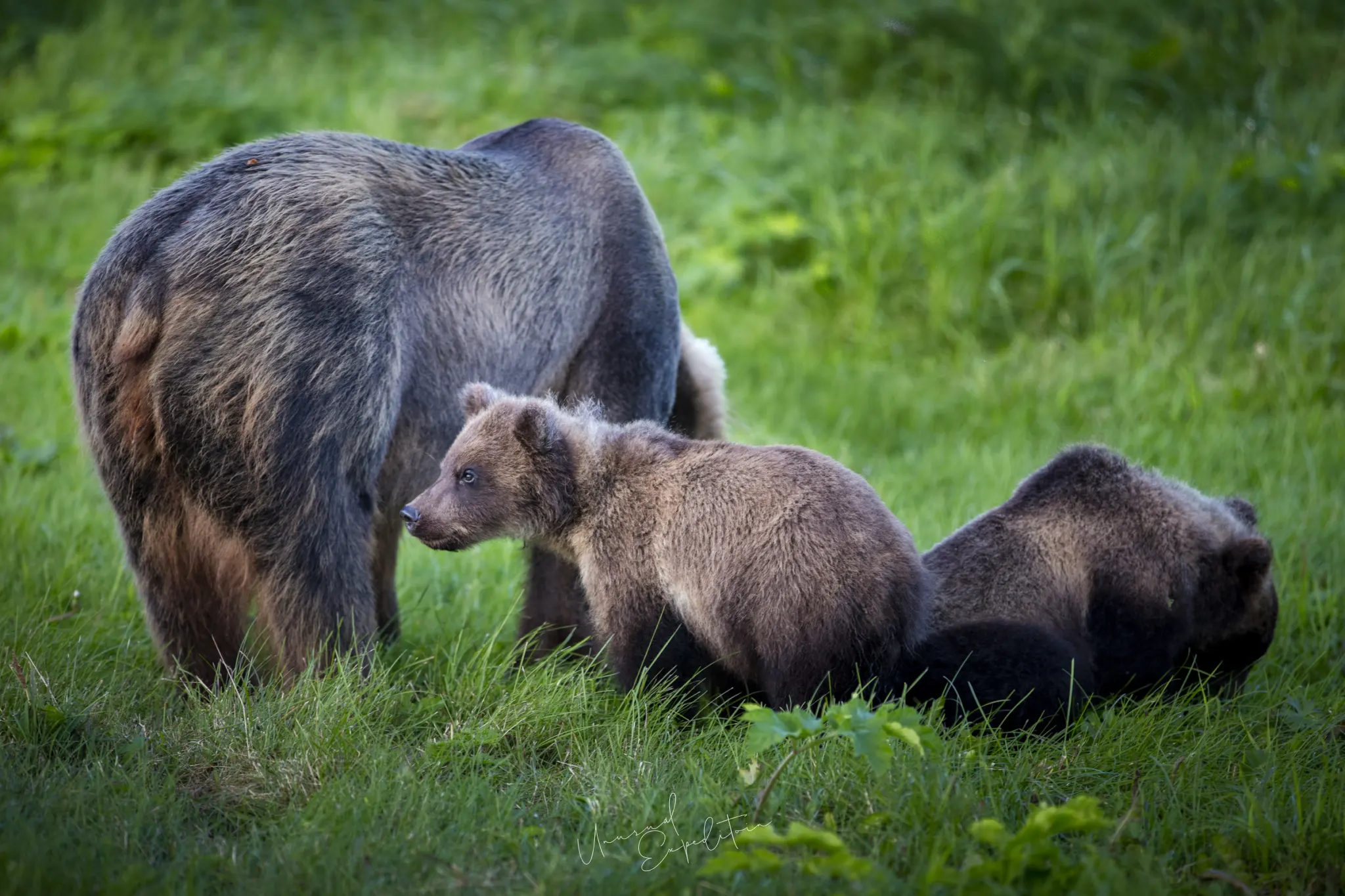
Yes, in the sense that any wild bear can injure or kill a person. Bear attacks do happen in Kamchatka, usually away from managed sites and often involving food or a surprised bear. Kuril Lake is different for three reasons. The bears are full of salmon and not looking for other food. They see rangers and small groups every day, so a group standing still is not a surprise. And the reserve's rules remove most of the risk: rangers lead every outing and carry flares and firearms, groups stay together behind a line, food stays in the fenced camp, and nobody walks alone. Mothers with cubs and young males testing their place get the widest berth.
"People ask me if I was scared at Kuril Lake. What I felt was awe, not fear. A big male walks past, looks at you once, and goes back to the salmon. The rangers read the bears all day, and you learn to do what they say the moment they say it."
Joseph Mak, tour leader, Unusual Expedition
Are Kamchatka bears aggressive or friendly?
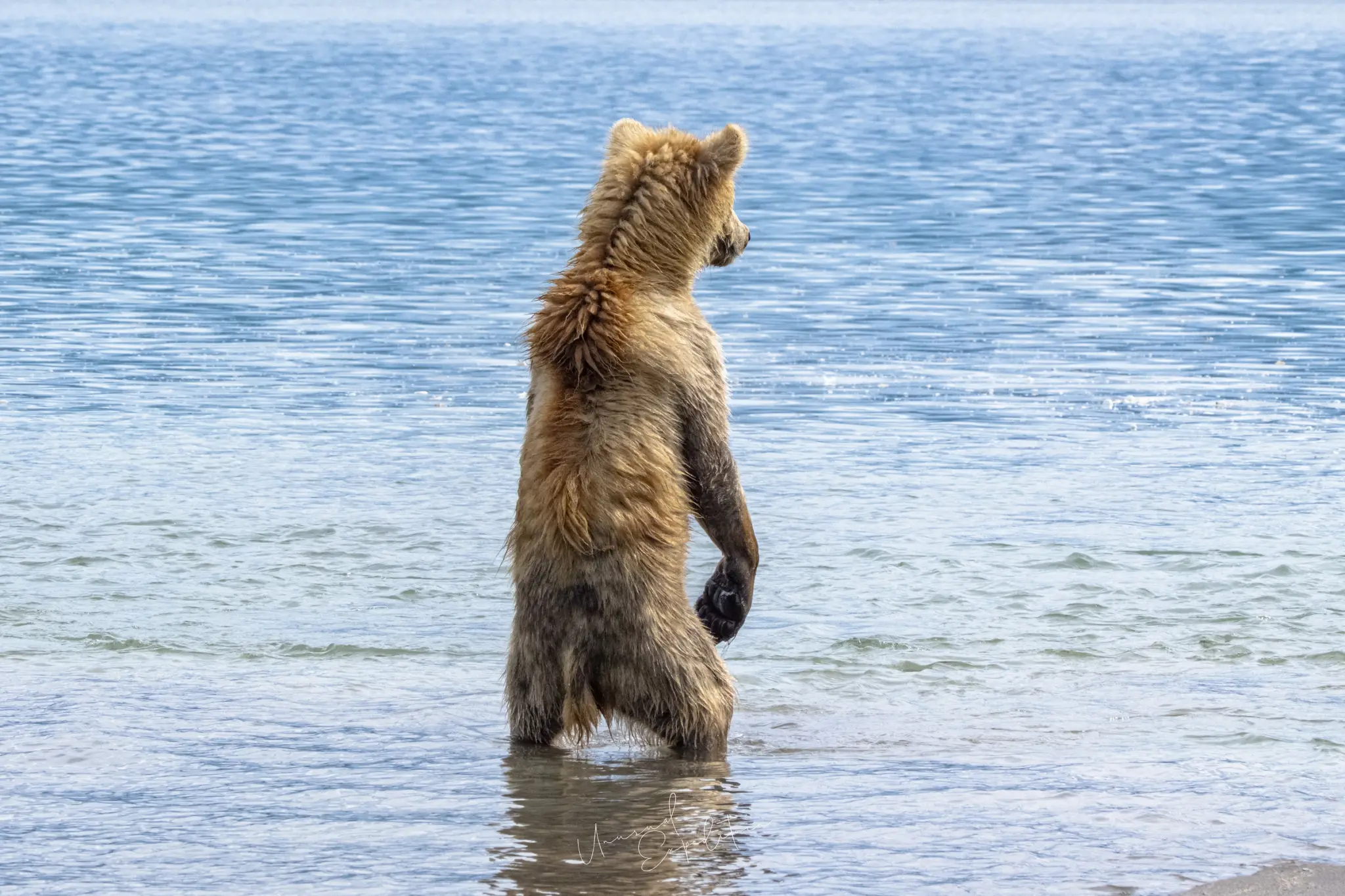
Neither word fits. Bears at a salmon river have a strict order among themselves, and most of the aggression you see is bear against bear: a male pushing a younger one off a fishing spot, cubs play-fighting, a mother warning another bear away. Towards people they are mostly indifferent, which is not the same as friendly. A bear that stands up on its hind legs is usually just looking and smelling, not threatening; a bear that lowers its head, pops its jaws or charges is a different matter, and the rangers manage that.
Do Kamchatka brown bears hibernate?
They do. Kamchatka bears den for the winter, roughly from November until April or May depending on age, sex and snow, and pregnant females give birth in the den. That is why bear photography in Kamchatka is a summer and autumn subject: bears come out hungry in spring, feed on grasses and carcasses, and reach the salmon rivers as the runs begin in July. By September they are at their heaviest, feeding on fish and berries to store fat for the den.
What it means for your photography
Knowing a little bear behaviour makes better pictures. Watch where a bear's attention is, because it will move there. Expect the biggest male to take the best spot and the young bears to circle. Keep a short lens ready for the moment a bear walks past closer than you expected; the rangers will keep you safe, but the picture is yours to catch. The full approach is in Kuril Lake bears photography, and seasons are compared in the best time to visit Kamchatka for photography.
See the bears of Kuril Lake with us
We visit Kuril Lake in July with the rangers of the South Kamchatka Sanctuary. Future departures and private dates are on the Russia photography tours page.
Kamchatka photography tours
The next Kamchatka departure is announced on the Kamchatka photography tours page, with previous expeditions and all the planning guides.
Explore Kamchatka in depth
- Kamchatka Photography Tour: The Complete GuideRussia
- Kuril Lake Bears: Photographing Kamchatka's Brown Bears and SalmonRussia
- Kamchatka Wildlife Beyond the Bears: Orcas, Sea Lions and SalmonRussia
- Kamchatka Volcanoes: How Many, Which Are Active, and How to Photograph ThemRussia
- Kamchatka Tour from Singapore: How to Get ThereRussia
- Kamchatka Photos: What the Peninsula Really Looks LikeRussia
- Kamchatka Photography Trip FAQRussia
- Kamchatka Helicopter Tour: Photographing from the Mi-8Russia
- The Best Time to Visit Kamchatka for PhotographyRussia
Upcoming Photo Tours
- Egypt Photo Tour – EgyptEgypt 12 Dec 2026 To 20 Dec 2026
- Inner Mongolia Winter Owl Photo Tour – ChinaChina 01 Jan 2027 To 04 Jan 2027
- Inner Mongolia Winter Photo Tour – ChinaChina 05 Jan 2027 To 11 Jan 2027
- Mekong And Central Highland Vietnam Photo Tour - VietnamVietnam 16 Jan 2027 To 24 Jan 2027