
Best Time to Visit Yucatan for Photography
Best time to visit Yucatan for photos: dry season, heat, rains and hurricane season month by month, plus the best hour of the day.
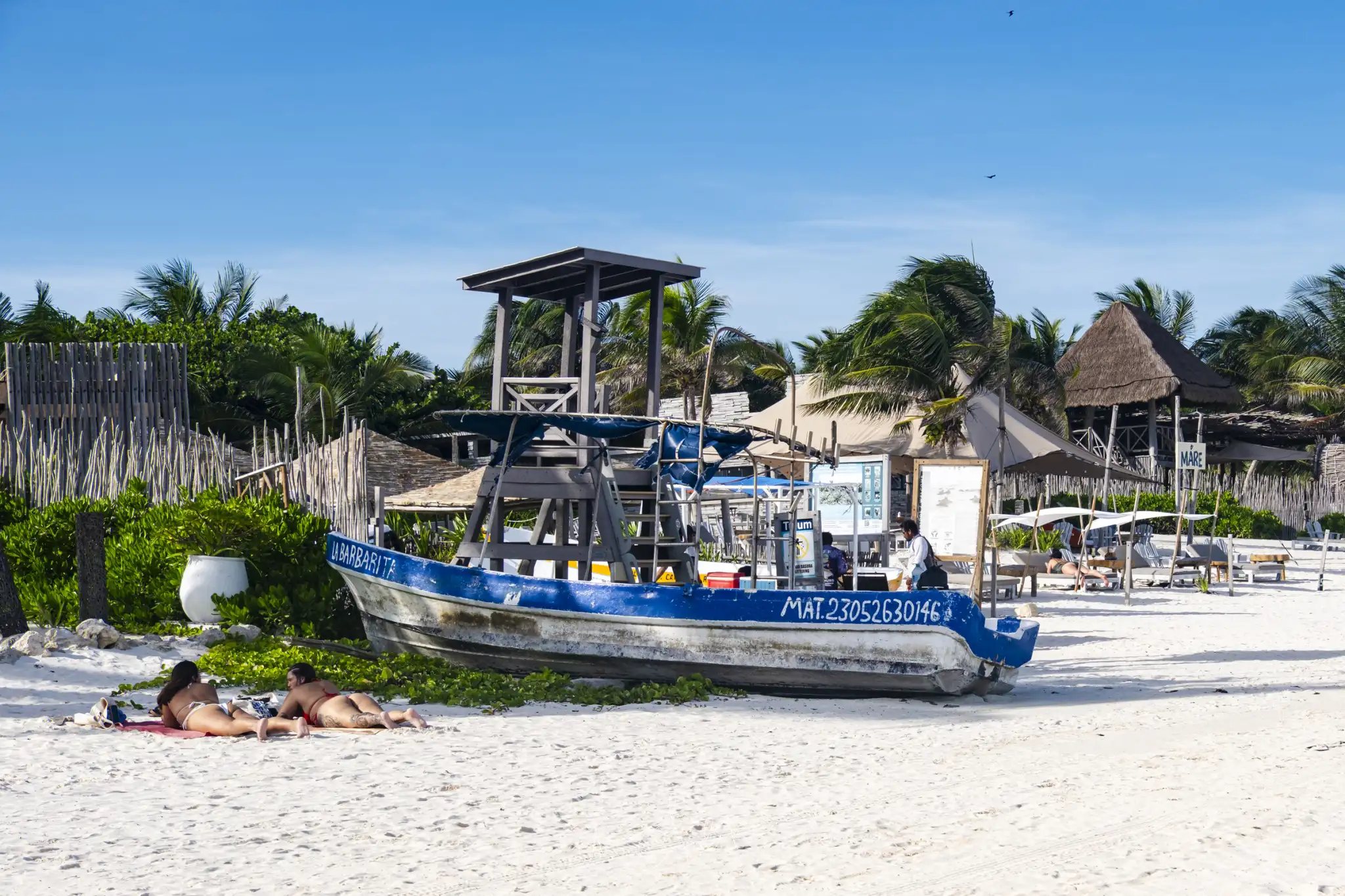
The best time to visit Yucatan for photography is the dry season, roughly November to April, when the skies over Chichén Itzá, Ek Balam and Tulum are clearer and the cenote water is at its most transparent. November and December add green landscapes left by the rains; March and April add heat and haze. The wet months bring afternoon storms and the hurricane season, but also dramatic skies and fewer visitors. The peninsula is warm all year.
This is the season chapter of our Yucatan photography tour guide. The places themselves are in the area guide; here is how the year changes them, month by month, and what each season does to a picture.
Best time to visit Yucatan peninsula: November to February
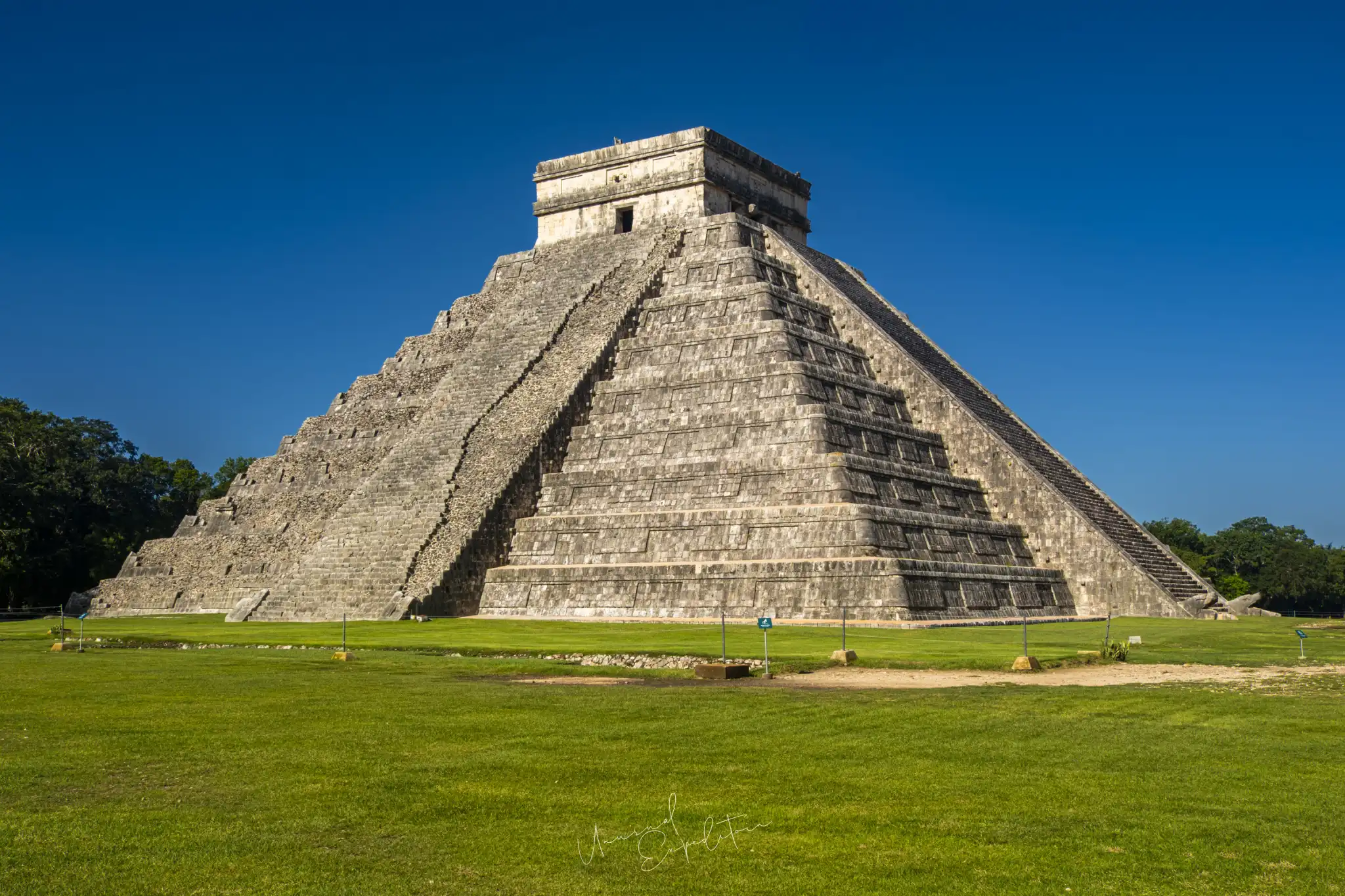
For the Yucatan peninsula as a whole, the pick is the cooler part of the dry season, from November to February. The rains have usually eased, the vegetation around the Maya sites is still green, the mornings are fresh enough to work for hours, and the sea off Tulum is calmer. The catch is people: these are also the busiest months, with winter travellers from North America and Europe and the holiday peak around Christmas and New Year. If you want quieter sites and can live with heat, the shoulder months either side work, and for the archaeology the time of day matters more than the month anyway, as our Chichén Itzá photos article explains.
Best time to visit Yucatan, Mexico, month by month
| Months | Season | Sky and light | For the camera |
|---|---|---|---|
| November to December | Early dry season | Mostly clear, the odd northerly front with cloud and wind | Green landscapes, clear cenotes, comfortable mornings |
| January to February | Dry, coolest | Clear, crisp mornings, occasional fronts | The easiest months to work all day; busiest at the sites |
| March to April | Dry, getting hot | Clear but hazier, harsh by mid morning | Spring equinox crowds at Chichén Itzá; brown vegetation |
| May | Hottest, rains begin | Heat haze, first storms late in the month | Hard work outdoors; cenotes are the refuge |
| June to October | Rainy season, hurricane season | Bright mornings, big clouds and storms in the afternoon | Dramatic skies, deep green, fewer visitors; plan around the weather |
Read it as a trade between clear skies and crowds: the clearest months are the busiest.
Dry season: November to April
The dry season is when most photographers choose the Yucatán, and for good reason. Rain is infrequent, so a planned sunrise or a site opening rarely washes out, and the cenotes are at their clearest because less rainwater runs into them. The early months carry an occasional front from the north, which the locals call a norte: a day or two of cloud, wind and cooler air, rough on the Caribbean side and bad for Tulum from a boat, but good for soft light on stucco and carving. By March and April the heat builds, the grass around the ruins browns, and a haze settles over the flat forest in the middle of the day. The spring equinox in March brings the famous serpent of light to El Castillo and very large crowds with it.
Rainy season and hurricane season
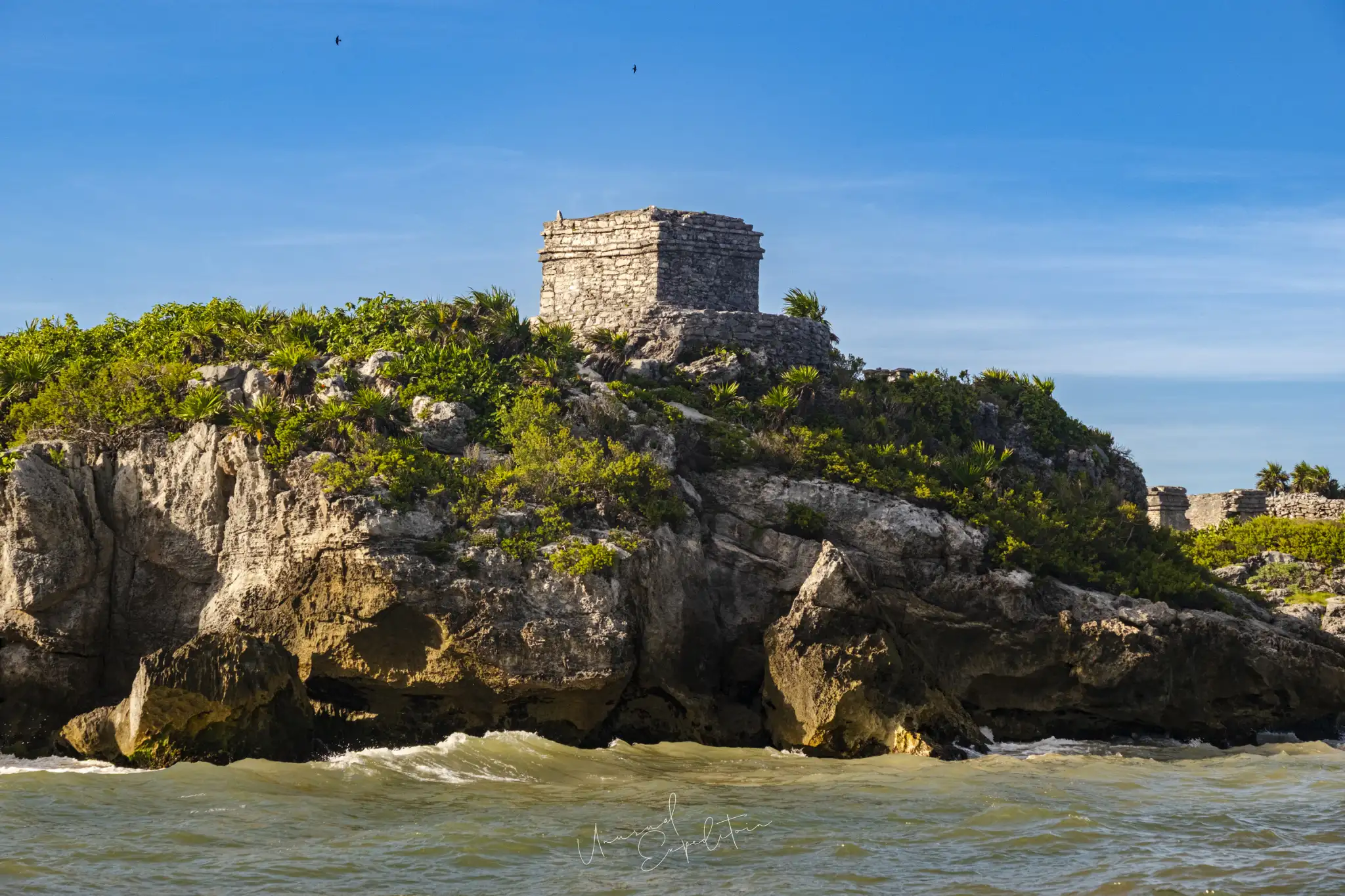
The rainy season in the Yucatán runs from around late May or June to October. The typical pattern is a bright morning, clouds building through the day, and a heavy storm in the afternoon or evening, then clearing. That pattern is not all bad for a photographer: the mornings still work at the sites, and the storm skies over Ek Balam or the coast can be the best of the year. The serious risk is tropical weather. The Atlantic hurricane season runs officially from 1 June to 30 November, according to NOAA, and its activity peaks from mid August to mid October, around a climatological peak near 10 September. Mexico's national weather service, the Servicio Meteorológico Nacional (SMN), issues the official cyclone warnings for the peninsula. Most weeks pass without a storm, but if you travel in this window, buy insurance that covers weather disruption and keep the plan flexible.
Why our Yucatan days fall at the start of the dry season
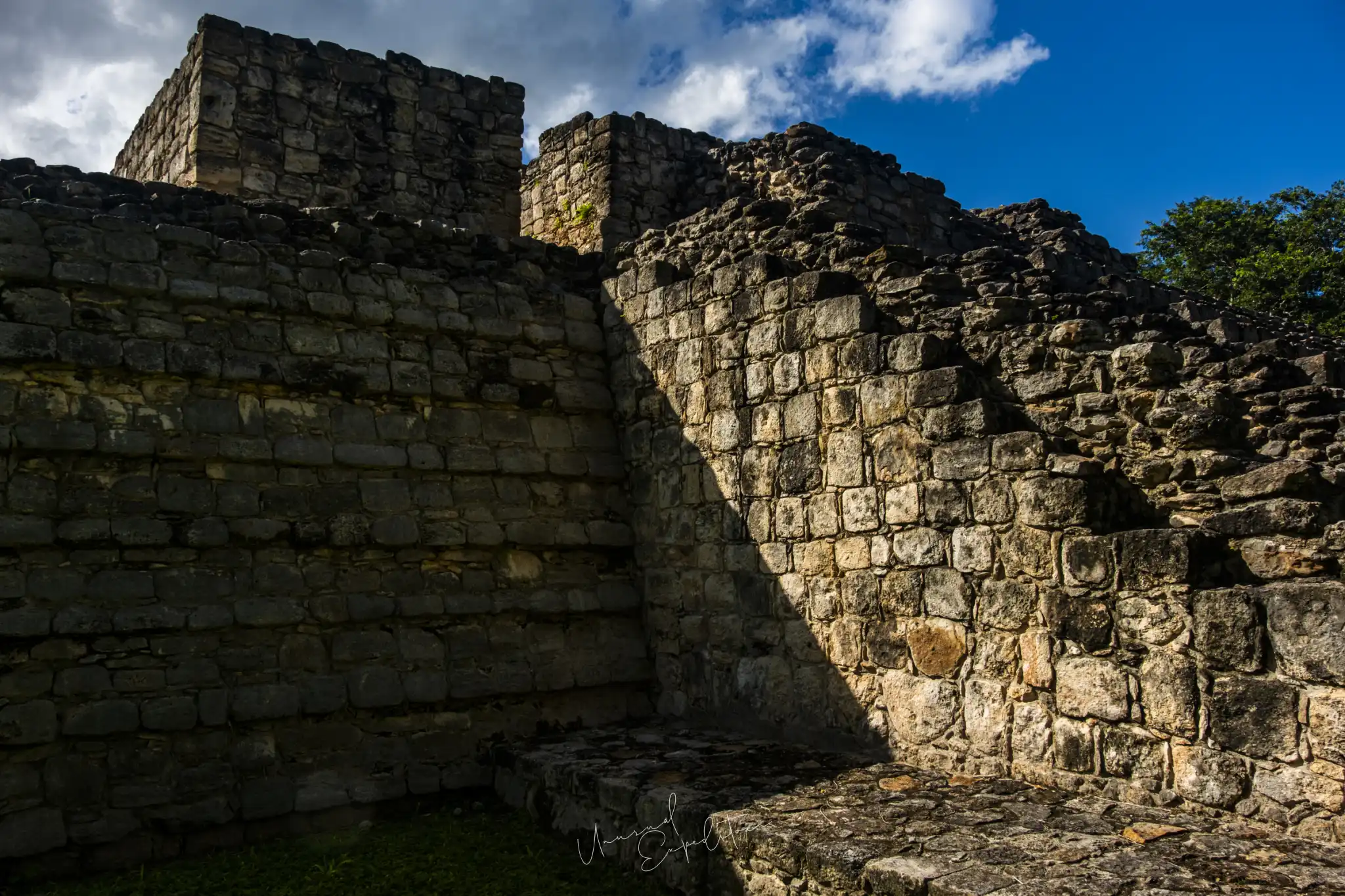
Our Yucatán days come at the end of the Mexico Day of the Dead trip, so they fall at the turn from the rains to the dry season. That timing works well for pictures. The landscape is at its greenest, the cenotes have filled, the big crowds of the winter peak have not yet arrived, and the mornings are usually clear. The risk is a late storm or the tail of the hurricane season, which is why the plan keeps some slack. On our trips the heat was already serious by mid morning, so the rhythm stays the same as in any month: sites at opening, cenotes at midday, Valladolid at dusk.
"People ask me for the perfect month. In the Yucatán the perfect month matters less than the perfect hour. Be at the gate when it opens, be underground at noon, and be in the square in Valladolid when the lights come on, and almost any month will give you the pictures."
Joseph Mak, tour leader, Unusual Expedition
Best time of day, whatever the month
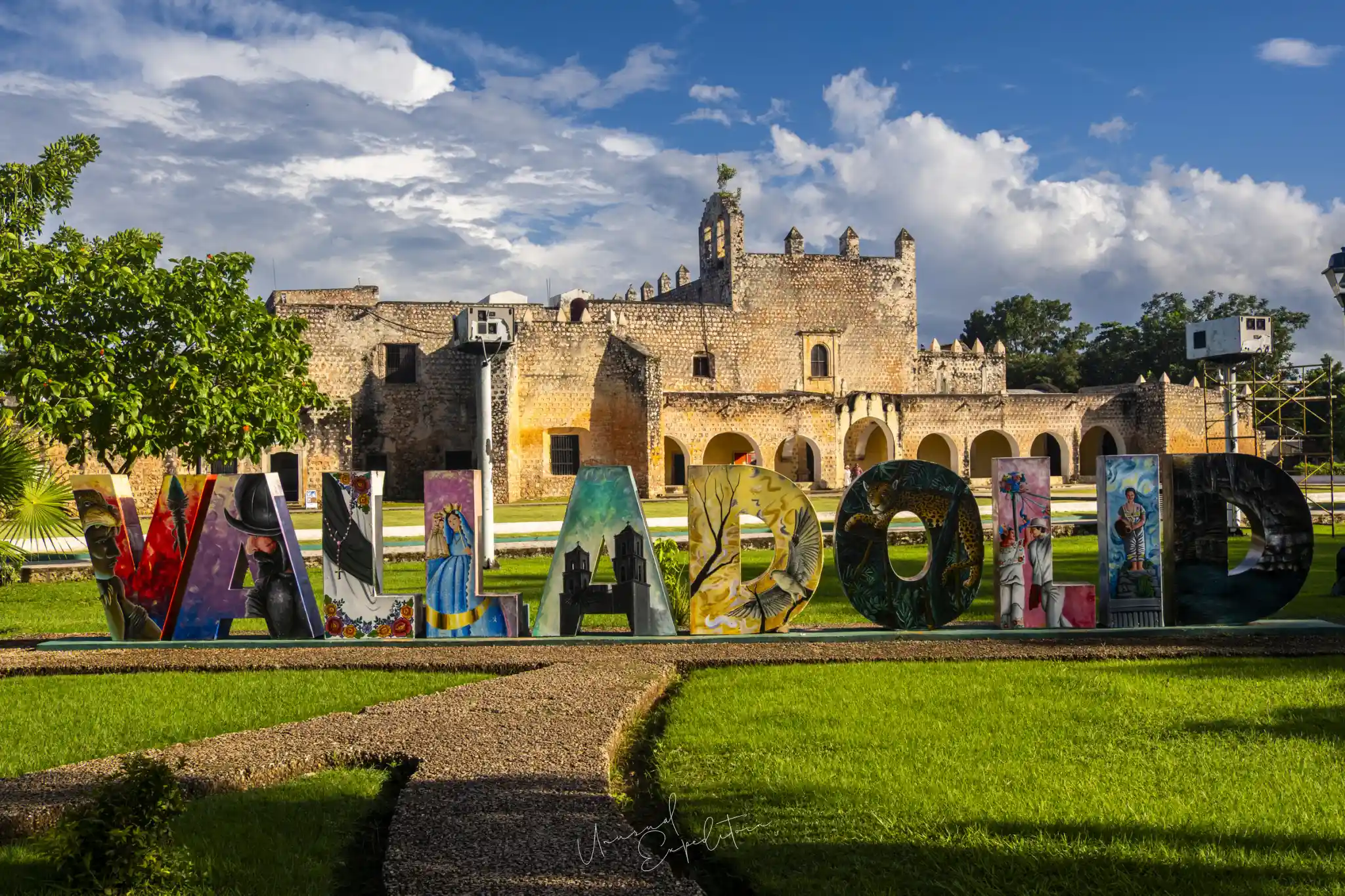
Whatever the month, the Yucatán day has a shape. The first hour at a site is the cleanest light and the emptiest stone; INAH opens Chichén Itzá at 8:00, which is why the opening is everything there. Ek Balam is at its best in the long afternoon light, as we explain in Ek Balam photos. The cenotes need the high sun for any light to reach the water, so midday belongs underground, as in Cenote Suytun photos. Valladolid comes alive in the late afternoon and at dusk, when the convent and the painted streets turn warm. Tulum opens in the morning; read Tulum ruins photos for how to work the cliff and the beach.
Heat, clothing and the camera
The heat is the constant. A hat, light long sleeves, water and sunscreen for the sites (not for the cenotes, which ask swimmers to keep it off) are the kit that matters most. Cameras suffer more from humidity than heat: moving from an air-conditioned car into the wet air fogs every lens, so give the camera time in its bag before you shoot. In the rainy months carry a rain cover and a dry bag. One 24-70mm covers most of the Yucatán; add a 10-24mm for the cenotes and the stucco, and a 70-200mm for Tulum from the water.
Plan the Yucatan with us
The Yucatán closes our Mexico trip. Photographers join us from anywhere in the world, and the current departure, when one is scheduled, is on our Mexico photography tours page together with every Mexico guide.
Yucatan photography tours
The next Yucatan departure is announced on the Yucatan photography tours page, with previous expeditions and all the planning guides.
Explore Yucatan in depth
- Yucatan Photography Tour: The Complete GuideMexico
- Maya Culture in Yucatan: Embroidery, Tortillas and PortraitsMexico
- Tulum Ruins Photos: the Maya City on the CaribbeanMexico
- Is Chichen Itza Worth It? Crowds, Vendors and Getting ThereMexico
- Ek Balam Photos: the Acrópolis Without the CrowdsMexico
- Chichen Itza Photos: El Castillo, the Serpents and Las MonjasMexico
- Cenote Suytun Photos and the Other Cenotes Worth a FrameMexico
Upcoming Photo Tours
- Egypt Photo Tour – EgyptEgypt 12 Dec 2026 To 20 Dec 2026
- Inner Mongolia Winter Owl Photo Tour – ChinaChina 01 Jan 2027 To 04 Jan 2027
- Inner Mongolia Winter Photo Tour – ChinaChina 05 Jan 2027 To 11 Jan 2027
- Mekong And Central Highland Vietnam Photo Tour - VietnamVietnam 16 Jan 2027 To 24 Jan 2027