
Yucatan Photography Tour: The Complete Guide
Yucatan photos: Chichen Itza at opening, Ek Balam, cenotes, Valladolid, Tulum on its cliff, Maya culture, light and site rules.
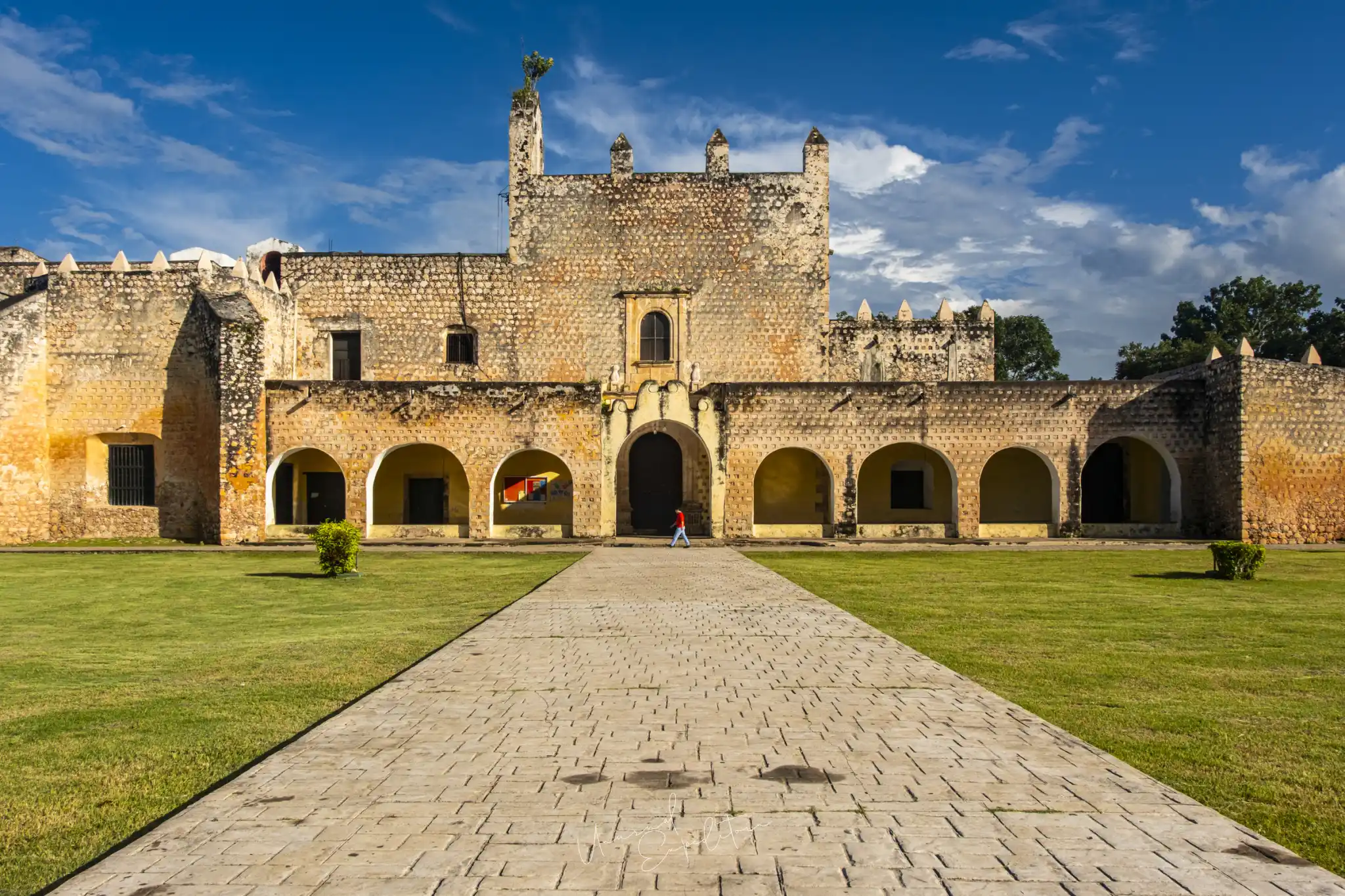
Yucatan photos come from four kinds of place: the Maya cities of Chichén Itzá, Ek Balam and Tulum, the cenotes in the limestone between them, the yellow colonial town of Valladolid, and the Maya villages where embroidery and tortillas are still made by hand. A Yucatan photography tour works those in the order the light allows, the big sites at opening, the cenotes in the middle of the day, the towns at dusk. Each one gives the camera something different, and they fit together in a day.
The peninsula is the closing chapter of our Mexico Festival of the Dead photography tour, the part after the cemeteries and the parade, when the trip turns from people and candles to stone and water. Below are the places, the light, the rules and the culture, with a link to the deeper article for each.
Best places to visit in Yucatan for photography
The best places to visit in Yucatan for a photographer are not the beach resorts but the sites inland and on the coast that hold their shape in a frame. Chichén Itzá is the famous one, El Castillo on its lawn with the serpent heads at the foot of the stairs. Ek Balam is the quiet one, with the stucco doorway on its Acrópolis. Tulum is the one on the sea, a walled Maya town on a cliff above the Caribbean. Between them lie hundreds of cenotes, and Valladolid sits in the middle as the colonial base, its convent and squares painted in yellow and ochre. Add a Maya village and the list covers architecture, landscape, interiors and people in one compact region.
| Place | What it gives the camera | Best light | Read more |
|---|---|---|---|
| Chichén Itzá | El Castillo, carved facades, the round observatory | At opening | Chichén Itzá photos |
| Ek Balam | The Acrópolis and its stucco doorway | Mid to late afternoon | Ek Balam photos |
| Cenotes | Still water, roots, a shaft of light | Middle of the day | Cenote Suytun photos |
| Valladolid | Convent, squares, painted streets | Late afternoon to dusk | This guide |
| Tulum | Temples on a cliff over the sea | At opening, and from a boat | Tulum ruins photos |
The order follows the light, not the map.
Chichén Itzá: the picture everyone knows
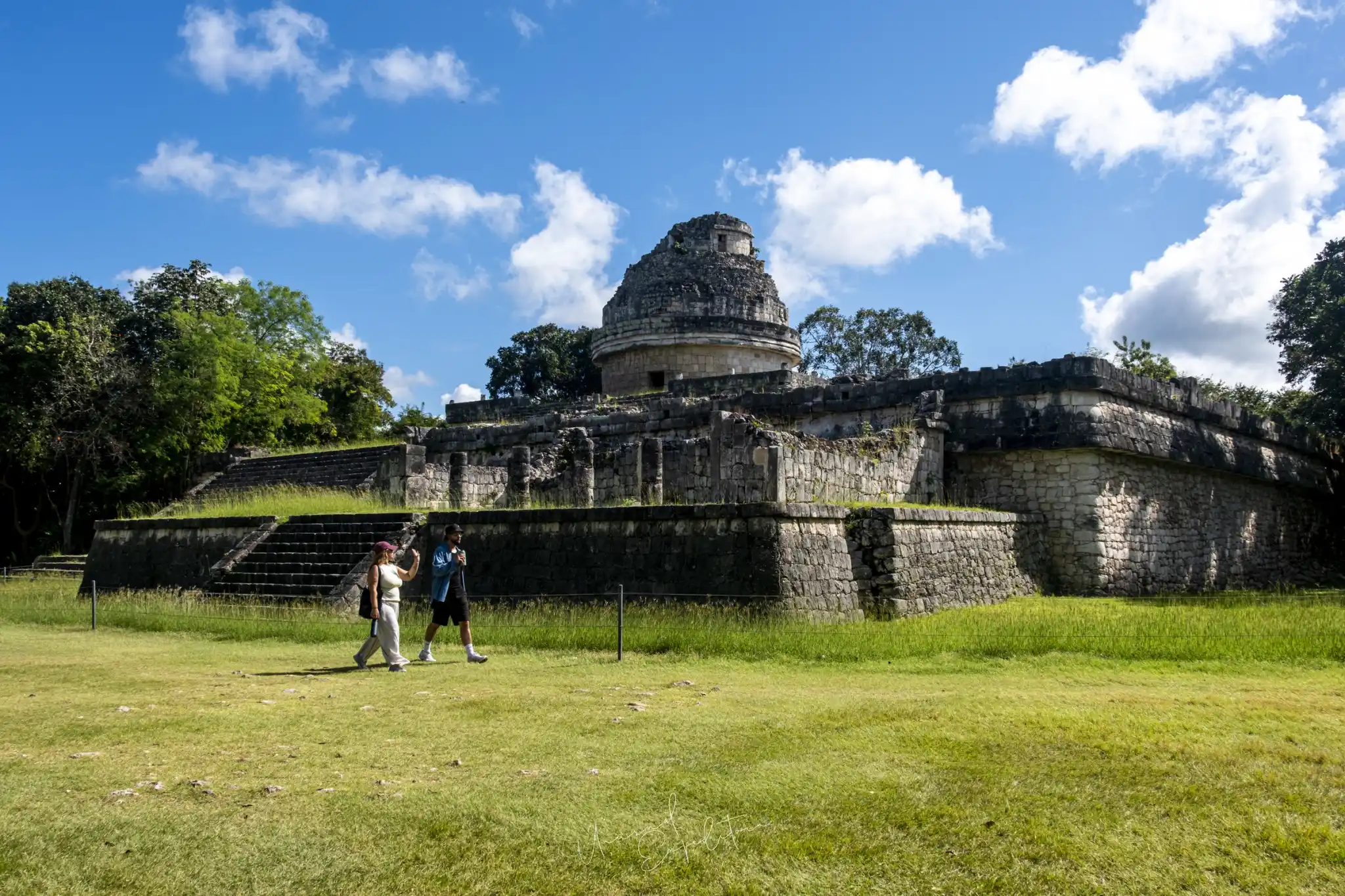
Chichén Itzá is a UNESCO World Heritage Site, inscribed in 1988, and the pyramid of Kukulcán, El Castillo, is the frame most visitors come for. The site is managed by INAH, Mexico's national institute of anthropology and history, which lists the gates as open from 8:00 with last entry at 15:00. That makes the first hour of the day the only one when El Castillo stands alone on its lawn. Our Chichén Itzá photos article walks through the pyramid, the serpent heads, the carved facades of the Las Monjas group and El Caracol, the round observatory. If you are still deciding whether to go at all, is Chichén Itzá worth it covers crowds, vendors and how to get there.
Ek Balam and the cenotes
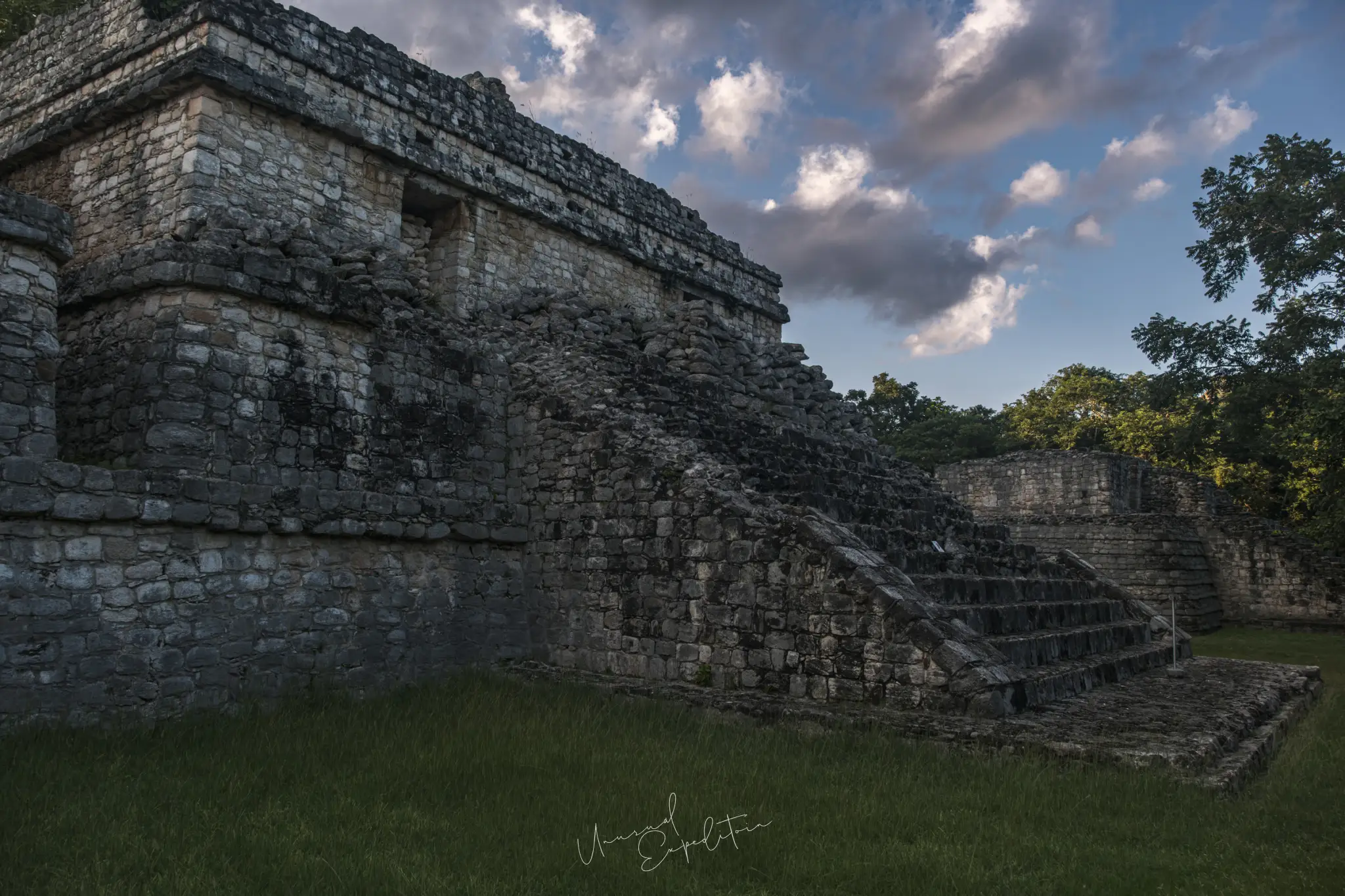
Ek Balam, north of Valladolid, is the Maya site photographers tend to prefer once they have seen both. It is smaller and quieter, the forest presses in on the plazas, and the stucco figures on the Acrópolis have survived in a state that the bigger sites cannot match. The low afternoon sun on its steps is the light to wait for; the details are in our Ek Balam photos article.
The cenotes are the Yucatan's answer to rivers: limestone sinkholes filled with clear groundwater, some open to the sky, some deep in caves. For a photographer they are the place to spend the harsh middle of the day, when the sites are bright and flat and the light inside a cave cenote comes down in a single shaft. Cenote Suytun photos covers Suytun's stone platform and the other cenotes we shoot.
Valladolid: the colonial town in the middle
Valladolid is the colonial town that makes the Yucatan work as a photography trip. It sits close to both Chichén Itzá and Ek Balam, its streets are painted in the warm colours of the peninsula, and its Convent of San Bernardino de Siena, at the end of a long stone path in the Sisal quarter, is one of the strongest colonial buildings in the region. The convent is best in late afternoon, when the sun comes in low across the lawn and lights the arches. At dusk the large painted letters spelling the town's name, on the green in front of the convent, light up and give a second frame from the same spot. Valladolid is also where the evenings are, in the main square and the side streets, after a day of stone and water.
Tulum: the Maya city on the sea
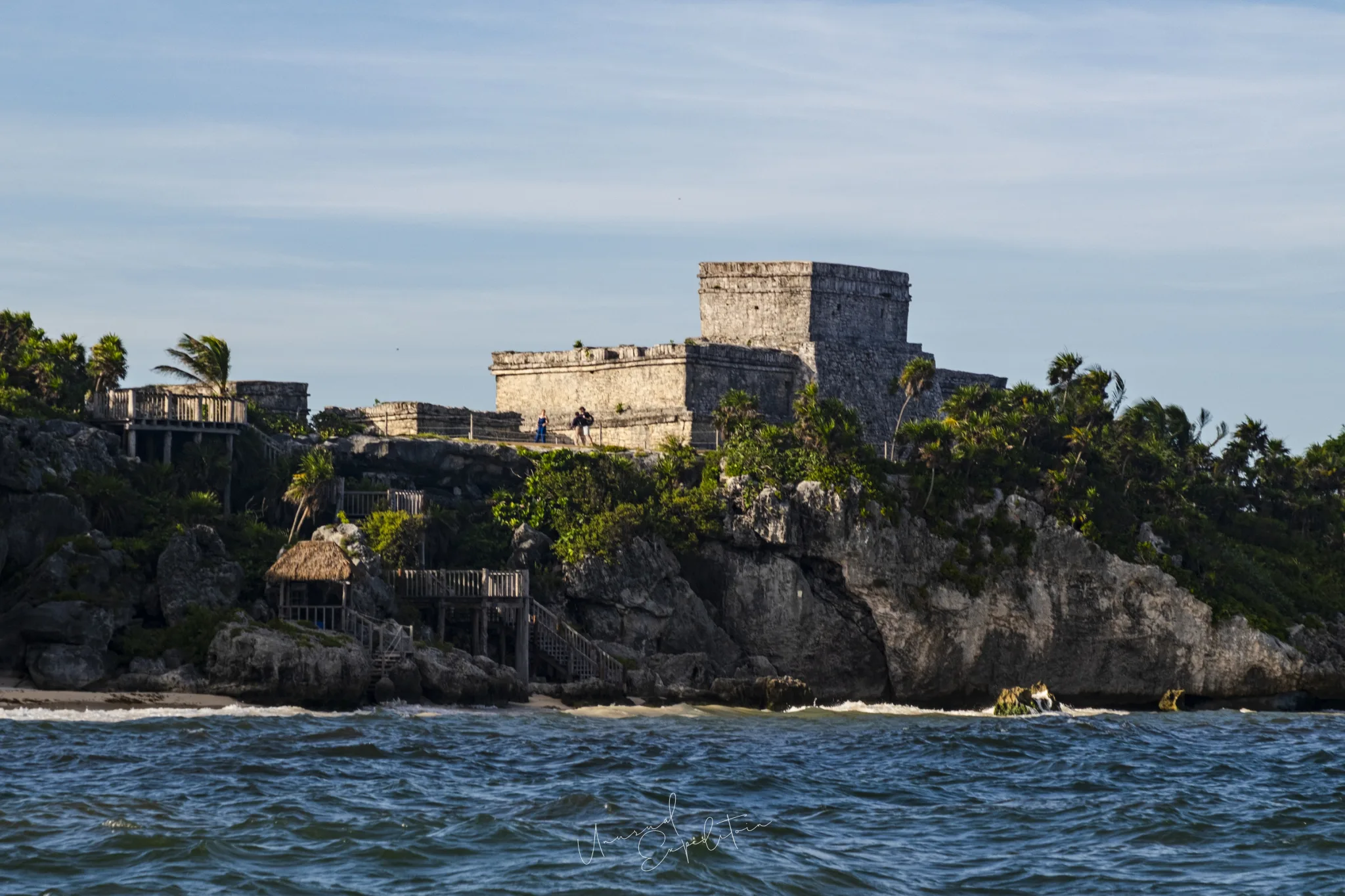
Tulum is the Yucatan site with the setting nobody else has: a walled Maya town on a limestone cliff, with the temple called El Castillo above a small beach and the Caribbean below. INAH gives the opening as 8:00, and the site is closed at sunrise, so the first hour inside is the one to plan for, before the heat and the tour groups. From the water the whole cliff reads as one picture, which is why we also photograph it from a boat. The paths, the beach coves and the iguanas on the walls are in our Tulum ruins photos article.
Maya culture in the Yucatan peninsula
Maya culture in the Yucatan peninsula is not only in the ruins. Yucatec Maya is still spoken across the region, and in the villages women embroider the flowered huipil dresses that are worn every day, and cook tortillas over a wood fire. These are the portraits of the trip, made with the people's consent, sitting in the doorway of a thatched house with the embroidery in their laps. How we arrange those visits and photograph them respectfully is in Maya culture in Yucatan. The same article covers the costumed performers you meet near the sites, who expect to be photographed and to be paid for it.
"In the Yucatan the stone does the work in the morning and the water does it at noon. People who fight the midday light at Chichén Itzá miss the cenote, and people who skip the cenote miss the best picture of the day."
Joseph Mak, tour leader, Unusual Expedition
When to go to the Yucatan
The Yucatan is warm all year, and the question for a photographer is rain, heat and haze rather than cold. The drier months bring clearer skies over the sites; the wetter months bring afternoon storms, greener grass and heavier air. Our Yucatan days come at the end of a Day of the Dead trip, so they fall in early November, which is late in the rainy season and usually gives blue mornings. The month-by-month picture, including hurricane season and the heat, is in best time to visit Yucatan for photography.
Rules at the Yucatan sites
The archaeological sites of the Yucatan are federal, and INAH sets the rules. Climbing El Castillo at Chichén Itzá has been banned since 2008, and visitors who break the rule are removed and referred to the authorities. INAH's own listing for Chichén Itzá says no flash and charges an extra fee for professional cameras; tripods and drones need permission. The state of Yucatán also adds its own fee to the federal ticket at Chichén Itzá. Prices change, so check the official INAH page before you go. Hand-held photography with a normal camera on a normal ticket is fine everywhere we go.
Explore Yucatan in depth
- Chichén Itzá photos: El Castillo, the serpents and Las Monjas
- Is Chichén Itzá worth it? Crowds, vendors and getting there
- Ek Balam photos: the Acrópolis without the crowds
- Cenote Suytun photos and the other cenotes worth a frame
- Tulum ruins photos: the Maya city on the Caribbean
- Maya culture in Yucatan: embroidery, tortillas and portraits
- Best time to visit Yucatan for photography
For the five archaeological sites of the whole trip side by side, from Tula to Tulum, read Mexico's pyramids.
Photograph the Yucatan with us
The Yucatan closes our Mexico trip, after the Day of the Dead in the highlands. Photographers join from anywhere in the world. The current departure, when one is scheduled, is on our Mexico photography tours page, together with every Mexico guide.
Yucatan photography tours
The next Yucatan departure is announced on the Yucatan photography tours page, with previous expeditions and all the planning guides.
Explore Yucatan in depth
- Maya Culture in Yucatan: Embroidery, Tortillas and PortraitsMexico
- Tulum Ruins Photos: the Maya City on the CaribbeanMexico
- Is Chichen Itza Worth It? Crowds, Vendors and Getting ThereMexico
- Ek Balam Photos: the Acrópolis Without the CrowdsMexico
- Chichen Itza Photos: El Castillo, the Serpents and Las MonjasMexico
- Cenote Suytun Photos and the Other Cenotes Worth a FrameMexico
- Best Time to Visit Yucatan for PhotographyMexico
Upcoming Photo Tours
- Egypt Photo Tour – EgyptEgypt 12 Dec 2026 To 20 Dec 2026
- Inner Mongolia Winter Owl Photo Tour – ChinaChina 01 Jan 2027 To 04 Jan 2027
- Inner Mongolia Winter Photo Tour – ChinaChina 05 Jan 2027 To 11 Jan 2027
- Mekong And Central Highland Vietnam Photo Tour - VietnamVietnam 16 Jan 2027 To 24 Jan 2027