
What Is an Expedition Cruise Ship? How It Differs from a Regular Cruise Ship
What an expedition cruise ship is: ice class and the Polar Code, Zodiacs and mudroom, landing limits, the expedition team, who it suits.
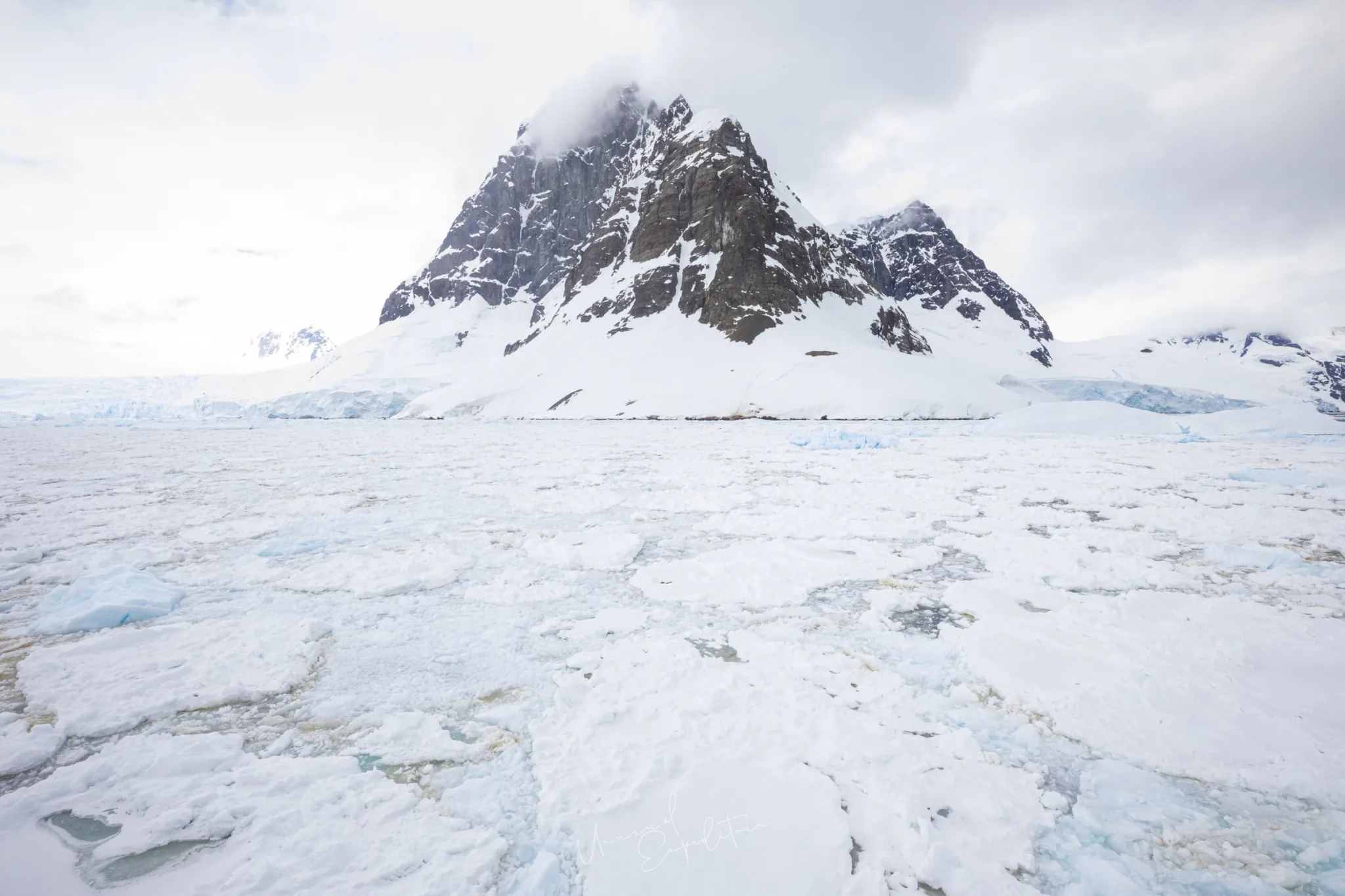
An expedition cruise ship is a small, ice-strengthened passenger ship built to put its guests ashore in remote places, not to entertain them at sea. It carries a fleet of Zodiacs, a team of guides and naturalists, and usually between about one hundred and two hundred guests, so everyone can land where large ships cannot. A regular cruise ship is a floating resort that sails between ports; an expedition cruise ship is a base camp that moves.
We look at these ships from the photographer's side, and our complete guide to an Antarctica photography tour puts them in the context of the whole trip. What follows is the ship itself: the hull, the boats, the team and what each part changes for you.
What is an expedition cruise ship?
An expedition cruise ship is designed around one job: getting people off the ship and into wild places safely, in water where there are no piers, no ports and often ice. That job shapes everything aboard. The hull is strengthened for ice. There is a launching point, often a platform near the waterline or an internal hangar, for the Zodiacs that ferry guests ashore. There is a changing room for boots and waterproofs, a lecture room, and an observation lounge with big windows. What is missing matters too: no casino, no water slides, no evening shows of the kind a big liner sells. Most expedition cruise ships work the polar regions in their summers, Antarctica from about late October to March and the Arctic from about June to September.
What is an expedition cruise, and how does it differ from a regular cruise?
An expedition cruise is a voyage where the plan is a list of possibilities and the landings are the point. On a regular cruise the ship docks at a port on a set day and you walk off. On an expedition cruise the expedition leader reads the ice, wind and swell each morning and picks the bays, beaches and Zodiac routes that will work. Days at sea bring lectures and time on deck watching for whales.
| Feature | Regular cruise ship | Expedition cruise ship |
|---|---|---|
| Guests | Often thousands | Usually about 100 to 200 |
| Hull | Open-water | Ice-strengthened, often with a Polar Class |
| Getting ashore | Pier or harbour tender | Zodiacs onto beaches and rocks |
| Daily plan | Fixed port schedule | Set each day by ice and weather |
| On board | Shows, pools, shopping | Lectures, observation lounge, mudroom |
| Staff who matter most | Entertainment and hotel teams | Expedition guides and naturalists |
The line that decides the trip is the third one: if the ship cannot put you ashore, it is a sightseeing cruise, however cold the water.
Ice class and the Polar Code: what "ice-strengthened" means
Ice class is the rating that says how much ice a hull is built to handle, and it is the clearest technical difference between an expedition cruise ship and a regular one. Since 2017 the International Maritime Organization's Polar Code has been mandatory for ships covered by the SOLAS and MARPOL conventions in Antarctic and Arctic waters: each needs a Polar Ship Certificate, and ships are grouped as Category A, B or C by the ice they are designed for. Classification societies use the Polar Class scale from PC1, the strongest, to PC7, the lightest, which Transport Canada's polar class guidance sets out. Most modern expedition cruise ships sit at PC5 or PC6, built for summer and autumn work in first-year ice. None of them is an icebreaker: they push through loose brash and avoid pack ice that is closed.
Zodiacs, hangars and the mudroom
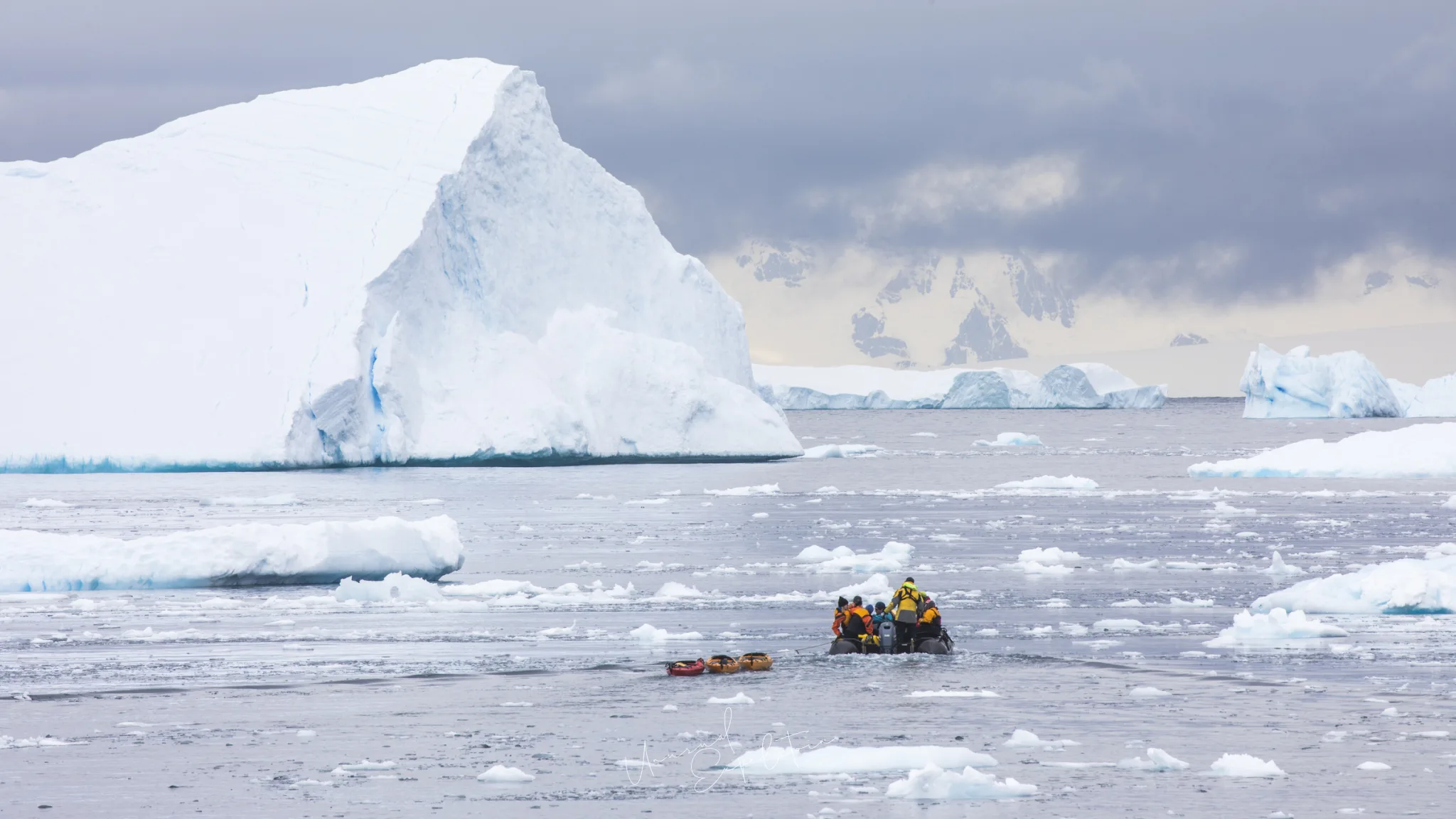
The Zodiac is the working tool of every expedition cruise ship: a rigid-floored inflatable boat with an outboard engine that carries about a dozen guests and a driver onto a beach or along a glacier front. How a ship launches them decides how fast everyone gets ashore. Quark Expeditions says its ship Ultramarine carries twenty Zodiacs deployed from an internal hangar at water level, with four embarkation points, and two ready rooms with lockers for changing into expedition gear. Ship Technology lists fifteen Zodiacs, two tender boats and eight kayaks for Swan Hellenic's SH Diana. Before and after each outing you pass through the mudroom, where boots are scrubbed and checked so no seeds or soil travel between sites.
Why ship size decides your landings
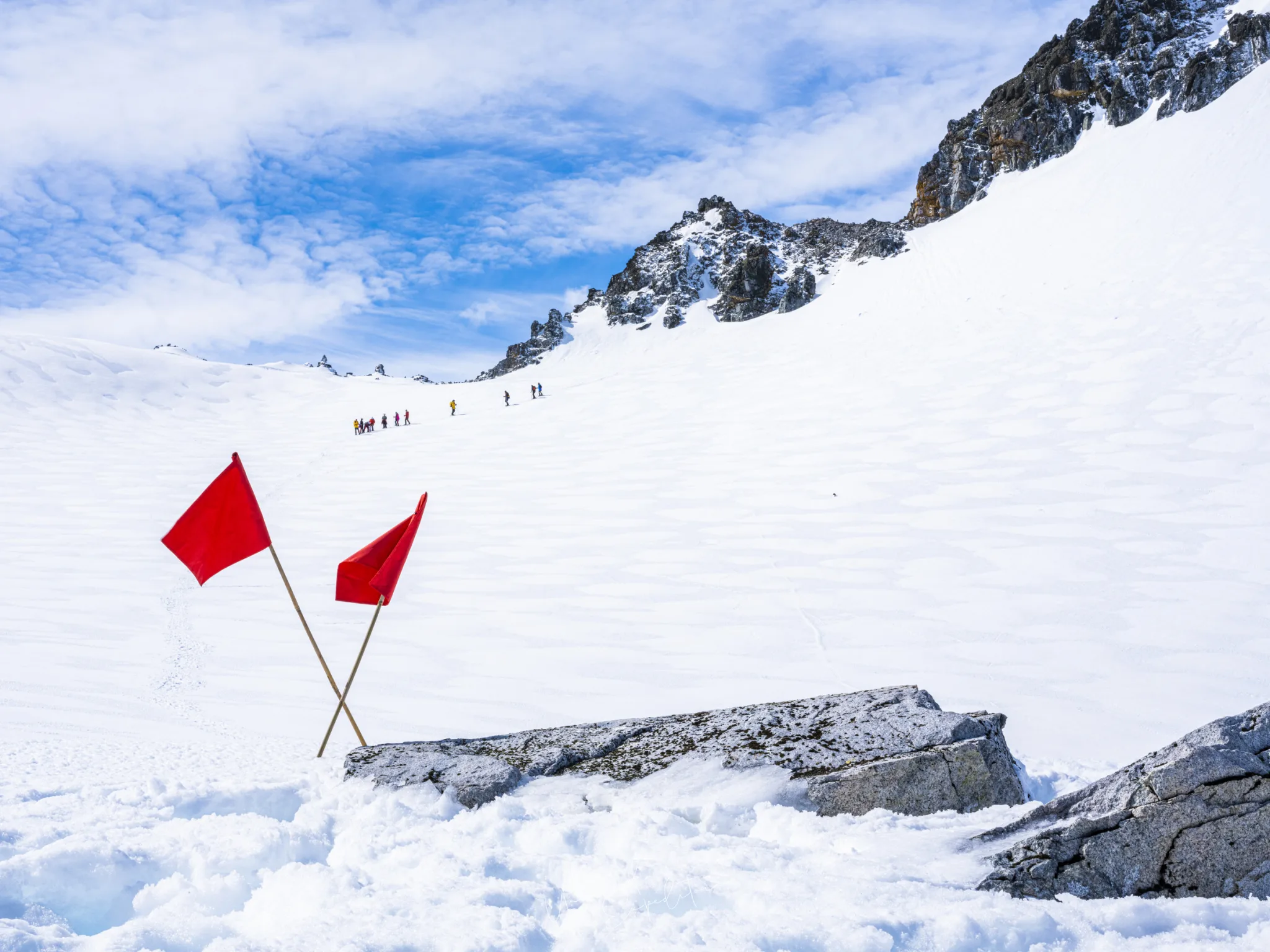
In Antarctica the rules make size the deciding number. Under IAATO guidelines no more than 100 visitors from one ship may be ashore at a site at a time, with a guide for every 20, and ships carrying more than 500 passengers may not land anyone at all. A ship of about a hundred guests can land everyone together; a ship of two hundred lands in rotation. The details, and what a landing looks like step by step, are in Antarctica expedition ships, landings and who they suit. In Svalbard the Governor now limits tourist landings to mapped sites and requires guides, so a small ship has the same advantage in the Arctic.
Stabilisers, bows and quiet engines
Comfort on an expedition cruise ship comes from engineering more than decor. Poseidon Expeditions lists Rolls Royce zero speed stabilisers on its ship Sea Spirit, fins that also damp the roll while the ship lies at anchor. Quark's Ocean Explorer has an Ulstein X-Bow, the inverted bow designed to cut through waves instead of slamming into them. Antarctica21 says its new Magellan Discoverer runs hybrid-electric engines with battery storage for low-noise operation in sensitive areas. None of this makes the Drake Passage flat, but it changes how a rough night feels.
The expedition team on board
The expedition team is the part of an expedition cruise ship you cannot see in the brochure photographs and the part that makes the voyage. It is led by the expedition leader and made up of guides, naturalists, geologists, historians and often a photographer, who scout landings, drive the Zodiacs, lecture on the days at sea and stand on the shore keeping guests and wildlife apart. Ask how many there are, because IAATO's ratio of one guide for every 20 guests ashore is a minimum.
Best small expedition cruise ships: what counts as small
"Small" in expedition cruising means fewer than about two hundred guests, and within that range the numbers still matter. Antarctica21 gives its Magellan Explorer 88 guests on air-cruises, Poseidon's Sea Spirit carries 114, Swan Hellenic's SH Vega 152 and Quark's Ultramarine 199. There is no single best small expedition cruise ship; there is the one whose size, route and style fit how you travel. The ships of the four lines we book, and what each is like, are in Antarctica cruise ships: the expedition ships we book, and the lines side by side in the best expedition cruise lines compared.
Photography on an expedition cruise ship
An expedition cruise ship gives a photographer three viewpoints, and each needs a different lens. From the upper deck you look down on ice and whales, which flattens the water and shows the shape of a berg from above. From the Zodiac your eye is a metre off the sea, the angle that makes penguins and ice look their real size. On land you work at the animals' level within the distance rules. A 24-70mm covers the deck and the shore, a 100-400mm the wildlife; our camera gear guide for Antarctica has the full list.
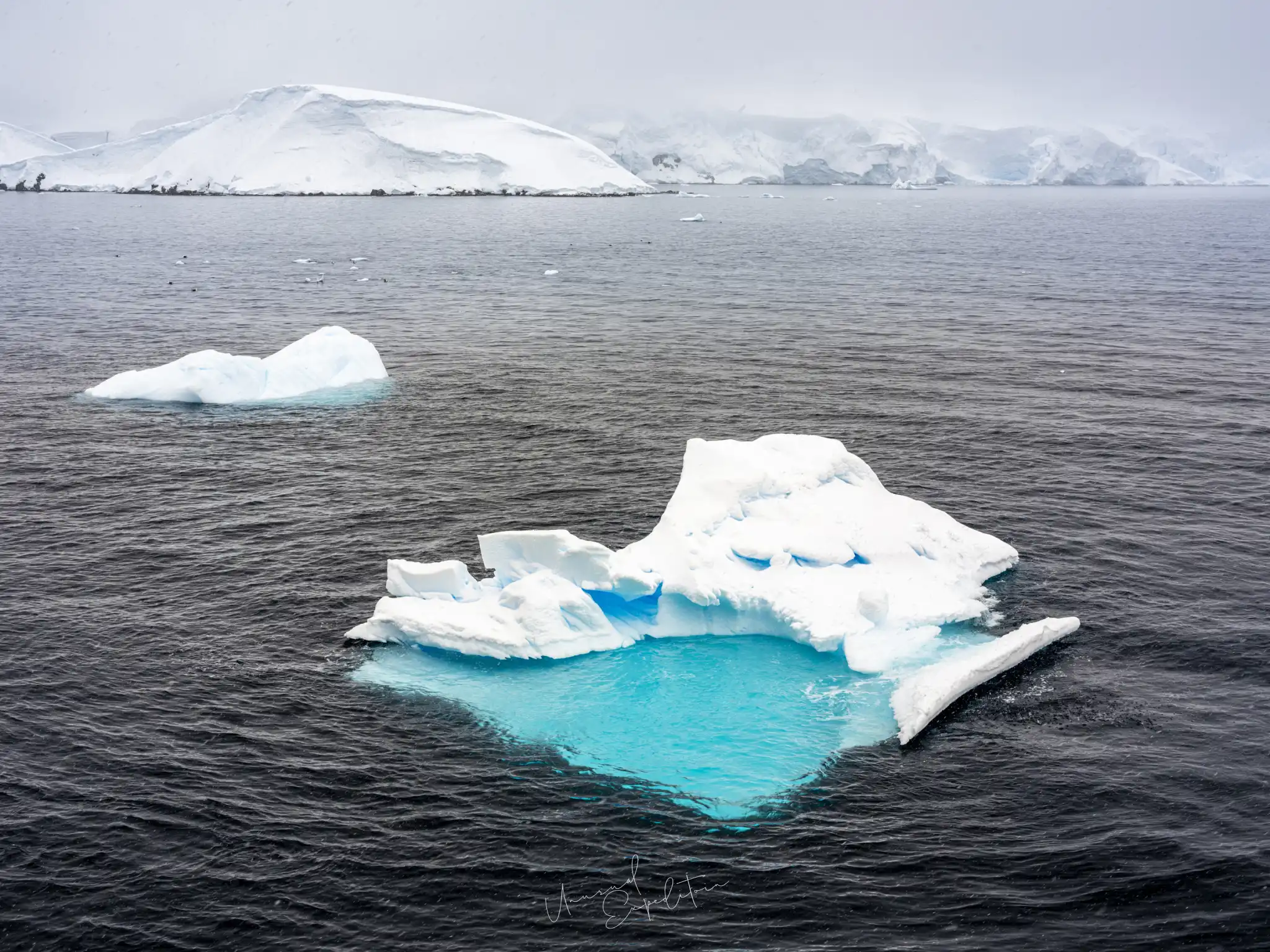
On a big ship you watch Antarctica. On a small one you are in it, usually within an hour of breakfast. The first time the Zodiac engine cuts out beside an iceberg and all you can hear is the ice ticking, you understand what the ship was built for.
Joseph Mak, tour leader, Unusual Expedition
Who an expedition cruise ship suits
An expedition cruise ship suits travellers who want to be outside for most of the day, who can climb in and out of a Zodiac unaided, and who accept that weather sets the plan. It suits photographers above all, because the small boats and long landings give more time with the subject. It suits less well anyone who wants entertainment, fixed shore times or a big ship's steadiness in a swell.
Sail south on a small expedition ship
We represent Poseidon Expeditions, Antarctica21, Swan Hellenic and Quark Expeditions, along with other expedition cruise lines, and can book their voyages. Our own March air-cruise with Antarctica21 is on the Antarctica photography tour page, with the booking form.
Join the Antarctica photography tour
Antarctica Express Air-Cruise 2028 - Antarctica departs 10 Mar 2028 To 16 Mar 2028. Small group, photography first. All Antarctica photography tours.
Explore Antarctica in depth
- Best Expedition Cruise Lines: Quark, Poseidon, Swan Hellenic and Antarctica21 ComparedAntarctica
- Antarctica Cruise Ships: The Expedition Ships We BookAntarctica
- Early Bird or Last Minute Deal for an Antarctica Cruise: Which Is BetterAntarctica
- How to Get a Last Minute Deal for an Antarctica CruiseAntarctica
- Antarctica Cruise from Singapore: Routes, Entry Rules and GatewaysAntarctica
- Antarctica Tour Packages: What Is Included and How They DifferAntarctica
- Antarctica Expedition: Ships, Landings and Who It SuitsAntarctica
- Antarctica Best Photography Spots, From Port Lockroy to the Lemaire ChannelAntarctica
- King George Island: Weather by Month, Daylight Hours and PenguinsAntarctica
- Sunset in Antarctica: Does the Sun Set, and What the Light DoesAntarctica
- Antarctica Photos: What It Really Looks Like from an Expedition ShipAntarctica
- What to Pack for an Antarctica Cruise (and the 25 kg Rule)Antarctica
Upcoming Photo Tours
- Egypt Photo Tour – EgyptEgypt 12 Dec 2026 To 20 Dec 2026
- Inner Mongolia Winter Owl Photo Tour – ChinaChina 01 Jan 2027 To 04 Jan 2027
- Inner Mongolia Winter Photo Tour – ChinaChina 05 Jan 2027 To 11 Jan 2027
- Mekong And Central Highland Vietnam Photo Tour - VietnamVietnam 16 Jan 2027 To 24 Jan 2027