
Antarctica Expedition: Ships, Landings and Who It Suits
What an Antarctica expedition is: small ship vs cruise-only, how landings and Zodiac cruises work under IAATO rules, and who it suits.
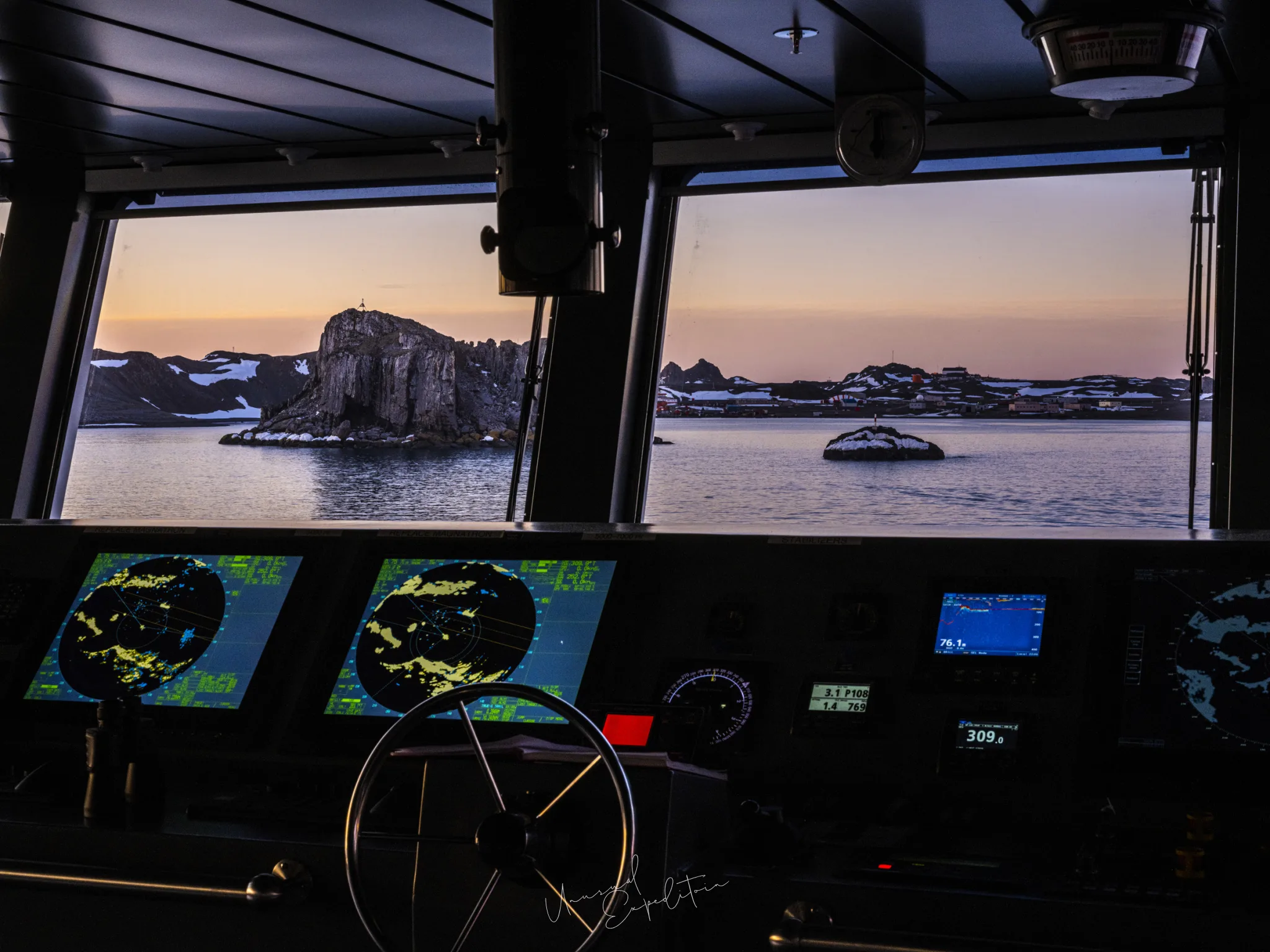
An Antarctica expedition is a voyage on an ice-strengthened ship to the Antarctic Peninsula and the islands around it, where the point is going ashore and out in small boats, not watching from a deck. Each day the expedition leader picks landings and Zodiac cruises to suit the ice, wind and wildlife, so no two voyages run the same. It suits curious, reasonably mobile travellers who accept that weather sets the plan, and it rewards photographers more than almost any other trip.
We look at it here from the photographer's side; the complete guide to an Antarctica photography tour covers the whole trip, from season to camera bag. What follows explains the ships, the landings and who the format is for.
What is an Antarctica expedition?
An Antarctica expedition cruise differs from an ordinary cruise in three ways. The ship carries a team of guides and naturalists alongside its crew, and their job is to put you ashore. The plan is a list of possibilities, because sea ice, swell and wind decide each morning which bays the ship can enter. And the rules are strict: the Antarctic Treaty, in force since 1961, gives nobody sovereignty there, and tourism runs under IAATO, the International Association of Antarctica Tour Operators, founded in 1991. You do not need a permit of your own; the operator holds the authorisations. Most voyages head for the Antarctic Peninsula, the arm of the continent that reaches towards South America, with the South Shetland Islands just to its north. Waters such as the Gerlache Strait, Paradise Harbour and the Lemaire Channel are the classic Antarctica expedition grounds.
Antarctica expedition ships: what the size changes
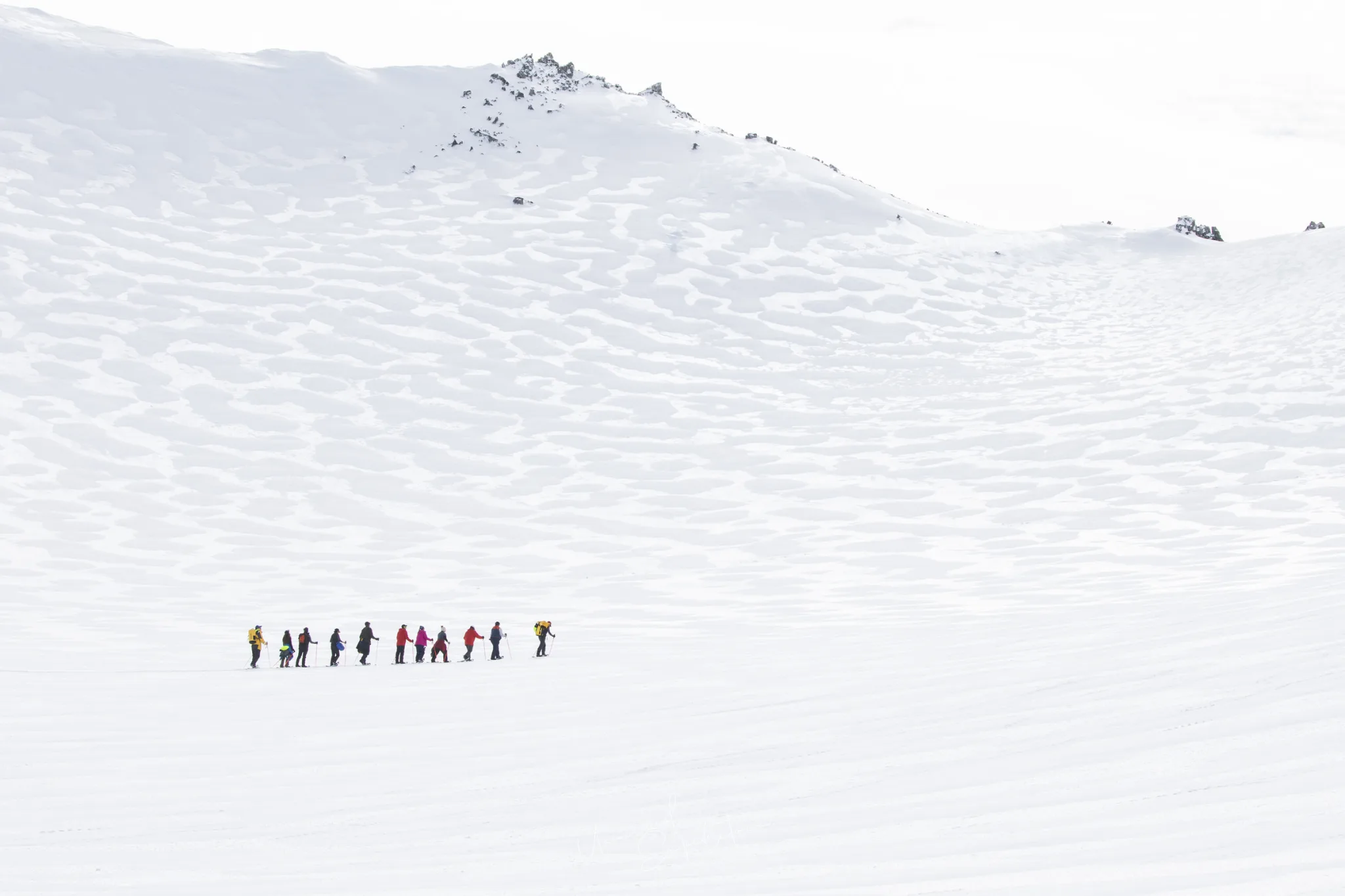
Ship size is the single choice that shapes an Antarctica expedition most, and IAATO's own bylaws are the reason. As reported by MercoPress from IAATO's figures, vessels carrying more than 500 passengers may not land anyone at all; ships carrying 201 to 500 face tighter limits on where and when they land; and no more than 100 people from one ship may be ashore at a site at a time, with one guide for every 20 guests. A ship of a hundred or so guests can put everyone ashore in one go. A ship of four hundred has to rotate groups, so each person gets less time on land. A large liner sails past the scenery and never stops. IAATO counted 118,491 visitors in the 2024 to 2025 season and put the small dip from the season before down mainly to one cruise-only operator sitting the season out, which shows how big a share those non-landing ships carry.
| Ship type | Landings | Time ashore per guest | Best for |
|---|---|---|---|
| Small expedition ship, up to about 200 guests | Yes, most sites | Longest, often everyone at once | Photographers, wildlife watchers |
| Mid-size expedition ship, 201 to 500 guests | Yes, with tighter limits | Shorter, guests ashore in rotation | Comfort with some landings |
| Cruise-only ship, over 500 guests | None | None | Seeing the scenery from the rail |
| Private yacht | Yes, under permit | Flexible | Small private groups |
For anyone who wants to stand among penguins, the top row is the one that matters.
Antarctica expeditions on small cruise ships
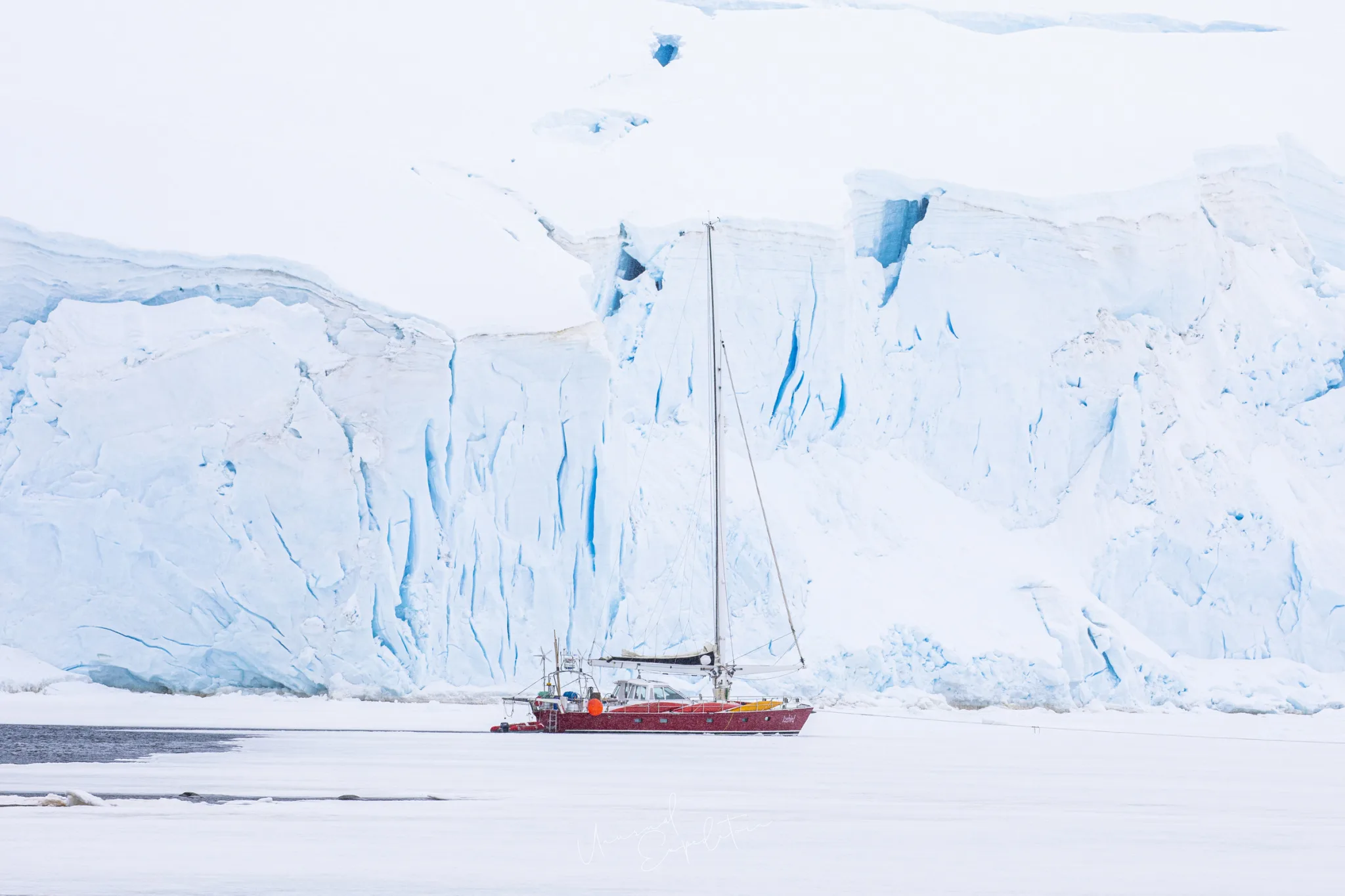
Small cruise ships are where Antarctica expeditions make the most sense, and the reason is arithmetic more than luxury. With a hundred guests and a ratio of one guide per twenty, the expedition team can land the whole ship within the IAATO ceiling and keep it there for the full visit. Zodiac loading is faster, the queue at the gangway is shorter and the ship can slip into a narrow bay that a larger hull cannot. The trade is motion: a smaller ship moves more in a swell, which matters most on an open sea crossing. Our own late-season air-cruise uses a small Antarctica21 expedition ship carrying well under a hundred guests, and that size is a large part of why we chose it. Small private yachts also sail south under permit, and a red-hulled sailing boat anchored below a glacier is a sight you may meet in the quieter bays.
What happens on a landing
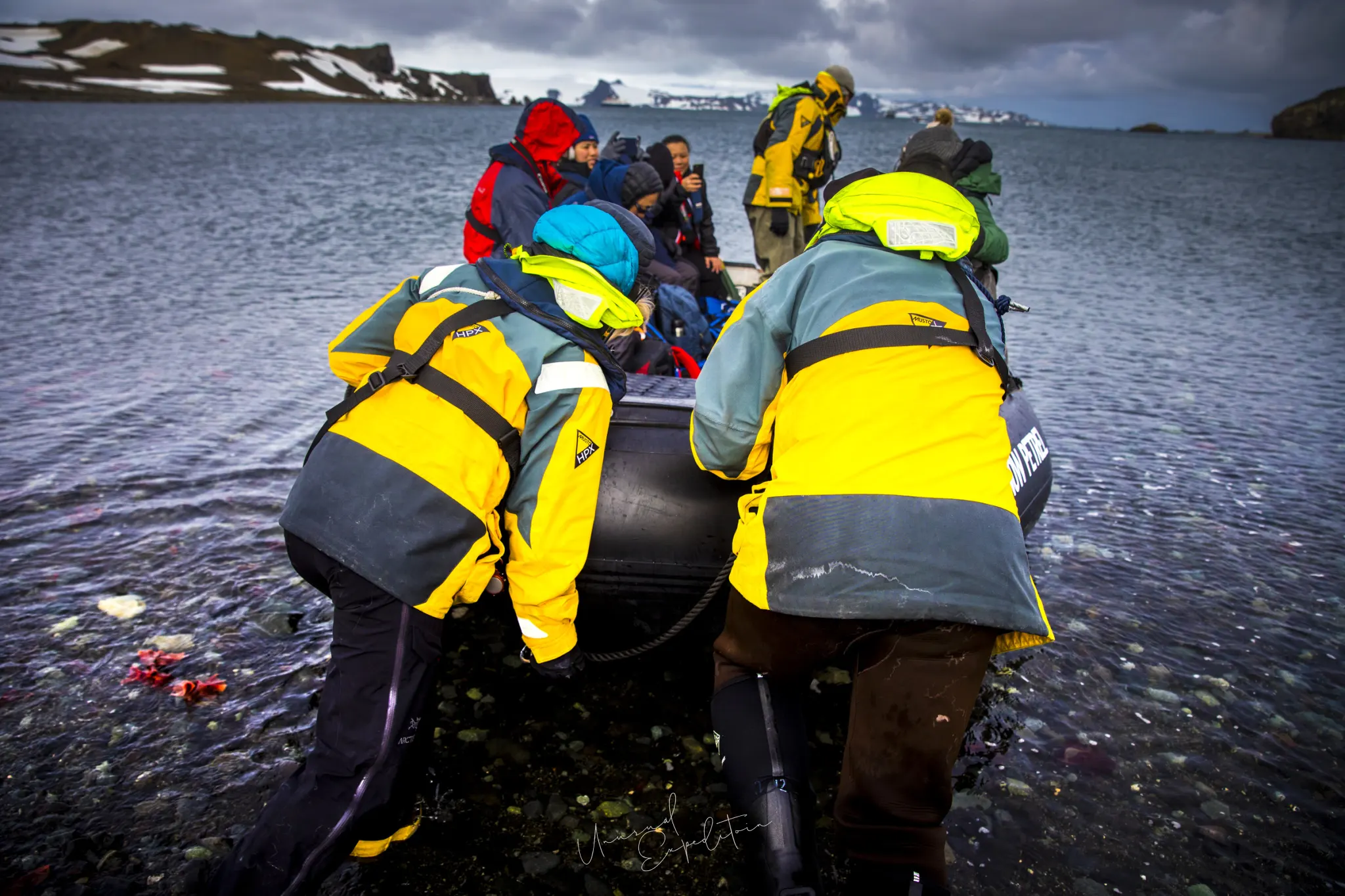
A landing on an Antarctica expedition follows a set routine. The expedition team scouts the shore, marks a safe route with flags and sets the area you may walk. Guests are ferried in by Zodiac, step into the shallows in rubber boots, and walk within the marked area. IAATO guidance keeps you at least five metres from wildlife, more if an animal reacts, and asks you not to sit or kneel where it would disturb nesting birds. Before every landing boots, trousers, bag pockets and Velcro are checked and cleaned so that no seeds or soil travel between sites. Nothing is left behind and nothing is taken away, not even a pebble. Landings run as weather allows, and a calm morning can become a windy afternoon in which the leader cancels a planned stop. When that happens the ship usually offers a Zodiac cruise or moves on to a sheltered bay.
Antarctica expedition cruises without landing: Zodiac cruising
Not every outing goes ashore, and on an Antarctica expedition cruise the Zodiac cruise is often the better photograph. A driver takes a boatload of guests among the icebergs, along a glacier front or towards a group of seals on a floe, and stops the engine when an animal is close. Your eye line is a metre off the water, which is the angle that makes ice and penguins look their size. Whales sometimes approach a stationary boat, especially later in the season when humpbacks have fed all summer. For the practical side of shooting from a moving boat, read Antarctica photography tips for snow, ice and the Zodiac.
How to reach an Antarctica expedition ship
Most Antarctica expedition ships leave from Ushuaia in Argentina and cross the Drake Passage twice, a stretch of open ocean about 800 km wide at its narrowest. The other route is the fly cruise: a charter flight from Punta Arenas in Chile to King George Island in the South Shetlands, where the ship waits offshore. Antarctica21 has run these air-cruises from Punta Arenas since 2003. Flying cuts the sea crossing and gives the ship more of its days among the islands; sailing gives you the seabirds of the open ocean and a ship that leaves on the day it says. The trade-offs are set out in how an Antarctica fly cruise works, and the sea crossing itself in crossing the Drake Passage.
"On my first morning ashore I expected a cruise with a few excursions. What I got was a team that read the ice at first light and changed the whole day before breakfast. After four midsummer voyages I still find that the best landing is usually the one nobody had on the list."
Joseph Mak, tour leader, Unusual Expedition
Who an Antarctica expedition suits
An Antarctica expedition suits people who want to be outside, in the cold and wind, for most of the day, and who can live with a plan that changes. You need to climb in and out of a Zodiac unaided and walk on snow and uneven rock; Antarctica21 accepts children from 8 on its air-cruises. Comprehensive travel insurance with medical and evacuation cover is required, because the nearest hospital is a flight away. Photographers get the most from it, since the light, the animals and the ice give something new every hour. It suits less well anyone who needs certainty, anyone prone to severe seasickness who books a double Drake crossing, and anyone expecting cruise-style entertainment. If you are weighing whether the cost and effort pay off, is Antarctica worth visiting is the place to start.
Antarctica expedition companies: what to ask before you book
Antarctica expedition companies range from small specialist operators to large cruise brands, and the brochure language sounds alike. Five questions separate them. Is the operator an IAATO member? How many guests does the ship carry, which decides your landings? How many guides are aboard, and do they include naturalists and photographers? Is the trip a classic sailing from Ushuaia, a fly cruise, or a longer voyage that adds the Falklands and South Georgia? And what happens if weather stops a flight or a crossing? The answers matter more than the cabin pictures.
Join a small-ship Antarctica expedition with photographers
Our March departure is the Antarctica Express Air-Cruise with Antarctica21: a small ship, a fly-in from Punta Arenas and a sea crossing home to Ushuaia. The Antarctica photography tour page has the details and the booking form. I will be on the deck and in the Zodiac with you.
Join the Antarctica photography tour
Antarctica Express Air-Cruise 2028 - Antarctica departs 10 Mar 2028 To 16 Mar 2028. Small group, photography first. All Antarctica photography tours.
Explore Antarctica in depth
- Best Expedition Cruise Lines: Quark, Poseidon, Swan Hellenic and Antarctica21 ComparedAntarctica
- Antarctica Cruise Ships: The Expedition Ships We BookAntarctica
- What Is an Expedition Cruise Ship? How It Differs from a Regular Cruise ShipAntarctica
- Early Bird or Last Minute Deal for an Antarctica Cruise: Which Is BetterAntarctica
- How to Get a Last Minute Deal for an Antarctica CruiseAntarctica
- Antarctica Cruise from Singapore: Routes, Entry Rules and GatewaysAntarctica
- Antarctica Tour Packages: What Is Included and How They DifferAntarctica
- Antarctica Best Photography Spots, From Port Lockroy to the Lemaire ChannelAntarctica
- King George Island: Weather by Month, Daylight Hours and PenguinsAntarctica
- Sunset in Antarctica: Does the Sun Set, and What the Light DoesAntarctica
- Antarctica Photos: What It Really Looks Like from an Expedition ShipAntarctica
- What to Pack for an Antarctica Cruise (and the 25 kg Rule)Antarctica
Upcoming Photo Tours
- Egypt Photo Tour – EgyptEgypt 12 Dec 2026 To 20 Dec 2026
- Inner Mongolia Winter Owl Photo Tour – ChinaChina 01 Jan 2027 To 04 Jan 2027
- Inner Mongolia Winter Photo Tour – ChinaChina 05 Jan 2027 To 11 Jan 2027
- Mekong And Central Highland Vietnam Photo Tour - VietnamVietnam 16 Jan 2027 To 24 Jan 2027