
Papua New Guinea Highlands Photography FAQ: Fees, Consent, Weather and Gear
Papua New Guinea Highlands photography questions: paying villages, markets, staged sing-sings, Goroka Show, weather, snow, gear.
Photographing the Papua New Guinea Highlands raises the same questions on every trip. Yes, you pay to photograph a village sing-sing, through an agreed fee that goes to the community. Yes, the dress is real even when the session is arranged. The Highlands weather is mild by day and cool at night, with rain possible in any month. And a 24-70mm with a long lens for birds covers almost everything. The answers below come from our own trips.
For the bigger picture start with our Papua New Guinea Highlands photography guide; flights, visas and safety for Singapore travellers are in Papua New Guinea tour from Singapore.
Do you pay to photograph people in the Papua New Guinea Highlands?
For a sing-sing, yes. In the Papua New Guinea Highlands a village performance is a real event: people spend hours dressing in family bilas, paint each other, travel from their gardens and give up a working day. On our trips the session is arranged in advance through a local guide, the fee is agreed before we arrive and it is paid to the community, not handed out to individuals. That keeps it fair and avoids the scramble that cash in the hand creates. Outside a session, people in towns and villages are generally friendly about photographs if you ask first, and many are delighted to see themselves on the screen. Never photograph someone who declines, and never pay children for pictures.
Can I photograph people at highland markets?
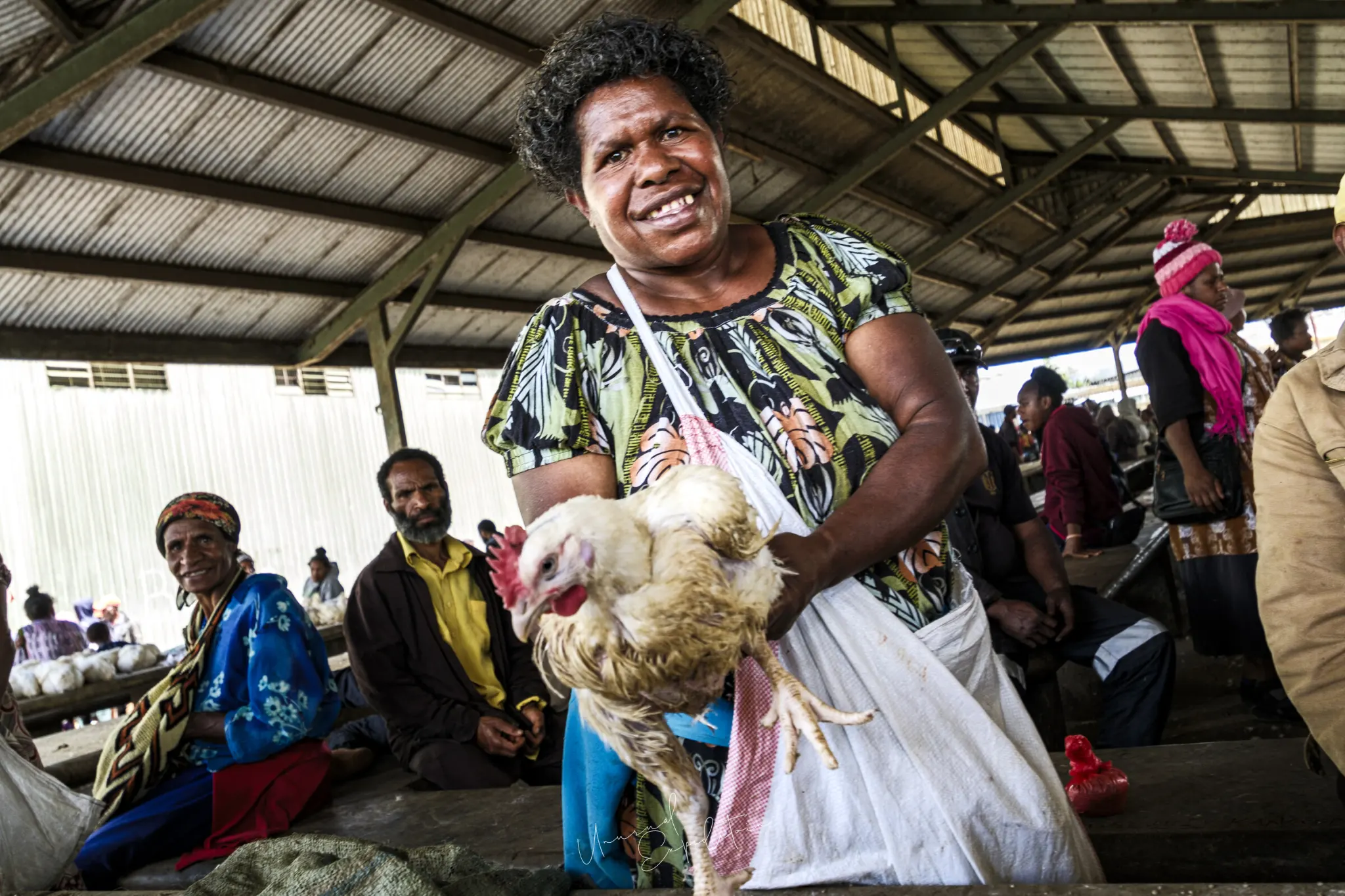
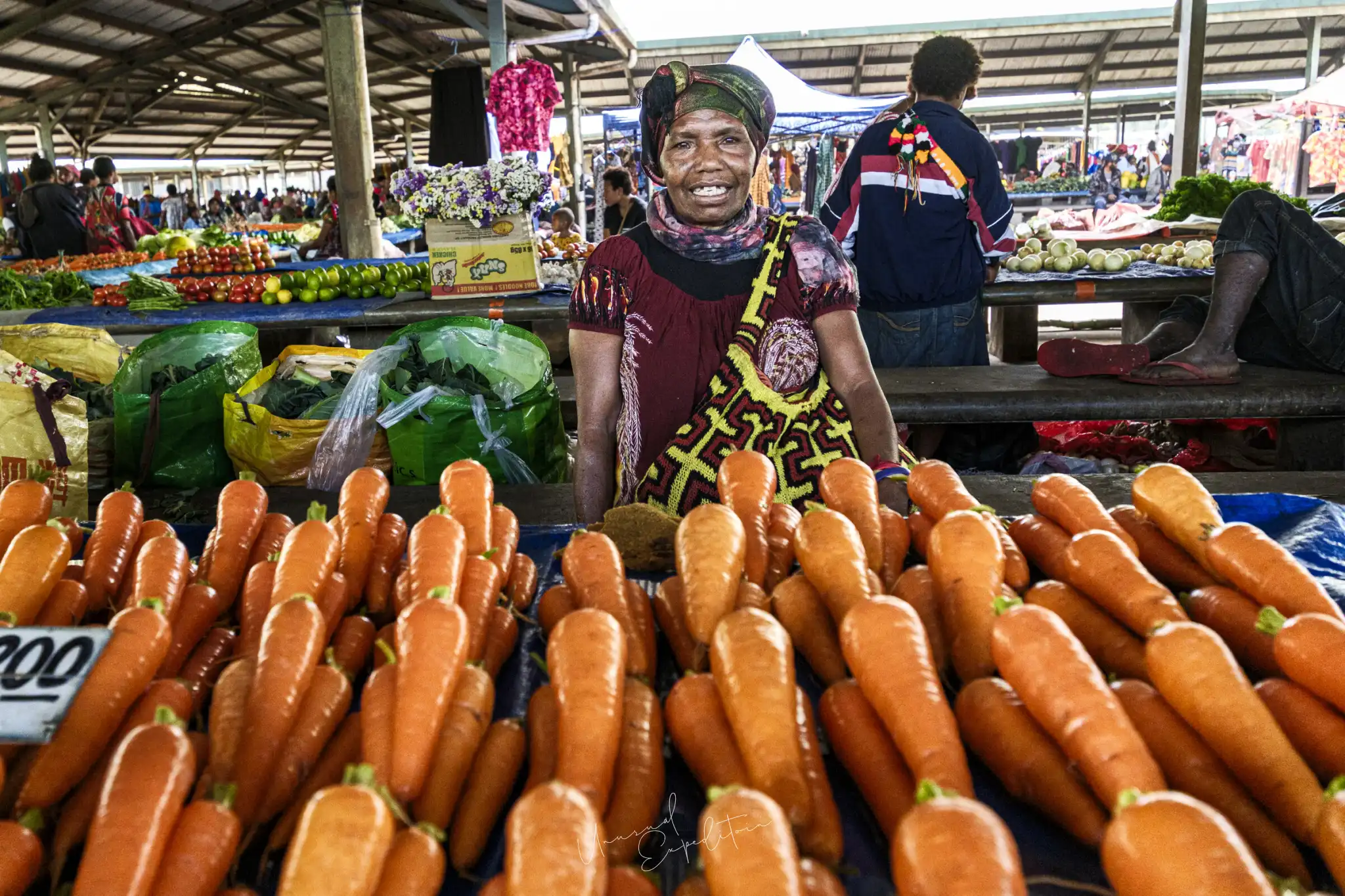
Highland markets are among the most photogenic places in the country, and vendors are usually happy to be photographed once you have greeted them, asked and, ideally, bought something. Peanuts, bananas or a bunch of spring onions are a good start. Women sell from mats under the long market roofs, which give soft light all day, and the produce itself makes strong pictures: pyramids of carrots, sacks of potatoes, live chickens in string bags. Keep your camera visible, never shoot from the hip, and move slowly through the aisles.
Are the sing-sings staged for photographers?
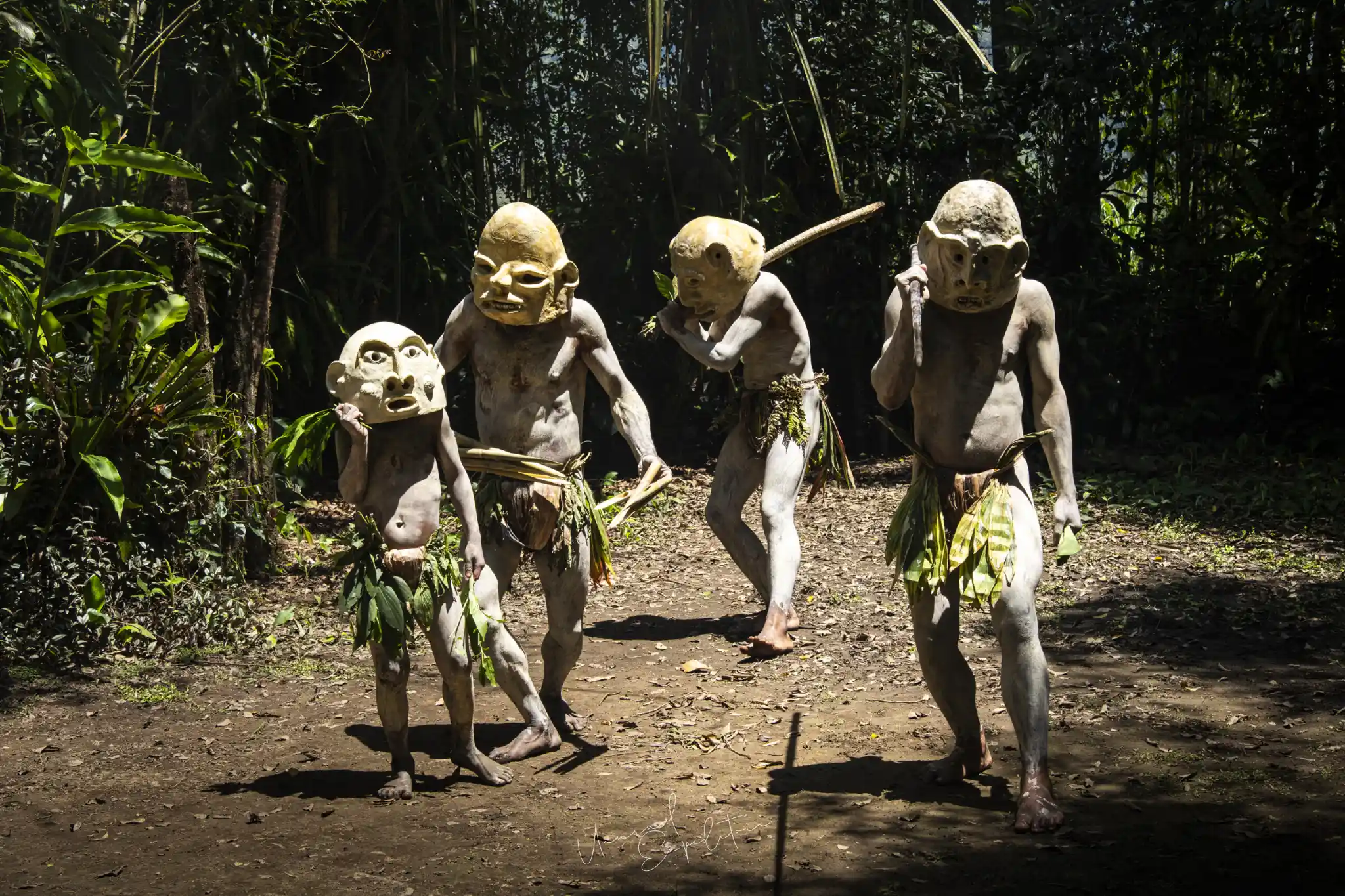
The sessions are arranged, the culture is not. A village sing-sing on our trips is organised for our group, at a place and time agreed with the community, so in that sense it is a performance. But the dress, the paint, the songs and the dances are the group's own, and many performers also dance at their own ceremonies and at the big shows. Groups such as the Asaro mudmen have performed for visitors and shows since the 1950s, and the performances keep the tradition visible and earn income for the village. We say clearly in captions that these are performances, and we never describe a portrait as a candid scene.
Goroka Show tour or village sing-sings?
A Goroka Show tour puts you at the biggest gathering in the Highlands, held each September around Independence Day, with dozens of groups from all over the country on one ground. The Mount Hagen Show in August is similar. The shows are spectacular and crowded: you photograph over shoulders, the backgrounds are spectators and fences, and the best groups are surrounded. Village sing-sings give you one or two groups, natural backgrounds and time to work. We build our trips around village sessions and add a show day only when a group asks for it.
What is the Papua New Guinea highlands weather like?
The Papua New Guinea highlands weather is mild because of the altitude: most valley floors sit above 1,500 metres, so days are warm rather than tropical and nights can be cool enough for a fleece. The drier season runs from about May to October, according to the Papua New Guinea Tourism Promotion Authority, but rain can fall in any month, often as an afternoon downpour after a clear morning. Clouds build over the ranges by late morning, which is why we photograph birds early and people in the softer light that follows. Our best time to visit Papua New Guinea article has the month by month picture.
Does Papua New Guinea get snow?
Papua New Guinea does get snow, but only on its highest summits. Mount Wilhelm, the highest mountain in the country at about 4,509 metres, sees frost and occasional light snow near the top, and the highest peaks of the island have held small ice fields. In the Highland valleys where people live and where we photograph, snow never falls. Mornings can be chilly, though, so bring a warm layer and a rain jacket.
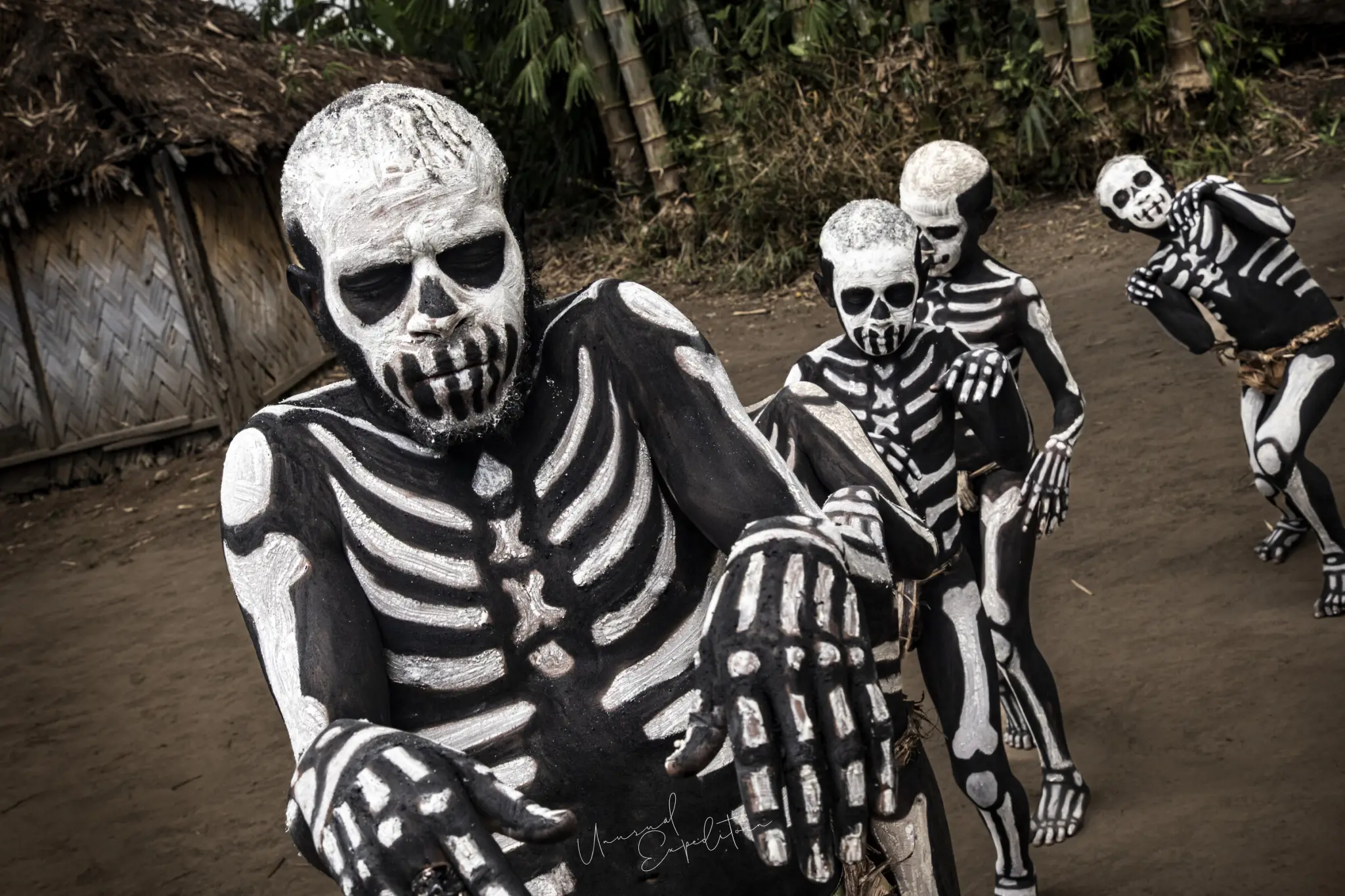
"The first question people ask me is whether it is real. Watch a grandmother fix her granddaughter's headdress before a dance and you will have your answer. The session is arranged; what happens in it belongs to them."
Joseph Mak, tour leader, Unusual Expedition
Papua New Guinea culture shock: what surprises visitors
The Papua New Guinea culture shock most visitors feel is gentle but real. Betel nut, buai in Tok Pisin, is chewed everywhere, and red spit marks pavements and market floors. Towns are busy, loud and informal. Time is elastic, and a sing-sing starts when everyone is ready, not when the plan says. Dress modestly in towns and villages, ask before entering a garden or a house, and follow your guide's lead on greetings. Above all, people are curious and warm, and many will want to talk with you as much as be photographed.
What camera gear should I bring?
| Subject | Lens | Why |
|---|---|---|
| Portraits and sing-sings | 24-70mm | Covers most of a session |
| Groups in tight forest | 16-35mm | Space is limited between the trees |
| Dance details and candid moments | 70-200mm | Lets you stay at the edge |
| Birds | 100-400mm or 500mm | Canopy birds are high and shy |
Add a rain cover, a microfibre cloth, silica gel for the humidity and plenty of spare batteries and cards. Two bodies save lens changes in the rain.
How do you get to the Papua New Guinea Highlands?
The usual way into the Papua New Guinea Highlands is a domestic flight from Port Moresby to Mount Hagen or Goroka, then private vehicles with local drivers and guides. Air Niugini and PNG Air fly the domestic routes; schedules change, so check them close to travel. International arrival is through Port Moresby, and the details for Singapore travellers are in our country article above. Once in the Highlands, roads are rough and travel is slow, which is another reason we keep trips focused on one or two areas.
Is it safe to visit the Highlands?
Parts of the Highlands see tribal conflict and towns can have crime, and governments including Canada and the United States advise caution. Singapore's Ministry of Foreign Affairs asks travellers to eRegister and read its Papua New Guinea page. We visit only communities our local guides know well, travel in private vehicles and change plans on local advice. Our groups have always been received warmly.
Ask us about the Highlands
Every Papua New Guinea trip we run is small and private, with village sessions arranged with each community. Planned departures are on the Papua New Guinea photography tours page, and we are happy to answer any question not covered here.
Papua New Guinea Highlands photography tours
The next Papua New Guinea Highlands departure is announced on the Papua New Guinea Highlands photography tours page, with previous expeditions and all the planning guides.
Explore Papua New Guinea Highlands in depth
- Papua New Guinea Highlands Photography Guide: Tribes, Markets and BirdsPapua New Guinea
- Papua New Guinea Traditional Dress: Bilas, Face Paint and Headdresses of the HighlandsPapua New Guinea
- Papua New Guinea Bird Watching: Parrots, Kingfishers and Honeyeaters of the HighlandsPapua New Guinea
- Birds of Paradise Papua New Guinea: A Photographer's GuidePapua New Guinea
- Skeleton Tribe Papua New Guinea: Photographing the Chimbu Skeleton DancersPapua New Guinea
- Asaro Mudmen Photos: the Mud Masks of the Eastern HighlandsPapua New Guinea
- Huli Wigmen Photos: Photographing the Huli of Papua New GuineaPapua New Guinea
Upcoming Photo Tours
- Egypt Photo Tour – EgyptEgypt 12 Dec 2026 To 20 Dec 2026
- Inner Mongolia Winter Owl Photo Tour – ChinaChina 01 Jan 2027 To 04 Jan 2027
- Inner Mongolia Winter Photo Tour – ChinaChina 05 Jan 2027 To 11 Jan 2027
- Mekong And Central Highland Vietnam Photo Tour - VietnamVietnam 16 Jan 2027 To 24 Jan 2027