
Teotihuacán at Sunrise: Photos, the Balloons and How to Get There
Teotihuacán at sunrise: why the view is from a hot air balloon, how flights work, the bus from Mexico City, the rules, and quiet Tula.
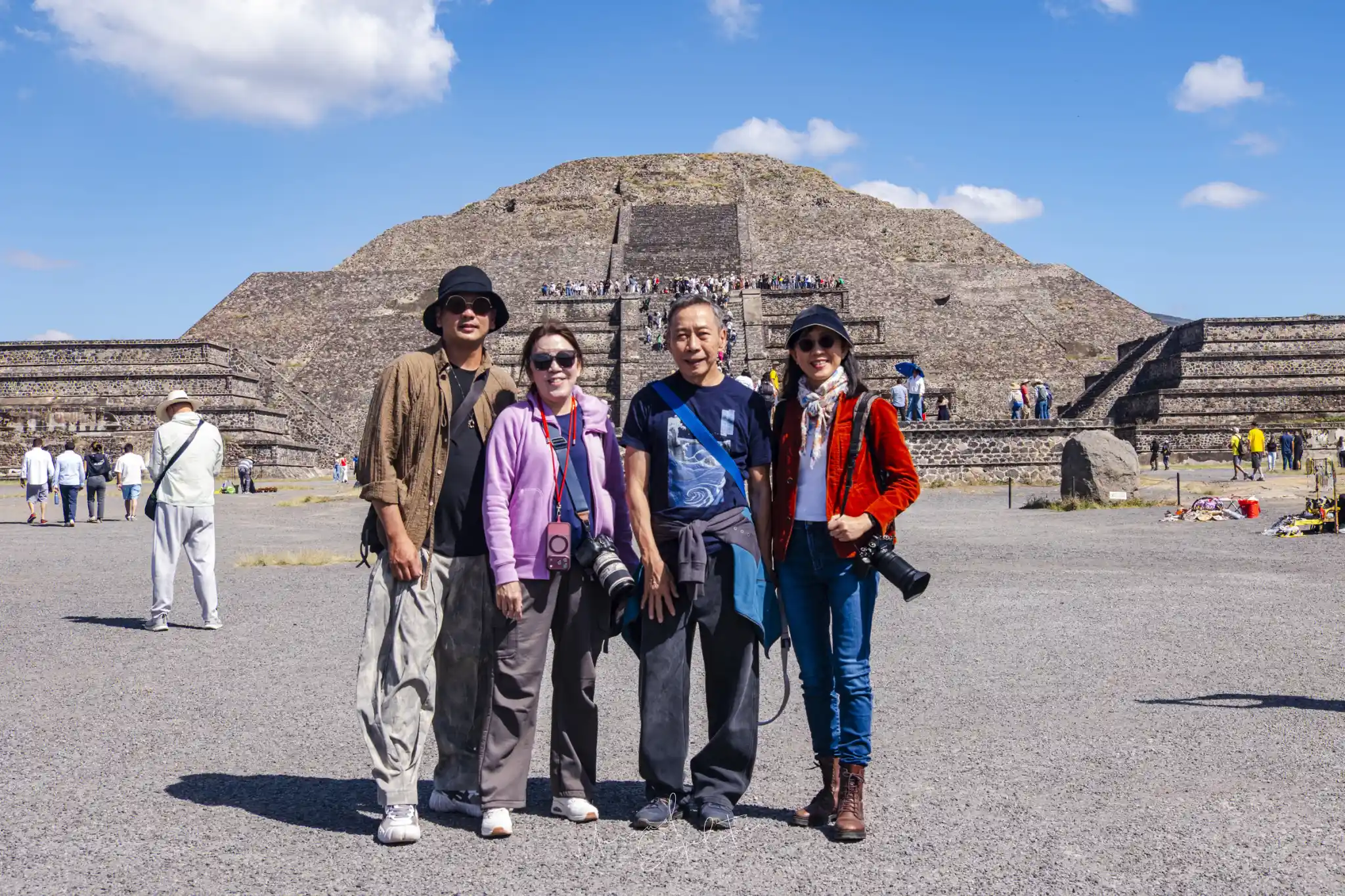
Teotihuacán at sunrise is seen from the air or not at all: the archaeological zone opens after the sun is up, so the only way to photograph the Pyramid of the Sun in first light is from a hot air balloon launched beside the site before dawn. On the ground the pyramids are an opening-time subject. Teotihuacán is one of the sites on our Mexico festival of the dead photography tour; this is how the sunrise, the balloons and the bus from Mexico City work.
Where is Teotihuacán and what is there?
Teotihuacán lies about fifty kilometres north-east of Mexico City in the State of Mexico, on the high plateau at about 2,300 metres. It was the largest city in the Americas in the first centuries of the Christian era, built by a people whose name we do not know; the Aztecs found it in ruins and named it the place where the gods were made. What stands today is the Avenue of the Dead running north for about two kilometres, the Pyramid of the Sun on its east side, around 65 metres high and one of the largest pyramids in the world by volume, the Pyramid of the Moon closing the avenue at the north end, and the Ciudadela with the Temple of the Feathered Serpent at the south. It has been a UNESCO World Heritage Site since 1987.
Teotihuacán at sunrise: what you can and cannot see
The sun rises behind the hills to the east and lights the west faces of the pyramids first, so sunrise over Teotihuacán is a view from the west or from above. The site's gates open later than sunrise, with hours that change from year to year, so a visitor on foot arrives with the sun already up and the light already hard by mid-morning. That leaves two real options: the balloon, which puts you in the air over the avenue as the sun clears the hills, and an early gate, which gives you the pyramids with long shadows and few people for the first hour. On the 2026 departure we were there in the late morning with everyone else, which is the frame below, and both the early gate and the balloon are better than that; the balloon is the one we are asked about most.
Teotihuacán sunrise hot air balloon: how it works
Several companies fly balloons from launch fields in San Juan Teotihuacán, the town beside the site, every morning when the weather allows. Flights leave in the dark, lift off around first light, drift for roughly an hour over the farmland and, wind permitting, over the Avenue of the Dead, and land outside the archaeological zone. The pyramids pass below at an angle that no ground position gives, with the whole plan of the city laid out and the sun low across it. Flights are weather dependent and are cancelled for wind or cloud, so book a morning with a spare day after it. Operators collect from Mexico City hotels in the small hours or meet at the launch field; the site entry afterwards is separate and paid at the gate.
How do you photograph from a balloon?
The basket is crowded, the burner is above your head and the balloon turns slowly, so the pictures are made with a 24-70mm, hand-held, shutter speed above 1/500 of a second to kill the drift, and a hand kept on the strap. Shoot the pyramids as the balloon turns past them, then the other balloons against the sunrise, which is often the better picture, then the shadows of the balloons on the fields. Leave the tripod on the ground. A second body with a 70-200mm picks out the Pyramid of the Moon at the end of the avenue when the balloon is further off. Dress warmly; the plateau is cold before the sun is up.
How to get to Teotihuacán from Mexico City
Without a tour, the way is the bus. From the Terminal Central del Norte, on Metro line 5, buses marked for the pyramids leave through the morning from the gates at the far end of the concourse, take about an hour, and stop at the gates of the archaeological zone. Tickets are a modest fare each way, bought at the counter. A taxi or a ride-hailing car from the centre takes about the same time outside the rush hour and costs a good deal more. The site has several gates; Gate 1 is nearest the Ciudadela at the south end and Gate 2 is nearest the Pyramid of the Sun. For sunrise balloon flights the operators drive you, because no bus runs that early.
What are the opening hours and the rules?
The archaeological zone opens in the morning and closes in the late afternoon; the exact hours change, so check the official INAH page before you go. Climbing the pyramids was stopped in 2021 to protect the structures and has not been reopened, so the view from the top of the Pyramid of the Sun is no longer available to anyone. Tripods and professional equipment can attract a permit requirement at INAH sites, and drones are not allowed. Hats and water: there is no shade on the Avenue of the Dead and the altitude makes the sun stronger than it feels.
Teotihuacán or Tula: the nearer, quieter pyramid
Tula, the Toltec capital north of Mexico City in Hidalgo, is the other pyramid site within a morning of the capital, and it is the one we photograph most happily, because it is nearly empty. Pyramid B carries the four basalt Atlantean warriors on its platform and a field of carved columns stands in front of it. The black stone takes morning side light well. Teotihuacán is the bigger experience and the one people have heard of; Tula is the better hour of photography. We cover both, with the Maya sites, in Mexico's pyramids: Tula, Teotihuacán, Chichén Itzá, Ek Balam and Tulum.
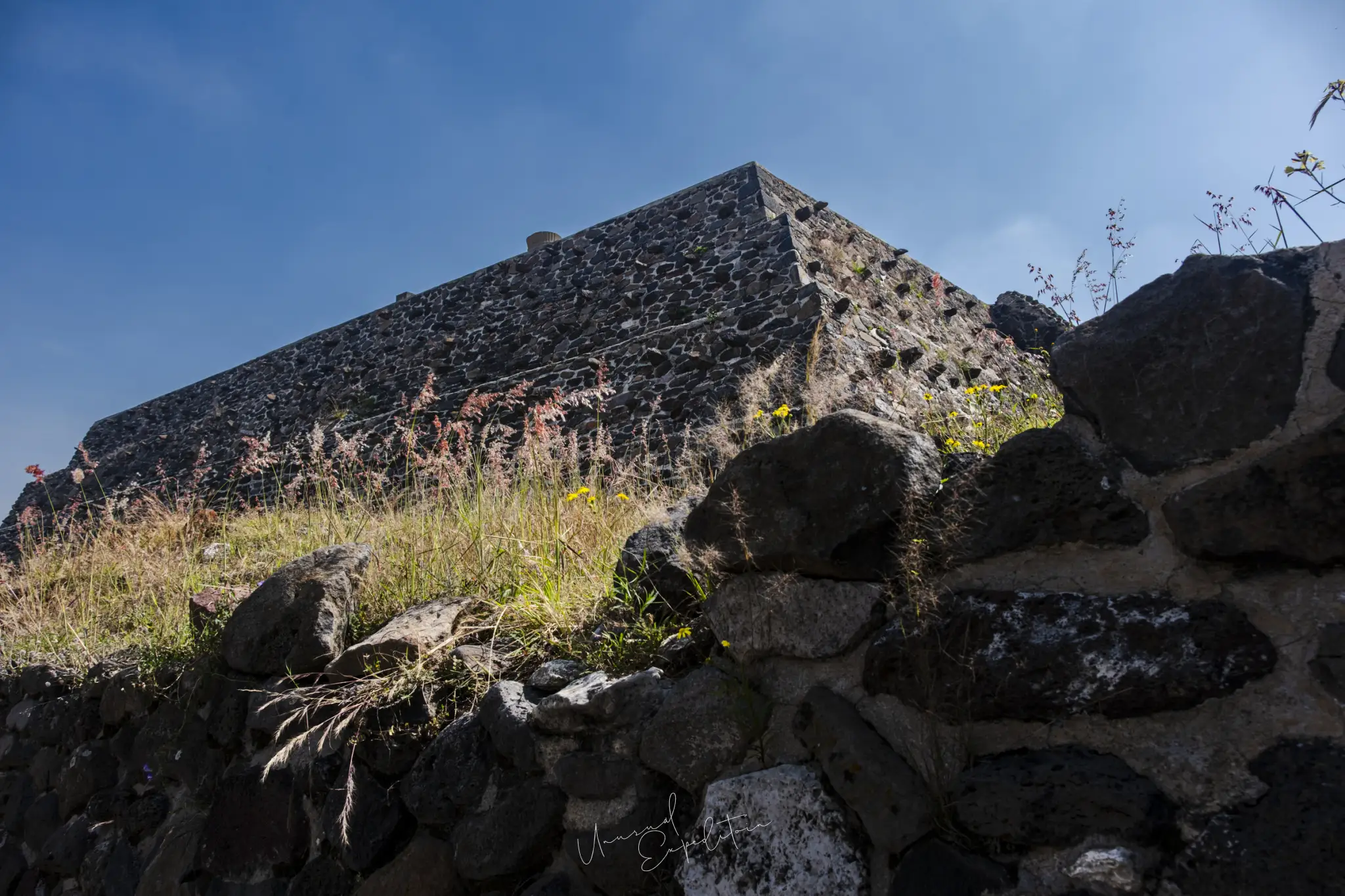
"Everyone wants the sunrise over the Pyramid of the Sun and the gate is not open for it. Either you pay for the balloon and shoot from the basket, or you are first through the gate and shoot the shadows. I have stood in the plaza at midday with everyone else. Next time it is the gate at opening, and the balloon is on my list."
Joseph Mak, tour leader, Unusual Expedition
Teotihuacán sunrise and morning options
| Option | What you get | Light | Lens |
|---|---|---|---|
| Hot air balloon | The avenue and both pyramids from above as the sun clears the hills | Sunrise, low and warm | 24-70mm, 1/500 or faster |
| First through the gate | Long shadows on the Avenue of the Dead, few people | Early morning, hardening fast | 16-35mm, 24-70mm |
| Late morning visit | Crowds on the platforms, flat overhead light | Hard | 70-200mm for details |
| Tula instead | The Atlantes and the columns, almost alone | Morning side light | 24-70mm |
The balloon is the only one of the four that gives a sunrise; the others give a morning.
Is Teotihuacán worth it for a photographer?
For the scale, yes. For the pictures, it is a hard site: no climbing, no shade, a lot of people, and stone that photographs grey in flat light. The frames that work are the ones that use the avenue as a line, the Pyramid of the Moon as its end point and people as scale, and the ones made from the air. Go once, go early, and give Tula the second morning.
Photograph the pyramids with us
Teotihuacán and Tula sit between the festival days of the Mexico Festival of the Dead photography tour, with Joseph Mak at the gate at opening. What to pack for a day on the plateau is in camera gear for Day of the Dead photography in Mexico.
Mexico photography tours
The next Mexico departure is announced on the Mexico photography tours page, with previous expeditions and all the planning guides.
Explore Mexico in depth
- Mexico Festival of the Dead Photography Tour: The Complete GuideMexico
- Janitzio Photos: The Island, the Cemetery and the Boat from PátzcuaroMexico
- San Miguel de Allende Photo Spots: Where to Stand and WhenMexico
- Mexico City Photo Spots: The Best Places to Take PicturesMexico
- Day of the Dead Photos from Mexico: What the Real Celebration Looks LikeMexico
- Mexico Tour from Singapore: Flights, Visa and What to ExpectMexico
- Puebla, Cholula and Taxco for PhotographersMexico
- Guanajuato and San Miguel de Allende at Day of the DeadMexico
- Camera Gear for Day of the Dead Photography in MexicoMexico
- Mexico Day of the Dead Photo Tour: Your Questions AnsweredMexico
- Photographing the Day of the Dead Parade in Mexico CityMexico
- Mexico's Pyramids: Tula, Teotihuacán, Chichén Itzá, Ek Balam and TulumMexico
Upcoming Photo Tours
- Egypt Photo Tour – EgyptEgypt 12 Dec 2026 To 20 Dec 2026
- Inner Mongolia Winter Owl Photo Tour – ChinaChina 01 Jan 2027 To 04 Jan 2027
- Inner Mongolia Winter Photo Tour – ChinaChina 05 Jan 2027 To 11 Jan 2027
- Mekong And Central Highland Vietnam Photo Tour - VietnamVietnam 16 Jan 2027 To 24 Jan 2027