
How to Get to Masai Mara, and Is It Worth It
How to get to Masai Mara from Nairobi and Singapore: flights to the airstrips, the road, the Mara Triangle, fees and is it worth it.
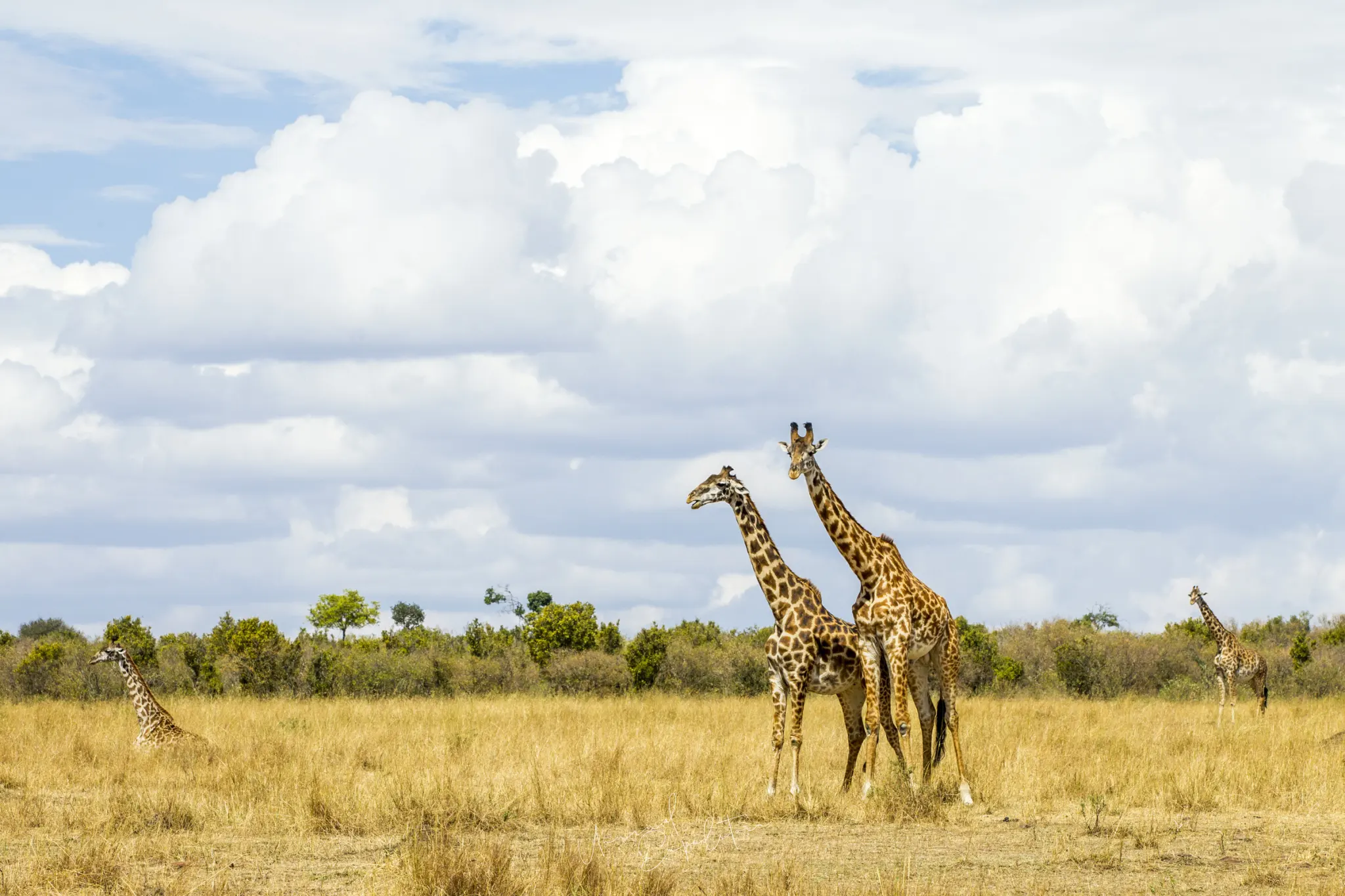
How to get to Masai Mara: fly from Nairobi's Wilson Airport on a scheduled light aircraft to one of the airstrips inside or beside the reserve, such as Mara Serena or Keekorok, or go by road from Nairobi through Narok with a safari operator. Most international visitors land at Jomo Kenyatta International Airport in Nairobi first; from Singapore that means a connection through the Gulf or Addis Ababa. And yes, the Masai Mara is worth it, especially in the migration months.
This practical guide sits under our Masai Mara photography tour guide. It covers getting there, the Mara Triangle, park fees in principle and our view on whether the Mara deserves the trip.
How to get to Masai Mara from Nairobi
There are two ways to get to Masai Mara from Nairobi. The first is by air. Airlines such as Safarilink and Airkenya fly scheduled light aircraft from Wilson Airport, Nairobi's domestic airport, to a set of airstrips in and around the reserve, several times a day in the main season. A camp vehicle meets you at the strip, and in practice your first game drive starts on the way to camp. The second way is by road, in a safari vehicle with a driver guide, through the town of Narok and on to one of the reserve's gates. The road is long and partly rough, but it lets you see the Rift Valley and the Maasai country on the way and keeps the same vehicle and guide for the whole trip, which is useful for photographers who want a roof hatch and space for their bags.
Where do you fly into for Masai Mara
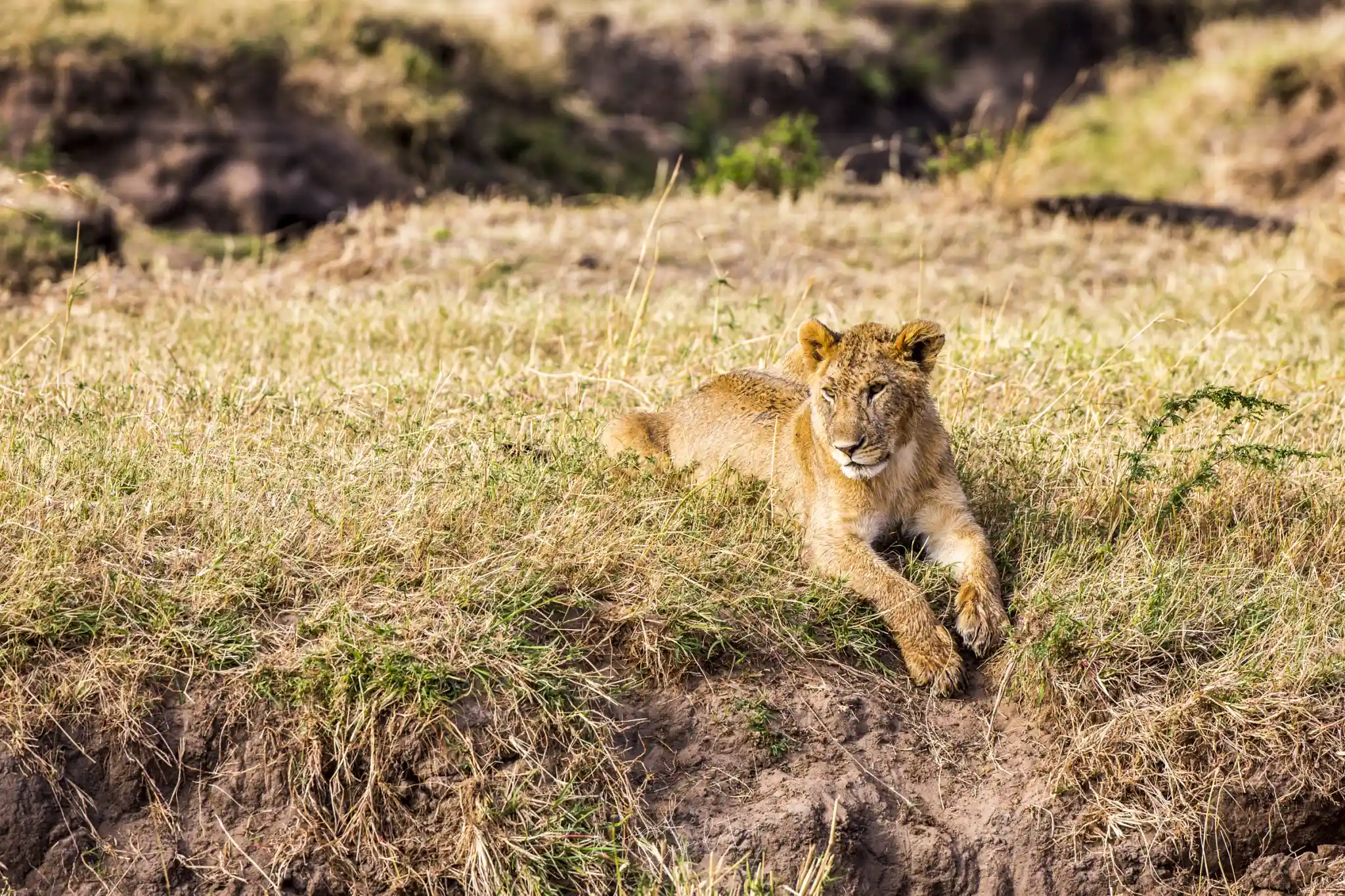
Where do you fly into for Masai Mara? Internationally, Nairobi. Domestically, the answer depends on where you stay. The reserve and the conservancies around it are served by several airstrips, including Mara Serena in the west near the Mara Triangle, Keekorok in the south-east, and Olkiombo and others in the centre and north, as the airline schedules show. Light aircraft stop at more than one strip on the way, so the flight is also a view of the plains from the air. Baggage limits on these aircraft are strict and soft bags are usually required; check the airline's allowance for camera gear before you pack, and carry the lenses on board with you.
How to get to Maasai Mara from Singapore
For anyone asking how to get to Maasai Mara from Singapore: there is no direct flight to Nairobi, so you connect through a hub such as Doha, Abu Dhabi, Dubai or Addis Ababa. Singapore passports are exempt from Kenya's electronic Travel Authorisation for stays of up to 90 days, according to the Singapore Ministry of Foreign Affairs, but Kenya now requires visitors to hold travel health insurance, and you need a yellow fever certificate to re-enter Singapore. The details are in our Kenya trip planning guide, which also covers time difference, money and safety.
Mara Triangle
The Mara Triangle is the western third of the Masai Mara National Reserve, about 510 square kilometres between the Mara River and the Oloololo escarpment. Since 2001 it has been run by the Mara Conservancy, a non-profit, under an agreement with the county government, and it has its own gates, rangers and rules. Our Masai Mara trip came in through the Mara Triangle gate. For photographers the Triangle has three draws: well-maintained roads, firm rules on vehicles and off-road driving, and several famous crossing points on the river. The rest of the reserve, east of the river, is managed by Narok County, with the Talek and Sekenani areas and Keekorok. Check whether your ticket covers both sides before you plan to drive across.
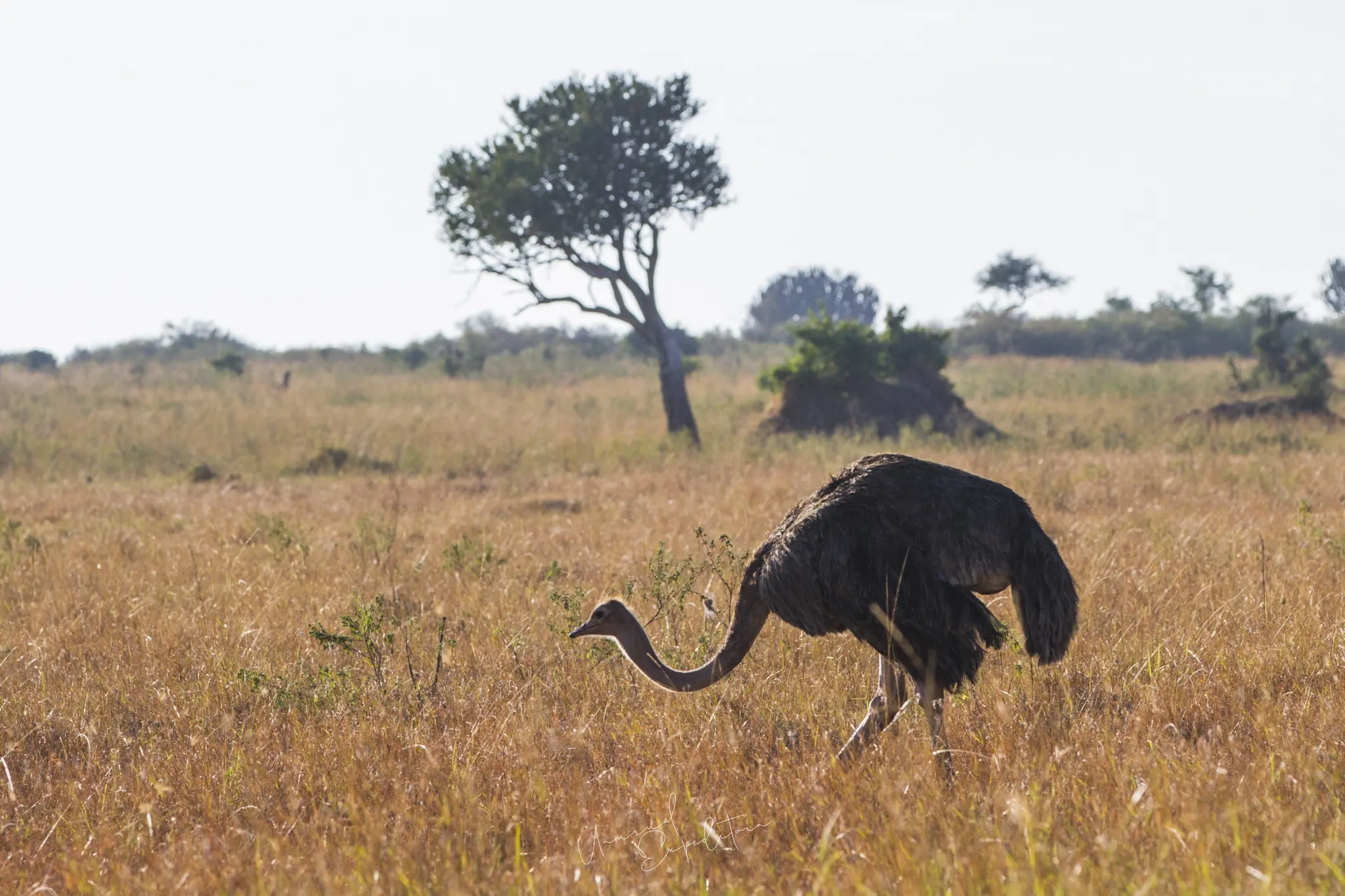
"Where you stay in the Mara decides what you photograph. Stay near the river in the migration months, on the plains for the cats. The driving between them is time you could spend waiting for a picture."
Joseph Mak, tour leader, Unusual Expedition
Masai Mara entrance fee
The Masai Mara entrance fee is a daily conservation fee charged per person, set by Narok County for the main reserve and collected separately by the Mara Conservancy for the Mara Triangle. The rate for non-residents is higher in the high season, from July to December, than from January to June, and children pay less. Fees change from year to year, so check the current schedule before you travel; an operator's quote usually includes them, but ask. The private conservancies around the reserve have their own fees. The fee pays for rangers, roads and the communities around the Mara, and it is one of the reasons the reserve is still as rich as it is.
Is Masai Mara worth it
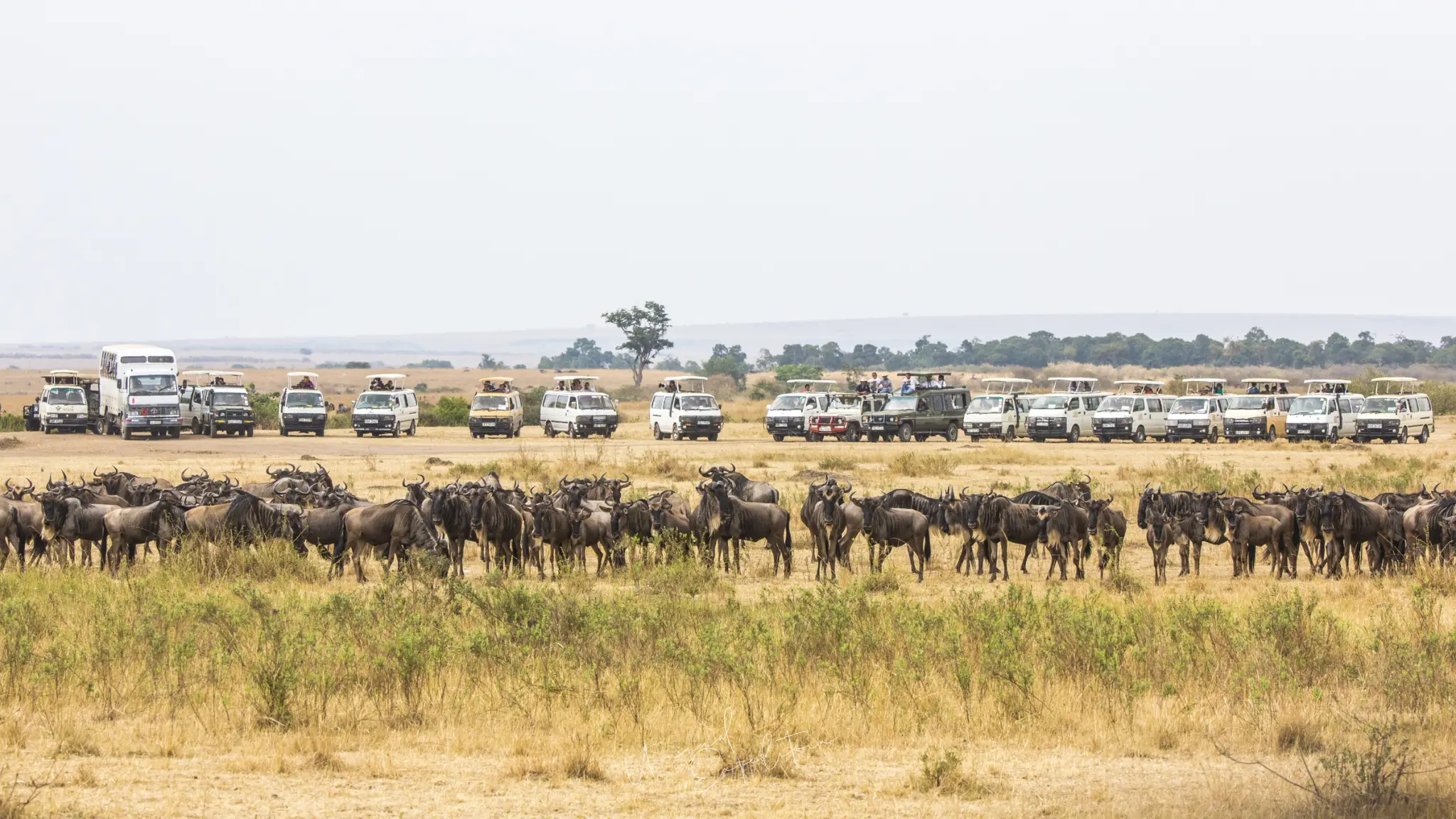
Is Masai Mara worth it? For a photographer, yes. Few places in the world put so much wildlife within reach of a vehicle, in such open country, with light and skies to match. The migration and the crossings are unique to this ecosystem, and the cats are there all year. The downside is popularity: in the migration months, crossing points and big-cat sightings can draw rows of vehicles, as you can see from the bank in our picture. The way around it is time, not avoidance: stay several days, start early, wait when others leave, and consider the quieter months or a conservancy for some nights. Our best time to visit Masai Mara guide compares the seasons.
| Question | Short answer |
|---|---|
| Fly or drive from Nairobi? | Fly for comfort, drive to keep one vehicle and guide |
| Which side to stay? | Near the river for crossings; anywhere on the plains for cats |
| Mara Triangle or main reserve? | Triangle for strict rules and crossings; main reserve for its size |
| How long to stay? | Three full days at least, more in the migration |
| Are fees included? | Usually in an operator's quote; always ask |
For most photographers the answer to every row comes back to giving the Mara enough days.
Is Masai Mara worth visiting in December or January
Yes, with different expectations. December comes at the end of the short rains, and January is in the short dry season: the plains are green, the migration herds are far to the south in the Serengeti, and there are far fewer vehicles. Lions, cheetahs and leopards are all present, many antelope have young, and the light after rain is clean. It is a good choice for a second visit or for cat-focused photography. Read about the wildlife you can expect in Masai Mara animals.
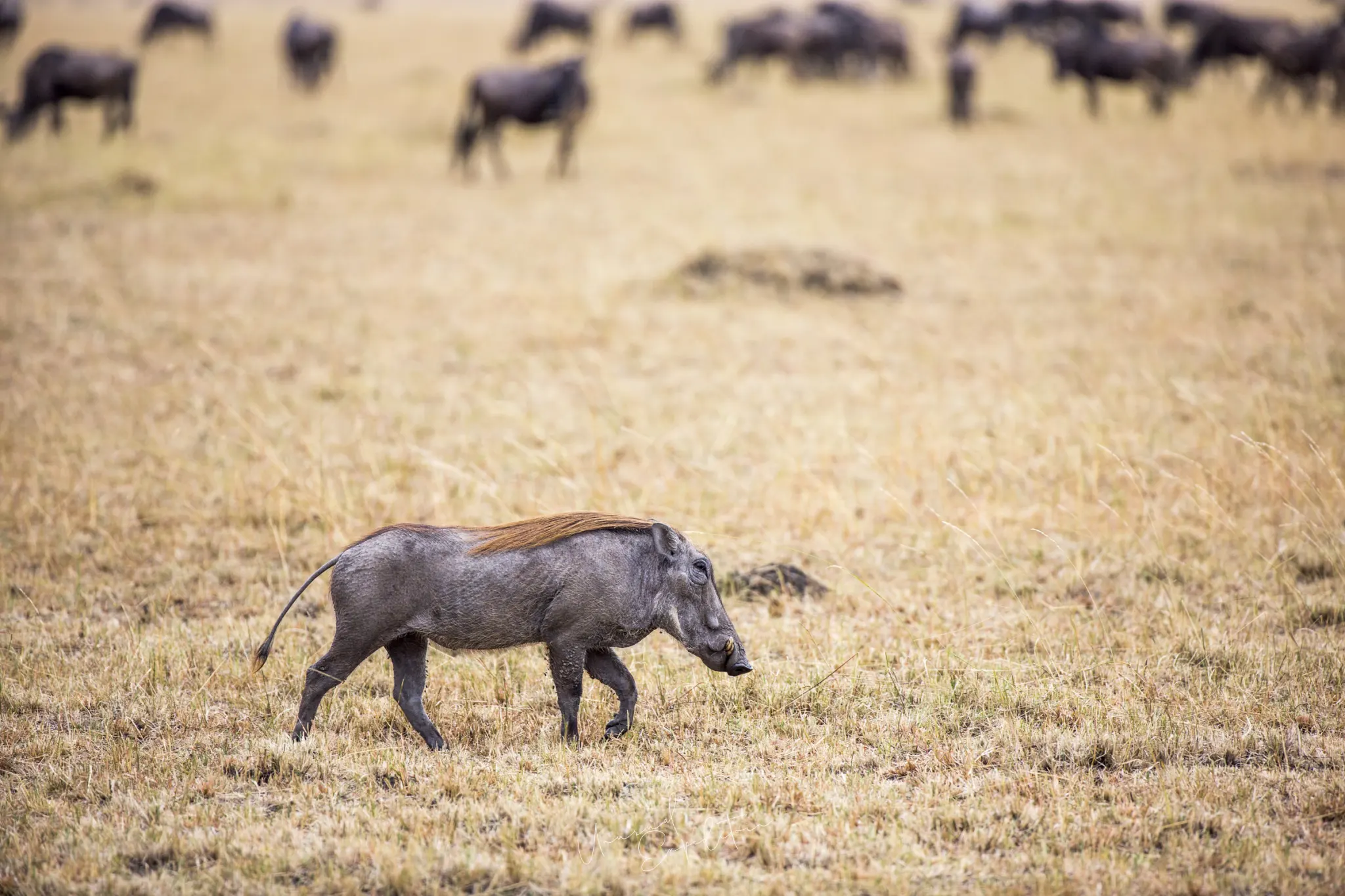
Getting around inside the reserve
Inside the Masai Mara you travel in a safari vehicle with a driver guide, on game drives from your camp. You may leave the vehicle only at designated points, and the rules on off-road driving differ between the Triangle, the main reserve and the conservancies. A vehicle with a pop-up roof or open sides, a bean bag and space to move between windows makes the biggest difference to your photographs; ask for it when you book.
Plan your Masai Mara trip with us
We run the Masai Mara as a private trip on request, for individuals, families, couples and photographers at their own pace. We arrange all the logistics, flights to the Mara or the road through Narok, around what you want to photograph, and without a tour leader travelling it can cost less than our group tours. A photographer or photography coaching can be added at extra cost. Ask at least two months ahead; last-minute can be arranged. See the Kenya photography tours page and our private tours.
Ask us about getting to the Masai Mara
Masai Mara photography tours
The next Masai Mara departure is announced on the Masai Mara photography tours page, with previous expeditions and all the planning guides.
Explore Masai Mara in depth
- Masai Mara Photography Tour: The Complete Guide to Photographing the MaraKenya
- Masai Mara Wildlife Photography: Techniques for the Plains and the RiverKenya
- Masai Mara National Reserve: What It Is, Where It Is and What It Looks LikeKenya
- Birds of Masai Mara: Photos and Names of the Birds You Will SeeKenya
- Masai Mara Animals: Big Cats, Elephants, Hippos and BirdsKenya
- Maasai Village Visit: Photographing the Maasai with RespectKenya
- Masai Mara Hot Air Balloon Safari: Photographing the Sunrise FlightKenya
- Mara River Crossing: How to Photograph the Wildebeest at the RiverKenya
- Best Time to Visit Masai Mara for the Great MigrationKenya
- Masai Mara Photos: What the Reserve Really Looks LikeKenya
Upcoming Photo Tours
- Egypt Photo Tour – EgyptEgypt 12 Dec 2026 To 20 Dec 2026
- Inner Mongolia Winter Owl Photo Tour – ChinaChina 01 Jan 2027 To 04 Jan 2027
- Inner Mongolia Winter Photo Tour – ChinaChina 05 Jan 2027 To 11 Jan 2027
- Mekong And Central Highland Vietnam Photo Tour - VietnamVietnam 16 Jan 2027 To 24 Jan 2027