
Masai Mara Animals: Big Cats, Elephants, Hippos and Birds
Masai Mara animals: lions, leopards, cheetahs, elephants, hippos and birds, where to find them and how to photograph them.
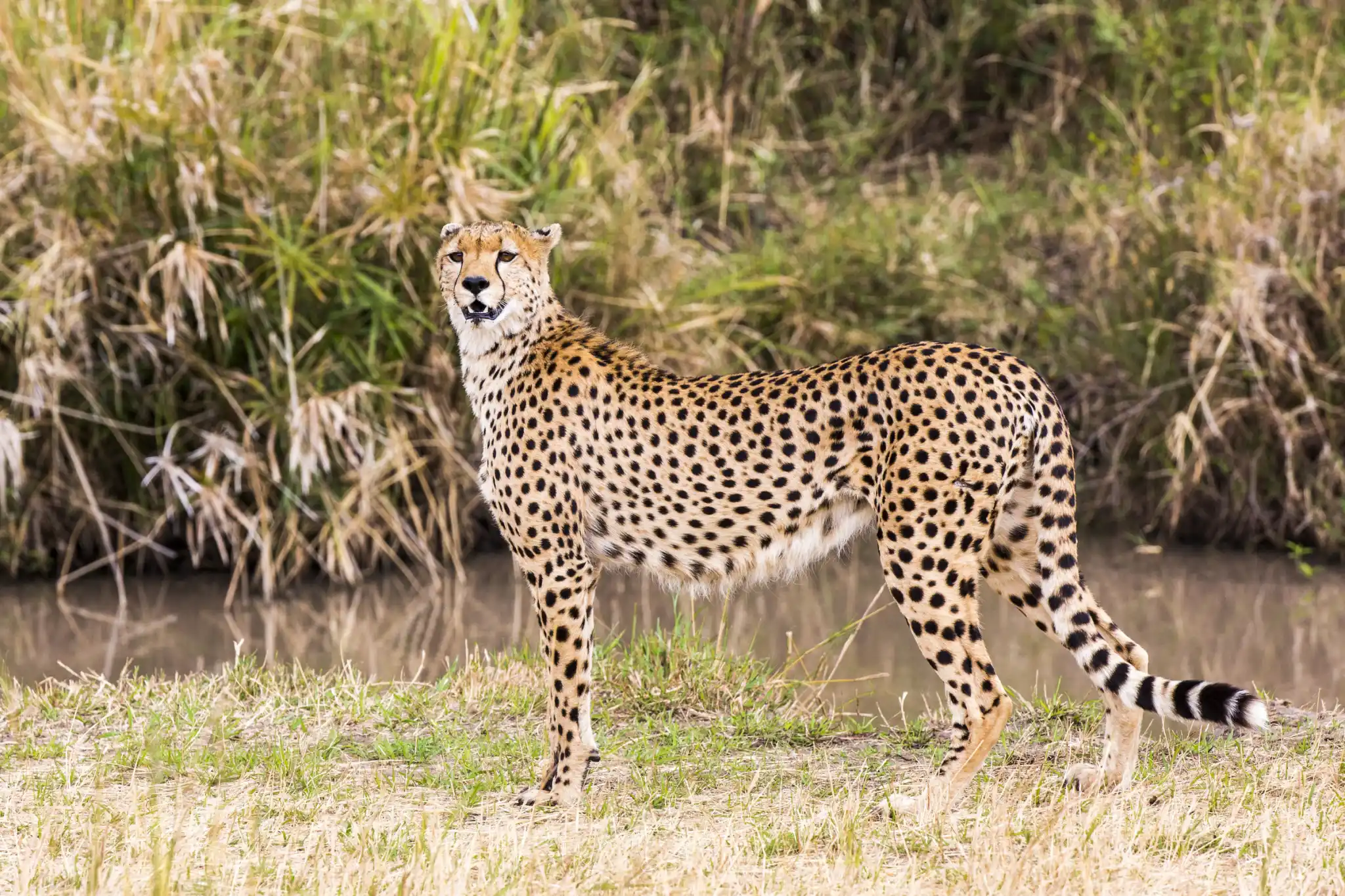
Masai Mara animals include all three big cats, lion, leopard and cheetah, along with elephant, buffalo, giraffe, hippo, crocodile, hyena, and herds of wildebeest, zebra, topi, impala and gazelle, plus hundreds of bird species. The cats live in the reserve all year, so the Mara is good for wildlife photography in any month, while the migration adds the great herds from about July to October. Black rhino is present but rarely seen. Here is what to expect and how to photograph each.
This animal guide belongs to our Masai Mara photography tour guide. For the herds and the river, see the Mara River crossing; this page is about everything else that lives on the plains.
Masai Mara animals: the big picture
The Masai Mara has one of the highest densities of large animals in Africa, because the grass is rich and the reserve is part of the wider Serengeti ecosystem. On a good day you will see more species than you can photograph well. Most animals are used to vehicles and carry on with their lives a short distance away, which is why the Mara is such a good school for wildlife photography. The trick is to choose: spend the morning with one subject in good light, not ten subjects in passing. Your guide will know which cats are where; tell them what you want to photograph and how you want the light, and let them position the vehicle.
Masai Mara big cats
The Masai Mara big cats are the reason many people come. Lions live in prides across the reserve, and the Mara is one of the best places in Africa to watch them, from cubs playing to males resting in the shade. Cheetahs prefer the open plains and hunt by day, which makes them the most photographable of the three; you may see a mother with cubs or a coalition of males scanning from a termite mound. Leopards are the hardest, solitary and secretive, usually found along rivers and in thickets. Lions spend much of the day asleep, so the first and last hours are when they move. For all three, the long lens matters: a 200-400mm or 100-400mm lets you fill the frame without crowding the animal.
Does Masai Mara have leopards
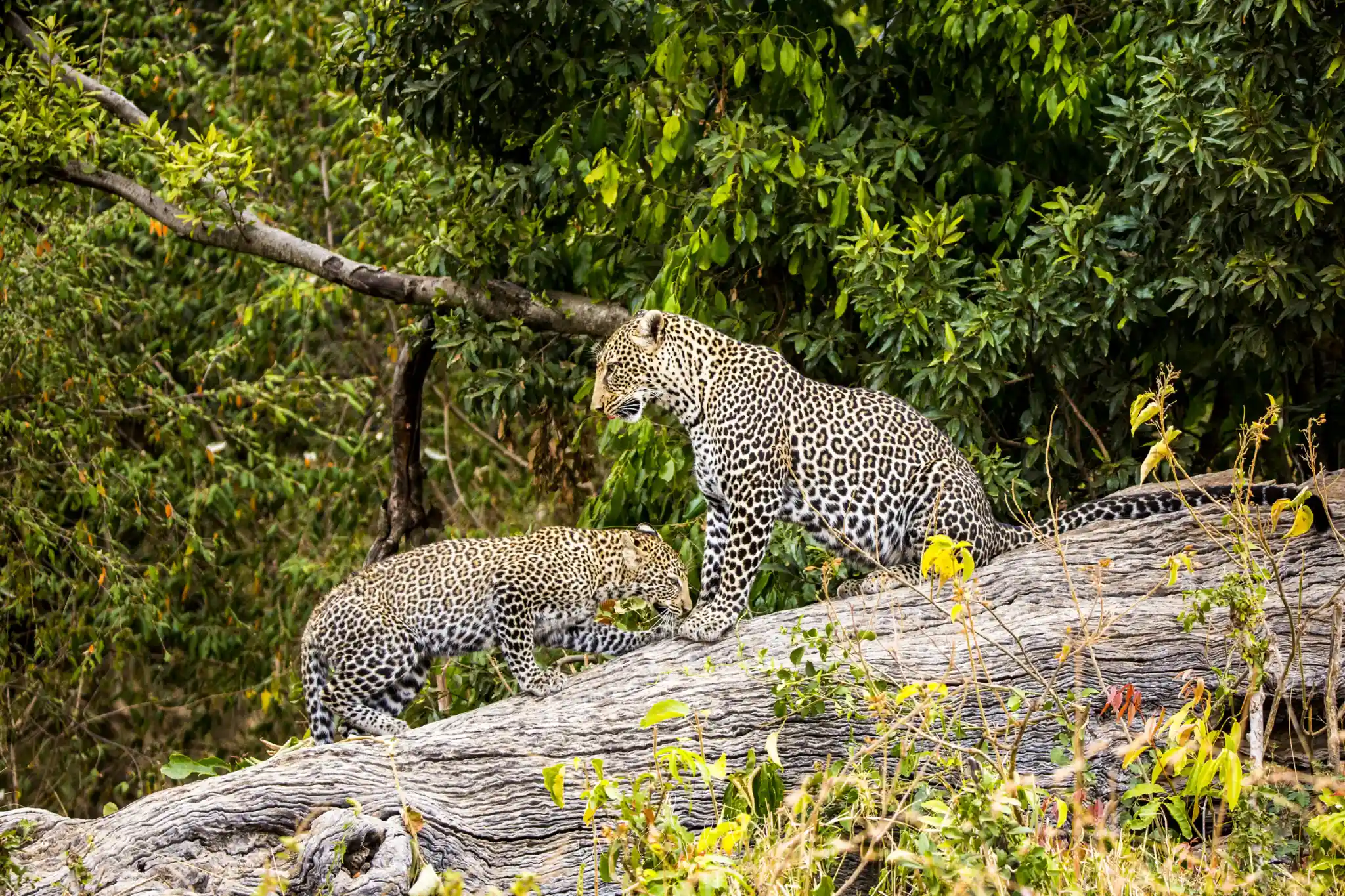
Yes, the Masai Mara does have leopards, and it is one of the better places in East Africa to see them, though nothing is guaranteed. Leopards in the Mara favour the riverine forest along the Mara and Talek rivers, rocky outcrops and the thickets in the gullies, where they rest in trees or on fallen logs during the day. Your guide will look for them where they were last seen and listen for news from other vehicles. A leopard on a log at the edge of a thicket, as we found a mother with her cub, is the picture everyone hopes for. When you find one, stay, keep quiet and wait: leopards often come down or move in the last light.
"In the Mara you do not chase the cats, you wait for them. We sat with a leopard and her cub until the cub climbed onto the log beside her, and that was the frame. A little earlier it did not exist."
Joseph Mak, tour leader, Unusual Expedition
Masai Mara animals to see beyond the cats
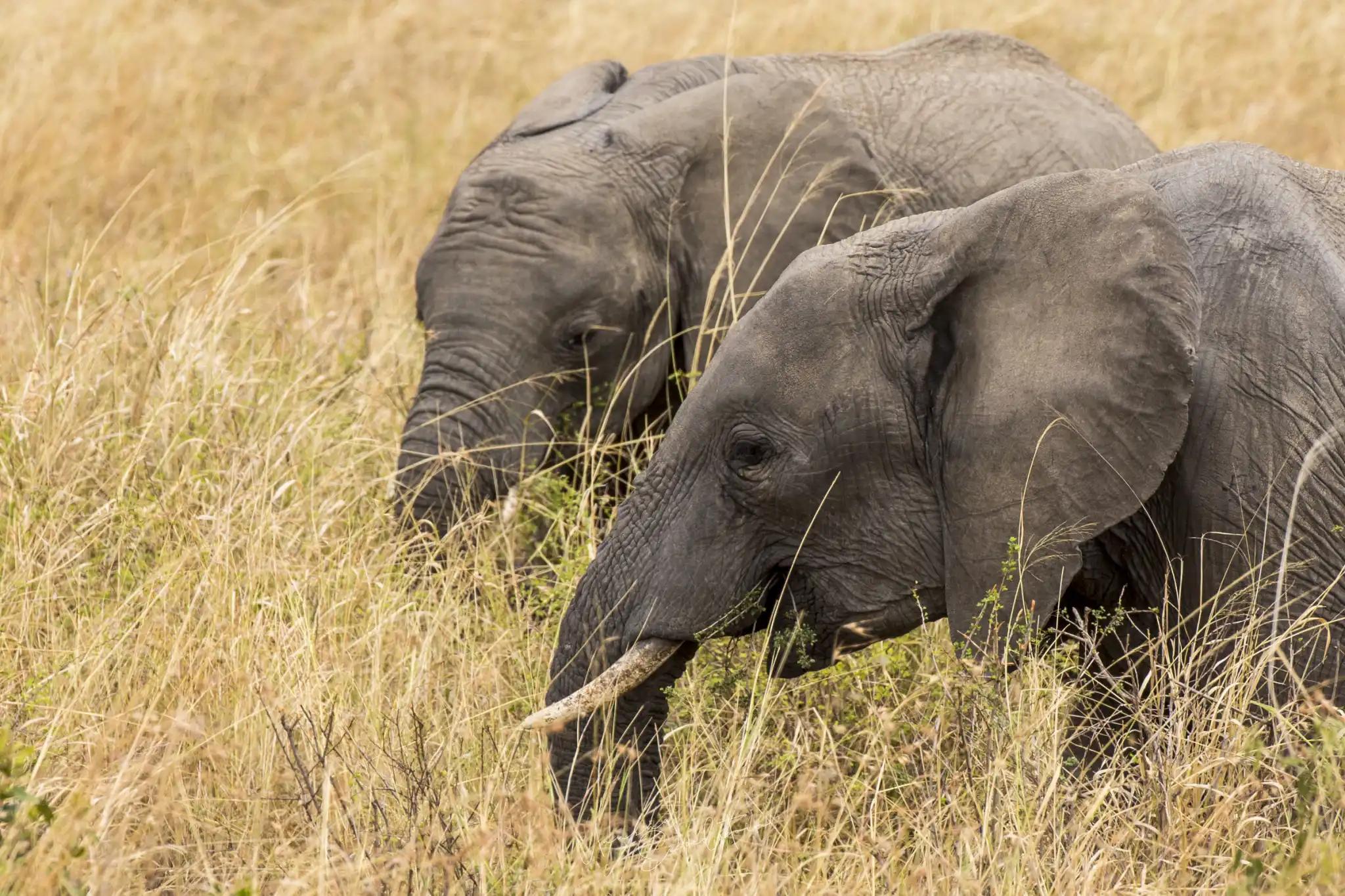
Among the Masai Mara animals to see beyond the cats, elephants are the most rewarding. Family groups move through the long grass and the woodland, and an elephant feeding with its trunk in the gold grass is a classic Mara frame with a 70-200mm. Maasai giraffes, the darker, jagged-patterned subspecies, are everywhere. Buffalo herds gather near water, and hyenas, jackals and warthogs are common. Hippos crowd the river pools and sometimes come out on the banks by day; Nile crocodiles lie on the sand nearby. Topi, impala, Thomson's gazelle, eland and hartebeest fill the plains with the wildebeest and zebra.
Masai Mara wildlife photography: the birds
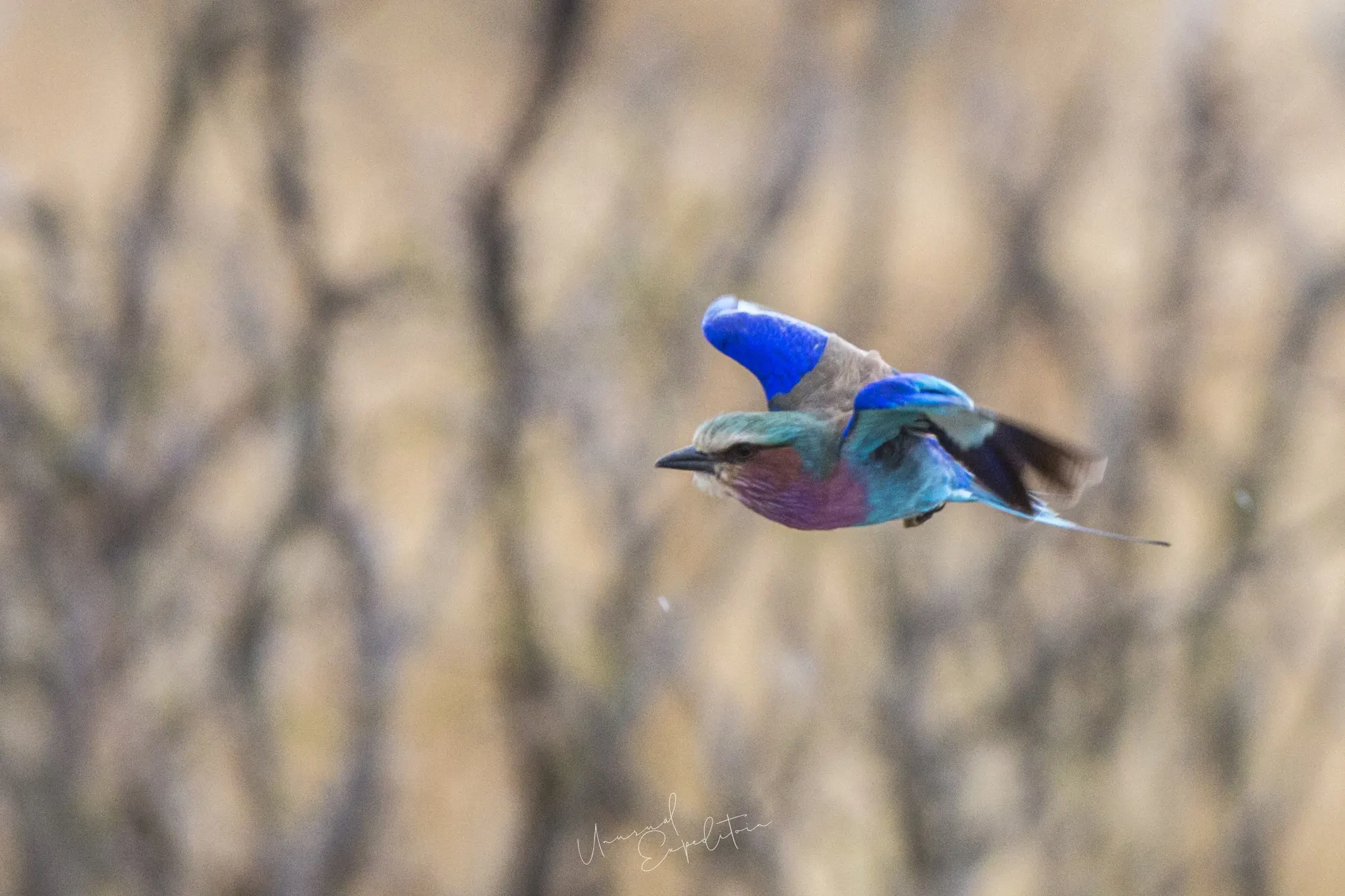
Masai Mara wildlife photography is not only mammals. The reserve has hundreds of bird species, and the lilac-breasted roller, with its turquoise, lilac and blue wings, is the bird most visitors want. It perches on bare branches and flies out to catch insects, so you can pre-focus on its perch and wait for the take-off. Secretary birds, ground hornbills, crowned cranes, bustards, vultures, eagles and the yellow-billed storks at the river are all good subjects. Bird photography needs the longest lens you have and a fast shutter speed, 1/2000 second or faster for flight.
| Animal | Where in the Mara | Best time of day | Lens |
|---|---|---|---|
| Lion | Across the plains, shade of bushes | First and last hours | 200-400mm |
| Leopard | River forest, thickets, logs and trees | Late afternoon | 200-400mm |
| Cheetah | Open plains, termite mounds | Morning | 200-400mm |
| Elephant | Woodland and long grass | Any, best low light | 70-200mm |
| Hippo and crocodile | Mara River pools and banks | Midday on the banks | 200-400mm |
| Birds | Everywhere, perches and grass | Morning | 200-400mm or longer |
Most of a Mara trip is spent behind the long lens, so it is worth bringing the best one you can.
Hippos and crocodiles of the Mara River
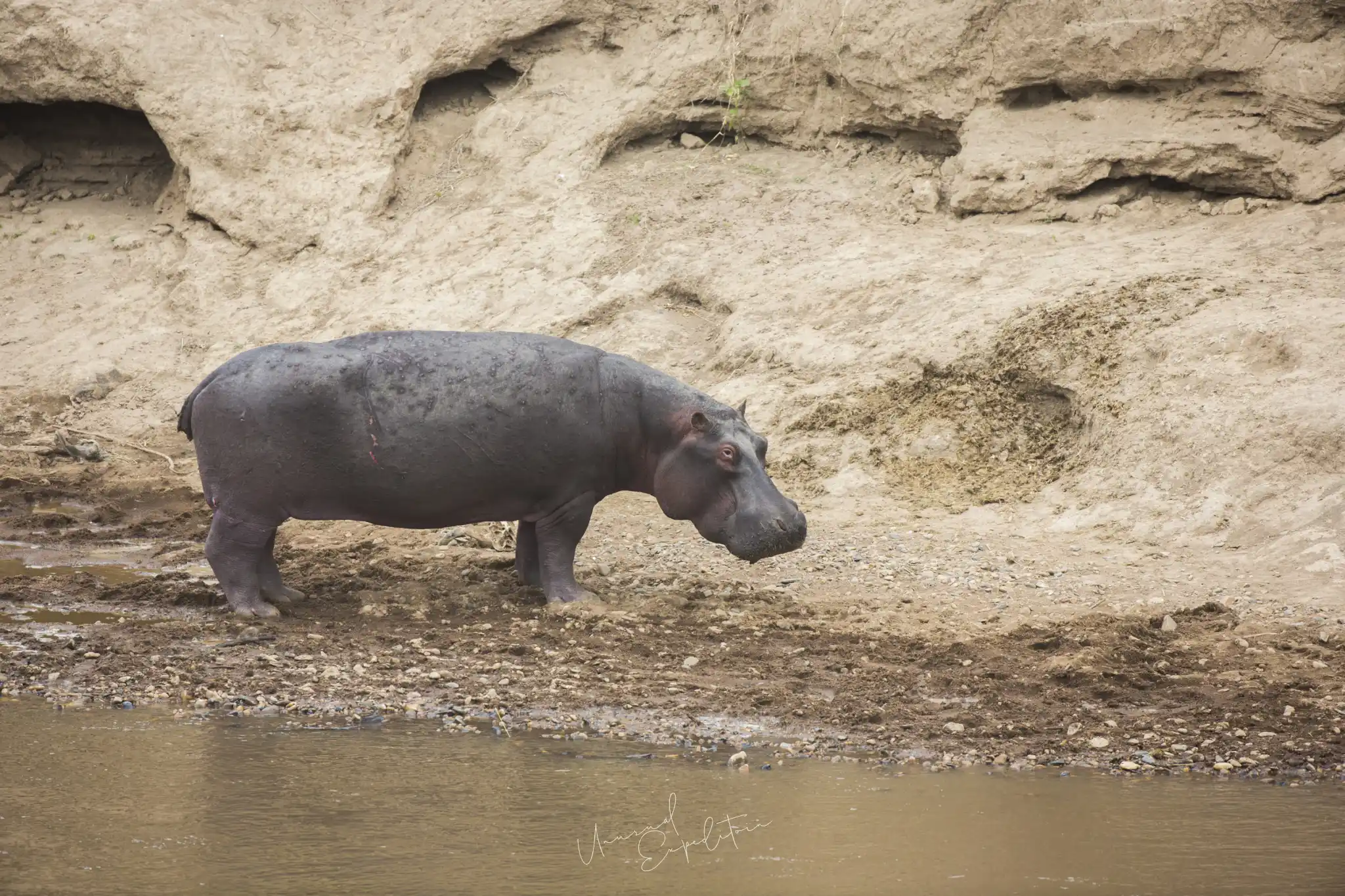
The Mara River holds large numbers of hippos, which spend the day in the water in tight groups and leave it at night to graze. On cool or cloudy days they sometimes come out on the sandbanks in daylight, which is the time to photograph them whole. Crocodiles bask on the same banks. Both are part of the crossing story; see our Mara River crossing guide for that drama.
Masai Mara lions: young lions and prides
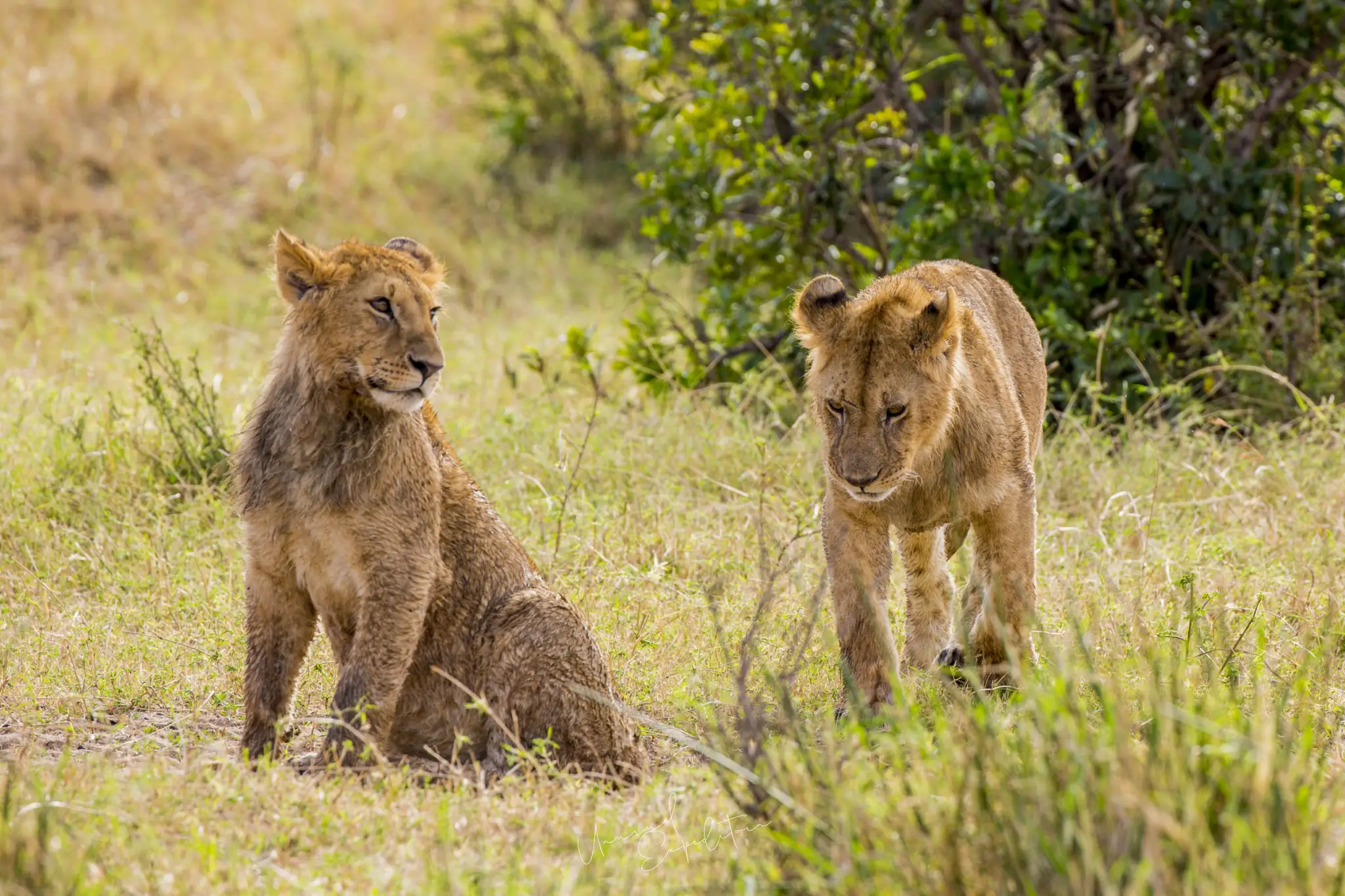
Lions in the Masai Mara are often found resting in groups, and young lions are the best subjects of all: they play, stalk each other and look straight at the camera. A pair of young males sitting up in green grass is worth waiting for in the early morning before they lie down for the day. Get low in the vehicle to shoot at eye level. Never call or make noise to get a lion to look at you; wait for the moment. For the light and the landscape around them, see our Masai Mara photos.
Photograph Masai Mara animals with us
We run the Masai Mara as a private trip on request, so you decide how long to stay with each animal. We arrange all logistics to your needs, and a photographer or photography coaching can be added at extra cost. Ask at least two months ahead; last-minute can be arranged. See the Kenya photography tours page and our private tours.
Ask us about wildlife photography in the Masai Mara
Masai Mara photography tours
The next Masai Mara departure is announced on the Masai Mara photography tours page, with previous expeditions and all the planning guides.
Explore Masai Mara in depth
- Masai Mara Photography Tour: The Complete Guide to Photographing the MaraKenya
- Masai Mara Wildlife Photography: Techniques for the Plains and the RiverKenya
- Masai Mara National Reserve: What It Is, Where It Is and What It Looks LikeKenya
- Birds of Masai Mara: Photos and Names of the Birds You Will SeeKenya
- How to Get to Masai Mara, and Is It Worth ItKenya
- Maasai Village Visit: Photographing the Maasai with RespectKenya
- Masai Mara Hot Air Balloon Safari: Photographing the Sunrise FlightKenya
- Mara River Crossing: How to Photograph the Wildebeest at the RiverKenya
- Best Time to Visit Masai Mara for the Great MigrationKenya
- Masai Mara Photos: What the Reserve Really Looks LikeKenya
Upcoming Photo Tours
- Egypt Photo Tour – EgyptEgypt 12 Dec 2026 To 20 Dec 2026
- Inner Mongolia Winter Owl Photo Tour – ChinaChina 01 Jan 2027 To 04 Jan 2027
- Inner Mongolia Winter Photo Tour – ChinaChina 05 Jan 2027 To 11 Jan 2027
- Mekong And Central Highland Vietnam Photo Tour - VietnamVietnam 16 Jan 2027 To 24 Jan 2027