
Masai Mara Photography Tour: The Complete Guide to Photographing the Mara
Masai Mara photography tour guide: the reserve and the Mara Triangle, migration, big cats, balloon, Maasai, light and lenses.
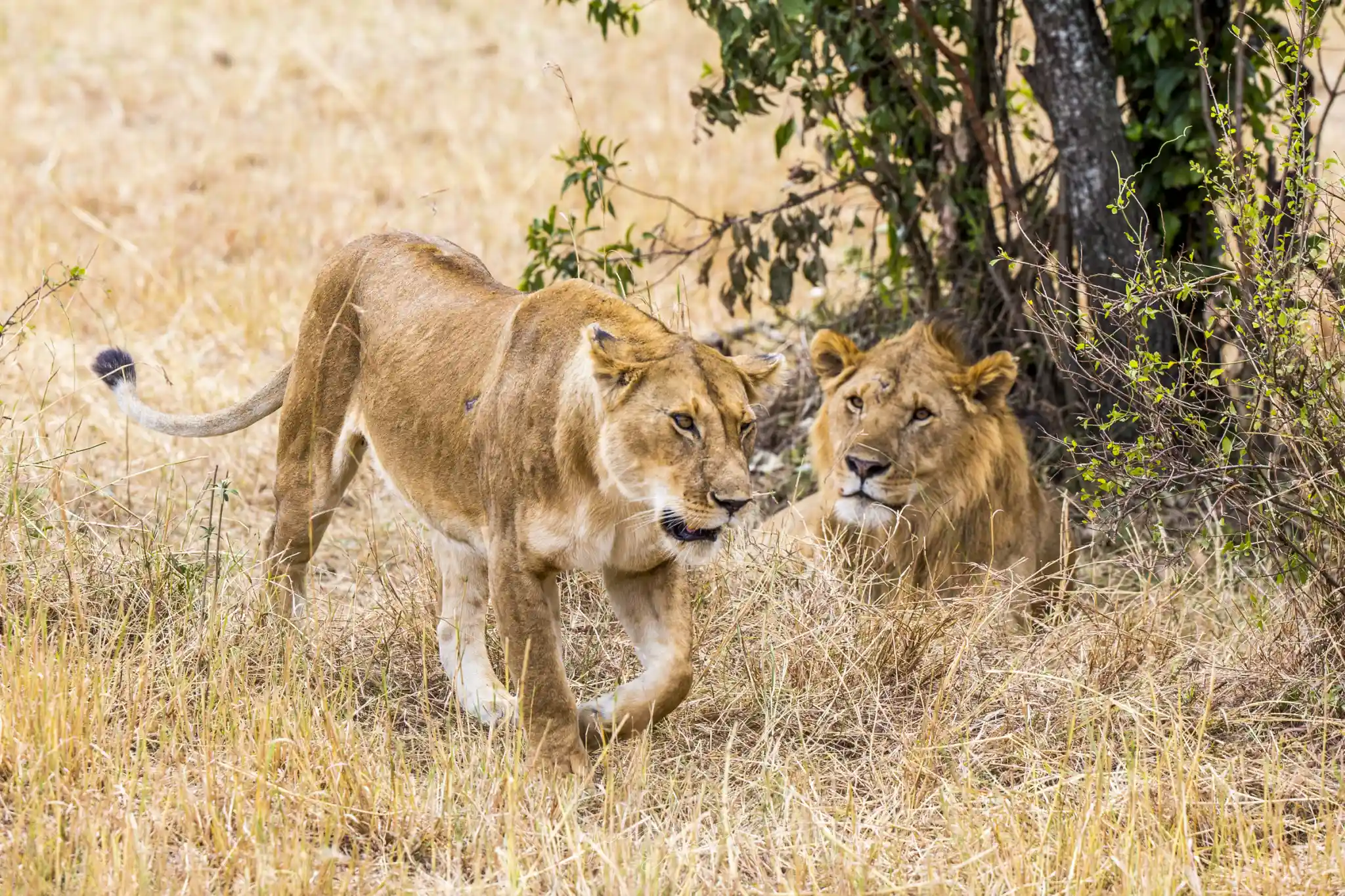
A Masai Mara photography tour is the classic African safari for photographers: big cats in open grass, the wildebeest and zebra of the great migration, the Mara River crossings, a hot air balloon at sunrise and the Maasai who live around the reserve. Go from July to October for the migration or in January and February for green plains and fewer vehicles. Bring a 200-400mm or 100-400mm, a 70-200mm and a wide lens, and give the reserve several full days, because the best scenes come to those who wait.
The Masai Mara is the main area of our Kenya photography tour guide, which covers the country, entry from Singapore and the Rift Valley lakes. The photographs in this guide are our own, taken on our trips to the Mara; we hold the rights to them, and the notes come from knowing the reserve first hand.
Masai Mara photography tour: what makes the reserve special
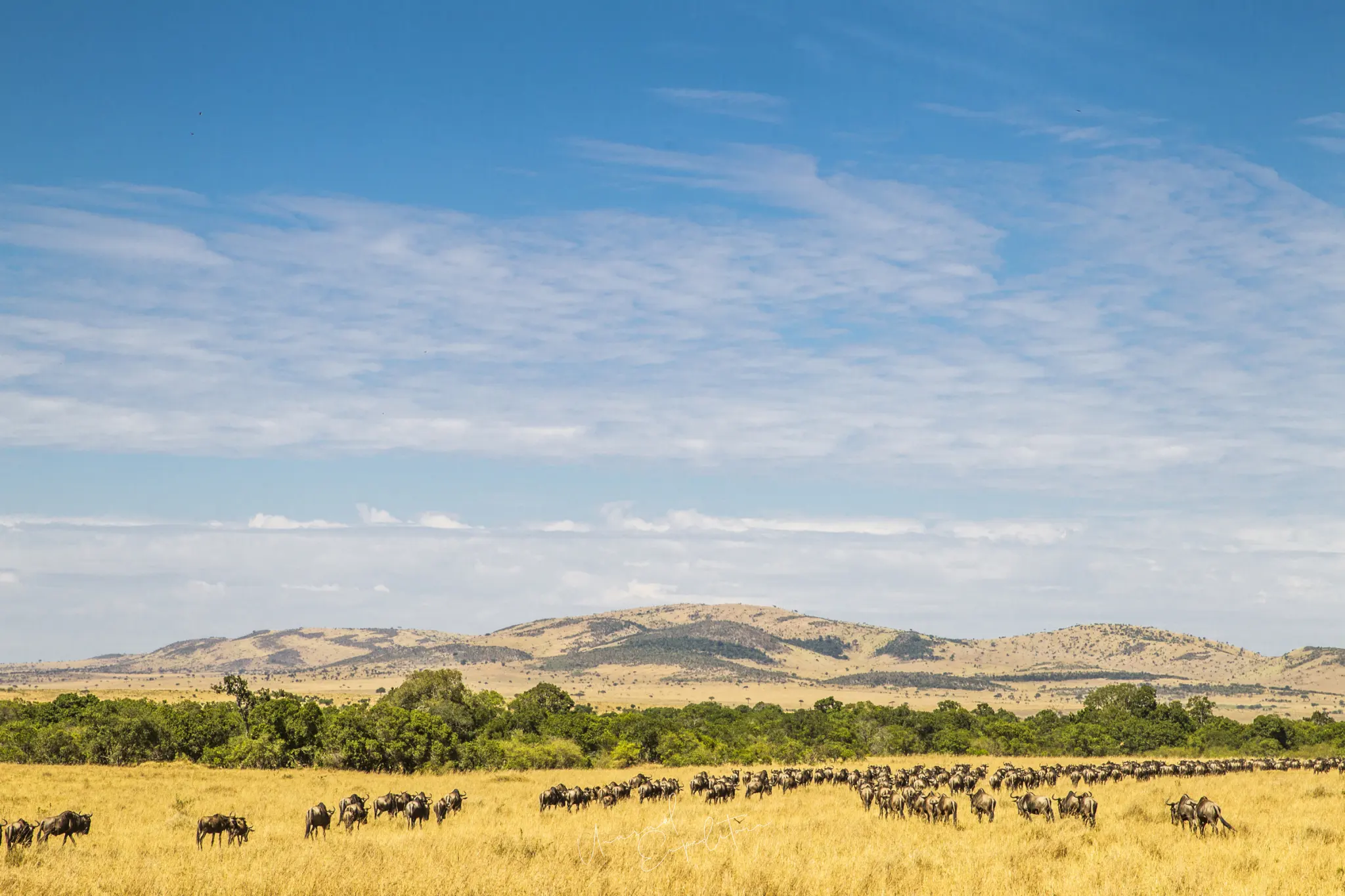
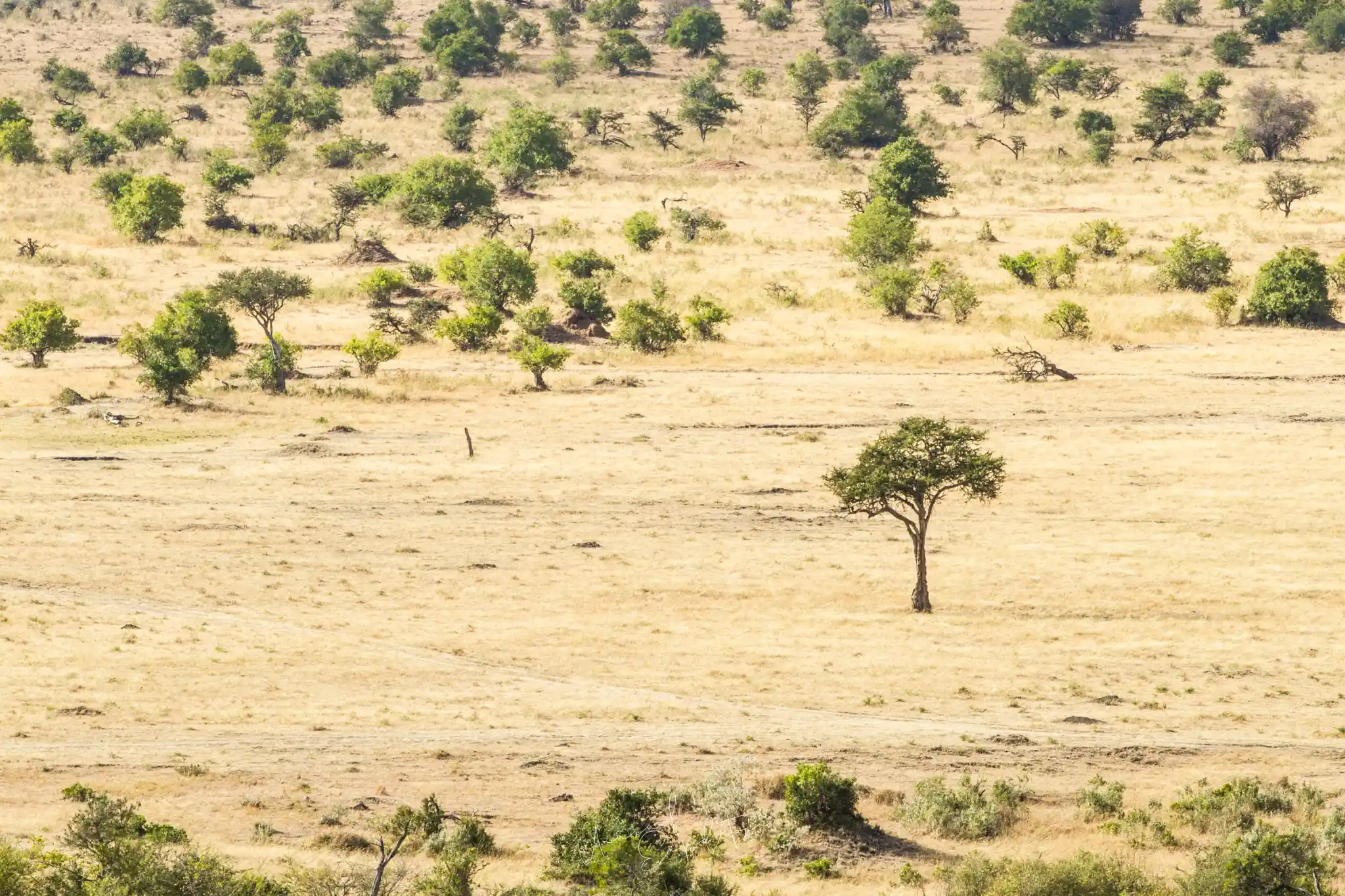
The Maasai Mara National Reserve covers about 1,510 square kilometres of rolling grassland in Narok County, in south-west Kenya, where it runs into Tanzania's Serengeti. It is a smaller area than the Serengeti, with open plains, scattered acacias, riverine forest along the Mara and Talek rivers, and the Oloololo escarpment on its western edge. What makes it so good for photography is density. Lions, cheetahs and leopards live in the reserve all year, the herds arrive in the dry season, and the short grass leaves little between you and the animals. The sky is the other subject: huge cumulus in the dry months and storm walls in the rains. A Masai Mara photography tour can give you a leopard in the morning, a river crossing at midday and a lone tree against a storm in the evening.
Masai Mara photography safari: the reserve and the Mara Triangle
The reserve has two halves. About two thirds, east of the Mara River, is managed by Narok County. The western third, about 510 square kilometres, is the Mara Triangle, run since 2001 by the Mara Conservancy, a non-profit, under an agreement with the county. Our Masai Mara trip came in through the Mara Triangle gate. The Triangle is known for well-kept roads, strict rules on driving and fewer vehicles at sightings, and several of the most photographed crossing points are on its stretch of the river. Around the reserve, private conservancies on Maasai land, such as Mara North, Olare Motorogi and Naboisho, limit vehicle numbers and allow some things the reserve does not. Each area has its own fees and rules, so where you stay decides where you drive.
Masai Mara photo safari: the main subjects
A Masai Mara photo safari has four big subjects, and each has its own destination guide:
- The migration and the herds. From about July to October, wildebeest and zebra in their hundreds of thousands. See the best time to visit Masai Mara.
- The river crossings. Herds plunging into the Mara River past crocodiles and hippos, covered in our Mara River crossing guide.
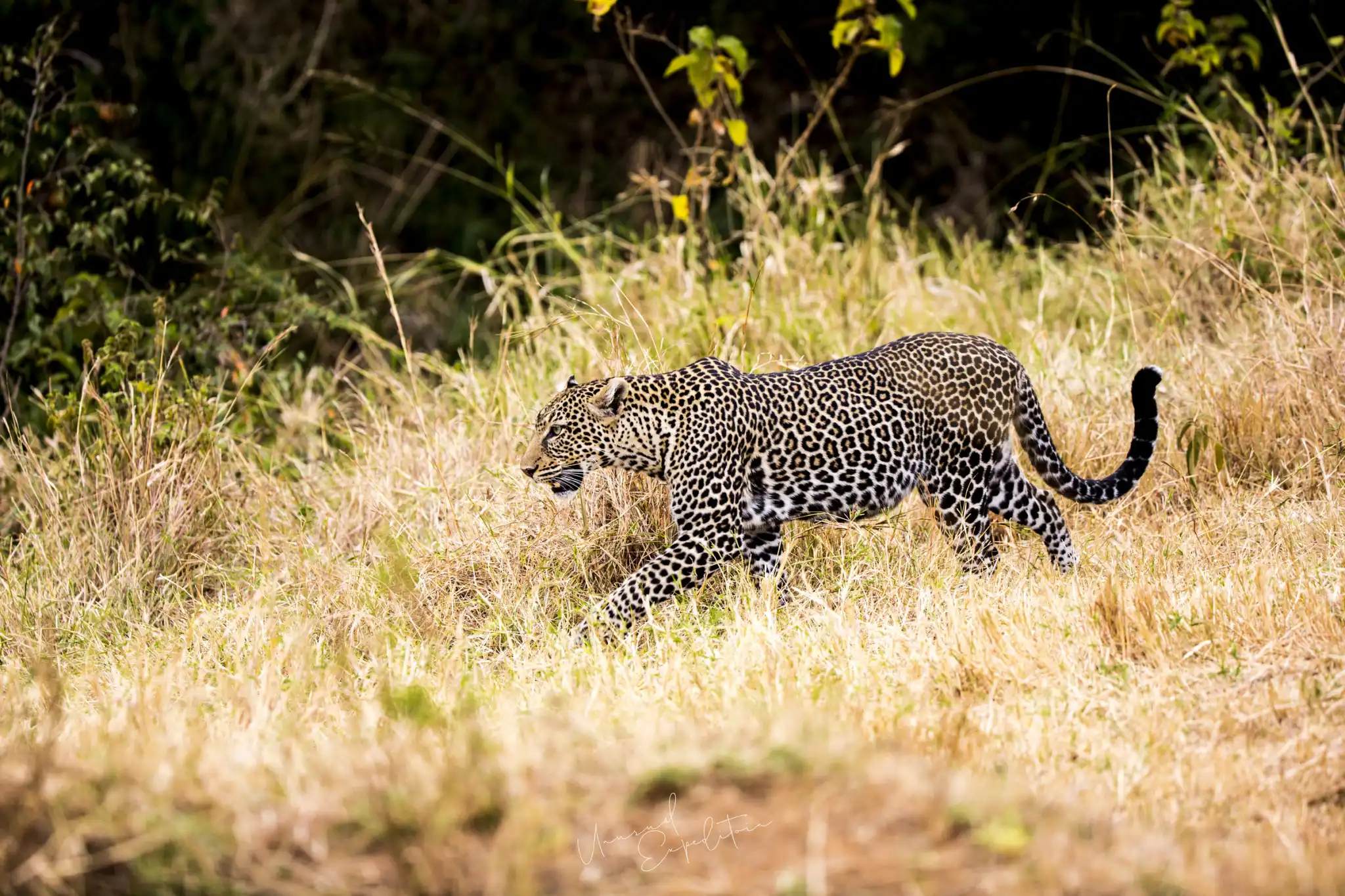
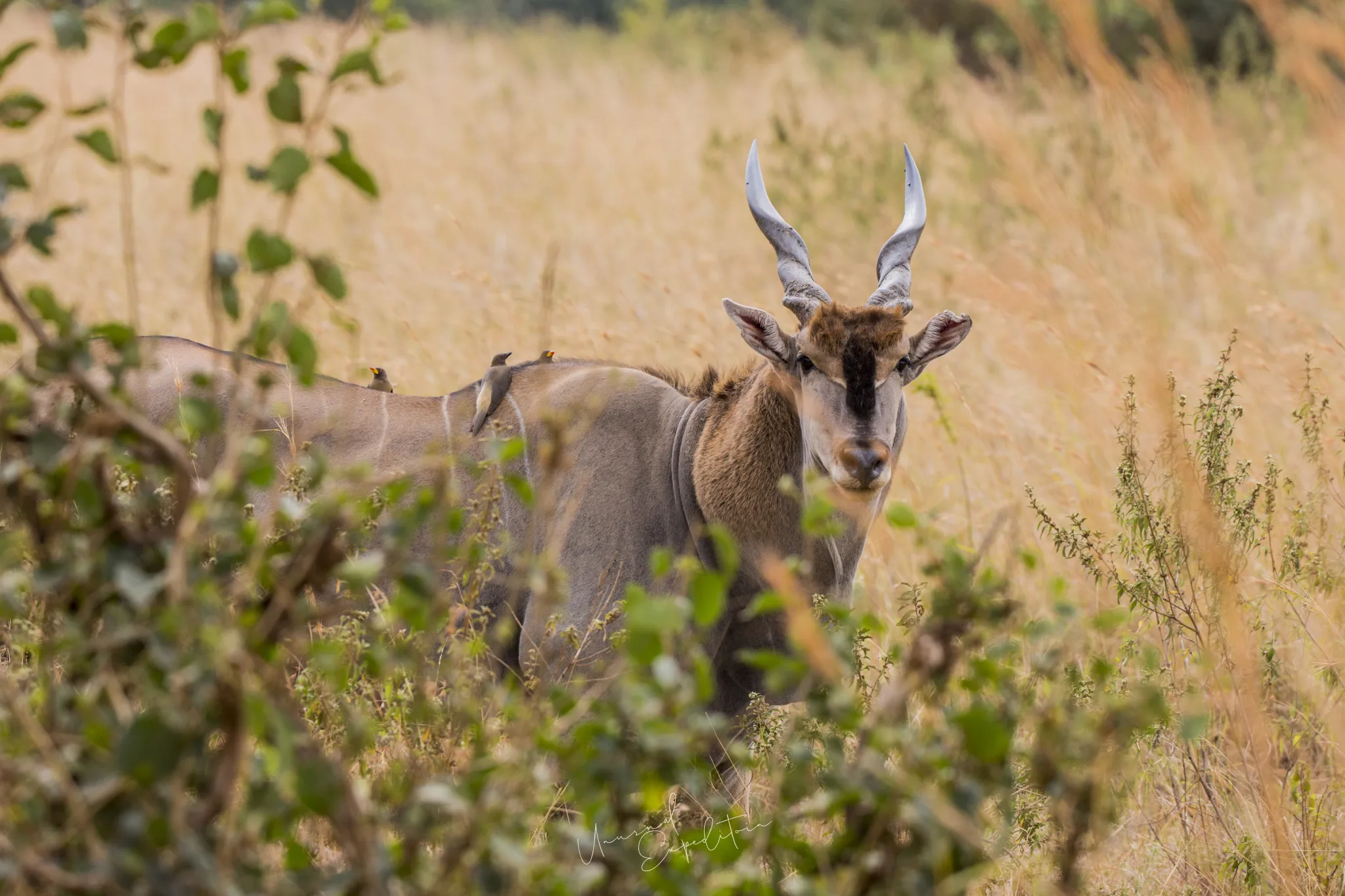
- The cats and the rest. Lions, leopards, cheetahs, elephants, giraffes and birds, in Masai Mara animals.
- The people. The Maasai villages around the reserve, in our Maasai village visit guide.
Add the dawn balloon flight, which we cover in the Masai Mara hot air balloon safari, and you have the full set.
Masai Mara photography tips from the vehicle
Almost all photography in the Masai Mara happens from a safari vehicle, usually a Land Cruiser with a pop-up roof or open sides. Rules in the reserve and the Mara Triangle keep you in the vehicle except at designated points, so set up for it. A bean bag on the window frame or roof steadies a long lens better than a monopod. Ask the driver to switch the engine off before you shoot, because the vibration shows at long focal lengths. Shoot low, through the window, for eye-level pictures of cats on the ground. Keep one body with the long lens and one with a 70-200mm or 24-70mm, so you do not change lenses in the dust. Most of all, give your guide clear direction: tell them you want the light behind you and the animal moving toward you, and be ready to wait.
"The Mara teaches patience. The first day everyone wants to drive to every sighting. By the third day they understand that the best picture comes from parking in the right place and waiting for the animal to walk into the light."
Joseph Mak, tour leader, Unusual Expedition
Light in the Masai Mara
The Masai Mara is close to the equator, so the sun rises and sets quickly and at much the same time all year. The good light is short: the first hour after sunrise and the last before sunset. Gates open at dawn, and the best drives leave as early as the rules allow. In the middle of the day the light is hard and overhead, which suits black and white, big-sky landscapes and the river crossings, which happen when they happen. The dry season adds haze and dust, which can be beautiful backlit. The Masai Mara photos guide shows how the plains look in different weather.
| Subject | Best season | Light | Lens |
|---|---|---|---|
| Migration herds | July to October | Morning, evening, or dust backlit | 70-200mm, 24-70mm |
| River crossings | July to September | Any time they happen | 200-400mm, 70-200mm |
| Lions, leopards, cheetahs | All year | First and last hours | 200-400mm |
| Balloon and sunrise | All year, best in dry months | Dawn | 24-70mm, 70-200mm |
| Landscapes and storms | Rains and edges of the rains | Afternoon storms | 16-35mm, 24-70mm |
Cats are the one subject that does not depend on the season.
How long to stay and how to get there
Three full days in the Masai Mara is the minimum for photography; four or five lets you wait at the river and still have time for the cats. Most visitors fly from Wilson Airport in Nairobi to one of the airstrips inside or near the reserve, or drive from Nairobi through Narok. Fees are paid per person per day and are higher from July to December. The practical side, and whether the Mara is worth it, is in how to get to Masai Mara.
Explore the Masai Mara in depth
- Masai Mara photos: what the reserve really looks like
- Best time to visit Masai Mara for the great migration
- Mara River crossing photography
- Masai Mara hot air balloon safari at sunrise
- Masai Mara animals: big cats, elephants and birds
- Maasai village visit
- How to get to Masai Mara, and is it worth it
- Masai Mara National Reserve
- Masai Mara Wildlife Photography
- Birds of Masai Mara
- Kenya photography tour guide
Photograph the Masai Mara with us
We run the Masai Mara as a private trip on request, for individuals, families, couples and photographers at their own pace. We arrange all the logistics to your needs, and without a tour leader travelling the cost can be lower than our group tours; a photographer or photography coaching can be added at extra cost. Ask at least two months ahead, especially for the migration months, although last-minute can be arranged. See the Kenya photography tours page and our private tours.
Masai Mara photography tours
The next Masai Mara departure is announced on the Masai Mara photography tours page, with previous expeditions and all the planning guides.
Explore Masai Mara in depth
- Masai Mara Wildlife Photography: Techniques for the Plains and the RiverKenya
- Masai Mara National Reserve: What It Is, Where It Is and What It Looks LikeKenya
- Birds of Masai Mara: Photos and Names of the Birds You Will SeeKenya
- How to Get to Masai Mara, and Is It Worth ItKenya
- Masai Mara Animals: Big Cats, Elephants, Hippos and BirdsKenya
- Maasai Village Visit: Photographing the Maasai with RespectKenya
- Masai Mara Hot Air Balloon Safari: Photographing the Sunrise FlightKenya
- Mara River Crossing: How to Photograph the Wildebeest at the RiverKenya
- Best Time to Visit Masai Mara for the Great MigrationKenya
- Masai Mara Photos: What the Reserve Really Looks LikeKenya
Upcoming Photo Tours
- Egypt Photo Tour – EgyptEgypt 12 Dec 2026 To 20 Dec 2026
- Inner Mongolia Winter Owl Photo Tour – ChinaChina 01 Jan 2027 To 04 Jan 2027
- Inner Mongolia Winter Photo Tour – ChinaChina 05 Jan 2027 To 11 Jan 2027
- Mekong And Central Highland Vietnam Photo Tour - VietnamVietnam 16 Jan 2027 To 24 Jan 2027