
Serengeti Photography FAQ: Fees, Weather, Rules and Gear
Serengeti FAQ: park fees, weather, size, rules, drones, visas, camera gear, clothing and how many days to spend.
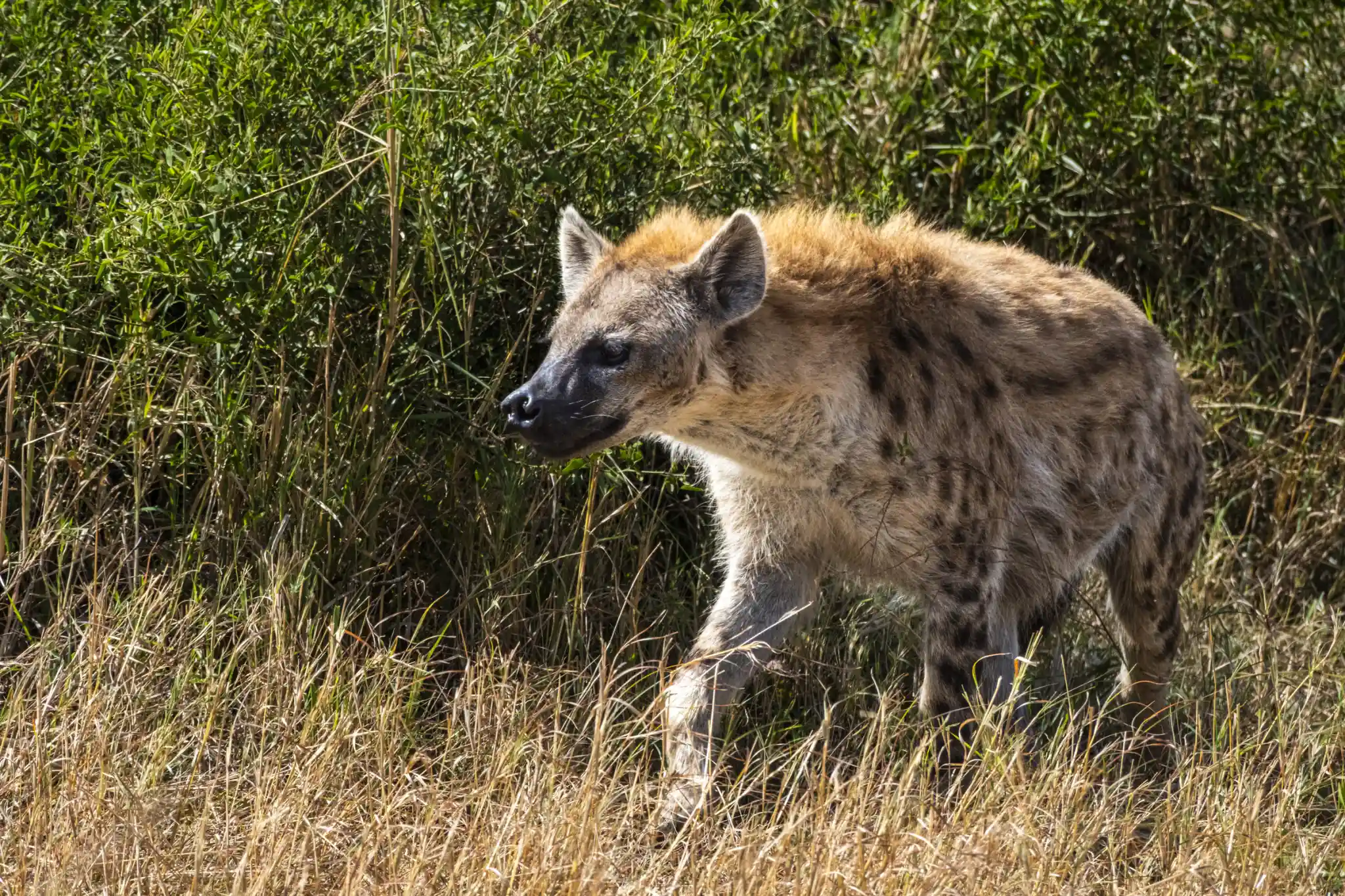
This Serengeti photography FAQ answers the questions we hear most before a trip: Serengeti fees, the weather in Serengeti National Park, the park's size and rules, camera gear, drones, clothing and how many days to spend. Fees are charged per person for every day in the park and are built into a tour price, the weather is mild with two rainy seasons, drones need permits that are rarely practical, and a long lens matters more than anything else in your bag.
For the bigger picture of the park and its regions, start with our Serengeti photography tour guide.
What are the Serengeti fees?
Serengeti fees are set by Tanzania National Parks (TANAPA) and charged per person for each 24 hours you spend inside Serengeti National Park, with a separate concession fee for each night you sleep in a camp or lodge inside the park. Vehicles and guides pay their own fees too. The rates change from time to time and differ for residents and foreign visitors, so check TANAPA's current tariff before you plan a trip yourself. On an organised tour the operator pays all of these and they sit inside the package price; ask any operator to confirm that park, concession and vehicle fees are included. We do not quote the fee amounts here because they change, and an out-of-date figure helps no one.
What is the Serengeti National Park weather like?
Serengeti National Park weather is mild for most of the year because the plains sit high above sea level. Days are warm to hot, and mornings in an open-roof vehicle can be cold, especially in the dry months, so bring a fleece and a windproof layer. The long rains usually come around March to May and a shorter wet spell towards the end of the year, as Live Science and other sources describe; rain tends to fall in heavy showers, not all day. The dry season, roughly June to October, brings dust, clear skies and golden grass. Our best time to visit the Serengeti guide sets out the year month by month.
What is the Serengeti National Park size?
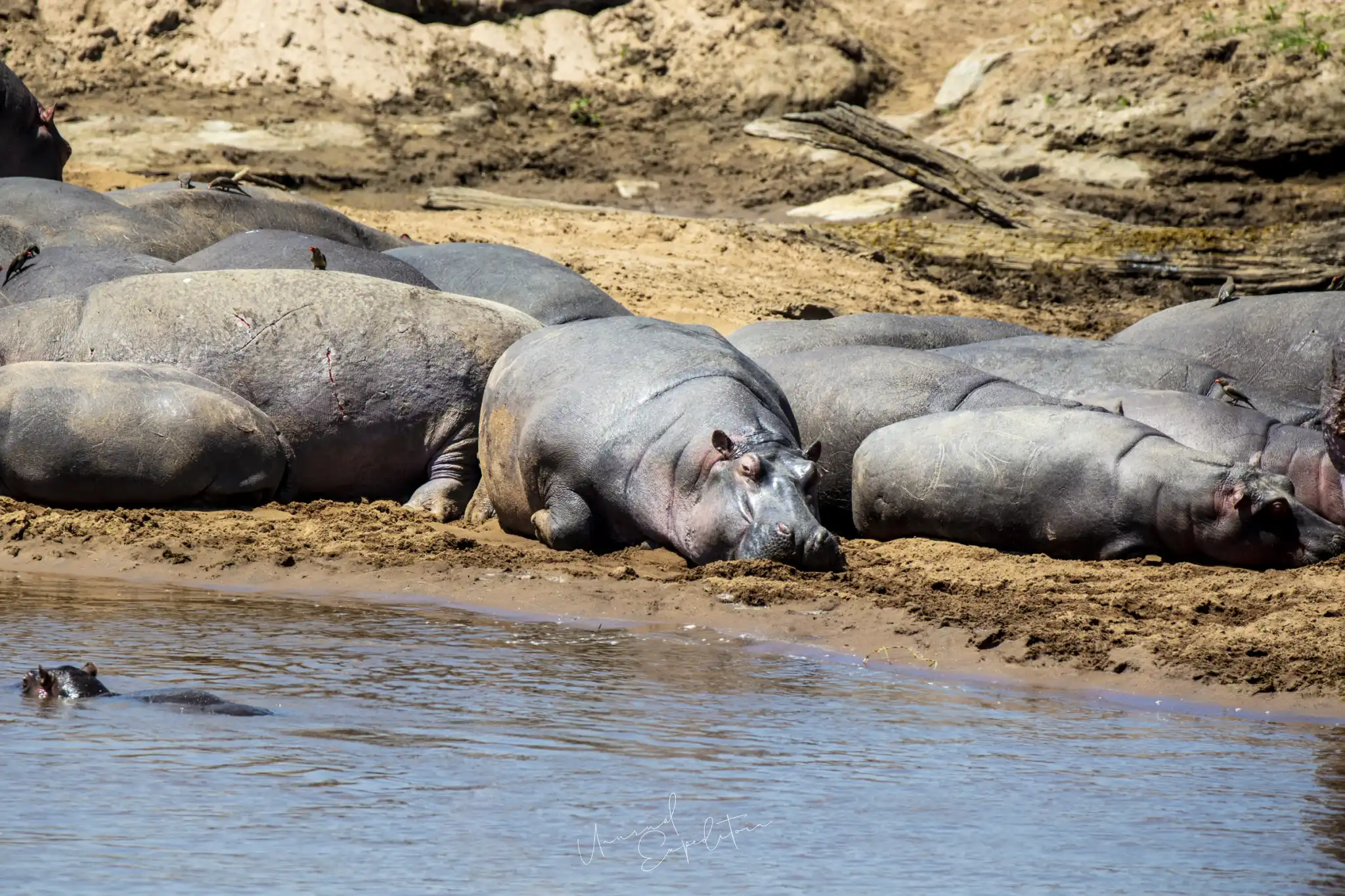
Serengeti National Park covers about 14,763 square kilometres, according to the park's UNESCO World Heritage record, which lists it as a World Heritage Site since 1981. It is only part of a larger ecosystem: the Ngorongoro Conservation Area borders it to the south-east, game reserves lie along its western side, and Kenya's Masai Mara continues it to the north. For a photographer the size means two things. Sightings can be very quiet away from the busiest areas, and you cannot see the whole park on one trip, so a good plan picks one or two regions for the season, as our Mara River crossing and central Serengeti days do.
What are the Serengeti rules?
The main Serengeti rules come from TANAPA and are enforced by rangers and guides. Stay inside the vehicle except at designated places such as picnic sites and camps. Keep to the tracks where off-road driving is not allowed. Do not feed, call to or disturb animals, and keep a respectful distance. Take all litter out with you; Tanzania has banned plastic carrier bags since 2019, so pack without them. Game driving after dark is restricted inside the park. Your guide will brief you on the current rules for each area, and following them keeps both the animals and your photography in good standing.
Can I fly a drone in the Serengeti?
In practice, no. The Tanzania Civil Aviation Authority (TCAA) requires approval for every drone flight in the country, and flying inside a national park needs separate permission from the park authority on top of import and operating permits. TANAPA announced a ban on drones in national parks for security reasons, and permits are aimed at professional film crews. Plan your Serengeti photography without a drone; a sunrise balloon flight, which we cover in the Serengeti sunrise and sunset guide, is the way to see the plains from above.
What camera gear should I bring?
| Item | Why |
|---|---|
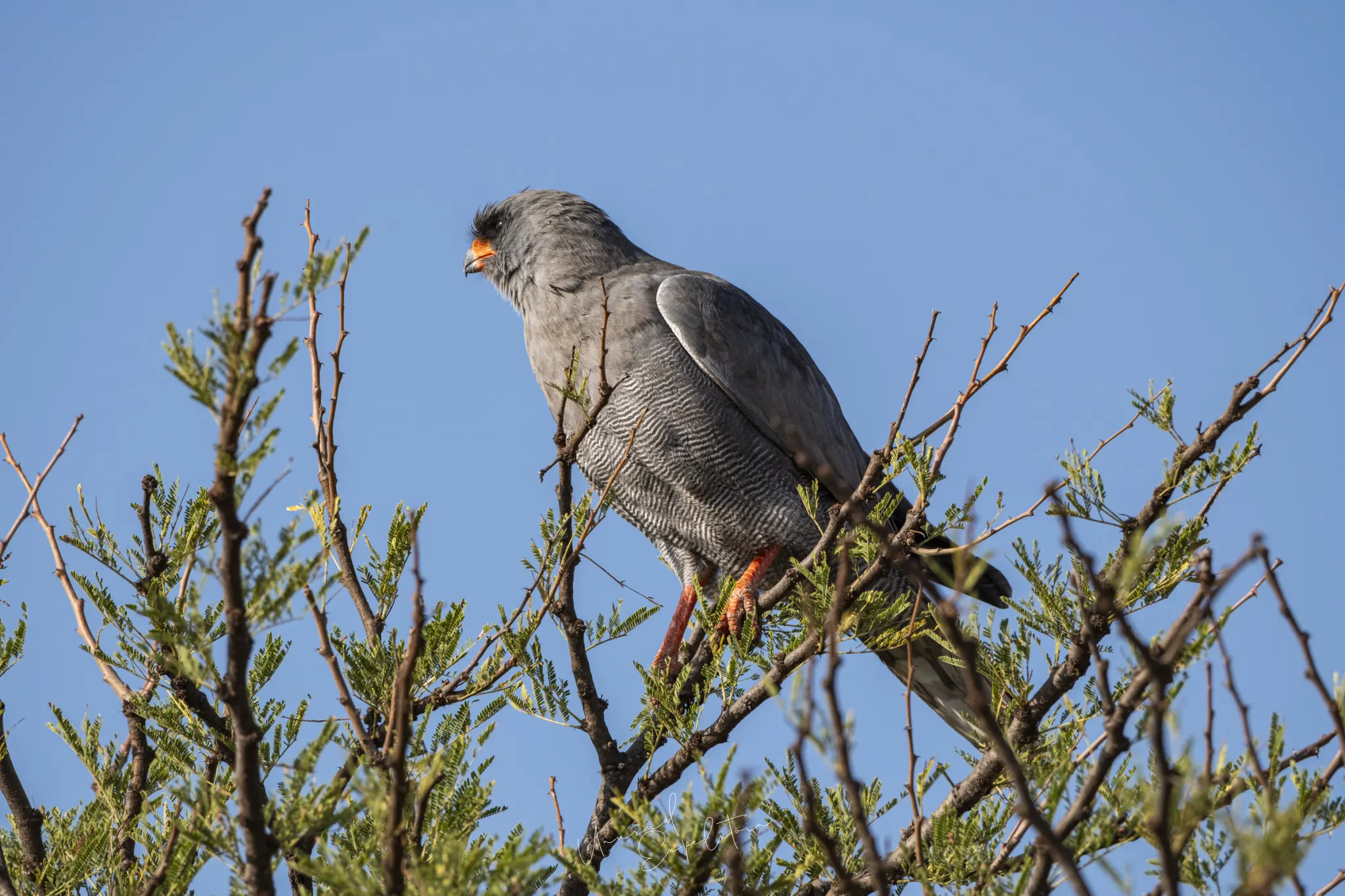
| 100-400mm or 200-400mm zoom | Leopards in trees, birds, cats at a distance, crossings |
| 70-200mm zoom | Lions near the vehicle, elephants, herds, panning |
| 24-70mm zoom | Landscapes, sunsets, the river scene, camp |
| Two camera bodies | No lens changes in dust when the action starts |
| Bean bag | Steady support on the window or roof |
| Spare batteries and cards, dust blower, rain cover | Dust and showers, long days |
A 1.4x teleconverter is a light way to add reach for birds; leave the tripod at home unless you plan night photography at camp.
Do I need a visa for Tanzania?
Singapore passport holders can currently visit Tanzania without a visa for short tourist stays, according to Singapore's Ministry of Foreign Affairs, with at least six months of passport validity required. Rules change, so check the MFA travel page and Tanzania's official immigration site before you book, and ask a travel doctor about yellow fever if your flights connect through a country with yellow fever risk. Entry, money and flights are covered once for the whole country in our Tanzania photography tour guide.
What should I wear on safari?
Wear neutral colours, khaki, olive and brown, which do not stand out to animals or show the dust. Avoid dark blue and black where tsetse flies are present, as they are attracted to those colours. Layers work best: a fleece and windproof jacket for cold mornings on the open roof, a light long-sleeved shirt for sun and insects at midday, a wide hat and sunglasses. Soft bags suit light aircraft and vehicles better than hard cases.
How many days do I need in the Serengeti?
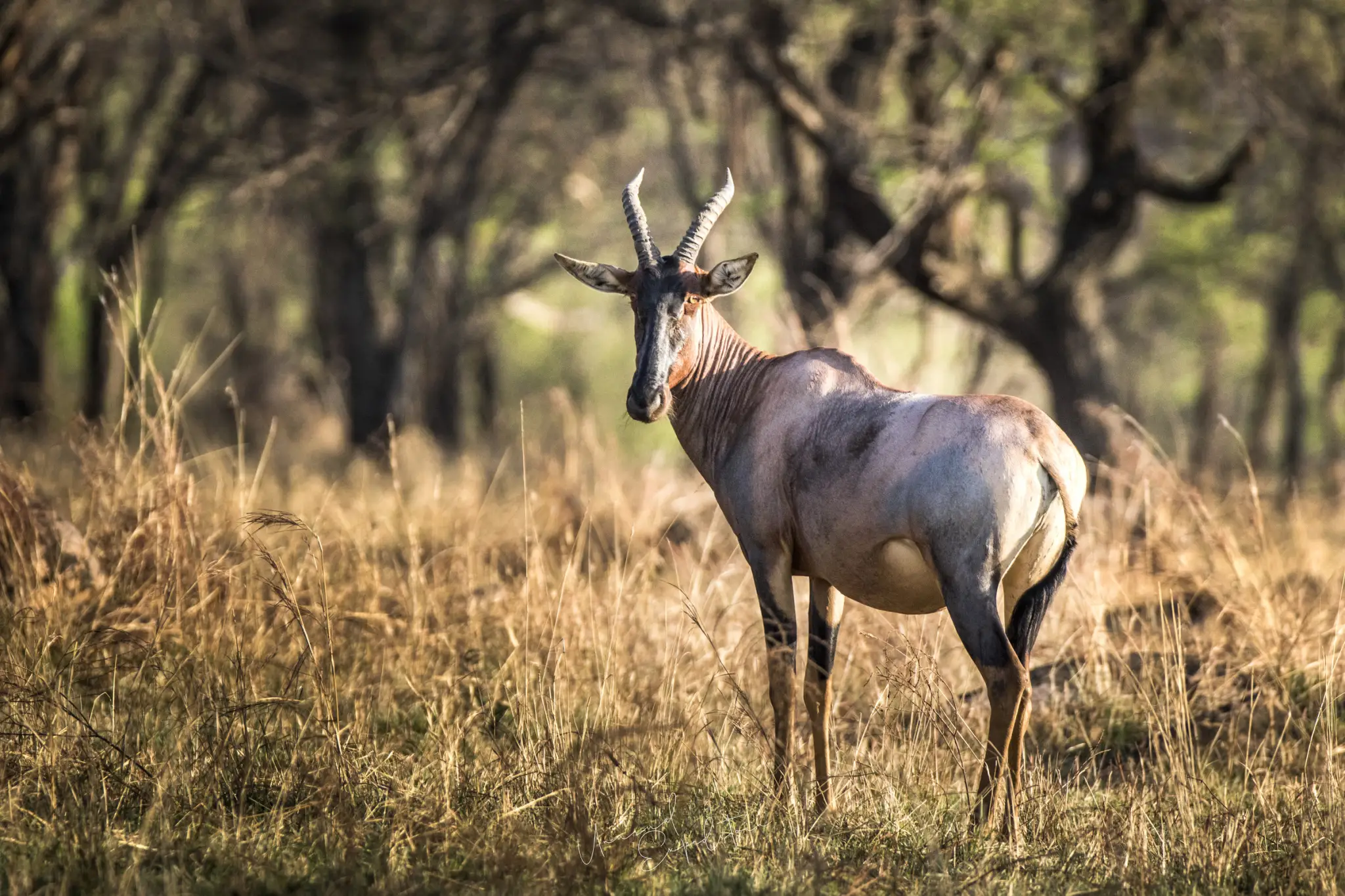
Give the Serengeti as much time as you can. For the Mara River crossings, plan several mornings at the river, because a herd can take days to cross. For the cats of the central Serengeti, several more days give each leopard tree and lion pride the time it needs. Shorter visits work for a first look, but most of our best frames came after several days in one area, once we knew where the animals were moving.
The questions before a trip are always about lenses. The question after the trip is always the same: why did we not stay longer at the river.
Joseph Mak, tour leader, Unusual Expedition
More questions? Travel with us
Our Serengeti Photo Tour 2027 handles the fees, flights and permits so you can concentrate on the animals. Dates and details are on the Tanzania photography tours page.
Ask us your Serengeti questions
Join the Serengeti photography tour
Serengeti Photo Tour – Tanzania 2027 departs 21 Aug 2027 To 01 Sep 2027. Small group, photography first. All Serengeti photography tours.
Explore Serengeti in depth
- Serengeti Photography Tour: The Complete GuideTanzania
- Serengeti National Park Big Five: Where to Find and Photograph Each OneTanzania
- Serengeti National Park Zebra: Photographing the Stripes of the MigrationTanzania
- Serengeti National Park Birds: Bateleurs, Vultures, Hornbills and How to Photograph ThemTanzania
- Serengeti Leopards: Finding and Photographing Them in Seronera and on the KopjesTanzania
- Is the Serengeti Worth Visiting? How to Get There and What to ExpectTanzania
- Serengeti Big Cats: Photographing Leopards, Lions and CheetahsTanzania
- Serengeti Sunrise and Sunset: Photographing the Golden HoursTanzania
- Mara River Crossing in the Serengeti: How to Photograph ItTanzania
- Best Time to Visit the Serengeti for Photography, Month by MonthTanzania
- Serengeti National Park Photos: What the Park Looks LikeTanzania
Upcoming Photo Tours
- Egypt Photo Tour – EgyptEgypt 12 Dec 2026 To 20 Dec 2026
- Inner Mongolia Winter Owl Photo Tour – ChinaChina 01 Jan 2027 To 04 Jan 2027
- Inner Mongolia Winter Photo Tour – ChinaChina 05 Jan 2027 To 11 Jan 2027
- Mekong And Central Highland Vietnam Photo Tour - VietnamVietnam 16 Jan 2027 To 24 Jan 2027