
Serengeti National Park Places to Visit: Where to Stand for the Best Photos
Serengeti National Park places to visit with a camera: Seronera, the kopjes, Kogatende, hippo pools, the plains, the Grumeti.
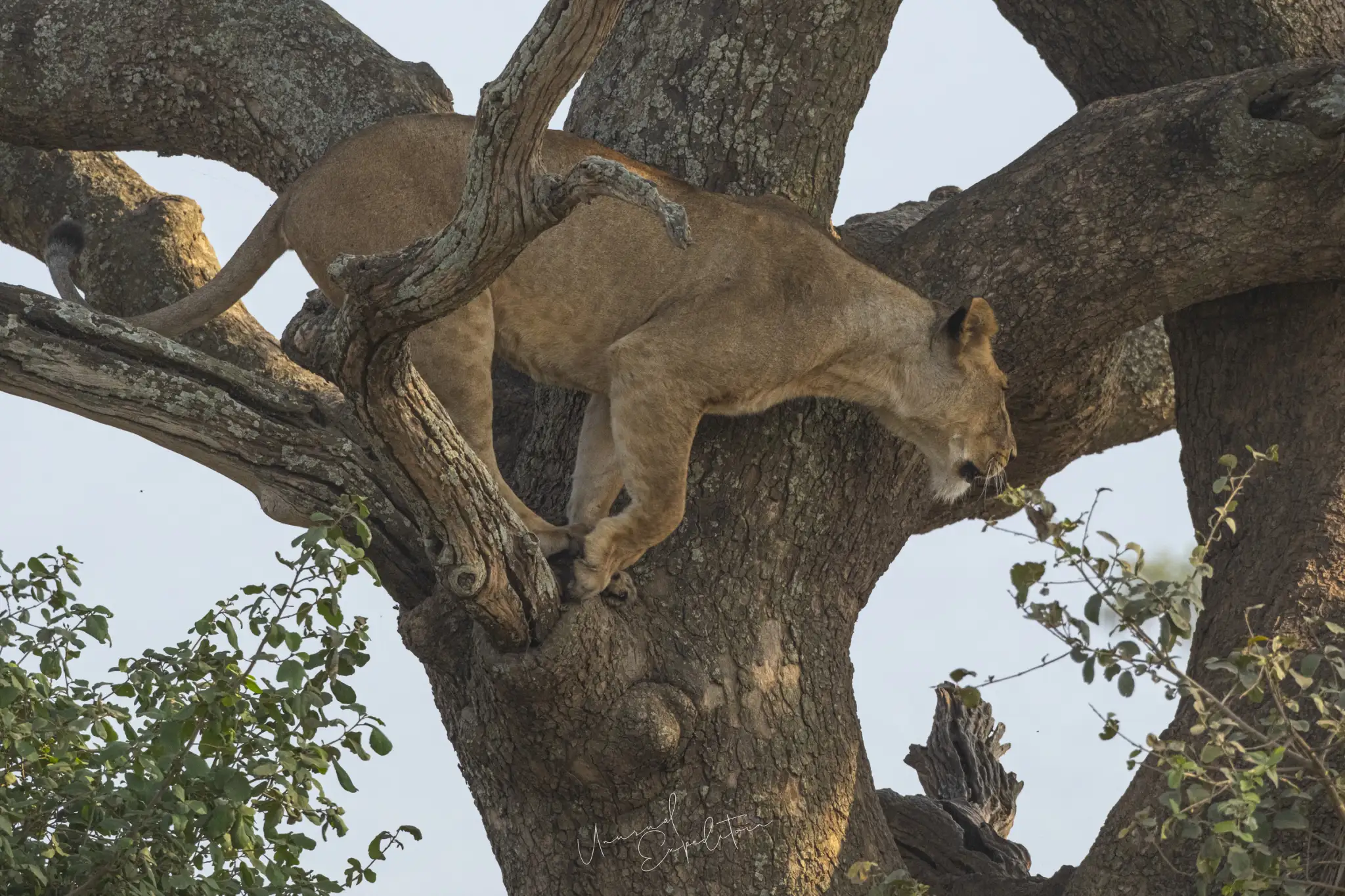
The Serengeti National Park places to visit with a camera are the Seronera valley for resident lions and leopards, the granite kopjes such as Simba, Gol, Maasai and Moru, the Mara River at Kogatende for the crossings, the hippo pools, the open plains of the centre and south, and the Grumeti River in the Western Corridor. Each one suits a different picture and a different season, and in every one the shot depends on where the vehicle stands and where the sun is.
These are the places our Serengeti photography tour guide refers to when it talks about the regions of the park. Here we go spot by spot: which way the light falls, the lens, the crowds and the rules. The photographs are our own, from our Serengeti trips.
Serengeti National Park places to visit: how to think about spots
Serengeti National Park covers 14,763 square kilometres, according to UNESCO, which listed it as a World Heritage Site in 1981. Distances are long, so the park works as a set of regions, each with its own season, and you choose a base camp in the region that suits the month. Tanzania National Parks (TANAPA) keeps visitors in their vehicles except at designated places, so a spot in the Serengeti means a stretch of road or river bank where the driver can park well. Bring a 200-400mm or 100-400mm for animals, a 70-200mm for animals in their setting, and a 24-70mm for the plains and the sky.
Seronera valley: lions and leopards in the trees
The Seronera valley in the central Serengeti has resident lions and leopards all year, and it is the place to look for cats in trees. Leopards rest in sausage trees and acacias along the Seronera river, and lions sometimes climb into the broad branches of an acacia to escape the flies and the heat. Look up as you drive the river roads. A cat on a branch is often backlit against bright sky, so work early or late, when the sun is low enough to light the animal from the side, and expose for the fur. Use the long lens and keep the branch in the frame for context. Seronera is also the busiest part of the park; a leopard in a tree can draw a dozen vehicles. Our Serengeti leopards guide covers the tree cats in more depth.
The kopjes: Simba, Gol, Maasai and Moru
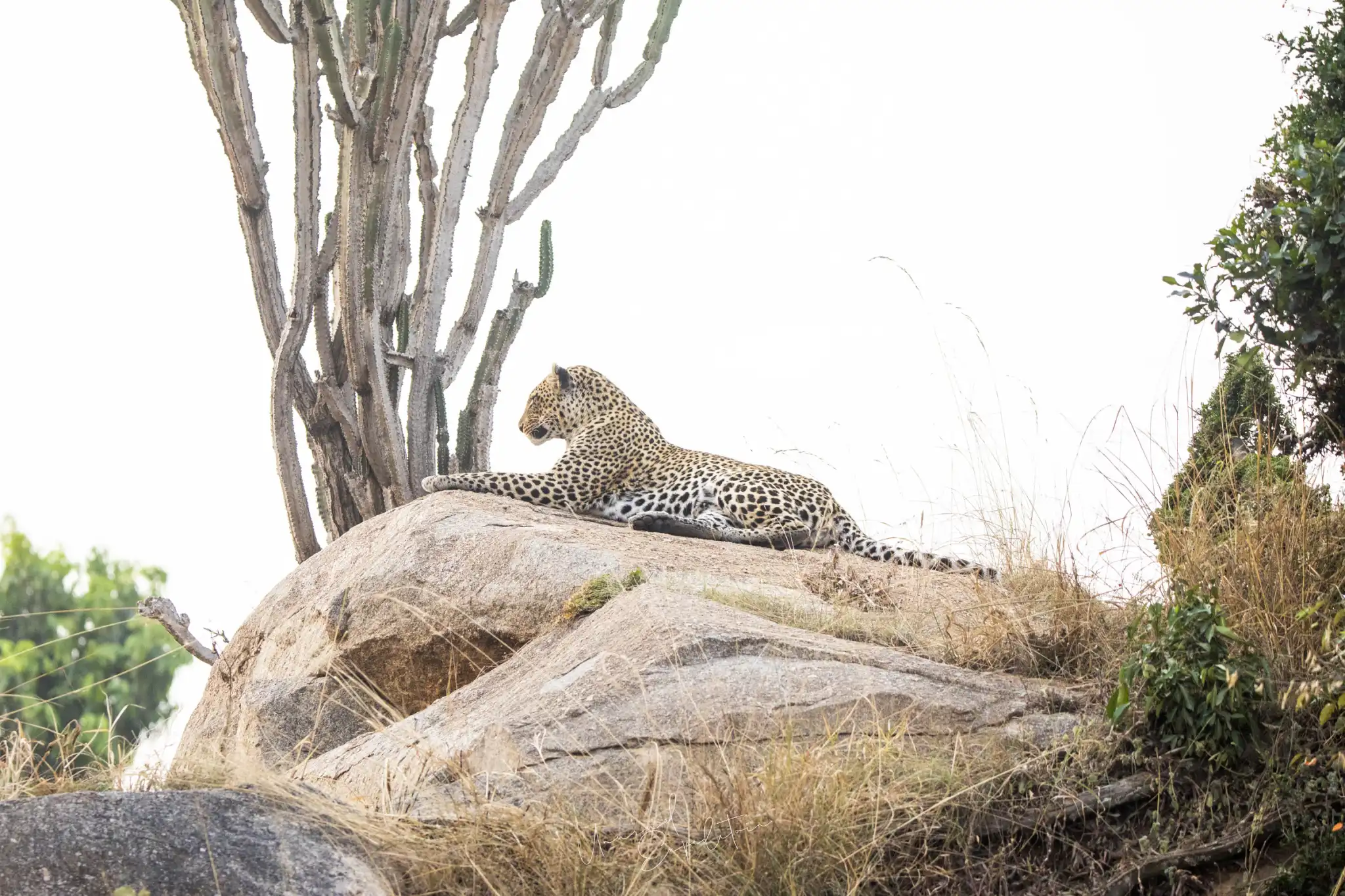
Kopjes are granite outcrops rising out of the grass, and they are the most distinctive landscape feature of the Serengeti. Lions use them as lookouts and shade, leopards and cheetahs climb them, and the rocks give a picture something the flat plains do not: height, texture and a frame. Simba Kopjes lie beside the main road south-east of Seronera, the Gol Kopjes on the short-grass plains to the south-east, the Maasai Kopjes east of Seronera and the Moru Kopjes to the south-west. Shoot the rocks in the last hour, when they turn warm and the shadows show their shape. A 70-200mm frames a cat on the rock with the grass below it; a 24-70mm gives the whole outcrop against the sky.
The Mara River at Kogatende
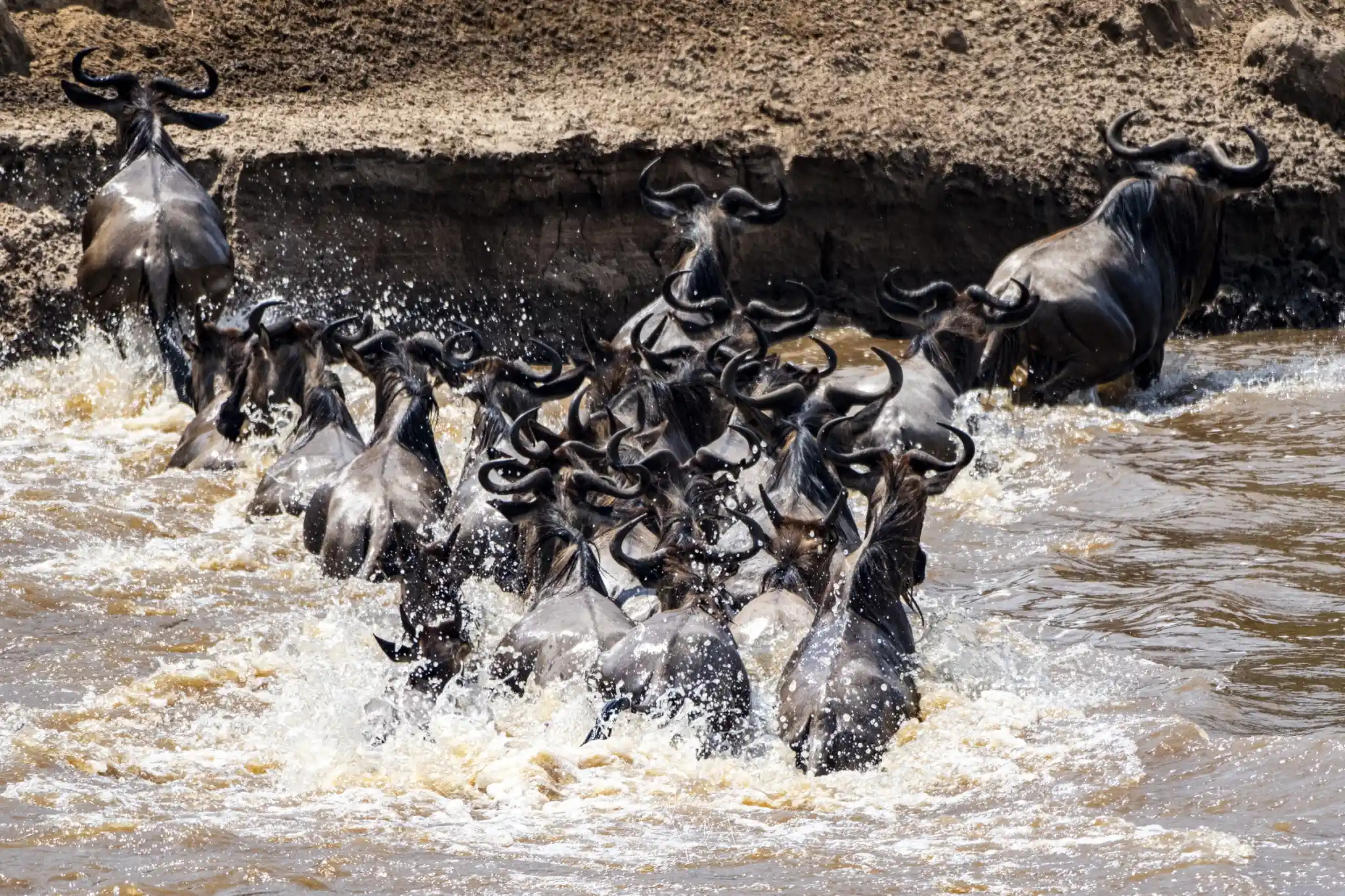
In the far north, the Mara River crosses from Kenya into the Serengeti, and the crossing points around Kogatende and the Lamai area are where the herds go into the water from about July, at their heaviest around August and September. Vehicles wait on the banks, sometimes for hours, and the light is whatever the herd chooses. Midday crossings give hard light, white spray and dust; a crossing late in the afternoon can be golden. Park downstream of the likely exit so the animals climb toward you. A long lens for faces and crocodiles, a 70-200mm for the column. The northern Serengeti is quieter than the Kenyan side but the best crossing points still collect vehicles. All of it is in our Mara River crossing in the Serengeti guide.
The hippo pools
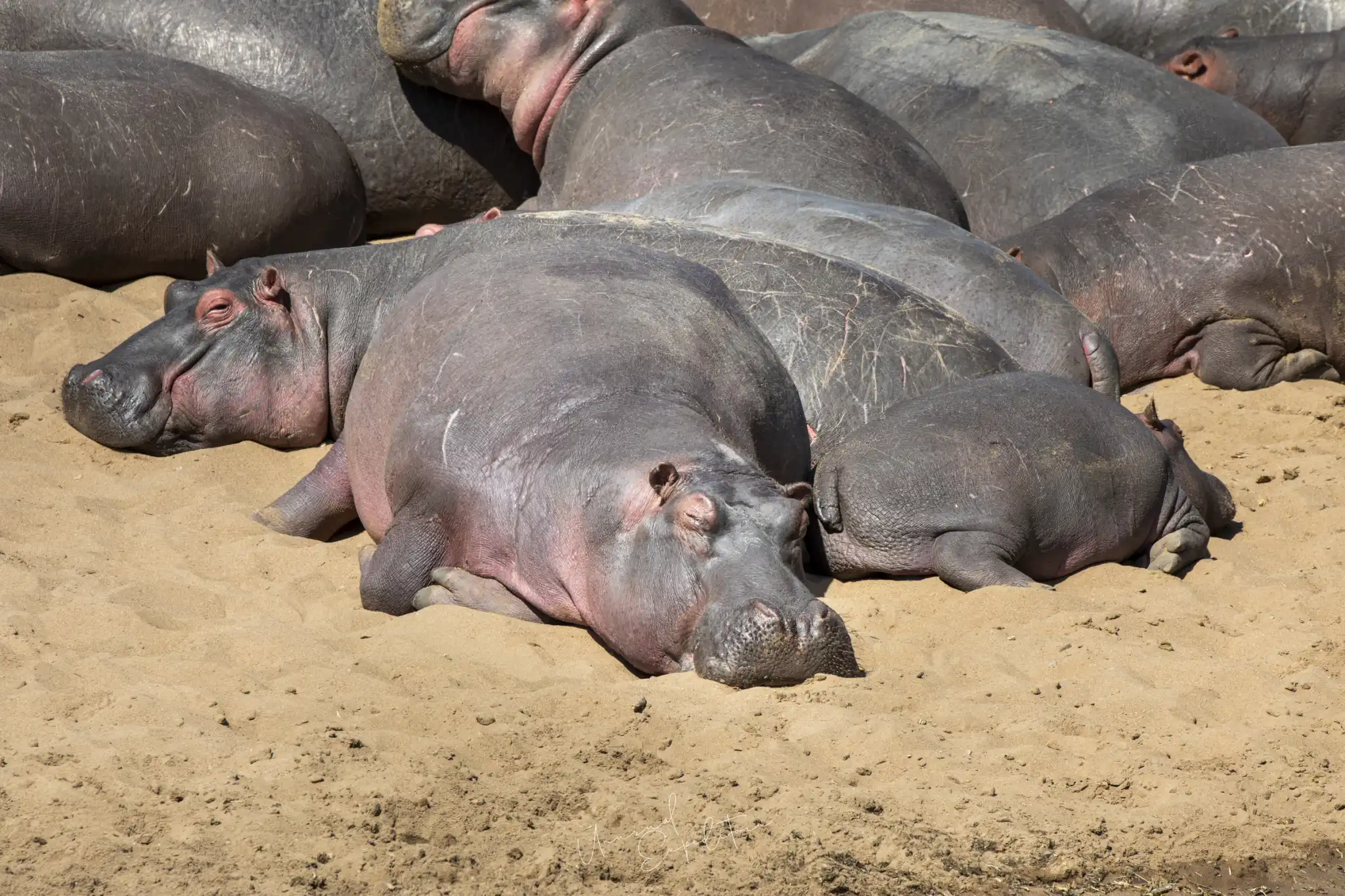
The rivers of the central Serengeti hold pools where dozens of hippos lie packed together in the water or hauled out on the sand, with Retima the best known near Seronera. A hippo pool is a place for behaviour: yawns, fights, calves climbing over adults, birds on backs. The light is best in the morning, before the hippos sink lower in the heat, and the smell is part of the experience. A 100-400mm lets you isolate an open mouth; a 24-70mm shows the whole crowded pool. Crocodiles share some of the pools, so look along the banks too.
"In the Serengeti I choose the region before I choose the subject. Get the season right and the place does the rest: the herds in the north in August, the calves in the south in February, the cats around Seronera any month. Then it is about patience and where you park."
Joseph Mak, tour leader, Unusual Expedition
The open plains of the centre and south
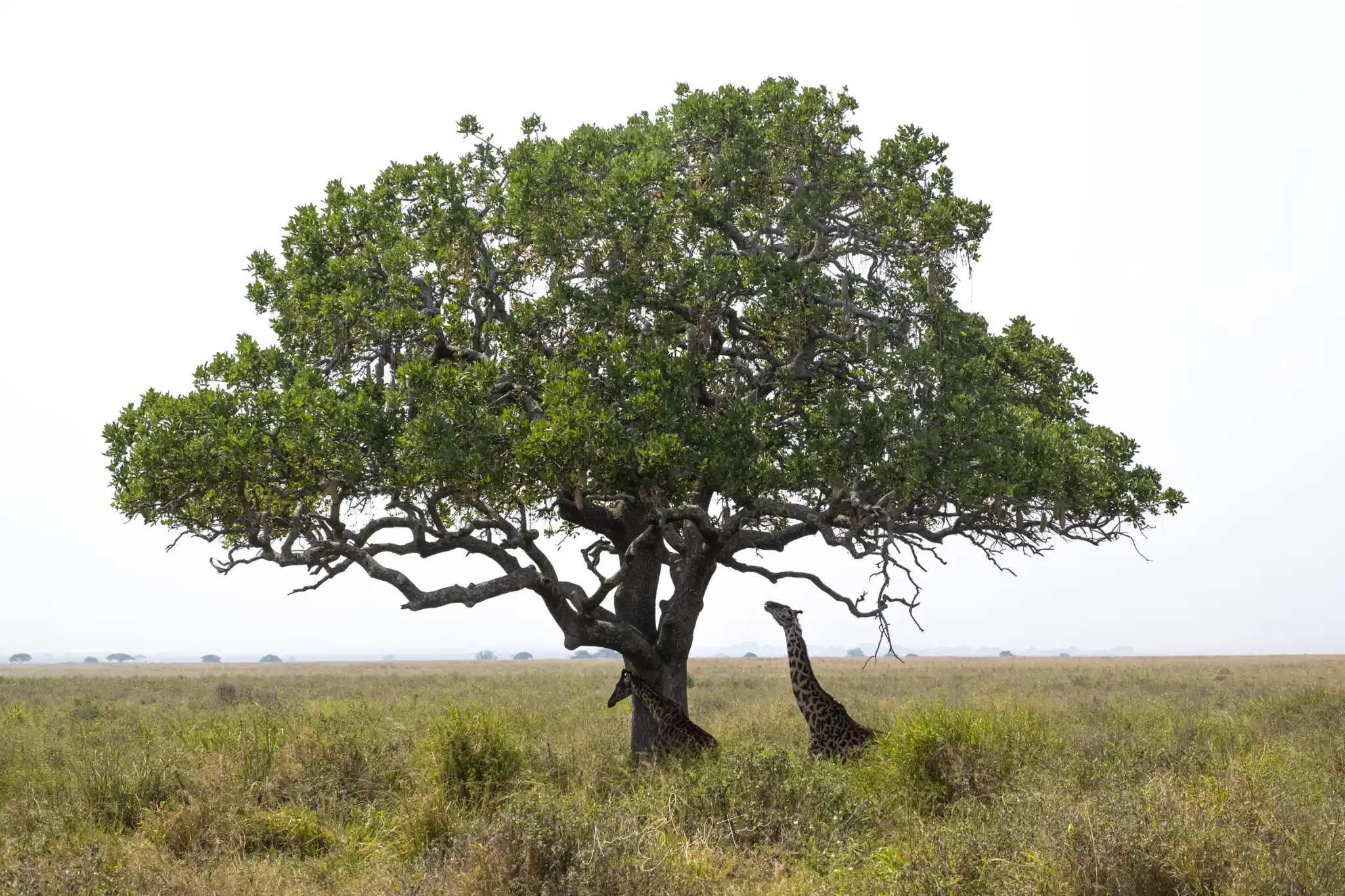
South of Seronera the trees thin out and the short-grass plains run to the horizon. This is the classic Serengeti picture: a single tree with a giraffe, a line of wildebeest, a sky that takes up two thirds of the frame. The plains are at their greenest and busiest in the rains, when the herds come south to calve around Ndutu, and dry and gold from about June. Shoot with the sun low and to the side, and use a 70-200mm to stack the tree, the animals and the horizon. Crowds are rarely an issue out here. For the calving season on the southern plains, see our Ndutu photography tour guide, and for the light at either end of the day our Serengeti sunrise and sunset guide.
The Grumeti River and the Western Corridor
The Western Corridor runs from the centre of the park toward Lake Victoria, along the Grumeti River. The herds usually pass through around May to July, mainly June, and cross the Grumeti, where large crocodiles wait in the pools. Outside those months the corridor is quiet, with gallery forest along the river, colobus monkeys and fewer vehicles than Seronera. The river banks face many directions, so ask your guide where the evening light falls on the crossing points you visit. We have not photographed the Grumeti crossings ourselves, so take this as public information and a place to plan around.
Above the plains in a balloon
Serengeti Balloon Safaris flies from the central Serengeti every morning at sunrise, and the flight shows the plains, the rivers and the kopjes from above. It is the one way to see how the landscape fits together. From the basket, a 24-70mm covers most of what you see, and the low sun throws long shadows from every animal and tree. On the ground, a balloon in the dawn sky over the Seronera plains is a good picture in its own right.
Which Serengeti spot, when
| Spot | Main subject | Best season | Best light | Lens |
|---|---|---|---|---|
| Seronera valley | Lions and leopards in trees | All year | Early and late | 200-400mm |
| Kopjes | Cats on granite, landscapes | All year | Last hour | 70-200mm, 24-70mm |
| Mara River, Kogatende | River crossings | About July to October | When the herd crosses | 200-400mm, 70-200mm |
| Hippo pools | Hippos, crocodiles | All year | Morning | 100-400mm, 24-70mm |
| Central and southern plains | Lone trees, herds, sky | Rains for herds, dry for gold | Sunrise and sunset | 70-200mm, 24-70mm |
| Grumeti, Western Corridor | Crossings, crocodiles | Around May to July | Ask locally | 200-400mm |
Seronera and the kopjes work in any month; the river spots and the plains depend on where the herds are.
Photograph the Serengeti with us
Our scheduled Serengeti Photo Tour combines the Mara River in the north with the central Serengeti, and the current departure is on the Tanzania photography tours page, along with every destination guide for the country.
Join the Serengeti photography tour
Serengeti Photo Tour – Tanzania 2027 departs 21 Aug 2027 To 01 Sep 2027. Small group, photography first. All Serengeti photography tours.
Explore Serengeti in depth
- Serengeti Photography Tour: The Complete GuideTanzania
- Serengeti National Park Big Five: Where to Find and Photograph Each OneTanzania
- Serengeti National Park Zebra: Photographing the Stripes of the MigrationTanzania
- Serengeti National Park Birds: Bateleurs, Vultures, Hornbills and How to Photograph ThemTanzania
- Serengeti Leopards: Finding and Photographing Them in Seronera and on the KopjesTanzania
- Serengeti Photography FAQ: Fees, Weather, Rules and GearTanzania
- Is the Serengeti Worth Visiting? How to Get There and What to ExpectTanzania
- Serengeti Big Cats: Photographing Leopards, Lions and CheetahsTanzania
- Serengeti Sunrise and Sunset: Photographing the Golden HoursTanzania
- Mara River Crossing in the Serengeti: How to Photograph ItTanzania
- Best Time to Visit the Serengeti for Photography, Month by MonthTanzania
- Serengeti National Park Photos: What the Park Looks LikeTanzania
Upcoming Photo Tours
- Egypt Photo Tour – EgyptEgypt 12 Dec 2026 To 20 Dec 2026
- Inner Mongolia Winter Owl Photo Tour – ChinaChina 01 Jan 2027 To 04 Jan 2027
- Inner Mongolia Winter Photo Tour – ChinaChina 05 Jan 2027 To 11 Jan 2027
- Mekong And Central Highland Vietnam Photo Tour - VietnamVietnam 16 Jan 2027 To 24 Jan 2027